It's almost Lunar New Year; Here's how to celebrate the Year of the Tiger

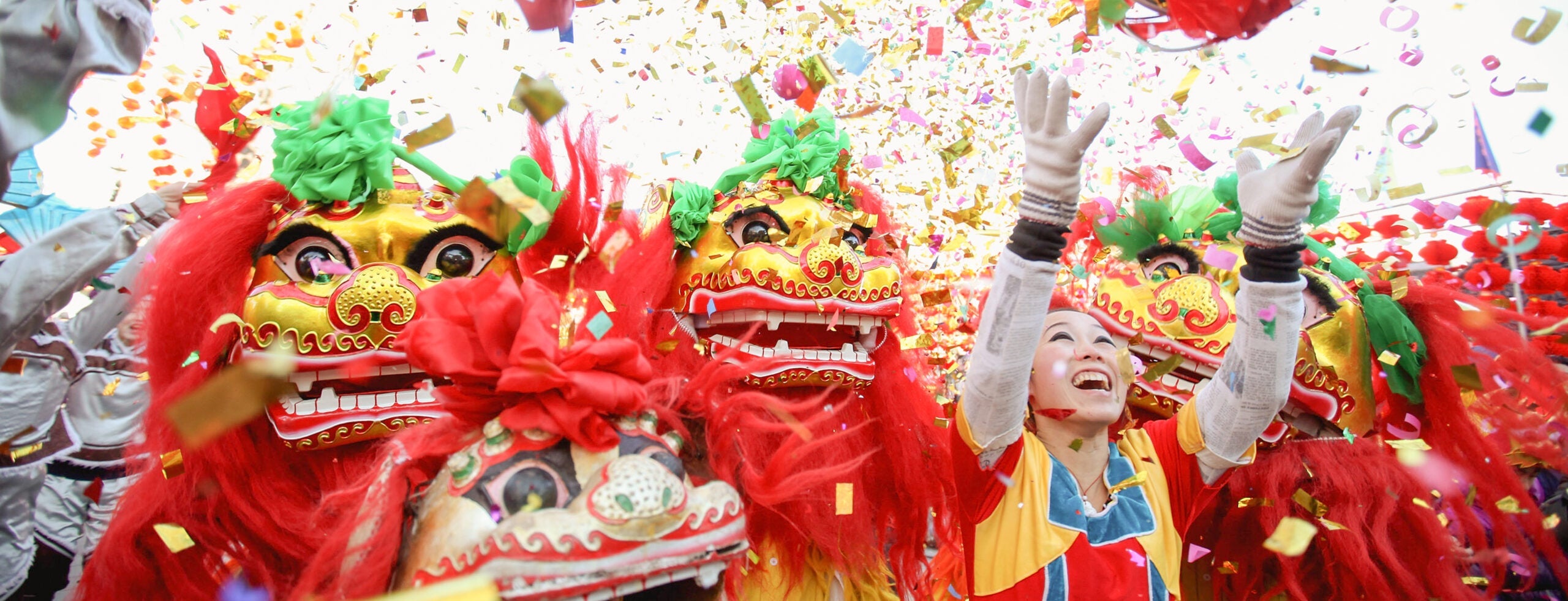
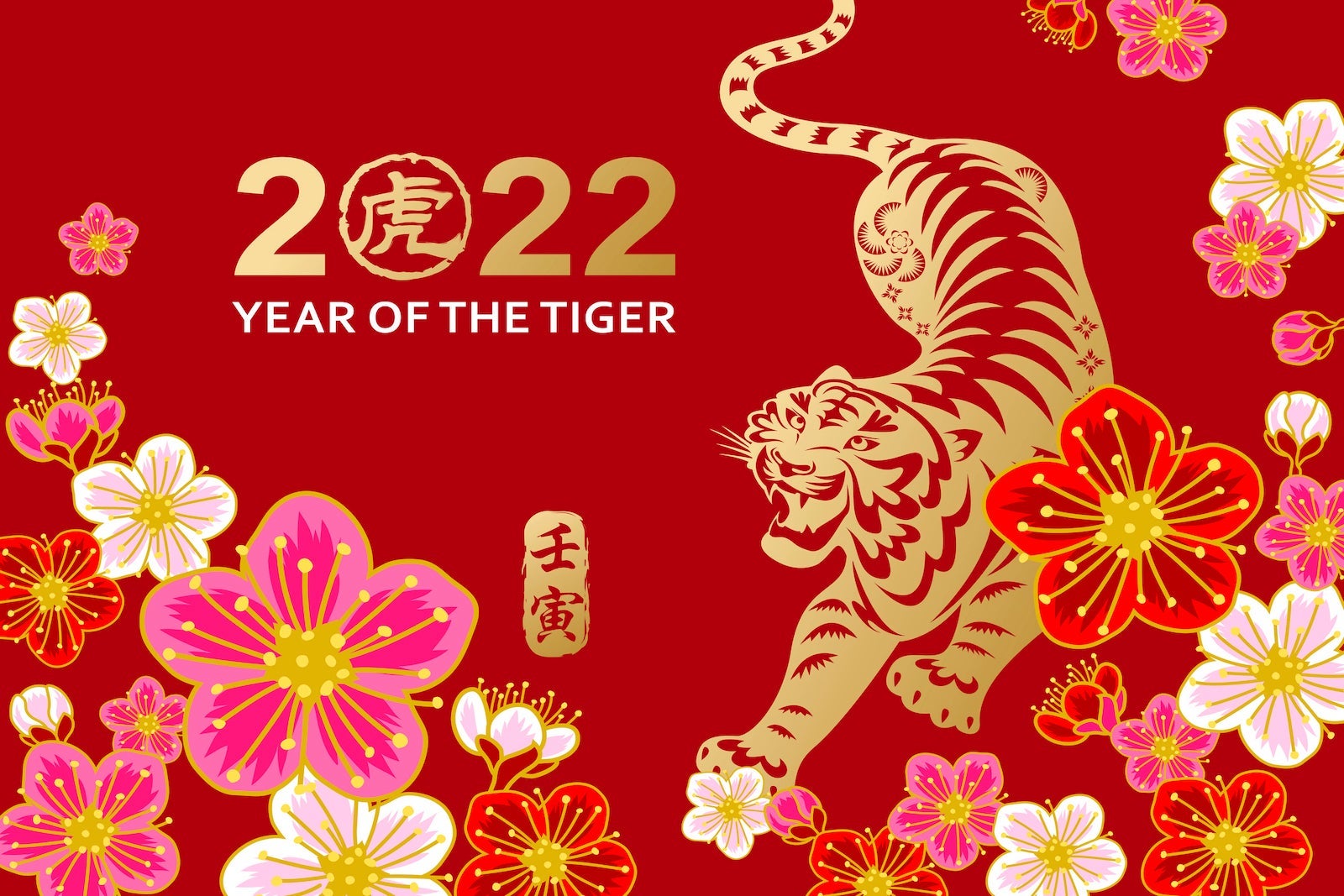
Feb. 1 marks the start of the Lunar New Year, when people across the world typically gather to celebrate the largest annual holiday for many Asian cultures from China to Vietnam to Tibet. This year they are celebrating the Year of the Tiger.
Although many Asian countries are closed to tourists currently, in-person celebrations across the U.S. have resumed after two years of largely virtual celebrations due to COVID-19.
So what exactly is the Lunar New Year, and how can you join in the festivities wherever you are?
The origins of Lunar New Year
The lunar new year begins with the first new moon of the lunar calendar and ends 15 days later on the first full moon of the lunar calendar.
This all-important holiday sets millions of people across the globe in motion each year as they would typically travel home to usher in the new year with their loved ones before COVID-19 closed down international travel.
Although it has Chinese origins, Lunar New Year and Chinese New Year are actually different holidays celebrated on different dates and by different cultures.
"Lunar New Year isn't called Chinese New Year (e.g. in Vietnam) even when it's on the same date," according to Chinese Highlights, which curates tours for visitors to China.
Having said that, other names for Lunar New Year include Spring Festival, or Seollal in Korean or Tet in Vietnamese.
This year's festival will usher us from the Year of the Ox into the Year of the Tiger.

Chinese folklore and legends tell of a terrifying beast called Nian (年) — a homonym for year in Chinese — that used to emerge from the ocean to devour crops, livestock and even people. After years of terror, a smart villager finally realized that the beast feared loud sounds as well as the color red.
So whenever the beast came in future years, the village would plaster their homes with red banners and lanterns, beat loud gongs and set off firecrackers to frighten it away. Eventually, their efforts paid off and Nian never returned.
The festival also has roots in agriculture; farmers would appeal to the gods to bless the harvest later in the year. In many cultures, the first guest to enter a household represents the family's luck for the coming year.
While many aspects of celebration are similar, such as the feasting and festive atmosphere, Vietnamese Tet traditions vary from its Chinese counterpart in some ways.
Lunar legends
The Lunar New Year festival has been observed for more than 3,500 years throughout Asia, including China, Taiwan, Hong Kong, Mongolia, Burma, Vietnam, Korea and Tibet, as well as regions worldwide that have strong Chinese influence or diasporas such as Singapore, Cambodia, Thailand, Indonesia, Malaysia and the Philippines, and throughout the United States, Europe and Oceania.
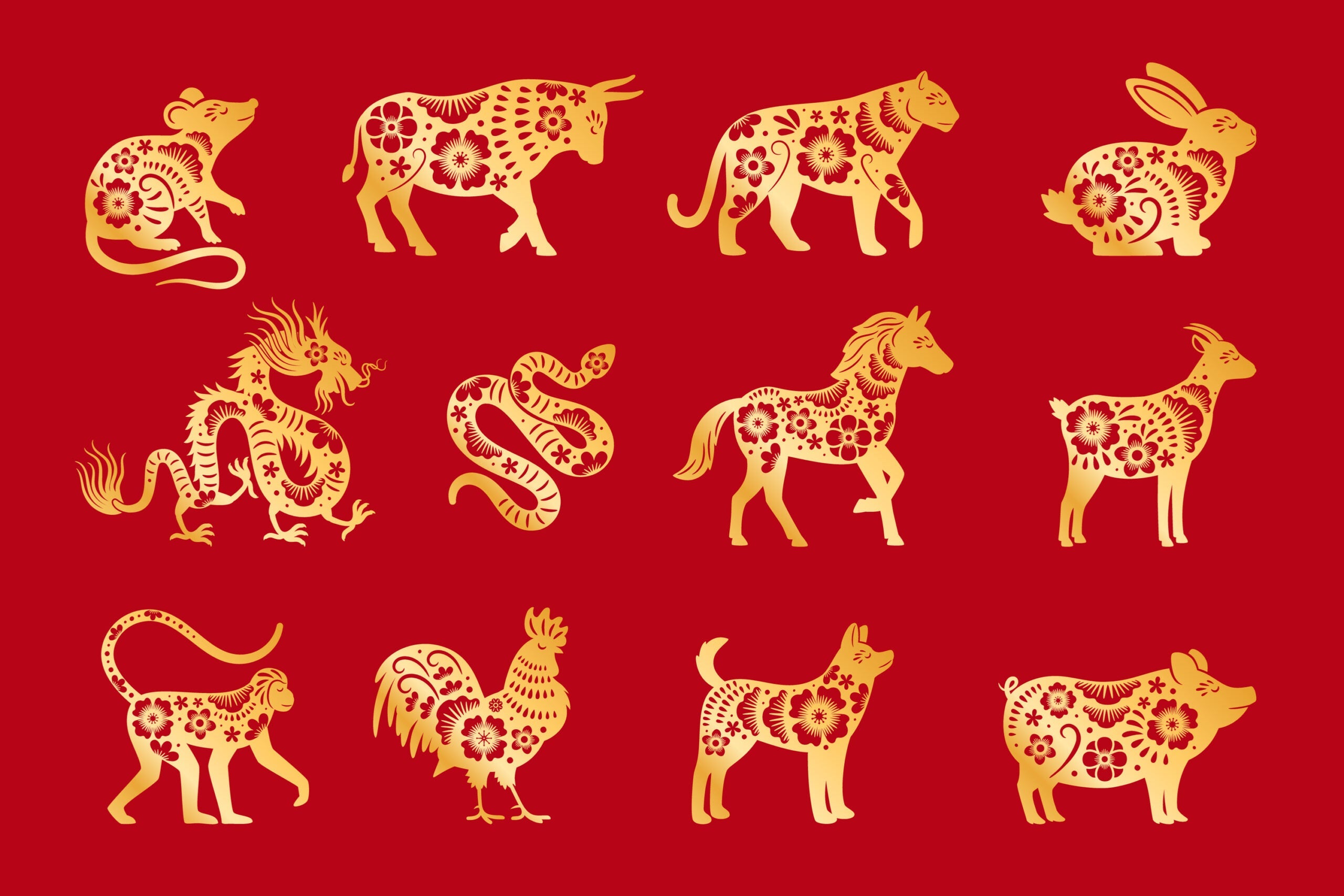
Several countries share the ideology behind the Chinese zodiac, which features 12 animals: the rat, the ox, the tiger, the rabbit, the dragon, the snake, the horse, the goat, the monkey, the chicken, the dog and the pig. Each animal represents one year in a 12-year rotation, and people who are born in a specific year consider the return of their "animal year" to be particularly important in their lives.
Even so, others have their own takes on the zodiac. The Japanese zodiac features a very slight change, with a boar instead of a pig. The Vietnamese version features a buffalo instead of an ox, and a cat instead of the rabbit. The Thai zodiac swaps the dragon for a naga, a mythical creature that looks like a giant snake. And the Burmese zodiac features eight animals that represent the directions of a compass.
Red envelopes are a unique characteristic of the Lunar New Year festival. In Chinese culture they are considered lucky and are exchanged between friends and family members with a very specific hierarchy in place. Older generations, such as parents and grandparents (or close friends in similar roles), gift lucky red envelopes filled with cash to children, along with their intangible wishes of luck and safety.
Read more: I'm Asian American. Here's how the pandemic changed how I view travel
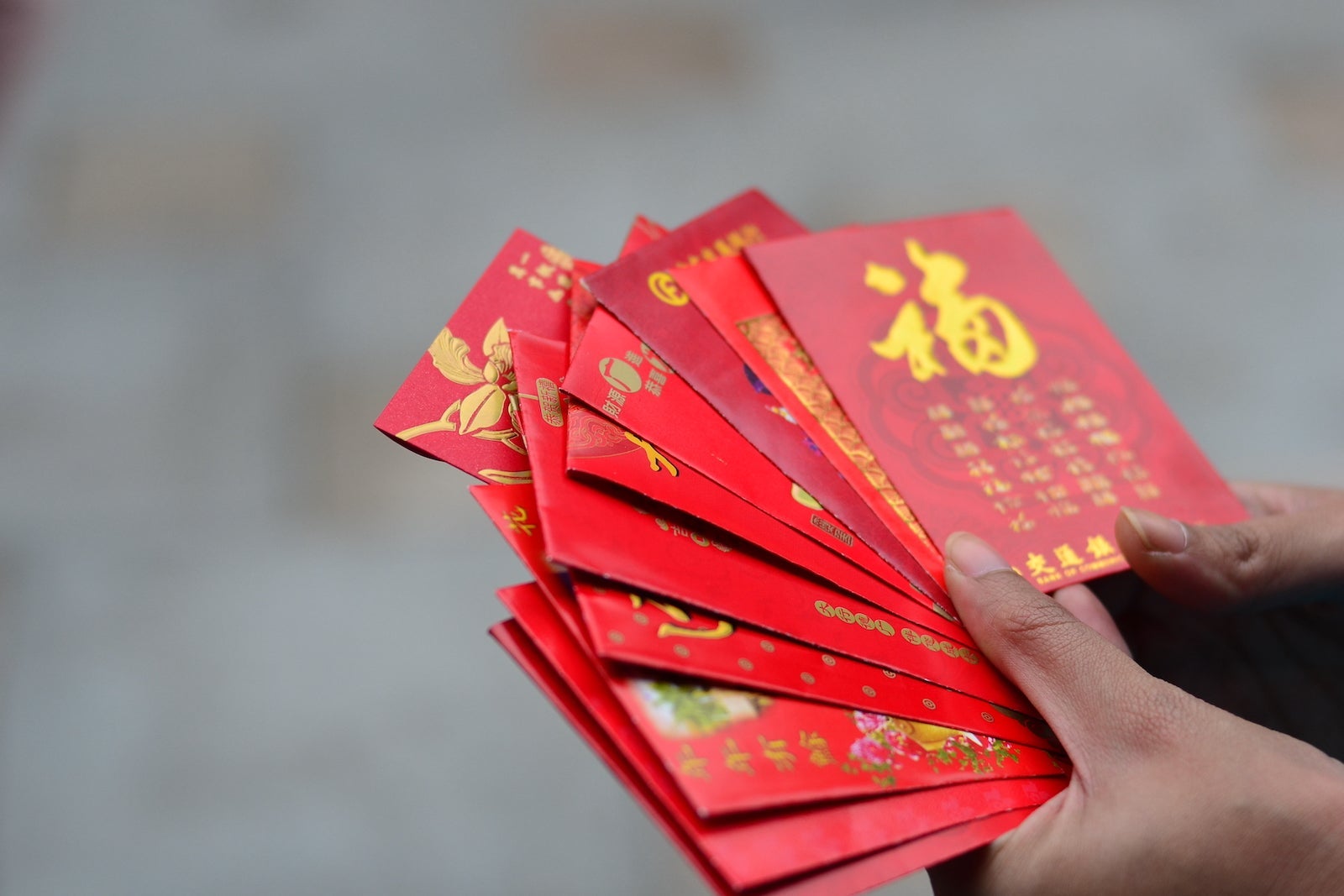
In Chinese culture, the cash gift is called "ghost-suppressing money," designed to keep another monster called Sui from attacking children. Of course in modern days, children also see the gift as spending money for the year.
However, after children grow up, the tables turn: Once young adults get married or become financially independent, they are expected to give red envelopes to their elders — parents, grandparents, aunts and uncles — as blessings for health and longevity as well as a gesture of filial piety, meaning respect of one's elder family members.
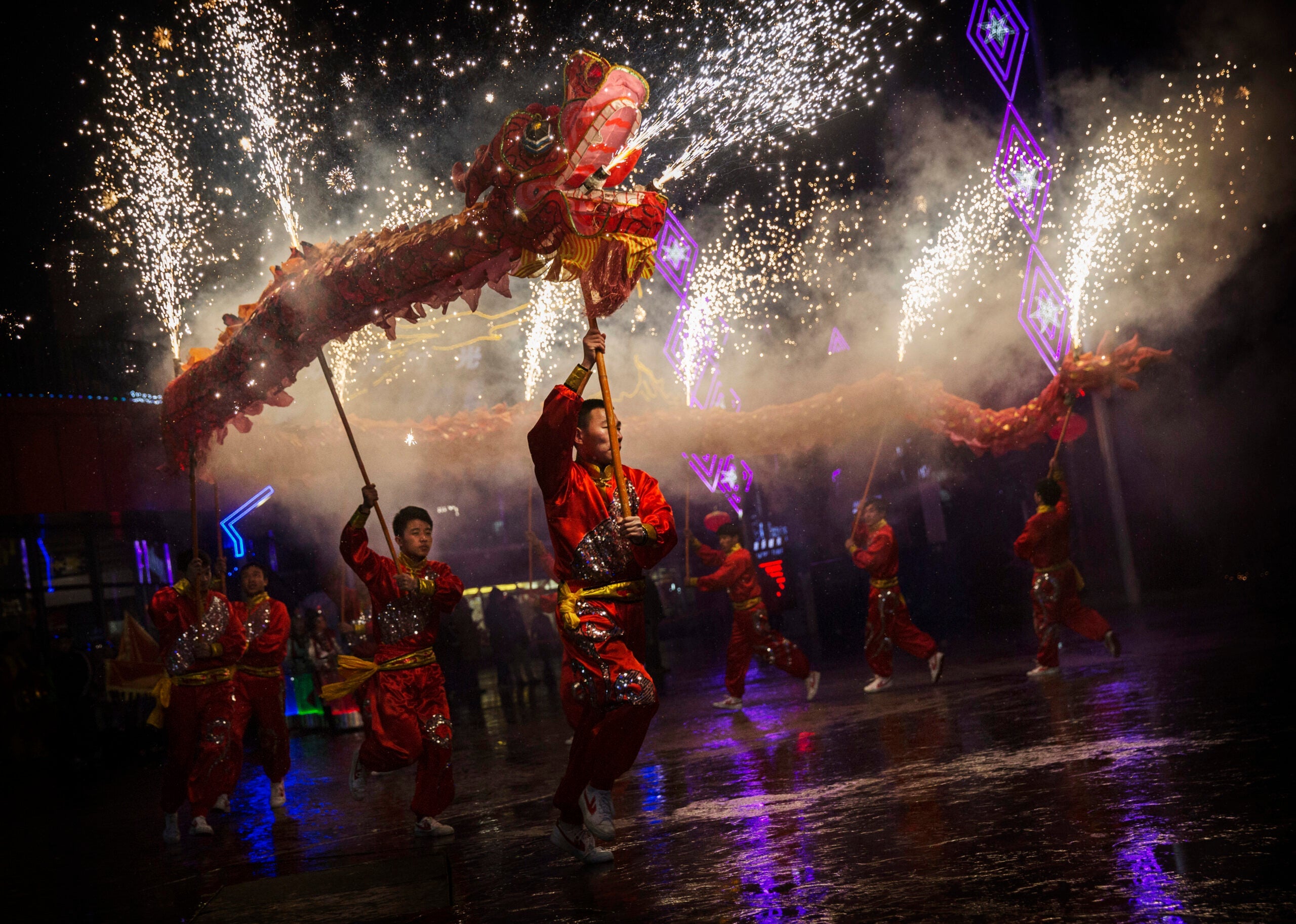
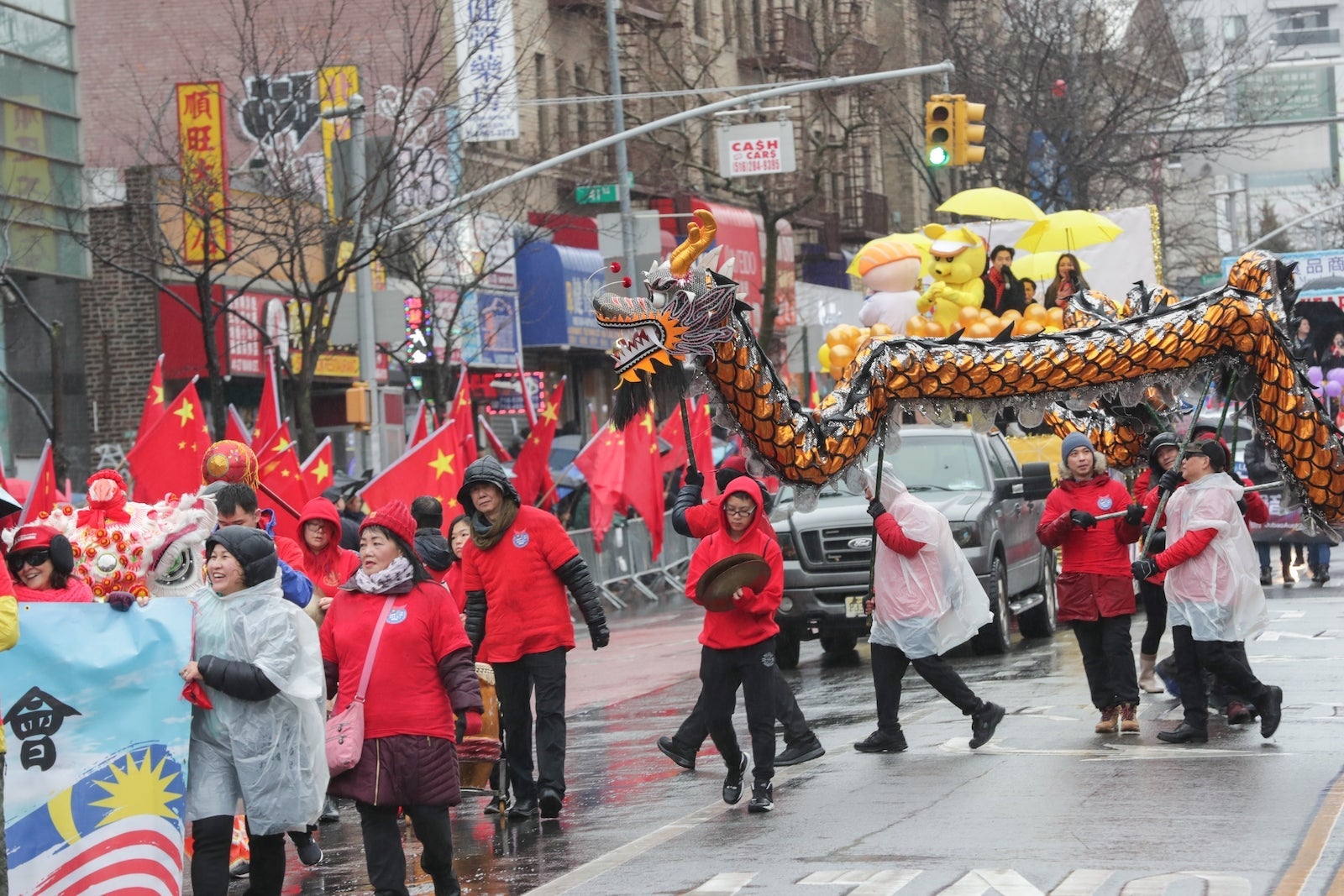
You may also know about the Lunar New Year lion dances, which can be elevated to a competitive sport in many ways. The dances are designed to attract luck and good fortune for the new year and are performed by two people, one bent over behind another to create a series of elaborate movements that propel the lion costume back and forth in impressive feats of skill.
Cross-cultural celebrations
Regardless of nation, the vast majority of Lunar New Year celebrations revolve around the same elements: feasting, especially with special occasion foods specific to the holiday; festive decor with a heavy emphasis on red and gold; firecrackers and fireworks; and gathering together with family and friends.
Every country has its own unique spin on new year traditions, but they also share some similarities. Food is an integral part of the celebration. It's a cardinal sin to run short on refreshments for any guest in many Asian cultures, so each household stocks up on snacks and treats in addition to meal fare to avoid any possible shortage.
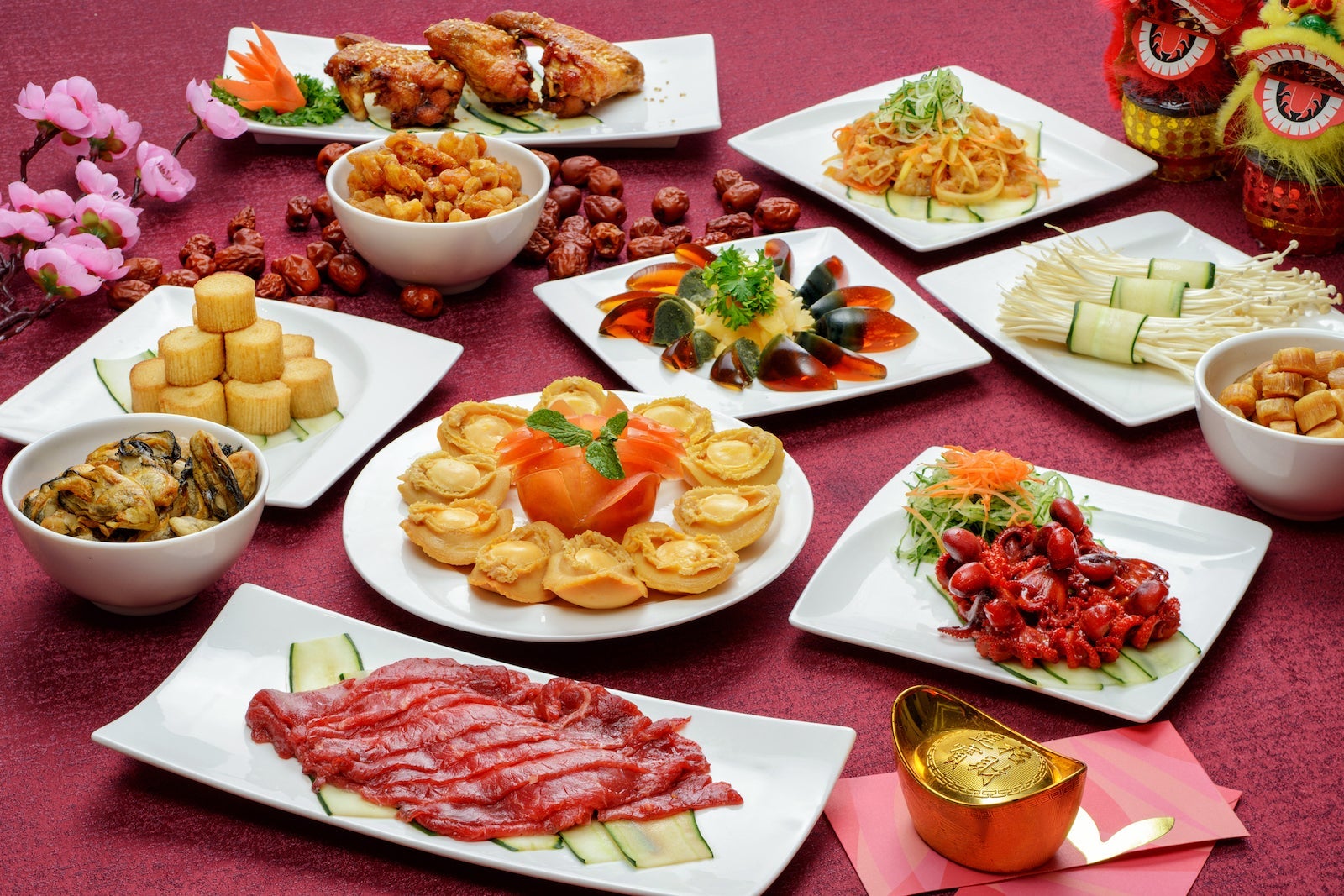
The Lunar New Year also calls for many special foods, which often represent auspicious wishes for health, longevity and prosperity. Dumplings, duck, noodles, oranges and rice all feature heavily in Chinese celebrations. And since Chinese homonyms are popular for luck, whole steamed fish is especially popular because of a Chinese saying, "nian nian you yu" (年年有餘), where the last word is a homonym for "abundance."
For many, the new year represents a fresh start, so homes need to be thoroughly cleaned before the first day to avoid "sweeping out" your luck with the new year. Many households also avoid taking out the trash for the first few days of the new year as well, so as not to carry out their blessings for the year.
Traditionally, the new year was also a time when everyone received new clothes that would tide them through the year to come, so expect to see fancy new outfits around Lunar New Year time.
Read more: From round-the-world bookings to lower surcharges: The complete guide to Cathay Pacific Asia Miles
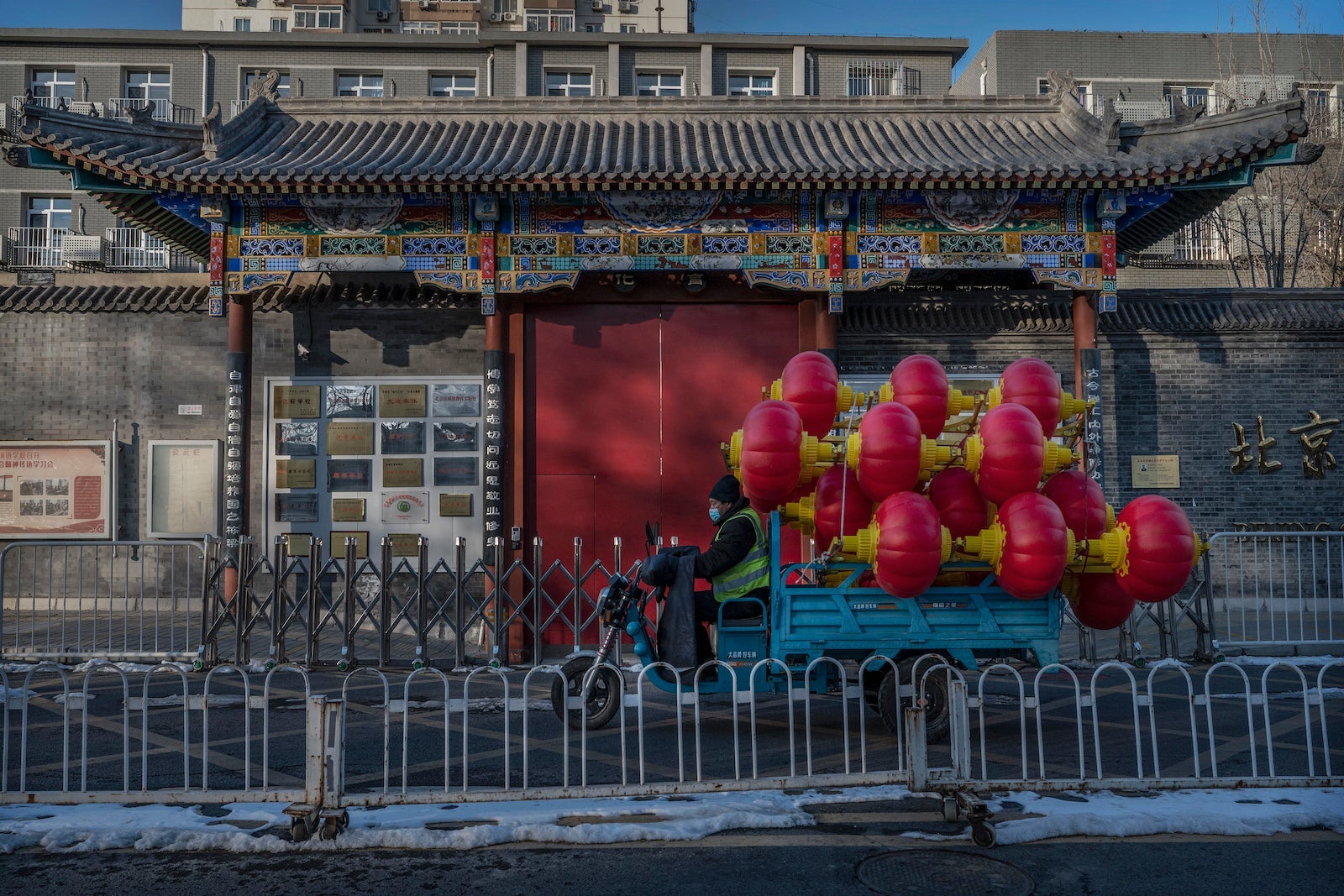
Of course, each country has its own traditions. Malaysians celebrate a tradition called yee sang, or a "prosperity toss," where participants toss a plate of salad into the air for luck and blessings throughout the year. Ancestral worship and respect is a big part of the festival for many cultures, including the Vietnamese. And in places like China, Taiwan, Hong Kong, and even San Francisco and New York, it's common to see red banners adorned with lucky sentiments lining the doorframes of shops, homes and other buildings.
What will celebrations look like this year?
In non-pandemic years, Lunar New Year drives up the cost of flights between Asia and other continents because so many people travel to their countries of origin to visit with extended family — just like Western cultures emphasize the Christmas season.
As Beijing prepares to host the 2022 Olympic Games starting Feb. 4, the Chinese government has urged citizens to avoid leaving the city for celebrations. Despite this, the Chinese Ministry of Transportation predicts 1.18 billion trips during the Lunar New Year travel season, up 35% from last year, as reported by CNN.
Related: 10 places around the world to observe Lunar New Year
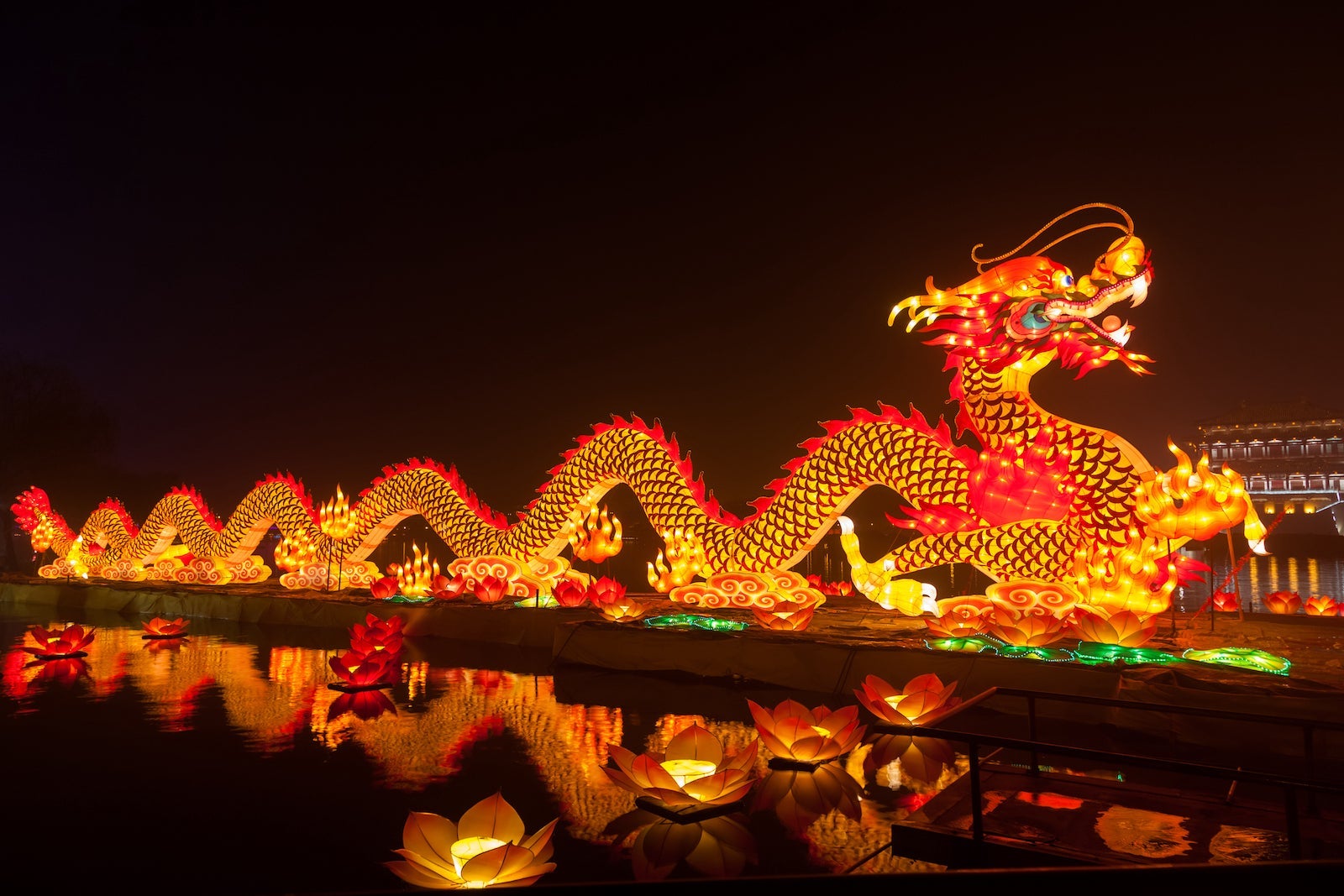
When possible, visitors to Asia should seek out cultural hubs in their destination city, such as temples and markets, to see the biggest celebrations. Here, you'll often find bright lights, colorful decor, paper lanterns, food hawkers on every corner and loud festive sounds of every variety, from music to gongs to firecrackers.
This year, many cities in the U.S. are back to hosting in-person Lunar New Year celebrations, including Seattle, New York, New Orleans, San Francisco, Philadelphia, Las Vegas, Chicago, Boston, Los Angeles, Washington, D.C. and Houston.
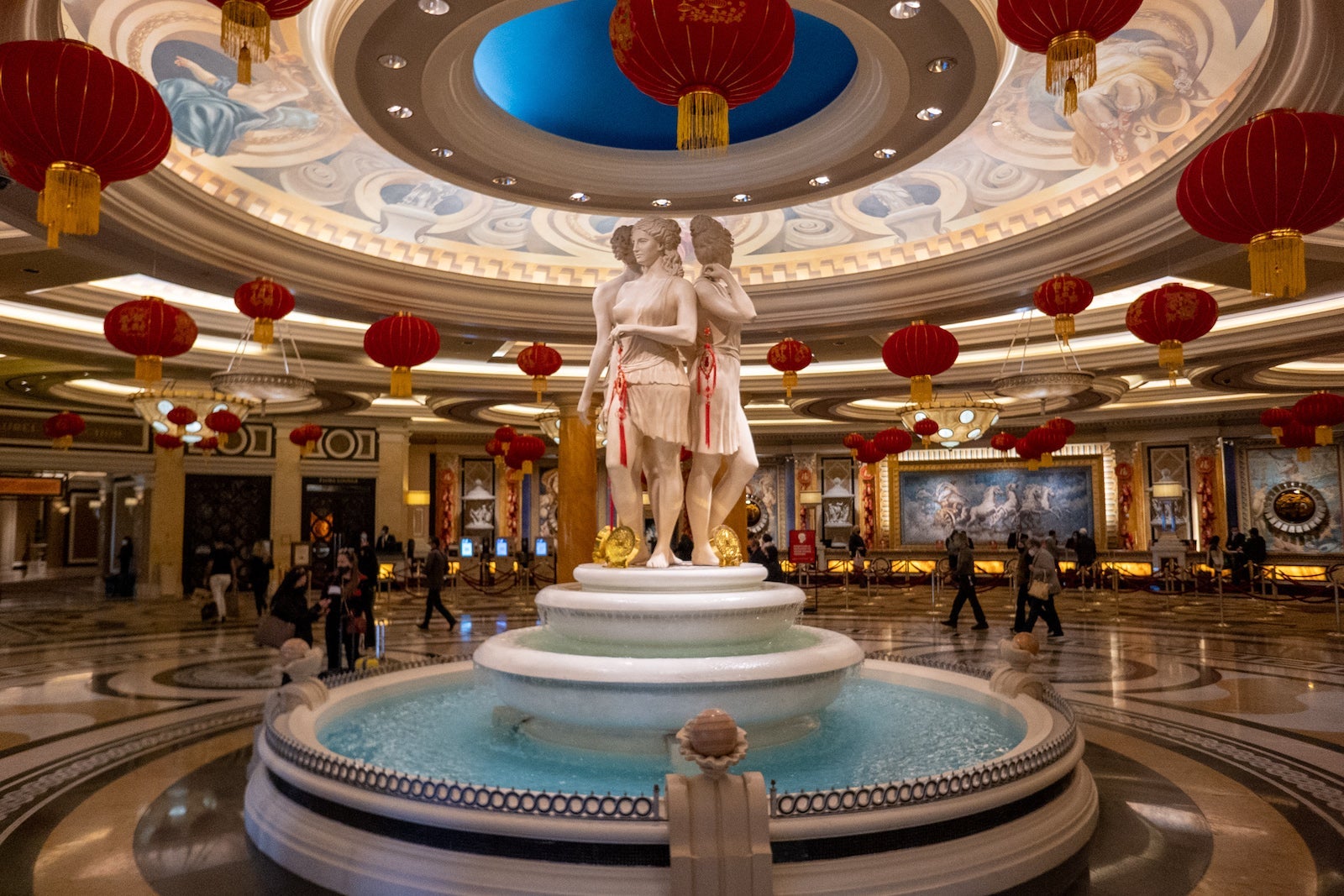
Caesars Entertainment Las Vegas resorts are celebrating with festive decor, dining specials and traditional lion dances at their properties across the city, including Caesars Palace, Bally's Las Vegas, Paris Las Vegas and Planet Hollywood Resort & Casino.
You can also find diasporic celebrations in Toronto and Vancouver this year.
Home is where the heart is
Although 2022 marks another year that most of us cannot travel to Asia as the continent remains closed to tourists due to COVID-19, there are plenty of celebrations happening across the country.
Even if you can't make it to Asia for fireworks or fantastic food, Lunar New Year is, first and foremost, a family celebration.
TPG reporter Chris Dong says that for him, food and red envelopes are a key part of the holiday. "Growing up, the best part of Chinese New Year celebrations was all the meals with family and friends — and of course, receiving red envelopes stuffed with money from both sides of the family."
Although traditions evolve, Dong says that he "makes sure to feast on favorite dishes around the Lunar New Year period and soak in the festivities in Manhattan's Chinatown."
So get together with your people and wear your most festive clothing on Tuesday, Feb. 1, to usher in the Year of the Tiger.
Set up a game of mahjong, string up some twinkle lights in your backyard, wear red for good luck and pour drinks to get the celebrations started. When you get hungry, order in or make your own dumplings and noodles. Just be sure not to cut or break the noodles so that you don't "cut your luck short."
Additional reporting by Caroline Tanner.
TPG featured card

at Capital One's secure site
Terms & restrictions apply. See rates & fees.
| 5X miles | Earn 5X miles on hotels, vacation rentals and rental cars booked through Capital One Travel |
| 2X miles | Earn unlimited 2X miles on every purchase, every day |
Pros
- Stellar welcome offer of 75,000 miles after spending $4,000 on purchases in the first three months from account opening. Plus, a $250 Capital One Travel credit to use in your first cardholder year upon account opening.
- You'll earn 2 miles per dollar on every purchase, which means you won't have to worry about memorizing bonus categories
- Rewards are versatile and can be redeemed for a statement credit or transferred to Capital One’s transfer partners
Cons
- Highest bonus-earning categories only on travel booked via Capital One Travel
- LIMITED-TIME OFFER: Enjoy $250 to use on Capital One Travel in your first cardholder year, plus earn 75,000 bonus miles once you spend $4,000 on purchases within the first 3 months from account opening - that’s equal to $1,000 in travel
- Earn unlimited 2X miles on every purchase, every day
- Earn 5X miles on hotels, vacation rentals and rental cars booked through Capital One Travel
- Miles won't expire for the life of the account and there's no limit to how many you can earn
- Receive up to a $120 credit for Global Entry or TSA PreCheck®
- Use your miles to get reimbursed for any travel purchase—or redeem by booking a trip through Capital One Travel
- Enjoy a $50 experience credit and other premium benefits with every hotel and vacation rental booked from the Lifestyle Collection
- Transfer your miles to your choice of 15+ travel loyalty programs
- Top rated mobile app