Are cruises safe? Here’s what you need to know about cruise ship security and safety

If you've watched the news at any point over the past several years, it's likely you've seen disturbing stories about cruise ship norovirus or COVID-19 outbreaks and passengers "falling" overboard. Combine that with reports of sexual assault and fistfights, and it's no surprise you might be wondering whether cruise ships are safe.
Here, I'll address some prospective passengers' biggest concerns and offer tips and advice on cruise ship safety so you can maintain peace of mind on your voyage.
Are cruise ships safe?
Let's cut right to the chase: Yes, cruise ships are generally safe as long as you use common sense and remember that vessels are not impervious to accidents, illness or people who just don't know how to behave. As with any place you might live or visit ashore, there are risks, but those risks can be mitigated if you keep a few simple tenets top of mind.
The key thing to recognize is that you should maintain the same level of awareness, self-control and vigilance as you would anywhere else. When you're in your hometown, would you invite a complete stranger into your bedroom, leave your wallet unattended in plain sight or allow your very young child to run around unsupervised? If the answer is no, you shouldn't be doing those things on a cruise ship, either. (And if the answer is yes, I have questions.)
Although you have power over the above, sometimes circumstances are beyond your control. Perhaps the weather is bad, or something mechanical goes wrong with the vessel. Cruise ships are equipped with advanced navigational equipment to avoid storms, and engine room contingencies allow onboard operations to continue, even if the ship's speed or propulsion is affected.
Ships also employ entire onboard teams of engineers and mechanics who are able to fix problems on the spot, as well as crew members trained to fight fires. The bridge — the ship's main control center — is constantly in touch with shoreside teams who provide additional assistance.
With that, here's a bit more advice on how to make your sailing safer, followed by answers to some of your most burning safety-related queries.
Cruise safety tips

Cruise ship safety measures are in place on every vessel in every major cruise line's fleet. However, there are some extra tips you can follow to stay safe on a cruise.
- Pay attention during the muster drill. Muster drills are a pain, and nobody likes them. However, they tell you what to do in case of an emergency, so it behooves you to pay attention. The information offered during them — including where your muster station is and how to properly don a life jacket — could end up saving your life.
- Keep a close eye on your keycard. Treat it the same as you'd treat a credit card or your keys. It grants access to your cabin and also serves as your onboard charge card for purchases. If you lose it, report it to guest services immediately so they can deactivate the old one and issue you a replacement.
- Lock up your valuables. Keep your jewelry, passports, wallets, electronics and other important items locked in your cabin safe when you aren't using them, and don't leave them lying unattended in public areas.
- Don't invite strangers to your cabin. Don't tell them your cabin number or otherwise divulge sensitive personal information. If you're cruising by yourself, also use caution when telling people you're alone.
- Supervise your children. Allowing young children to roam the ship alone without an adult or member of the youth club staff is not only potentially unsafe but also can be an annoyance to other passengers.
- Avoid drinking so much alcohol that you lose your wits. It could lead to slipping and falling or cause you to engage in unsafe behaviors, such as entering crew areas or climbing on railings. It also could make you more susceptible to theft or assault. Plus, hangovers can really put a damper on the next day's fun.
- Steer clear of crew-only areas, and never stand on furniture or climb anywhere you aren't supposed to be. Restricted areas are restricted for a reason, and entering them can result in injury or death.
- Don't assume everyone on your sailing is trustworthy. Simply being on the same ship doesn't mean your fellow passengers are on the up and up. Most are, but some might not be. Treat strangers with the same level of scrutiny as you would in any other environment.


Are there police on cruise ships?
Do cruise ships have police? Is there security on cruise ships? Again, the answer is yes. Cruise ship police officers are more like security guards, many of whom serve as law enforcement officers or members of the military in their countries of residence when they aren't working on board.
Cruise security guards have the authority to break up fights and mitigate passenger hostility, drunkenness and other inappropriate behavior. They also have the authority to place rowdy, violent or otherwise dangerous passengers in the ship's jail, known as a brig.
Serious rule violations could warrant cruisers' removal from the ship at the next port of call and notification of authorities. However, maritime law is dicey and often unclear when it comes to which country has jurisdiction over crimes that happen in international waters.
Will I get sick on a cruise?

Getting sick on a cruise is a possibility, as it is anywhere you go. However, ships are held to high cleanliness standards that are dictated and monitored by the U.S. Centers for Disease Control and Prevention via the Vessel Sanitation Program, which was implemented in the 1970s.
The VSP requires all passenger ships that carry more than 13 people to submit to random, unannounced inspections if they wish to visit ports in the U.S. The requirements are rigorous, and any score lower than 86 out of 100 is considered failing. (Scores and lists of infractions for all ships can be found on the VSP website.)
Prior to the COVID-19 pandemic, the biggest health threat on ships was norovirus, which manifests as a highly contagious gastrointestinal illness that's easily spread through food contamination and surface contact in close quarters.
After the coronavirus shut down the industry, cruise lines further strengthened their protocols to include safeguards against airborne pathogens. They included social distancing and mask-wearing requirements, as well as the enhancement of air filtration systems. Other measures included contact tracing protocols, mandatory vaccination requirements and the expansion of onboard medical facilities and staff.
Many of the COVID-19-related policies — including requirements for mask-wearing and mandatory vaccination — have been relaxed, but the lines are able to reinstate them quickly if needed.

In addition to following cruise ship wellness policies, there are other ways you can minimize your chances of becoming ill when you sail. The best way to avoid both catching and transmitting germs is to wash your hands, particularly before eating and after using the restroom or coming in contact with high-touch surfaces like handrails and elevator buttons.
Hand sanitizer is plentiful on ships, too; while it's great for use between trips to the sink, it shouldn't be a substitute for thorough and frequent hand-washing. Additionally, when you cough or sneeze, do so into your upper arm or the crook of your elbow.
With regard to seasickness, toss a couple of remedies into your bag when you're packing. Tried-and-true options include Dramamine or Bonine pills, acupressure bands, ginger candies and behind-the-ear patches. In a pinch, seek out a green apple or ginger ale from the buffet or room service.
Also make sure you're getting plenty of rest, staying hydrated, wearing sunscreen with an appropriate SPF and knowing your limits when it comes to alcohol.
Above all, if you're feeling ill before embarkation, don't cruise. Take advantage of your travel insurance's cancel for any reason coverage (if that's included in your particular policy) to get your money back and avoid spreading sickness to others.
Can you fall off a cruise ship?
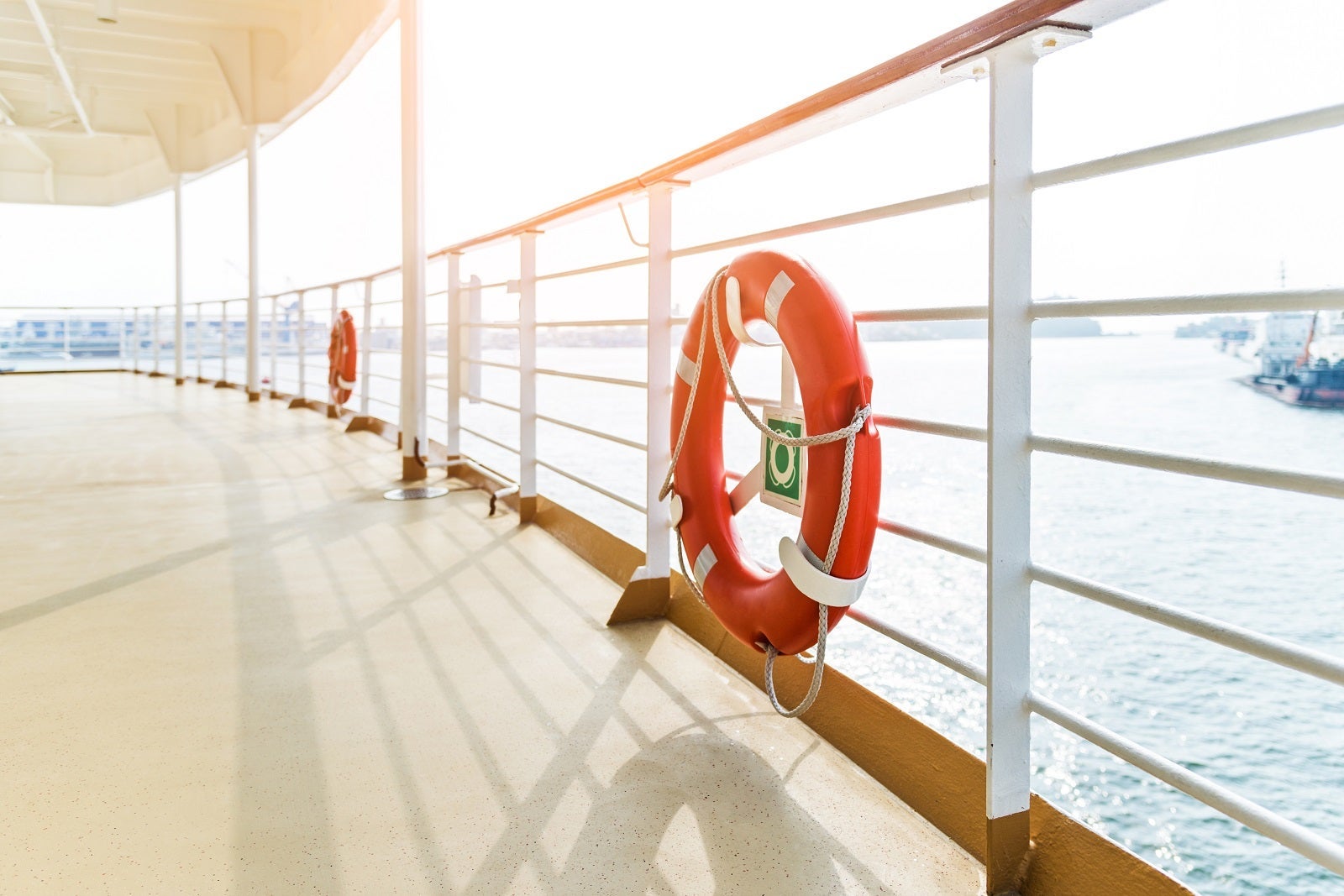
Yes, it's possible to fall off a cruise ship, but it doesn't happen without effort. To help ensure passenger safety, cruise vessels' cabin balconies and outdoor decks have railings that are roughly chest height on an average-size person. Thick metal or Plexiglas panels or metal bars are positioned under the railings to prevent people from slipping through. Even so, it's important to keep a close watch on young children at all times.
Most people who go overboard fall because they were inebriated, entered a restricted area or engaged in behavior they shouldn't have — such as standing on railings or furniture or climbing between balconies — or a combination thereof.
It's not possible for someone to slip on a wet deck or trip over a door frame and simply fall off a cruise ship.
Do cruise ships have enough lifeboats?
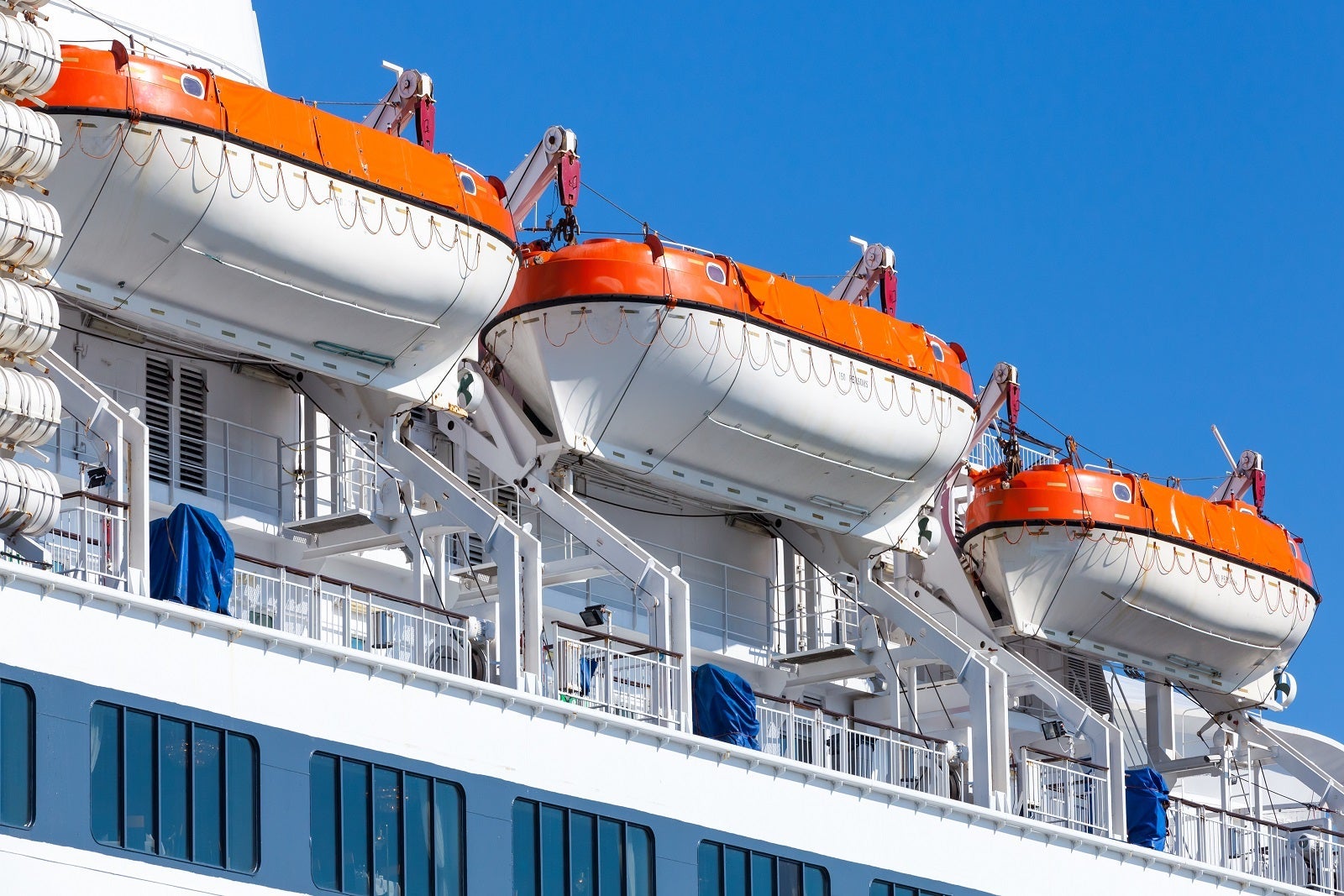
Yes, they do. Following the sinking of the Titanic, which didn't have enough lifeboats for everyone, the international maritime community developed Safety of Life at Sea standards. Under SOLAS, passenger ships are now required to carry enough lifeboats for all passengers. They are outfitted with navigation and communications equipment and basic necessities required for survival until help arrives.
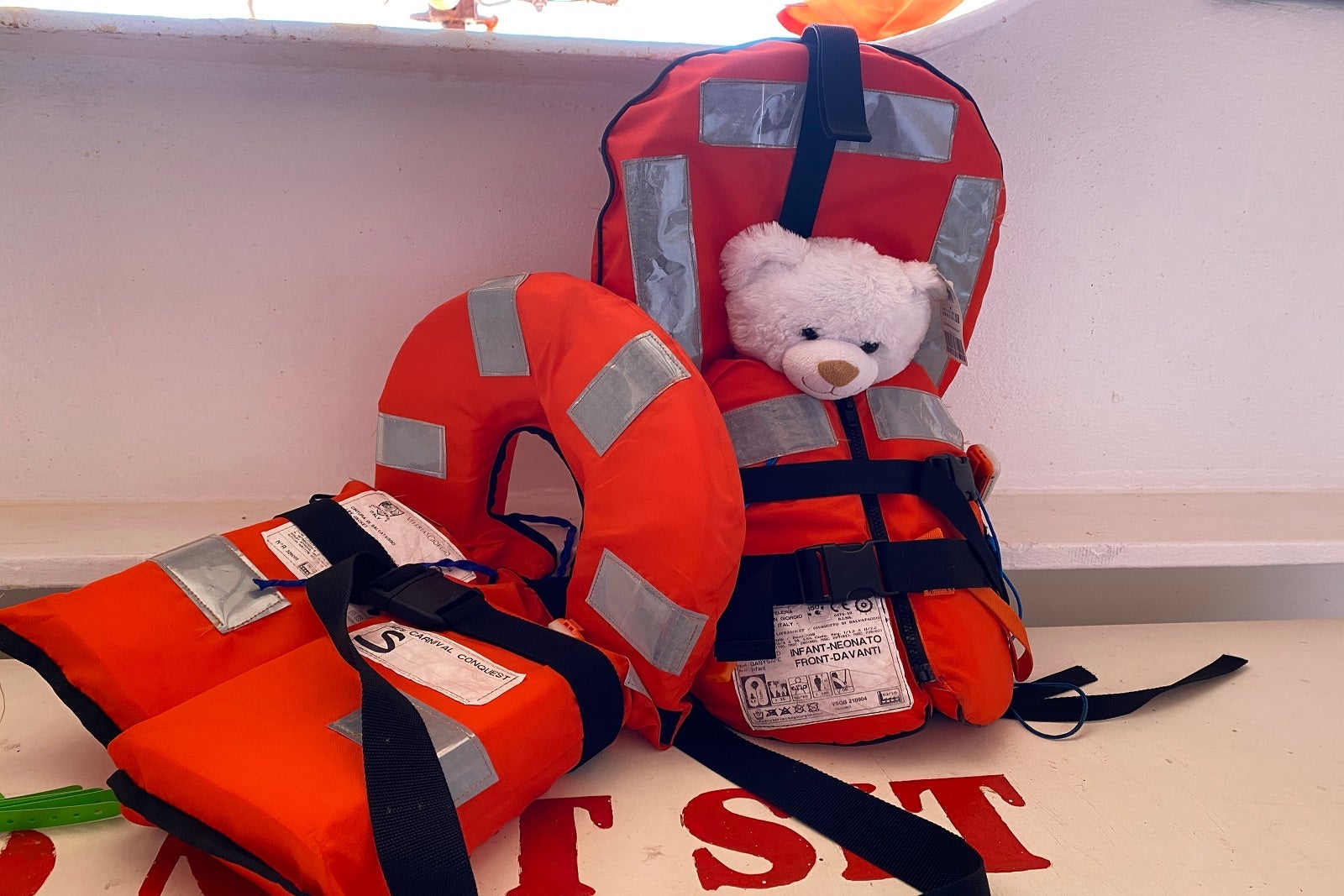
Additionally, ships are required to hold muster drills for all cruisers prior to the start of each voyage, even for passengers who have cruised before. During the drills, guests learn what to do and where to report in the event of an emergency. They also learn what the emergency signal sounds like and how to put on a life jacket. (Ships must also carry enough life jackets for everyone, including specially designed ones for children and pets.)
Do cruise ships have doctors?
Yes, all big mainstream oceangoing cruise ships have trained medical staff on board, usually a combination of doctors and nurses. Many cruise lines increased the number of medical professionals on their ships following the onset of COVID-19.
Cruise ship medical centers are equipped to perform basic stabilization in the event of accidents, illness and other emergencies. They are not full hospitals, though, which means beds are limited, and they lack more complex treatment capabilities. They are designed to keep passengers stabilized and comfortable until they can be sent to a nearby land-based hospital.
They can, however, treat things like seasickness, cuts and bruises and other minor ailments without the need to offload passengers. They are also now equipped to conduct COVID-19 testing and isolation, and ventilators are on hand in the event that any serious cases arise.
Note that because they are never far from land-based medical care, most river cruise vessels do not have onboard medical staff. Additionally, medical care can be expensive on cruise ships that do offer it. It's generally not covered by regular health insurance, so always purchase a travel insurance policy.
Bottom line
So, are cruises dangerous? The answer is, generally, no. They're safe if you follow the same common-sense practices you'd use anywhere else. It's easy to let your guard down when you're having a great time on vacation, but remember: Cruise ships are like floating cities, which means they aren't immune to potential dangers.
Cruise ship safety is the responsibility of both the cruise line and individual passengers. Make sure to exercise an appropriate level of vigilance by protecting your valuables, refraining from inviting strangers to your cabin or giving out too much personal information, paying attention to muster drills, frequently washing your hands, keeping an eye on your children, staying out of restricted areas and knowing your limits when it comes to alcohol consumption.
Have more cruise questions? TPG has answers:
- Packing for a cruise? These items aren't allowed on board
- Man overboard: Cruise ship overboards and how they happen
- What is baked Alaska, and why is it paraded around cruise ships?
- What are the largest cruise ships in the world?
- Gentlemen hosts: These men cruise to make sure single ladies have a great time
- What is the Jones Act and how does it impact cruise ships?
- What is a lido deck on a cruise ship?
- What's a cruise cabin guarantee and will it save you money?
- What's the difference between a cruise ship concierge and a butler?
TPG featured card

at Capital One's secure site
Terms & restrictions apply. See rates & fees.
| 5X miles | Earn 5X miles on hotels, vacation rentals and rental cars booked through Capital One Travel |
| 2X miles | Earn unlimited 2X miles on every purchase, every day |
Pros
- Stellar welcome offer of 75,000 miles after spending $4,000 on purchases in the first three months from account opening. Plus, a $250 Capital One Travel credit to use in your first cardholder year upon account opening.
- You'll earn 2 miles per dollar on every purchase, which means you won't have to worry about memorizing bonus categories
- Rewards are versatile and can be redeemed for a statement credit or transferred to Capital One’s transfer partners
Cons
- Highest bonus-earning categories only on travel booked via Capital One Travel
- LIMITED-TIME OFFER: Enjoy $250 to use on Capital One Travel in your first cardholder year, plus earn 75,000 bonus miles once you spend $4,000 on purchases within the first 3 months from account opening - that’s equal to $1,000 in travel
- Earn unlimited 2X miles on every purchase, every day
- Earn 5X miles on hotels, vacation rentals and rental cars booked through Capital One Travel
- Miles won't expire for the life of the account and there's no limit to how many you can earn
- Receive up to a $120 credit for Global Entry or TSA PreCheck®
- Use your miles to get reimbursed for any travel purchase—or redeem by booking a trip through Capital One Travel
- Enjoy a $50 experience credit and other premium benefits with every hotel and vacation rental booked from the Lifestyle Collection
- Transfer your miles to your choice of 15+ travel loyalty programs
- Top rated mobile app