The best first credit cards for beginners


Editor's Note
With a good beginner credit card, you can establish a credit history, earn rewards on your spending and enjoy valuable perks. Plus, if you love to travel like we do here at TPG, you can use your credit card to elevate your next trip.
Maybe you've decided to break up with your debit card — which typically won't earn rewards on your spending — or maybe you're a first-timer seeking to build credit as you plan for the future.
Whether you're interested in earning cash-back rewards, points, miles — or a combination of all three — we have you covered with our selection of the best first credit cards. We evaluated the best first credit cards based on reward earning rates, perks and benefits associated with each card, and the overall value each card delivers to you.
The best first credit cards for beginners
| Card | Best for | Earning rates | Annual fee |
|---|---|---|---|
Simple cash back |
| $0 | |
Dining and entertainment |
| $0 | |
Flexible cash rewards |
| $0 | |
Travel rewards |
| $95 | |
Everyday purchases |
| $0 | |
Cash-back rewards |
| $0 |
*The information for the Discover it Cash Back has been collected independently by The Points Guy. The card details on this page have not been reviewed or provided by the card issuer.
Capital One Quicksilver Cash Rewards Credit Card
Welcome offer: Earn a one-time $200 cash bonus after spending $500 on purchases in the first three months from account opening.
Annual fee: $0
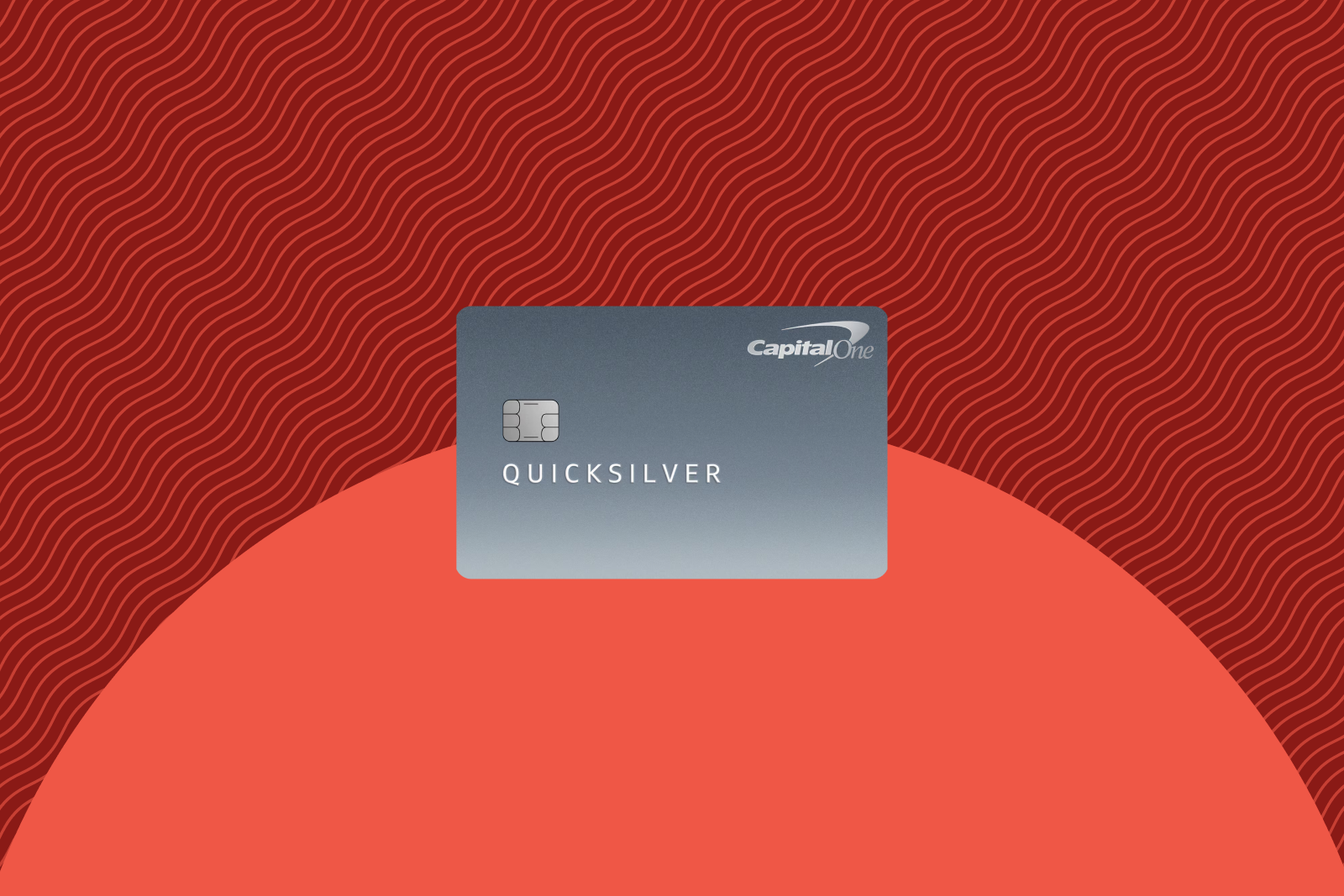
Why it's great for beginners: If you're new to credit cards, it doesn't get much easier than this no-annual-fee card that earns a flat 1.5% cash back on every purchase with no limits.
You won't have to worry about memorizing bonus categories or managing Capital One miles if you opt to earn simple cash back with the Capital One Quicksilver Cash Rewards Credit Card, meaning you'll earn a consistent return on every purchase without shuffling around multiple cards or activating quarterly categories.
But if you add a card that earns Capital One miles later, you can potentially convert the cash back into transferable travel currency that can be used with one of Capital One's 15-plus transfer partners.

To learn more, read our full review of the Capital One Quicksilver.
Learn more: Capital One Quicksilver Cash Rewards Credit Card
Capital One Savor Cash Rewards Credit Card
Welcome offer: Earn a one-time $200 cash bonus after spending $500 on purchases in the first three months from account opening.
Annual fee: $0
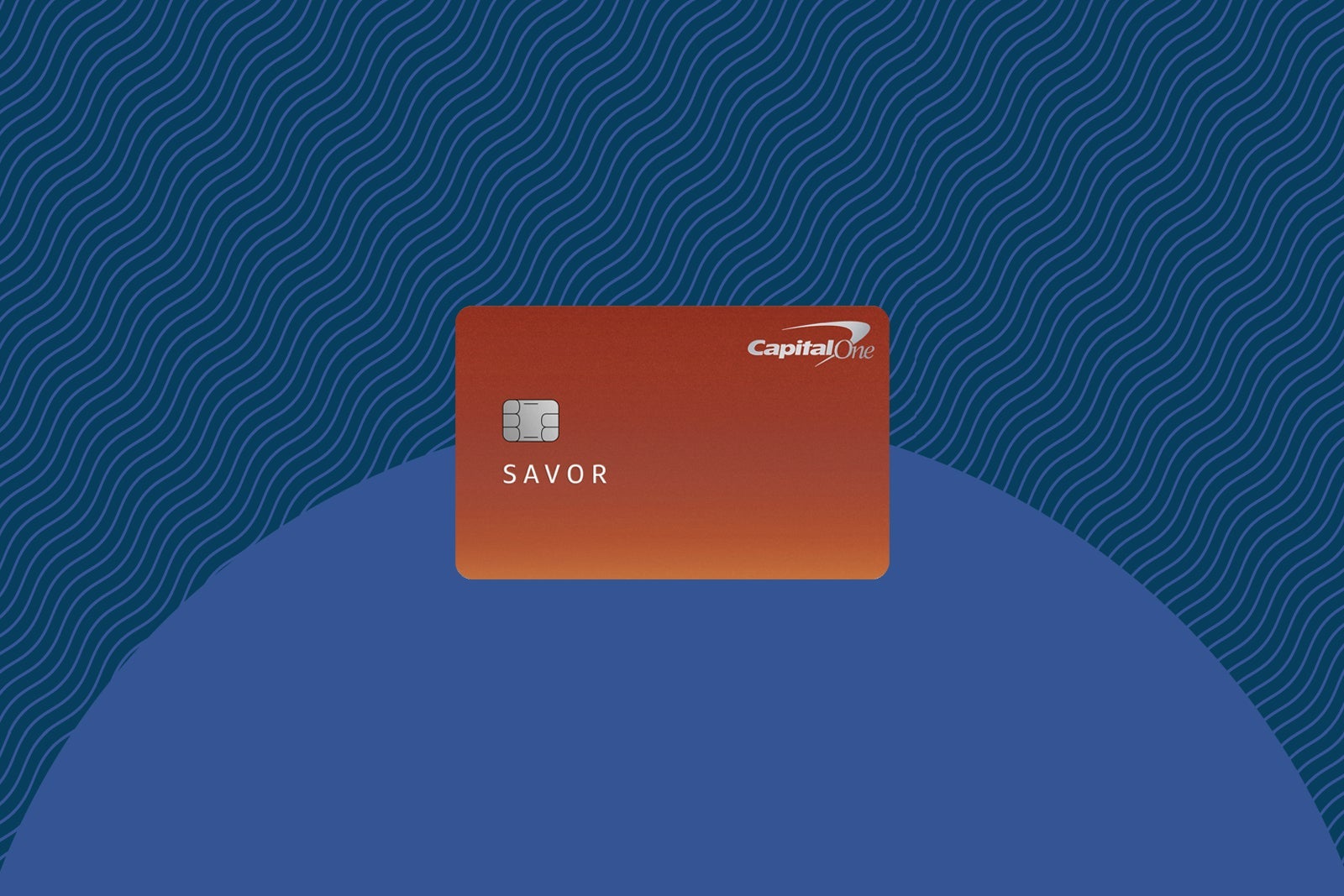
Why it's great for beginners: For beginners who spend money on food and entertainment, there are few better ways to earn bonus cash back than with the no-annual-fee Capital One Savor Cash Rewards Credit Card.
First-timers can unlock bonus cash back in popular spending categories without paying an annual fee, making it a strong candidate for anyone looking to dive into credit card rewards.
To learn more, read our full review of the Capital One Savor.
Learn more: Capital One Savor Cash Rewards Credit Card
Chase Freedom Unlimited
Welcome offer: Earn a $250 bonus after spending $500 on purchases within the first three months from account opening.
Annual fee: $0
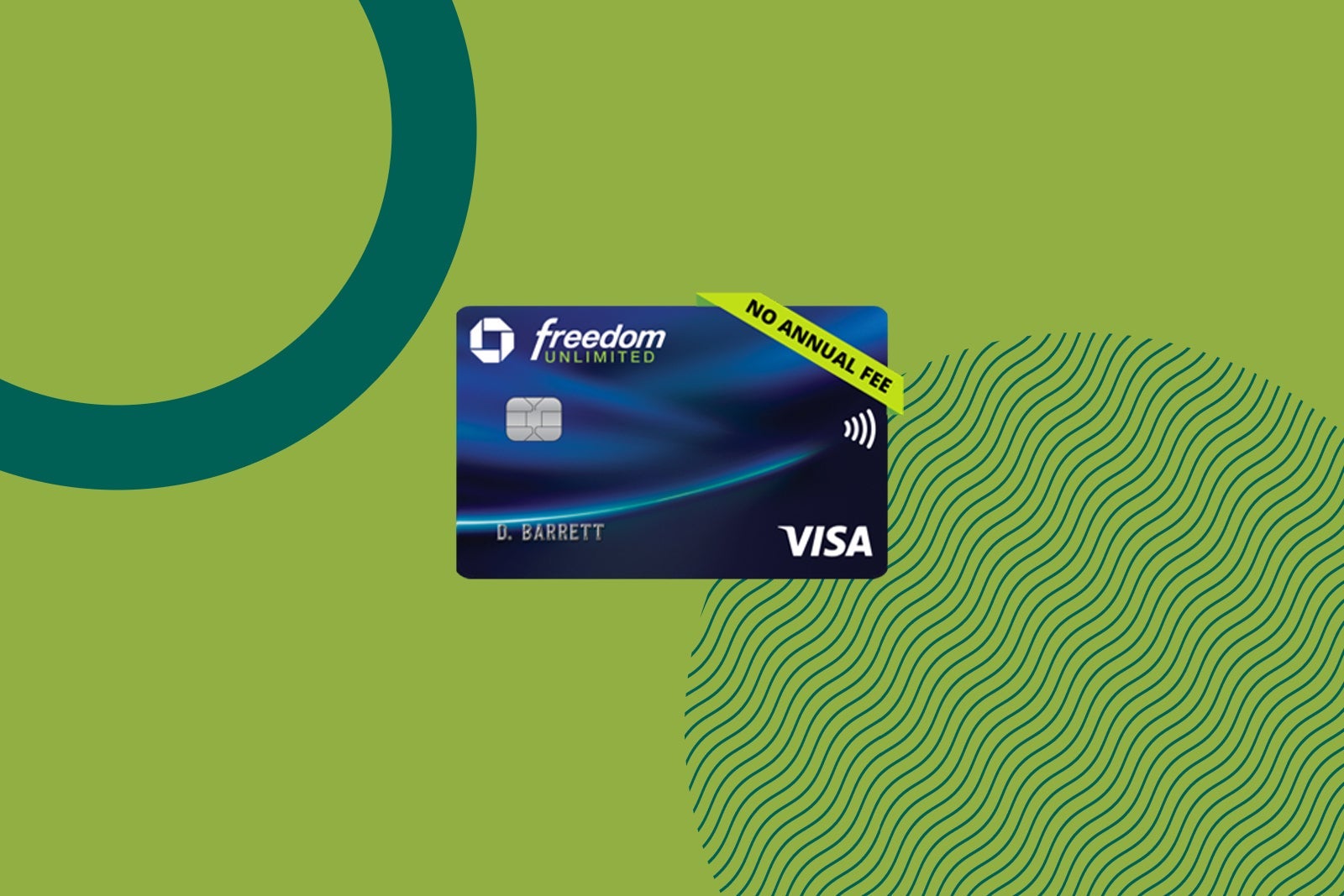
Why it's great for beginners: Cash-back rewards are a solid starting point for beginners, and the Chase Freedom Unlimited earns at elevated rates across multiple common bonus categories to help you maximize earnings on the dollars you spend.
The cash back you'll earn can be used as a statement credit or deposited directly into most U.S. checking and savings accounts at 1 cent per point.
You can also redeem cash back for gift cards or use them to book travel through Chase Travel for the same value. While you can also use cash-back rewards at Amazon, you'll get a lower value going this route.
With the Chase Freedom Unlimited, you can set yourself up for a greater Chase credit card strategy. In the future, you could pair this card with another card that earns premium Chase Ultimate Rewards points (such as the Chase Sapphire Preferred) and convert your cash-back rewards into transferable points.
To learn more, read our full review of the Chase Freedom Unlimited.
Apply here: Chase Freedom Unlimited
Chase Sapphire Preferred Card
Welcome offer: Earn 75,000 bonus points after you spend $5,000 on purchases in the first three months from account opening.
Annual fee: $95

Why it's great for beginners: The Chase Ultimate Rewards points you'll earn with this card are valuable when used for travel, whether you're redeeming to purchase a flight, book a hotel or rent a car through Chase Travel (at a rate of up to 1.5 cents per point, depending on the specific redemption; see your rewards program agreement for full details), or transferring to one of Chase's airline and hotel partners for maximum value.
While some points-earning travel cards can carry high annual fees, the Chase Sapphire Preferred Card's $95 annual fee is a modest entry point for those starting off with credit cards. It's ideal for frequent or casual travelers looking to earn valuable rewards.
To learn more, read our full review of the Chase Sapphire Preferred Card.
Apply here: Chase Sapphire Preferred Card
Citi Double Cash
Welcome offer: Earn $200 cash back after you spend $1,500 in the first six months from account opening. (This bonus offer will be fulfilled as 20,000 Citi ThankYou Rewards points, which can be redeemed for $200 cash back.)
Annual fee: $0
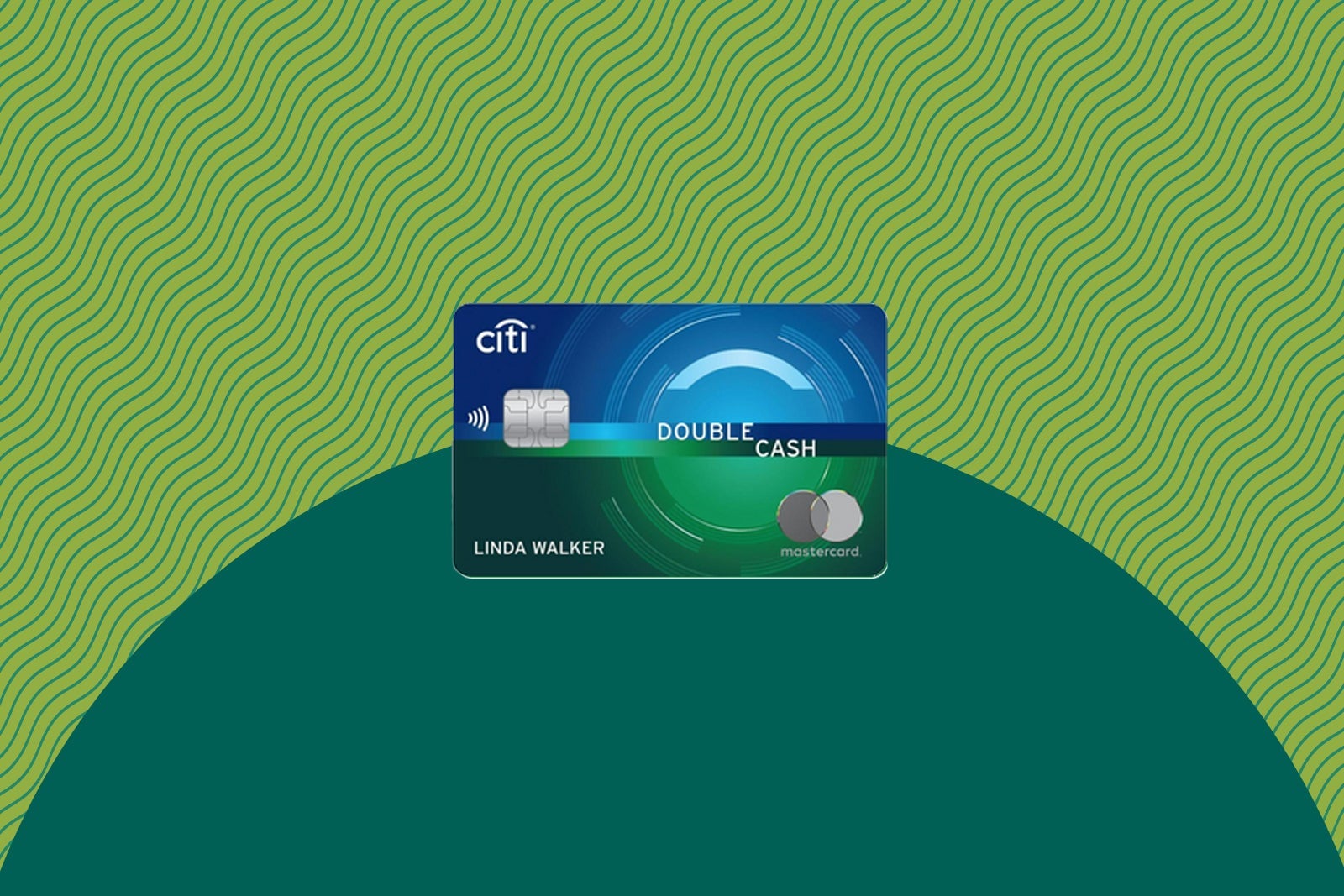
Why it's great for beginners: This is an easy option for those unfamiliar with credit card rewards. All you have to do to earn 2% cash back on all your purchases is swipe the Citi Double Cash Card and pay your statement balance.
You won't have to memorize bonus categories or be concerned about activating rotating categories. Instead, you'll know you're getting 2% cash back on every purchase. Plus, cash-back rewards are easy to redeem if you're a true newcomer.
To learn more, read our full review of the Citi Double Cash.
Apply here: Citi Double Cash
Discover it Cash Back
Welcome offer: Discover will automatically match all the cash back you earn on the card after your first card anniversary year, effectively doubling your rewards for the first year of card membership.
Annual fee: $0

Why it's great for beginners: This card is a good option for beginners as they think about their spending habits to maximize bonus categories. The important factor here is not to forget to activate the Discover it Cash Back's rotating quarterly categories.
However, if you maximize the card's bonus categories each quarter and use it for all your spending in the first year, you could earn some serious cash-back rewards — all while learning about your spending strategy and activating bonus categories.
To learn more, read our full review of the Discover it Cash Back.
How to choose your first credit card
There's no one-size-fits-all answer to the best first credit card. However, there are a couple of questions to ask yourself that could help narrow down the perfect beginner credit card for you:
- Are you willing to pay an annual fee?
- How do you spend your money most often?
- What type of rewards are you looking to earn — points, miles or cash back?
- Will you be able to earn the welcome bonus for a new card?
As a personal example, I was previously an authorized user on my parents' Disney® Visa® Card (see rates and fees). After a few years, I was ready to find my own card with simple rewards and a 0% introductory annual percentage rate period.
What you value is all up to your personal preferences, and weighing all these factors will help you select the right starter credit card for your financial strategy.
Related: The complete guide to credit card annual fees
Credit cards for limited credit history
It's worth noting that if you are starting out with limited (or no) credit history, you may want to start simpler than what we've included in this list. In this case, consider a secured credit card. Secured cards are good options for those who don't have a credit history or are working to rebuild it.

Secured credit cards are easier to be approved for and require a security deposit that becomes your credit limit. With responsible use of a secured credit card, you can establish good credit history and become eligible for cards that earn more rewards — such as the cards on this list.
Some of our picks for a best first credit card also have a secured version, such as the Capital One Quicksilver Secured Cash Rewards Credit Card and the Discover it® Secured Credit Card.
The information for the Discover it Secured Card has been collected independently by The Points Guy. The card details on this page have not been reviewed or provided by the card issuer.
Related: What is a secured credit card?
Bottom line
Choosing your first credit card is a big decision. It's most important to pick a card that suits your spending habits, lifestyle and budget, as there's no one perfect credit card for all beginners.
Once you've applied for your first credit card, you're ready to start enjoying rewards and perks to set your financial future in motion.
Related: 7 things to understand about credit before applying for a new card
TPG featured card

at Capital One's secure site
Terms & restrictions apply. See rates & fees.
| 5X miles | Earn 5X miles on hotels, vacation rentals and rental cars booked through Capital One Travel |
| 2X miles | Earn unlimited 2X miles on every purchase, every day |
Pros
- Stellar welcome offer of 75,000 miles after spending $4,000 on purchases in the first three months from account opening. Plus, a $250 Capital One Travel credit to use in your first cardholder year upon account opening.
- You'll earn 2 miles per dollar on every purchase, which means you won't have to worry about memorizing bonus categories
- Rewards are versatile and can be redeemed for a statement credit or transferred to Capital One’s transfer partners
Cons
- Highest bonus-earning categories only on travel booked via Capital One Travel
- LIMITED-TIME OFFER: Enjoy $250 to use on Capital One Travel in your first cardholder year, plus earn 75,000 bonus miles once you spend $4,000 on purchases within the first 3 months from account opening - that’s equal to $1,000 in travel
- Earn unlimited 2X miles on every purchase, every day
- Earn 5X miles on hotels, vacation rentals and rental cars booked through Capital One Travel
- Miles won't expire for the life of the account and there's no limit to how many you can earn
- Receive up to a $120 credit for Global Entry or TSA PreCheck®
- Use your miles to get reimbursed for any travel purchase—or redeem by booking a trip through Capital One Travel
- Enjoy a $50 experience credit and other premium benefits with every hotel and vacation rental booked from the Lifestyle Collection
- Transfer your miles to your choice of 15+ travel loyalty programs
- Top rated mobile app