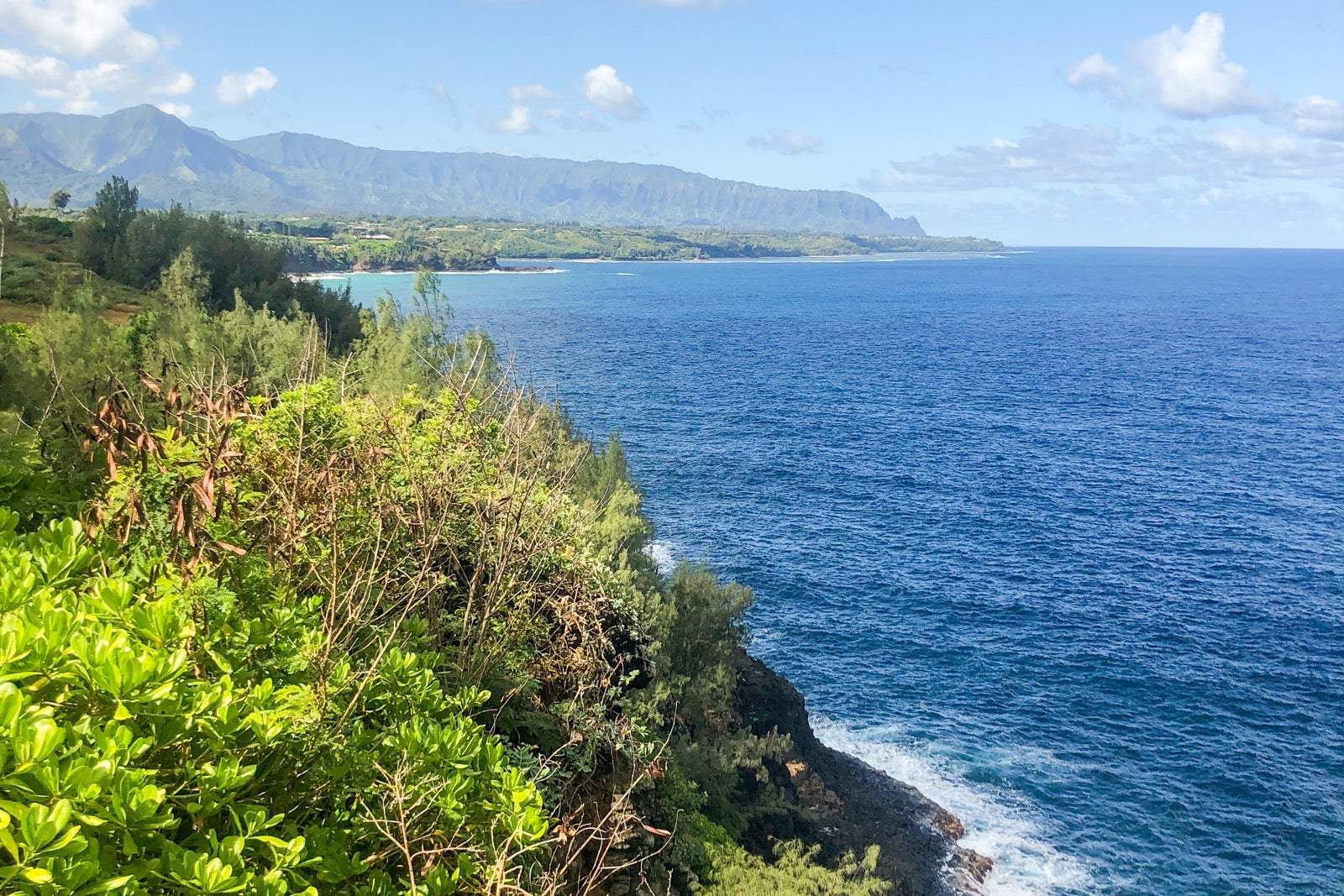
Voluntourism is a form of travel that combines tourism with structured volunteer work, allowing travelers to contribute to a community, ecosystem, or cause during their trip. Programs range from a single-afternoon conservation cleanup to a multi-week humanitarian placement in education, healthcare, or disaster relief. According to Grand View Research, the global voluntourism market was valued at $848.9 million in 2023 and is projected to reach $1.27 billion by 2030, growing at roughly 6% annually.
TL;DR / Key takeaways
- What it is: Voluntourism blends travel and volunteer work; programs cover community development, conservation, teaching, healthcare and humanitarian aid.
- Market growth: The global market is growing at roughly 6% annually, driven largely by travelers aged 18 to 34.
- Short-term options exist: Hotel-run programs, including Malama Hawaii, let you give back without dedicating an entire trip to volunteering.
- Vetting matters: Choosing a community-led, well-vetted program is the most important step; poorly designed programs can displace local workers or harm the people they intend to help.
- Use your rewards: Award flights and points-backed hotel bookings can reduce the cost of getting there, freeing up more of your budget for the program itself.
Types of voluntourism programs
Voluntourism spans a wide range of activities, commitment levels and destinations. Understanding the categories helps you find a program that fits both your schedule and your skill set.
The four main types are:
- Community development: Building schools, housing or local infrastructure. This is the largest segment, capturing over 36% of the market in 2023 per Grand View Research.
- Environmental conservation: Wildlife monitoring, habitat restoration, beach and reef cleanups, and reforestation. Voluntourism trips in Costa Rica, for example, often pair ecolodge stays with work along key biological corridors.
- Humanitarian aid: Disaster relief, medical support and poverty alleviation programs in communities facing acute need.
- Cultural exchange: Teaching English, supporting local arts organizations or working alongside artisan communities.
Commitment length varies as much as project type. Some hotel-based programs, such as Malama Hawaii, offer guests discounts or complimentary nights in exchange for a single day of volunteer work, from native planting to ocean cleanups. Structured NGO placements typically ask for a commitment of several weeks to months. As TPG’s 2026 Travel Trends Report notes, voluntourism is increasingly framed as part of the broader regenerative travel movement: the idea that travelers should leave a destination better than they found it.
| Type | Typical duration | Examples |
|---|---|---|
| Conservation cleanup | Hours to 1 day | Hawaii reef restoration, Costa Rica wildlife monitoring |
| Hotel-based program | 1 day | Malama Hawaii, Ritz-Carlton Community Footprints |
| Community development | 2 to 8 weeks | Habitat for Humanity Global Village |
| Humanitarian / medical | 1 to 6 months | Disaster relief, healthcare placements |
How to choose a voluntourism program and avoid common pitfalls
Not all voluntourism programs deliver on their promises. The line between genuine impact and well-intentioned but harmful tourism is real, and doing your research beforehand matters. TPG’s voluntourism planning guide puts it plainly: your efforts should address the genuine needs of a community or ecosystem, not just make for a compelling travel story.
Before booking, work through these vetting questions:
- Is the program community-led? The host organization should have roots in the destination and a clear record of local partnerships, not just a travel operator selling a “volunteer experience.”
- Are your skills a match? Conservation cleanups and basic construction often welcome unskilled volunteers. Healthcare, engineering or teaching roles typically require professional credentials.
- Is there transparency on impact? Reputable organizations publish metrics: homes built, acres restored, students served. Request this before committing.
- What does the fee cover? The average cost for a one-month volunteer program ranges from $2,000 to $5,000, covering accommodation, meals and a donation to the hosting project (per a 2024 UNWTO estimate). Understand exactly where your money goes.
Does the program work with children? This is one of the highest-risk categories. Research organizations with rigorous safeguarding policies and consult resources like ChildSafe traveler tips before proceeding.
How to fund a voluntourism trip with points and miles
One of the most practical ways to make a voluntourism trip more accessible is to use your existing travel rewards to cover airfare and accommodation. That way, more of your cash budget goes toward the program itself rather than logistics.
A few ways to approach it:
- Book award flights to common voluntourism destinations. Central America, Southeast Asia, and Hawaii are among the most popular regions. Redemption rates can vary but using an award search tool like Google Flights or Seats.aero can help you narrow your search to find good award deals across several dates.
- Use points at program-adjacent hotels. If your program doesn’t include accommodation, booking nearby through a hotel loyalty program can cut costs significantly. Properties in regions like Costa Rica and Hawaii are bookable with World of Hyatt or Marriott Bonvoy points.
- Look for hotel programs that reward volunteering. Some programs may offer participating guests a complimentary night when they volunteer through one of the program’s partner organizations, directly linking travel rewards to giving back.
- Consider premium card travel credits. Some premium travel cards offer annual travel credits that can offset flights or hotel stays for a voluntourism trip.
Travelers increasingly want to contribute to the destinations they visit, and the infrastructure to do so through mainstream loyalty programs is growing.