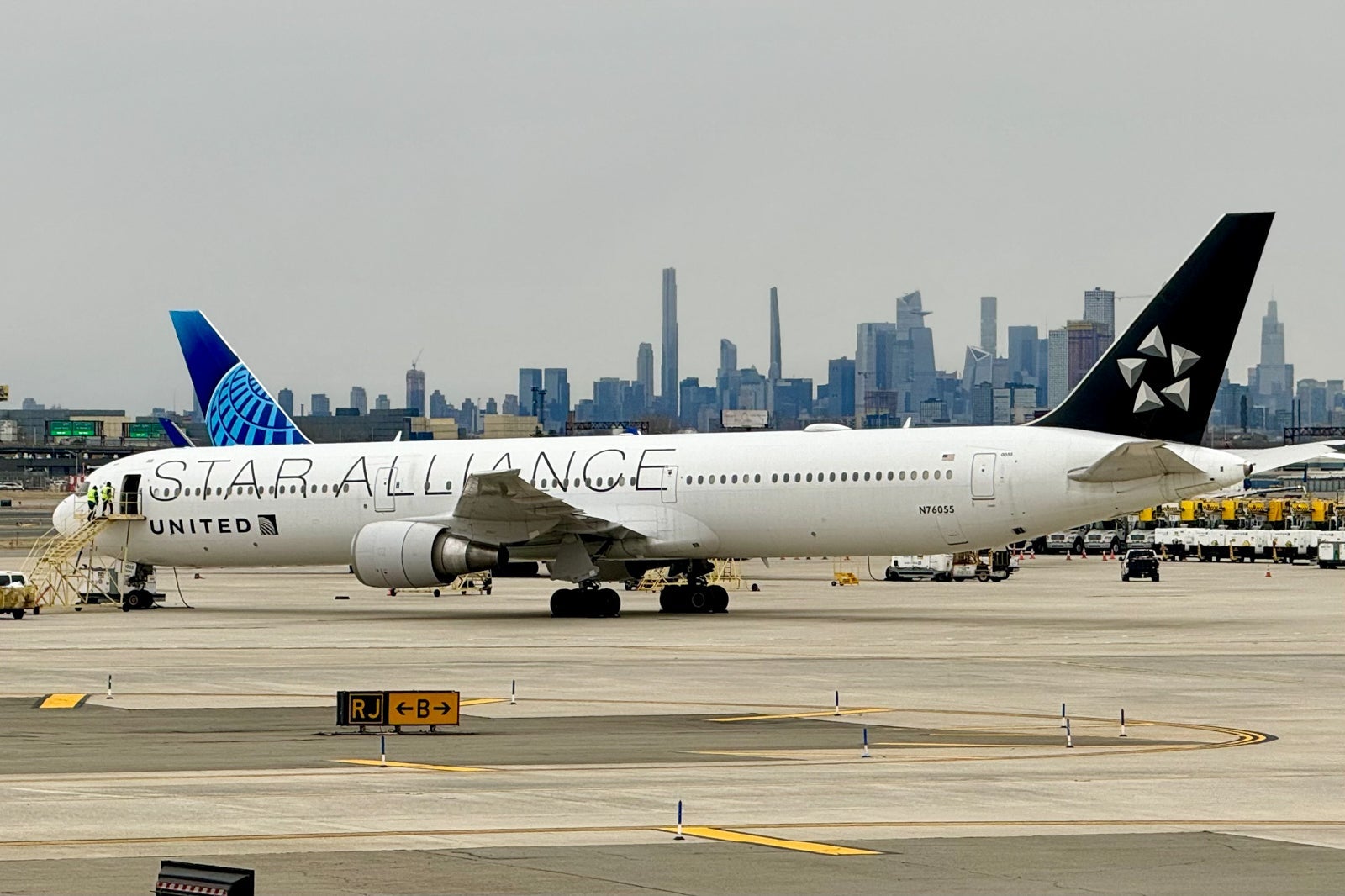
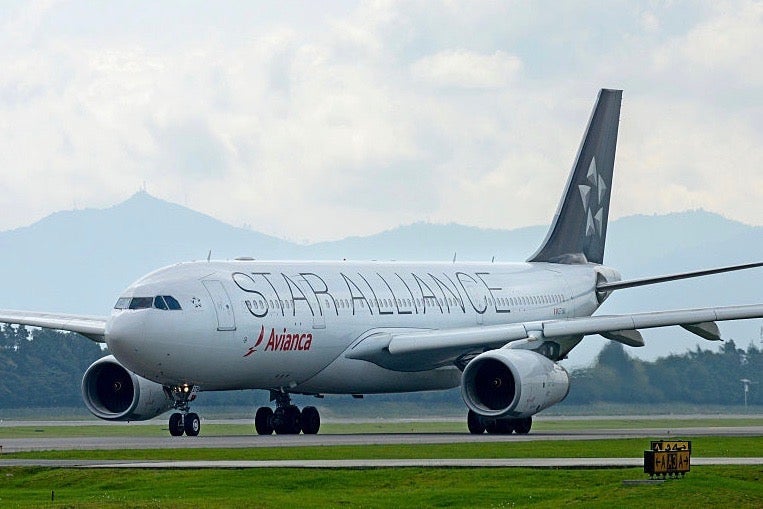
An airline alliance is a formal partnership among multiple airlines that allows them to coordinate schedules, share routes and airport facilities and recognize each other’s frequent flyer programs. The three major global alliances—Star Alliance, Oneworld and SkyTeam—collectively cover nearly every region on earth, giving travelers seamless connections and the ability to earn and redeem rewards across dozens of carriers. For points and miles enthusiasts, alliances are especially powerful because they unlock partner award redemptions. For example, you can book a seat on Singapore Airlines using United MileagePlus miles.
TL;DR / Key Takeaways
- What it is: A formal agreement among airlines to share routes, lounges, check-in desks and frequent flyer benefits.
- The big three: Star Alliance (United, Air Canada Lufthansa, Singapore Airlines and more), Oneworld (American, Alaska Airlines, British Airways, Cathay Pacific and more) and SkyTeam (Delta, Air France-KLM, Korean Air and more).
- Best use for points: Book flights on partner airlines through your own program to get a better price than the operating airline charges — or simply to spend points you’ve already banked, like using Alaska Atmos Rewards points for an American Airlines flight.
- Elite status perk: Status you earn with one alliance member maps to an alliance-wide tier that partner airlines recognize — but each tier unlocks a different set of benefits, with perks like lounge access reserved for the higher tiers.
- Rule of thumb: The best program to build points in depends on where you want to redeem and which awards offer the most value — not just which alliance flies most from your home airport.
How airline alliances work
Alliances are essentially treaties among independently operated airlines. Member carriers agree to “interline” on the same ticket, meaning you can fly Air Canada from Toronto, connect to Lufthansa in Frankfurt and continue on ANA to Tokyo—all booked on one reservation at a single price. Behind the scenes, the airlines coordinate departure times, gate assignments and baggage transfers to make those connections smooth.
Frequent flyer recognition is the feature most travelers notice first. When you hold Gold status with United MileagePlus (Star Alliance), you may receive similar benefits on partner airlines with this status, such as priority check-in, extra baggage allowance, and more — on other Star Alliance carriers worldwide. There are multiple airlines that could be triggered by a single status level.
Star Alliance vs. Oneworld vs. SkyTeam: which is best for you?
Choosing the right alliance to “live in” depends on your home airport, your preferred cabin and the partners available in the currencies you already hold. Here’s a quick snapshot of each alliance’s strengths:
| Alliance | Key Members | Member Airlines | Best For |
|---|---|---|---|
| Star Alliance | United, Lufthansa, Singapore Airlines, ANA, Air Canada | 26 | Asia–Pacific luxury cabins (ANA, Singapore Airlines); European network depth |
| Oneworld | American, Alaska Airlines, British Airways, Cathay Pacific, Qantas | 16 | Premium cabin aspirations; Middle East connections via Qatar |
| SkyTeam | Delta, Air France–KLM, Korean Air, Virgin Atlantic | 18 | Transatlantic routes; Korean Air first-class sweet spots |
No alliance is universally superior. Oneworld has fewer members but some of the best premium cabin products — Qatar Qsuites and Cathay Pacific Residence among them. Star Alliance wins on sheer network breadth. SkyTeam offers strong transatlantic coverage and Korean Air first-class, which TPG considers a top-tier redemption.
How to redeem alliance miles for maximum value
The most valuable use of airline miles for most travelers is a partner award: booking a seat on Carrier B using the points or miles from Carrier A’s loyalty program. Alliances make this possible because member airlines file their award inventory with each other, though availability and pricing vary by partner and route.
Here’s a step-by-step approach to finding and booking partner awards:
- Identify your target route and cabin (e.g., business class from New York to Tokyo).
- Check award availability directly on the operating carrier’s website to confirm open seats.
- Log into your preferred mileage program and search the same route to see if there is availability.
- Compare cents-per-point (CPP) across programs: The same flight often costs different amounts across programs — compare against TPG’s points valuations to find redemptions that beat a currency’s average value.
- Book directly through your chosen program’s website or call the partner’s award desk to help book complex itineraries.