Why I finally got a credit card after avoiding them for years


For most of my 20s, I swore off credit cards. I used my debit card for everything and thought I was being smart. Credit cards seemed risky: What if I missed a payment? What if I got stuck with sky-high interest? What if I picked the wrong card and regretted it forever?
It felt safer to stick to what I knew. With a debit card, I could clearly see the money leaving my account — no surprises and no scary bills at the end of the month. I eventually realized I was missing out.
If you've been avoiding credit cards for the same reasons, here's what changed my mind, how I chose my first card and what I've learned since then.
Related: The best first credit cards for beginners
Why I avoided credit cards
Like many people, I associated credit cards with debt. I had heard horror stories of high interest rates, defaulting on payments and snowballing balances. My biggest worries boiled down to three things: paying endless interest due to high annual percentage rates, feeling tied down to a card once I chose one and spending money I didn't actually have.
Related: Does APR matter if you pay your balance on time?

Though these fears weren't completely unfounded, they were also holding me back. By avoiding credit cards altogether, I missed out on building credit and using financial tools that could actually work in my favor.
What changed my mind about credit cards
Once I started digging deeper, I realized credit cards aren't traps if you use them responsibly. Instead, they can be powerful financial tools. Managed well, credit cards are actually one of the most valuable tools of your financial life.
For starters, fraud protection is far stronger than with a debit card. If your credit card is compromised, you can dispute the charge before money ever leaves your account. Then there's credit history: Without it, you'll struggle to get approved for a car loan, mortgage or even an apartment lease. Using a card responsibly is one of the easiest ways to start building that track record.

Related: How (and when) to dispute a credit card charge

And the benefits don't stop there. Credit cards offer rewards that debit cards simply can't match — from cash back and travel points to welcome bonuses that can cover a flight right out of the gate.
Many cards also include purchase protection, extended warranties, trip delay coverage and even rental car insurance. Using credit wisely can save you money.
The biggest mindset shift for me was realizing that interest doesn't matter if you never carry a balance. By setting up automatic payments and only spending what I already have in my checking account, I use my card like a debit card with extra perks.
Suddenly, the "trap" I was afraid of became a safety net — and a stepping stone toward better financial products down the road.
How I chose my first credit card
When I was ready for my first card, I wanted something versatile, beginner-friendly and rewarding. I chose the Chase Sapphire Preferred® Card (see rates and fees) because it has a reasonable $95 annual fee, strong travel protections, and points that can be redeemed for travel or cash back.

For anyone picking their first card, the key is matching it to your goals: a cash-back card with no annual fee for simplicity, a travel rewards card if you want points, or a secured card if you're just building credit. Choosing the right card sets you up to maximize the value you get while establishing healthy credit habits.
Related: Credit cards 101: The beginners guide
Should you get a credit card?
Deciding whether it's time for your first credit card depends on your habits and goals. A card can be an incredibly useful tool, but only if you're ready to handle it responsibly. Here are a few questions to ask yourself:
- Can I pay my bills on time, every time?
- Do I trust myself not to overspend?
- What do I want to gain?
- Am I comfortable keeping track of due dates?
Related: Credit vs. debit cards: Which is the smarter choice?
Tips for your first card
If you're ready to apply for your first credit card, a few simple habits can set you up for success from day one.
- Treat it like a debit card: Only spend what you already have in your checking account, so you don't rack up a balance you can't pay off.
- Set up autopay: Schedule automatic payments for your full statement balance each month so you never miss a due date or pay interest.
- Start with a beginner-friendly rewards card: Look for one with a modest annual fee (or none at all) and a straightforward rewards structure that makes it easy to get value without feeling overwhelmed.
- Check your credit score first: Knowing where you stand can help you apply for a card you're more likely to qualify for, avoiding unnecessary hard pulls on your credit.
- Focus on building good habits: Paying on time, keeping your balance low and monitoring your statements all contribute to a healthy credit history.
Related: 5 mistakes to avoid when you get your first credit card
Bottom line
I spent years avoiding credit cards because I was afraid of what might go wrong. But once I learned how they actually work — and how much they can benefit me when used responsibly — I realized I'd been missing out.
Now, my card is one of the most valuable tools in my financial tool kit. And the best part? I still get the peace of mind I used to have with a debit card. Only now I'm also building credit, protecting my money and earning rewards along the way.
Related: How to apply for a credit card
TPG featured card
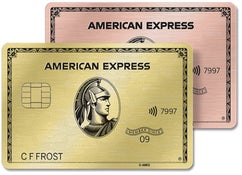
at American Express's secure site
Terms & restrictions apply. See rates & fees.
| 4X | Earn 4X Membership Rewards® points per dollar spent on purchases at restaurants worldwide, on up to $50,000 in purchases per calendar year, then 1X points for the rest of the year. |
| 4X | Earn 4X Membership Rewards® points per dollar spent at US supermarkets, on up to $25,000 in purchases per calendar year, then 1X points for the rest of the year. |
| 5X | Earn 5X Membership Rewards® points on prepaid hotel stays booked through AmexTravel.com or the Amex Travel App™. |
| 3X | Earn 3X Membership Rewards® points on flights booked through AmexTravel.com, the Amex Travel App™, or purchased directly from airlines. |
| 2X | Earn 2X Membership Rewards® points on prepaid car rentals booked through AmexTravel.com or the Amex Travel App™ and cruises booked and paid through AmexTravel.com. |
| 1X | Earn 1X Membership Rewards® point per dollar spent on all other eligible purchases. |
Pros
- Valuable dining and food-related credits
- Flexible rewards with airline and hotel transfer partners
- Multiple travel and purchase protections
- No foreign transaction fees
- Access to Amex Offers for additional savings (enrollment required)
Cons
- Not as useful for those living outside the U.S.
- Some may have trouble using Uber and other dining credits
- You may be eligible for as high as 100,000 Membership Rewards® Points after you spend $8,000 in eligible purchases on your new Card in your first 6 months of Card Membership. Welcome offers vary and you may not be eligible for an offer. Apply to know if you’re approved and find out your exact welcome offer amount – all with no credit score impact. If you’re approved and choose to accept the Card, your score may be impacted.
- Earn 4X Membership Rewards® points per dollar spent on purchases at restaurants worldwide, on up to $50,000 in purchases per calendar year, then 1X points for the rest of the year.
- Earn 4X Membership Rewards® points per dollar spent at US supermarkets, on up to $25,000 in purchases per calendar year, then 1X points for the rest of the year.
- Earn 5X Membership Rewards® points on prepaid hotel stays booked through AmexTravel.com or the Amex Travel App™.
- Earn 3X Membership Rewards® points on flights booked through AmexTravel.com, the Amex Travel App™, or purchased directly from airlines.
- Earn 2X Membership Rewards® points on prepaid car rentals booked through AmexTravel.com or the Amex Travel App™ and cruises booked and paid through AmexTravel.com.
- Earn 1X Membership Rewards® point per dollar spent on all other eligible purchases.
- Pay It® lets you tap in the American Express® App to quickly pay for small purchase amounts throughout the month and still earn rewards the way you usually do. Plan It® gives you the option to split up big purchases into equal monthly payments with a fixed fee. You’ll know upfront exactly how much you’ll pay.
- $120 Dining Credit: Earn up to a total of $10 in statement credits monthly when you pay with the Gold Card at Grubhub (including Seamless), Buffalo Wild Wings, Five Guys, The Cheesecake Factory, and Wonder. This can be an annual savings of up to $120. Enrollment required.
- $100 Resy Credit: Get up to $100 in statement credits each calendar year at over 10,000 qualifying U.S. Resy restaurants after you pay for eligible purchases with the American Express® Gold Card. That’s up to $50 in statement credits semi-annually. Enrollment required.
- $84 Dunkin' Credit: Earn up to $7 in monthly statement credits after you pay with the American Express® Gold Card at U.S. Dunkin’ locations. Enrollment required.
- $120 Uber Cash on Gold: Enjoy up to $120 in Uber Cash annually with your Gold Card. Just add your Card to your Uber account and you'll get $10 in Uber Cash each month to use on orders and rides in the U.S. when you select an Amex Card for your transaction.
- Enjoy complimentary Hertz Five Star® Status benefits like skipping the counter at select locations, adding an additional driver at no additional cost*, and vehicle upgrades**. Benefit enrollment and Hertz Gold+ registration are required. *Additional drivers must meet standard rental qualifications and must be a spouse or domestic partner to qualify as complimentary. Other additional drivers subject to fees. **Benefits are subject to availability and vary by location. Additional Hertz program Terms and Conditions including age restrictions apply.
- Book two nights or more with The Hotel Collection through AmexTravel.com or the Amex Travel App™ and receive a $100* credit towards eligible charges at over 1,400 upscale hotels worldwide. *Eligible charges vary by property.
- Book your travel through the Amex Travel App™ with added peace of mind – backed by American Express® service and support. Only for American Express® Card Members.
- Whenever you need us, we're here. Our Member Services team will ensure you are taken care of. From lost Card replacement to statement questions, we are available to help 24/7.
- No Foreign Transaction Fees.
- Annual Fee is $325.
- Terms Apply.