Michelle Lambright Black, Founder of CreditWriter.com and HerCreditMatters.com, is a leading credit expert with over a decade and a half of experience in the credit industry. She’s an expert on credit reporting and scoring, credit cards, identity theft, budgeting and debt eradication. Michelle is also an experienced personal finance and travel writer. You can connect with Michelle on Twitter (@MichelleLBlack) and Instagram (@CreditWriter).
Emily Thompson specializes in beginner content as a credit cards editor. She taps into her prior experience as a high school English teacher to help others demystify credit scores and unlock experiences that credit card rewards can make possible.
also contributed to this story
August 26, 2024 • 7 min read
The cards we feature here are from partners who compensate us when you are approved through our site, and this may impact how or where these products appear. We don't cover all available credit cards, but our analysis, reviews, and opinions are entirely from our editorial team. Terms apply to the offers listed on this page. Please view our advertising policy and product review methodology for more information.Editorial disclaimer: Opinions expressed here are the author's alone, not those of any bank, credit card issuer, airline or hotel chain, and have not been reviewed, approved or otherwise endorsed by any of these entities.
Comments
By commenting, you agree to our Community Guidelines to help create a positive space for conversation. The responses below are not provided or commissioned by the bank advertiser, our partners, or The Points Guy (“TPG”). They have not been reviewed, approved, or otherwise endorsed by any of these parties. All responses are submitted by individual contributors, and neither the bank advertiser, our partners, nor TPG are responsible for ensuring that all posts and/or questions are answered.
Related stories
Quick summary
Credit cards and debit cards may look similar but function differently, with credit cards offering a revolving line of credit and debit cards drawing directly from your bank account.
Credit cards provide stronger fraud protection, limiting your liability and often resolving disputes more favorably than debit cards.
Using credit cards responsibly can help you build a positive credit history, while debit cards do not impact your credit profile.
Credit cards often include added benefits such as purchase protection, extended warranties and rewards, which are rarely available with debit cards.
What to consider
Fraud liability is lower with credit cards if unauthorized charges are reported promptly, while debit card users may face higher liability and delayed access to funds during investigations.
Credit cards can help improve your credit score if managed wisely, but carrying a balance can lead to high interest charges.
Not all credit cards provide the same level of benefits, so it's important to review specific card features before choosing one.
What you'll miss from the article
A detailed explanation of the legal protections, dispute processes and practical tips for maximizing the advantages of credit cards over debit cards.
Generated by AI with support from our editorial team.
Update: Some offers mentioned below are no longer available. View the current offers here.
On the outside, credit cards and debit cards look very similar: Both have 15-16 digits, expiration dates and security codes.
In reality, credit cards and debit cards are not the same, and there’s often debate in the financial world over which type of plastic is best for the consumer. Some financial pros are firmly in the pro-debit card (or cash) camp. Here at TPG, we believe that credit cards are a much better choice for your spending.
We’ll explain how debit and credit cards work and give three reasons why we think it’s better to put your debit card away and pay with a credit card instead.
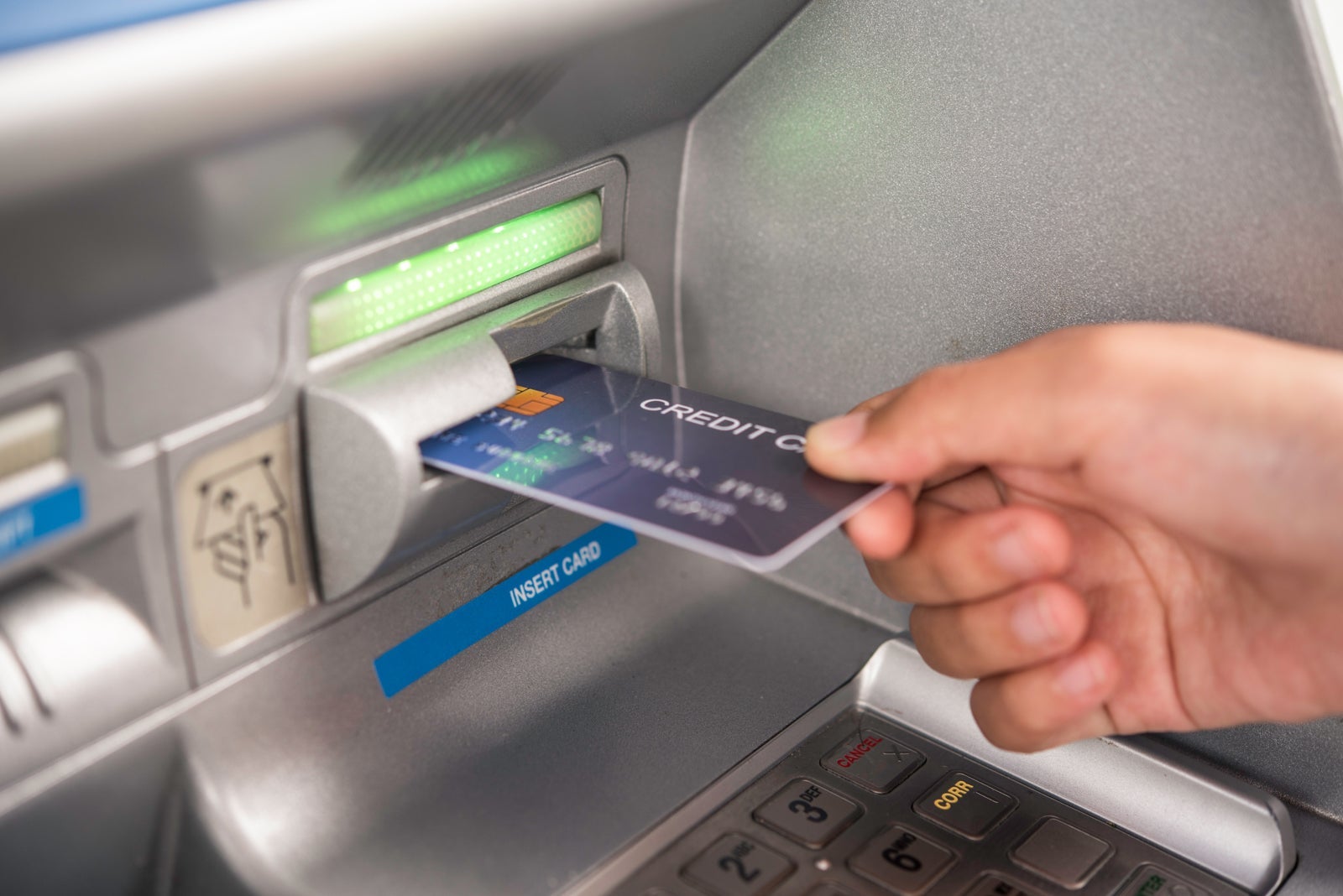
Debit cards are tied to your bank accounts. When you use your debit card to make a charge, the funds are withdrawn right away (or within a few days) from your account. If you try to use your debit card for a purchase that costs more money than you have deposited, your bank will generally decline the transaction.
Your credit card, on the other hand, works like a portable, flexible loan. You can borrow money (up to your credit limit), pay it off and borrow again. You can repeat this process repeatedly as long as your account is open and in good standing.
As you use your credit card through a billing cycle, your charges tally up on your monthly statement. It’s up to you whether to pay off the entire balance by the due date (strongly recommended) or to make at least the minimum payment toward the amount you owe.
PHETMUANGTONG/EYEEM/GETTY IMAGES
Some people avoid credit cards due to the fear of getting into serious financial trouble with debt. This is a valid concern since credit card interest rates are generally high and can add up quickly. You should certainly work to avoid credit card debt, but you can still reap credit cards’ many rewards by practicing responsible credit card use.
If we put points and miles aside for a moment — just for a moment — the best perk that comes from credit cards is the protection they offer.
First, those pieces of plastic (or metal) protect you from liability for fraudulent transactions. If you lose a credit card or it’s stolen and someone else starts charging on it, the federal government has your back.
The Fair Credit Billing Act limits your liability for fraudulent transactions on your credit card to just $50 (and most major card issuers waive even this responsibility as a matter of policy). Ensure you report the unauthorized transaction within 60 days of your statement date, and you’re covered.
Debit cards are protected from fraudulent transactions, too, thanks to the Electronic Funds Transfer Act. However, your liability increases up to $500 if you don’t catch and report the problem within two business days. Also, the money in your bank account can be tied up while the bank investigates the fraud; this could be a serious problem if you have bills due in the meantime.
Credit cards will generally limit fraud to $50, whereas you’re liable for up to $500 on your debit card. ANDREW BROOKES/GETTY IMAGES
Another credit card protection arises if there’s a problem with the goods or services you bought. In these cases, your card issuer might help get your money back. This protection is, once again, thanks to the FCBA. Imagine you ordered a product but never received it. Of course, you should try to work things out with the merchant first. But if the merchant doesn’t help you (it happens), you could dispute the charge with your card issuer.
If you’d paid for the same purchase with a debit card, your bank isn’t legally obligated to take or investigate a dispute. The only type of dispute banks have to investigate under the EFTA is fraudulent charges on your debit card.
Lastly, your credit card may also have added benefits, including purchase protection, extended warranties and price protection. These perks might help you when an item you purchase breaks (or is lost) or when the price of an item you bought suddenly drops. Not every credit card offers these great benefits, but they’re practically unheard of with debit cards.
We prefer credit cards to debit cards for another important reason: Credit cards help you build a healthy credit profile. Debit cards, on the other hand, don't help you improve your credit reports or scores whatsoever.
CNYTHZL/GETTY IMAGES
Credit card issuers generally report accounts to all three major credit bureaus (Equifax, TransUnion and Experian). As long as you manage your accounts wisely (pay them on time and in full every month), credit cards can help you build solid credit scores over time. The older your credit cards become with a positive payment record, the more your credit score will benefit.
Finally, we love credit cards because of the rewards they offer. Whether you're planning a big trip or just trying to save some cash, credit card rewards can help you reach your goals.
JW MARRIOTT GOLD COAST RESORT
We love that you can earn rewards just by using credit cards for the purchases you were going to make anyway. Even though some cards carry an annual fee, the benefits almost always outweigh any additional cost. Debit cards, on the other hand, rarely give you anything in return for using them.
When you use credit cards responsibly, they’re a smarter spending choice than a debit card — with the major caveat of avoiding credit card debt.
If you’re worried about charging more than you can afford to pay off on a credit card, there are convenient ways to track your spending. You can use a money management app, a note on your phone, or even old-fashioned pen and paper to set spending goals and stick with them.
As soon as you trust yourself to use credit cards responsibly, it’s time to put away your debit card and start reaping some rewards.
By commenting, you agree to our Community Guidelines to help create a positive space for conversation. The responses below are not provided or commissioned by the bank advertiser, our partners, or The Points Guy (“TPG”). They have not been reviewed, approved, or otherwise endorsed by any of these parties. All responses are submitted by individual contributors, and neither the bank advertiser, our partners, nor TPG are responsible for ensuring that all posts and/or questions are answered.