What It Takes to Get a Plane Ready Between Flights


Airplanes don't make money sitting on the ground.
That's why the time from landing to takeoff is an efficiently choreographed dance of people and equipment. Known as a turnaround, or "turn" in industry parlance, it's an airline's version of a Formula One or NASCAR pit stop. The goal is to get an airliner back in the air as quickly as possible.
Early in its operation, Southwest Airlines was legendary for incredibly fast turnarounds.
"Our history with the 'turn' dates back to the early 1970s," Southwest spokesperson Dan Landson told TPG. "At one point we had four airplanes but were forced to sell one when we couldn't make payroll. After we sold the aircraft, we decided to keep the same schedule for maximum efficiencies, and that became known as the '10-minute turn.' Our plane would land, pull up to the gate, and it would be pushing back 10 minutes later."
Now, with hundreds of Boeing 737s in its fleet, Southwest averages about 35 minutes for a turnaround.
No matter the airline, the "turn" starts soon after the aircraft lands and begins to taxi to a gate or remote parking stand. The pilots follow instructions from ground and ramp control to find their way from the runway to the terminal. But before the plane even lands, the team on the ramp pre-positions ground equipment, catering is prepared at the airline's flight kitchens, and a host of people start the process of ensuring everything is ready to quickly turn the flight.
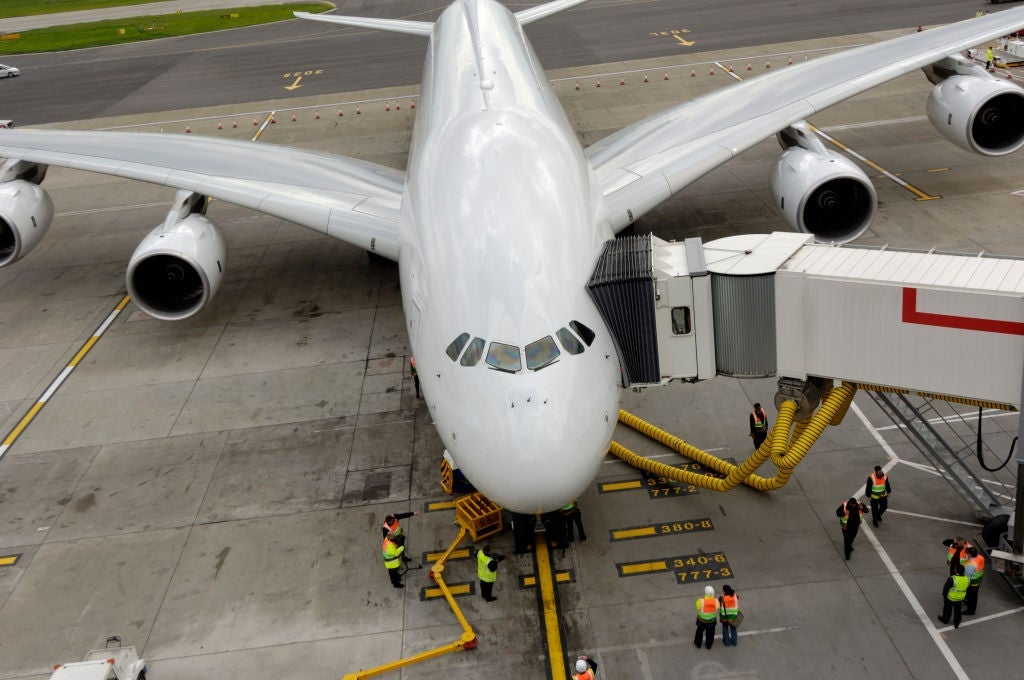
If you've watched as your plane taxiies to the gate, you've seen the ramp team guiding the pilots. The plane's nosewheel will stop on a painted line that positions the cabin door at the right spot for the passenger-loading bridge. Some terminals have a lead-in light system that shows the pilots when the plane is in the right position, while the ramp crew monitors the safe approach of the aircraft.
Once stopped, the ground crew put chocks around the landing gear to keep the plane from accidentally rolling out of position.
To keep the plane's electrical systems running, a large ground-power cable is connected from the terminal's power supply or a mobile generator, or the aircraft's auxiliary power unit, also known as APU, is kept running. The APU is a small jet engine in the plane's tail cone that generates power and conditioned air. On many planes, you can see its exhaust in the tail.

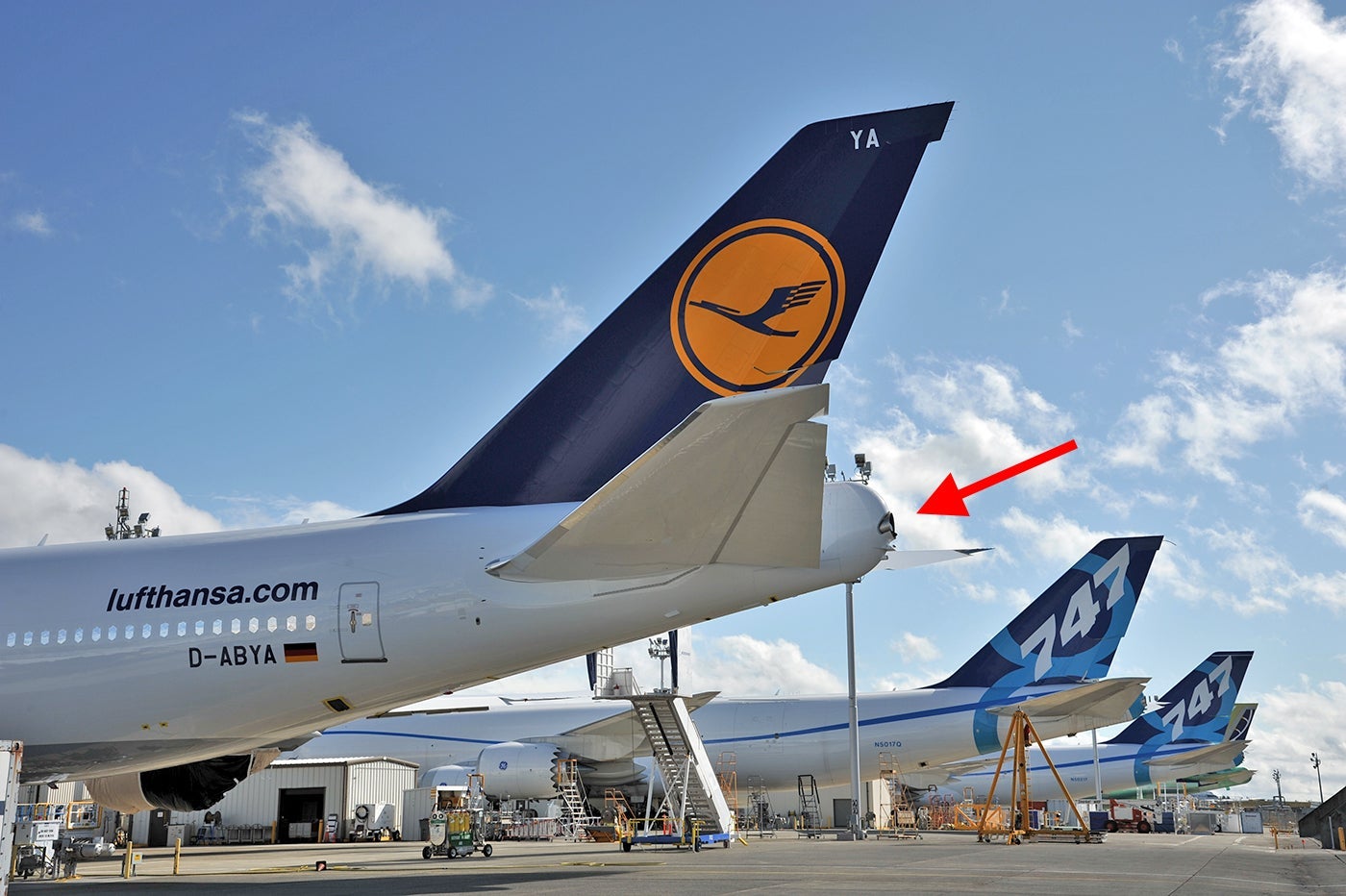
But to save jet fuel, the APU is often shut down. So you'll see a big flexible yellow hose coming from a truck- or terminal-mounted air conditioning unit to blow warm or cold air into the cabin.
The jet bridge, stairs or a ramp is mated to the cabin door, the passengers shove their way off the plane, and then the fun really begins on the ramp.
"Completing a turn is a true team sport," Landson said. "There are more than 100 different tasks that have to be completed before the aircraft can depart. Every piece of 'the turn' has to go as planned or there could be a delay."
On single-aisle planes, like A320s and 737s, belt loaders are positioned by the forward and aft baggage holds, the doors are opened, and the baggage and cargo are off-loaded.
On larger aircraft, 767-sized and up, everything is containerized. You'll see an ungainly-looking, purpose-built machine roll up to the hold. The operator will open the door, and then use a joystick to activate powered rollers on the cargo hold floor to off-load aluminum pods filled with bags, and cargo pallets. The pod-loader also has powered wheels and lifting platforms to move the pods to and from the ramp. If the turn is short, the ramp crew will begin the baggage and cargo onload as soon as the offload is finished.
Meanwhile, catering trucks nose in tightly beside the fuselage and carefully rise on scissor-lifts to the level of the cabin doors. Used catering carts are removed, and new ones are rolled into labelled positions in the galleys. Depending on the length of the turnaround, anything from simple tidy-up to an extensive cleaning preps the cabin for the next flight.
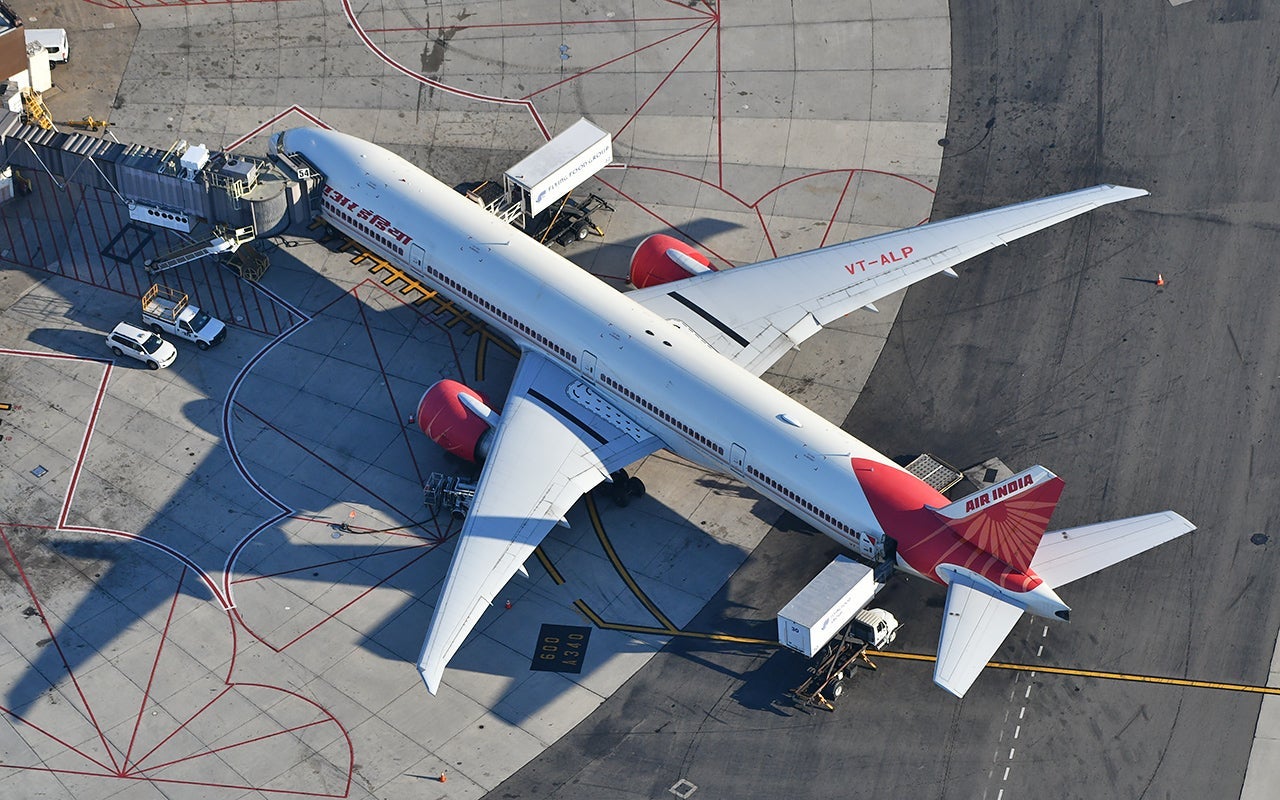
Although it might not happen on every turn, the plane's water tanks are refilled, and the lavatory waste tank is emptied.
Refueling doesn't always happen on every turnaround, either. That decision can be based on the passenger load and the length of the next flight, the cost of fuel at a particular airport, and the time it would take to refuel the plane.
The airline's operations team would have determined the optimal fuel upload. But as with all safety-of-flight issues, the final decision rests with the captain, who might decide to add more fuel in case of bad weather, ATC delays, or a potential diversion.
While all this is happening on the ramp, the airline's gate agents are getting the passengers ready to board.
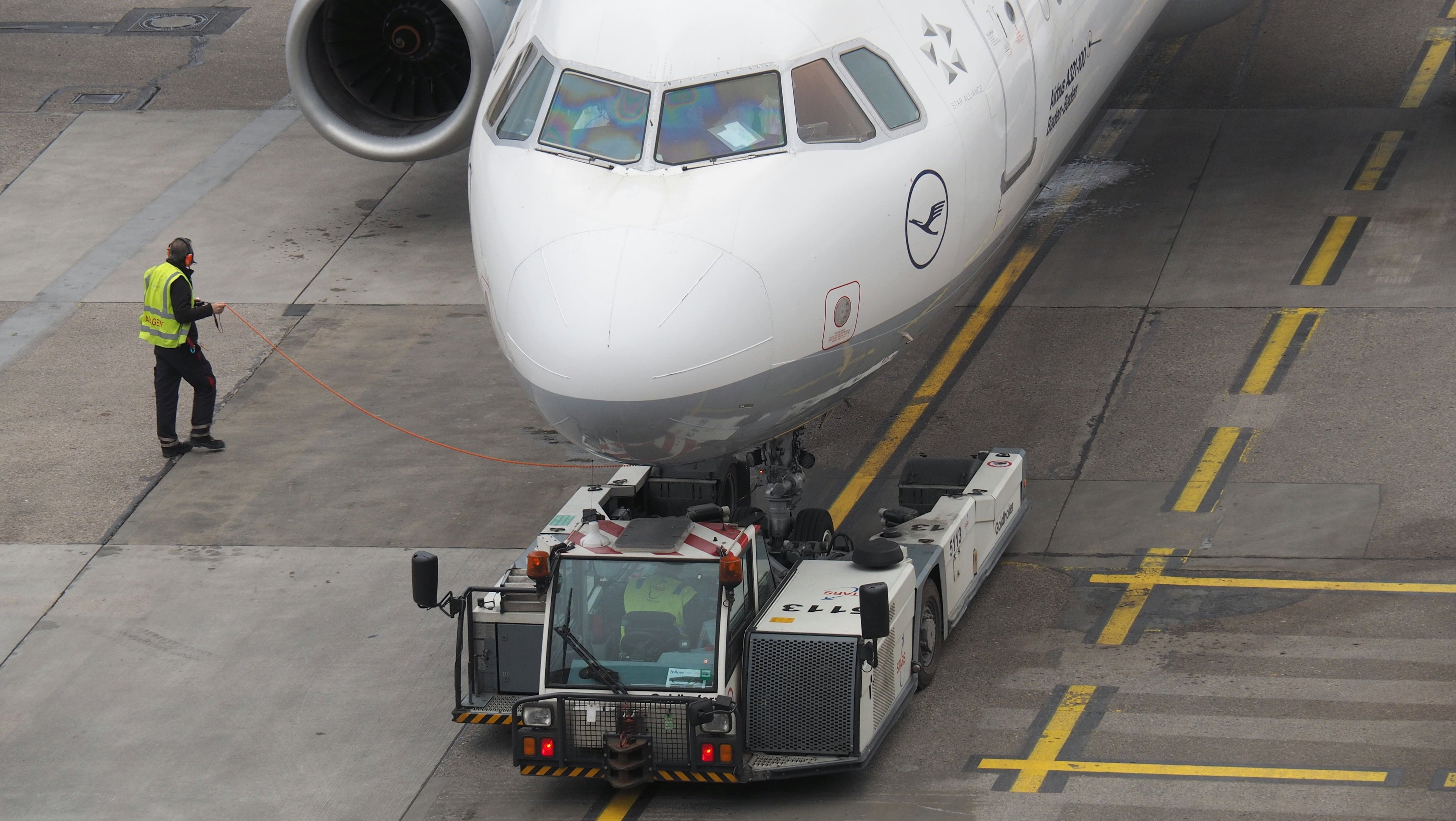
Once everyone's belted into their seats, and the bags and cargo are loaded, and all doors are closed, the aircraft tug does its work, pushing the plane back from the gate.
There are two kinds of tugs: One pushes the plane with a tow bar attached to the nose gear, and the other cradles the nose gear in a special mechanism and lifts it up. That's called a "wheel-lift" tug, and it can quickly hook up and move a plane.
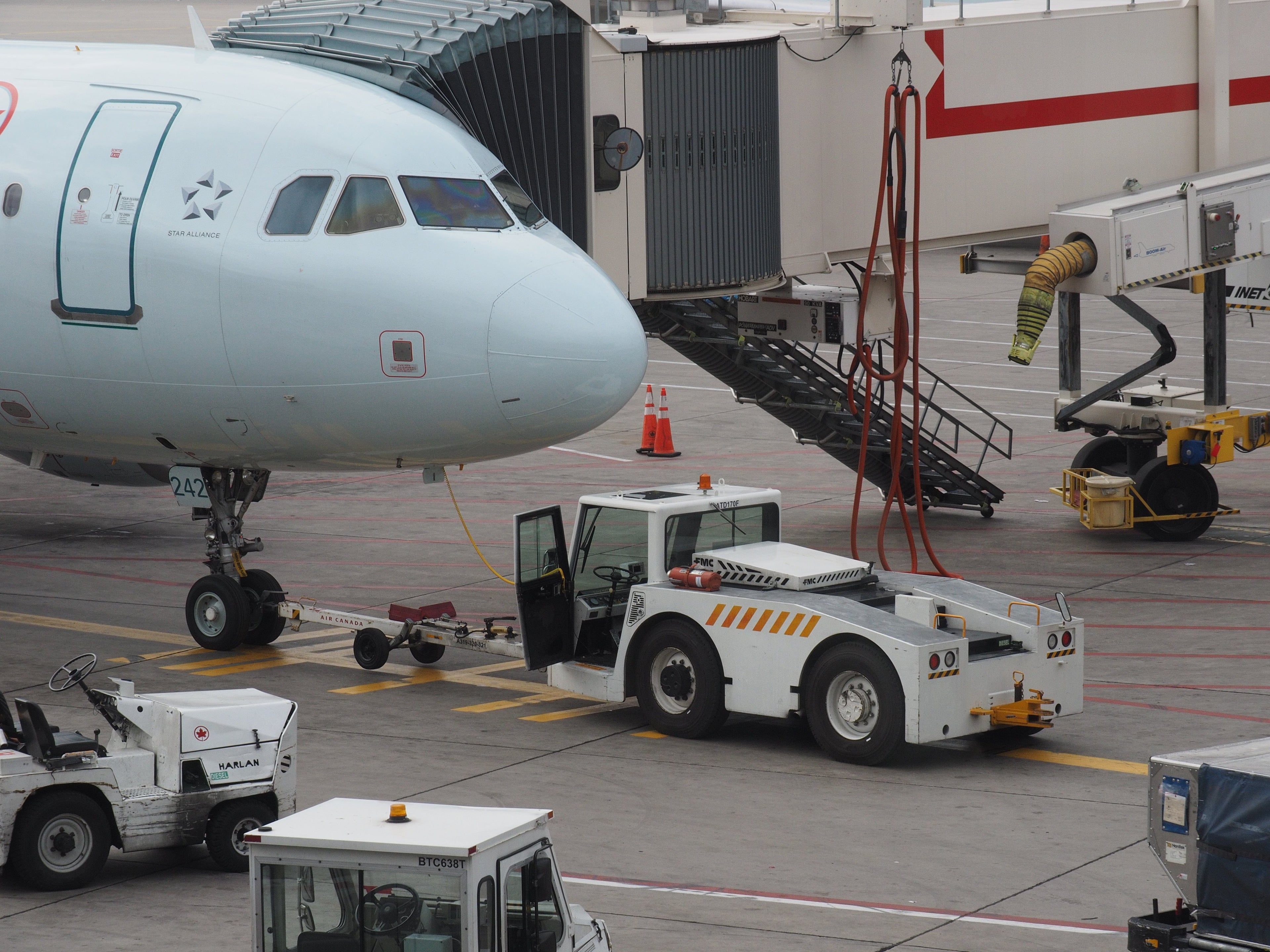
With engines started, the plane begins to taxi to the active runway. The ramp crew might wave at the pilots and passengers, or perhaps bow, showing their respect to the departing flight.
Southwest's "rampies" have their own unique ways of celebrating a flight's departure, according to Landson.
"We have an agent in Milwaukee that does a final walk around with gloves that say 'Thanks for Flying SWA, come back and see us.' We've also seen ramp agents write signs to tell our Customers thanks for flying Southwest. At the end of the day, we encourage everyone to take their jobs seriously but not themselves. We want people to have fun no matter what job they are doing. After all, if they're happy, our Customers are happy."
And if anyone is happy, it's Kyran Ashford, one of Southwest's rampies in Rochester, New York, whose "pushback dance" has gone viral on YouTube.
TPG featured card
at American Express's secure site
Terms & restrictions apply. See rates & fees.
| 4X | Earn 4X Membership Rewards® points per dollar spent on purchases at restaurants worldwide, on up to $50,000 in purchases per calendar year, then 1X points for the rest of the year. |
| 4X | Earn 4X Membership Rewards® points per dollar spent at US supermarkets, on up to $25,000 in purchases per calendar year, then 1X points for the rest of the year. |
| 5X | Earn 5X Membership Rewards® points on prepaid hotel stays booked through AmexTravel.com or the Amex Travel App™. |
| 3X | Earn 3X Membership Rewards® points on flights booked through AmexTravel.com, the Amex Travel App™, or purchased directly from airlines. |
| 2X | Earn 2X Membership Rewards® points on prepaid car rentals booked through AmexTravel.com or the Amex Travel App™ and cruises booked and paid through AmexTravel.com. |
| 1X | Earn 1X Membership Rewards® point per dollar spent on all other eligible purchases. |
Pros
- Valuable dining and food-related credits
- Flexible rewards with airline and hotel transfer partners
- Multiple travel and purchase protections
- No foreign transaction fees
- Access to Amex Offers for additional savings (enrollment required)
Cons
- Not as useful for those living outside the U.S.
- Some may have trouble using Uber and other dining credits
- You may be eligible for as high as 100,000 Membership Rewards® Points after you spend $8,000 in eligible purchases on your new Card in your first 6 months of Card Membership. Welcome offers vary and you may not be eligible for an offer. Apply to know if you’re approved and find out your exact welcome offer amount – all with no credit score impact. If you’re approved and choose to accept the Card, your score may be impacted.
- Earn 4X Membership Rewards® points per dollar spent on purchases at restaurants worldwide, on up to $50,000 in purchases per calendar year, then 1X points for the rest of the year.
- Earn 4X Membership Rewards® points per dollar spent at US supermarkets, on up to $25,000 in purchases per calendar year, then 1X points for the rest of the year.
- Earn 5X Membership Rewards® points on prepaid hotel stays booked through AmexTravel.com or the Amex Travel App™.
- Earn 3X Membership Rewards® points on flights booked through AmexTravel.com, the Amex Travel App™, or purchased directly from airlines.
- Earn 2X Membership Rewards® points on prepaid car rentals booked through AmexTravel.com or the Amex Travel App™ and cruises booked and paid through AmexTravel.com.
- Earn 1X Membership Rewards® point per dollar spent on all other eligible purchases.
- Pay It® lets you tap in the American Express® App to quickly pay for small purchase amounts throughout the month and still earn rewards the way you usually do. Plan It® gives you the option to split up big purchases into equal monthly payments with a fixed fee. You’ll know upfront exactly how much you’ll pay.
- $120 Dining Credit: Earn up to a total of $10 in statement credits monthly when you pay with the Gold Card at Grubhub (including Seamless), Buffalo Wild Wings, Five Guys, The Cheesecake Factory, and Wonder. This can be an annual savings of up to $120. Enrollment required.
- $100 Resy Credit: Get up to $100 in statement credits each calendar year at over 10,000 qualifying U.S. Resy restaurants after you pay for eligible purchases with the American Express® Gold Card. That’s up to $50 in statement credits semi-annually. Enrollment required.
- $84 Dunkin' Credit: Earn up to $7 in monthly statement credits after you pay with the American Express® Gold Card at U.S. Dunkin’ locations. Enrollment required.
- $120 Uber Cash on Gold: Enjoy up to $120 in Uber Cash annually with your Gold Card. Just add your Card to your Uber account and you'll get $10 in Uber Cash each month to use on orders and rides in the U.S. when you select an Amex Card for your transaction.
- Enjoy complimentary Hertz Five Star® Status benefits like skipping the counter at select locations, adding an additional driver at no additional cost*, and vehicle upgrades**. Benefit enrollment and Hertz Gold+ registration are required. *Additional drivers must meet standard rental qualifications and must be a spouse or domestic partner to qualify as complimentary. Other additional drivers subject to fees. **Benefits are subject to availability and vary by location. Additional Hertz program Terms and Conditions including age restrictions apply.
- Book two nights or more with The Hotel Collection through AmexTravel.com or the Amex Travel App™ and receive a $100* credit towards eligible charges at over 1,400 upscale hotels worldwide. *Eligible charges vary by property.
- Book your travel through the Amex Travel App™ with added peace of mind – backed by American Express® service and support. Only for American Express® Card Members.
- Whenever you need us, we're here. Our Member Services team will ensure you are taken care of. From lost Card replacement to statement questions, we are available to help 24/7.
- No Foreign Transaction Fees.
- Annual Fee is $325.
- Terms Apply.