Safety Board Calls On the FAA to Ban Lap Infants -- Here's Why That's Good and Bad

Update: Some offers mentioned below are no longer available. View the current offers here.
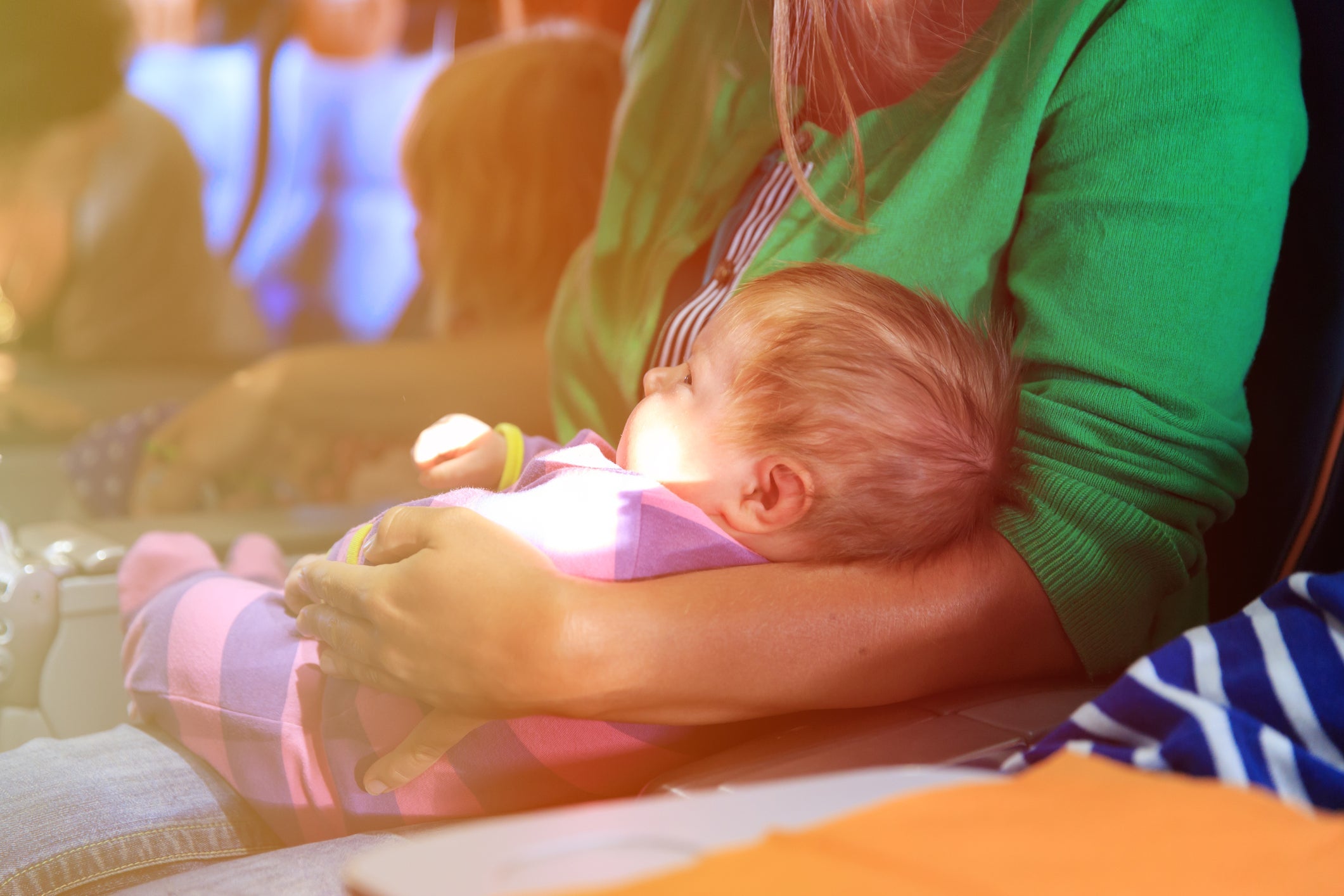
On this year's "most wanted" list, the National Transportation Safety Board (NTSB) has released a number of its most wanted transportation-related safety improvements. On that list is the recommendation that the FAA disallow lap infants who can currently ride (often for free) in parents' laps until they turn 2 years old. The NTSB states that "children are safest when they are properly secured in a child safety seat, in their own seat, when flying" and would like the FAA to remove the exemption that permits babies and young children to fly as lap infants.
Now -- before you pop confetti in agreement or panic that the ability to fly with a lap infant is about to go extinct, note that the NTSB has requested this rule change in the name of safety in some form or fashion since 1979 (though the first document I see online is dated 1990). Why would a national transportation safety organization make the same recommendation for the youngest passengers for roughly four decades without it being adopted by the FAA? In short -- it's complicated. And interestingly enough, it actually has to do with automobile safety. Here's why the FAA should absolutely adopt this recommendation to keep babies as safe as possible while flying at 36,000 feet and, conversely, why it also may not be such a great idea after all.
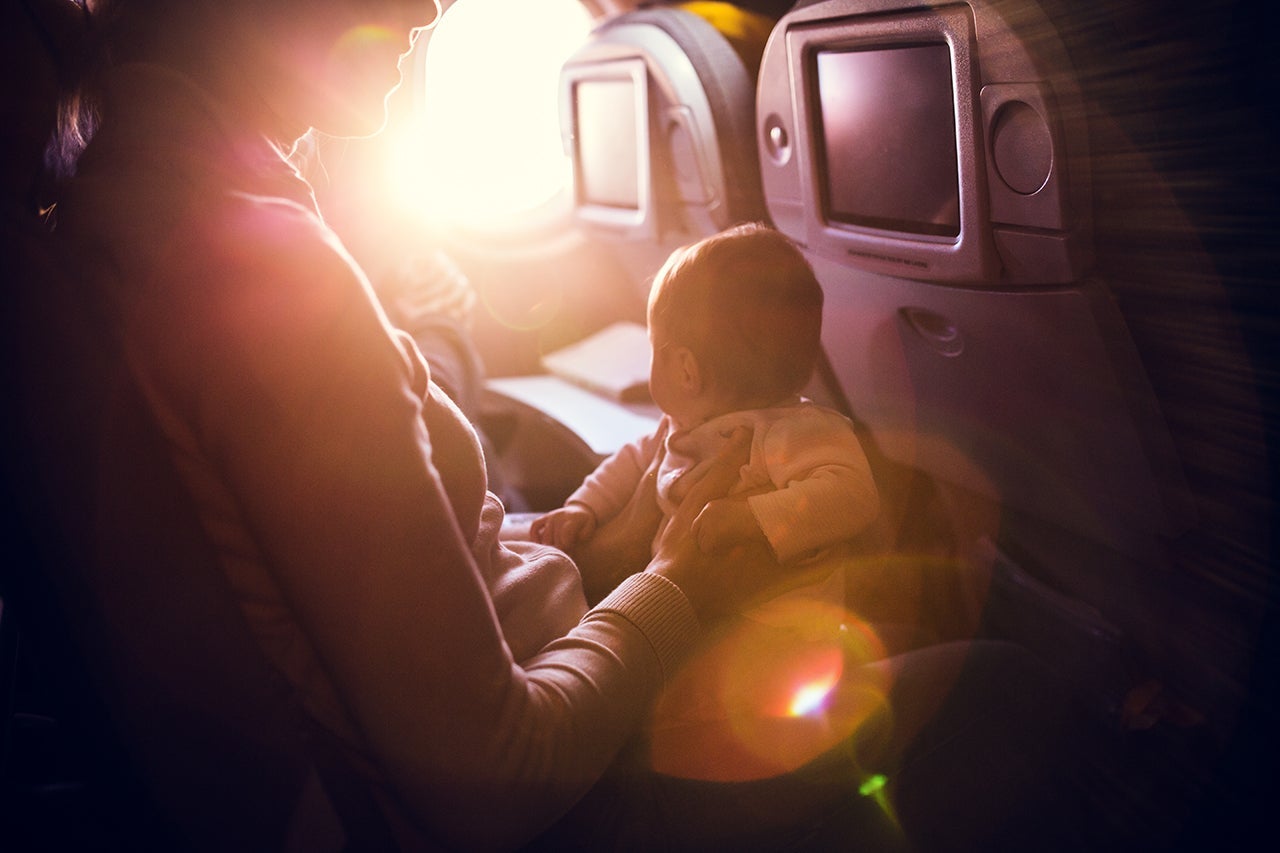
Yes, Babies Should Have Their Own Airline Seats
Not only does the NTSB recommend that the airlines' youngest passengers sit safely strapped into their own seat but the FAA actually basically says the same thing, though they haven't made it a rule. The FAA states:
Did you know that the safest place for your child on an airplane is in a government-approved child safety restraint system (CRS) or device, not on your lap? Your arms aren't capable of holding your child securely, especially during unexpected turbulence.
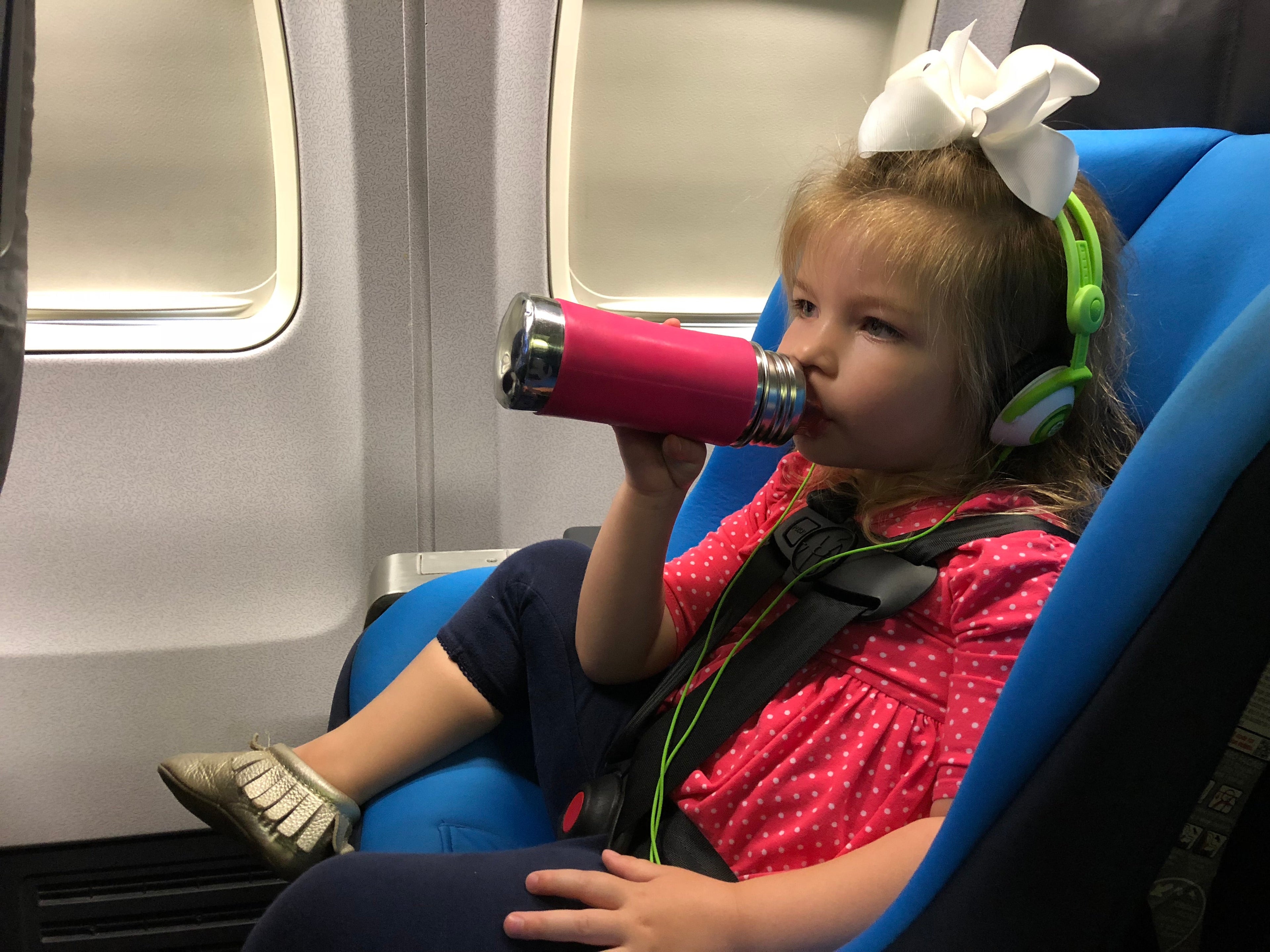
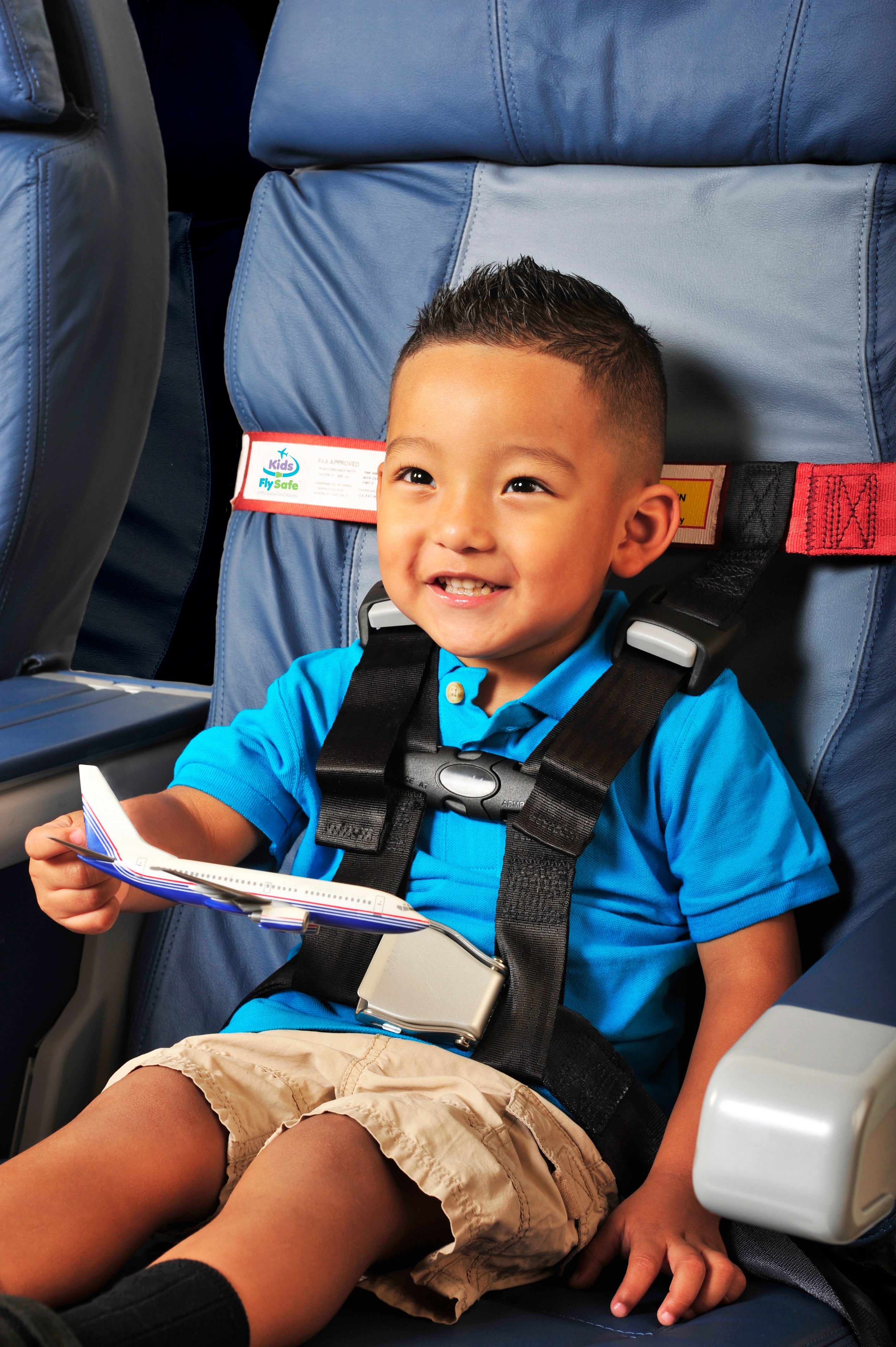
The FAA goes on to "strongly urge you to secure your child in a CRS or device for the duration of the flight." They offer resources on using both car seats and the FAA-approved CARES Harness on your flight. However, while the NTSB has asked for the exemption for lap infants to be abolished for decades, here in 2019, lap infants are still commonplace. Common sense (and experts) tell you it is safest for babies to be strapped into their seat during flight, just as they are in a car, and yet I'd bet that most children under 2 who fly do so as lap infants. Lest you think I'm firmly planted on a parenting soapbox, know that my second daughter flew as a lap infant many, many times (more on that in a moment).
In the event of a rare catastrophic event, it won't matter where or how you're seated on the aircraft. But there are other more common events where the outcome is influenced by whether or not a passenger is in a seat belt. For example, we've all read stories about unexpected and occasionally dramatic turbulence that sends flight attendants and food carts flying, sometimes resulting in injuries for those not restrained (15 injured on this flight, 29 injured on that flight, 11 on this flight, etc.). We've also all read stories about hard, or even crash landings, that at least some people walked away from. There was even a lap infant on the "Miracle on the Hudson," who was ultimately held by an unrelated man seated next to the mom when they were told to "brace for impact."
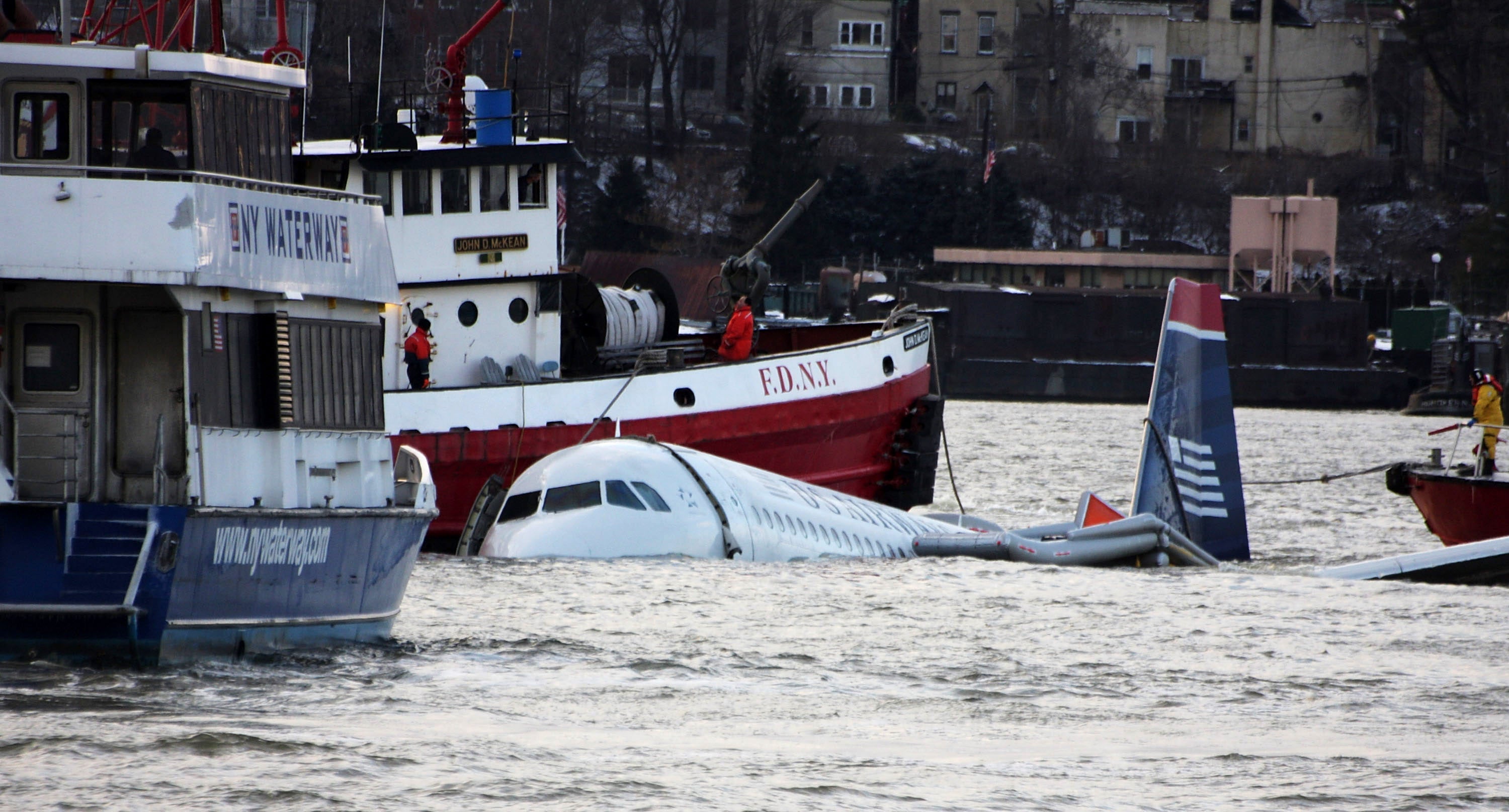
Thankfully, the lap infant on US Airways Flight 1549 was OK, but that hasn't always been the case. In 1989, United Airlines Flight 232 crashed during an attempted emergency landing in Iowa, resulting in the death of 111 of the 296 souls on board, including one lap infant. The NTSB safety recommendations that resulted from that event also outlined some harrowing experiences that some of the surviving infants on the plane underwent, such as being launched in the air and, in one case, subsequently temporarily lost in the chaos (though ultimately found). There are also other incidents on other aircraft referenced in that report that detail lap infants getting propelled into the air and injured during turbulence and other irregular landings.
To take things a step further, the American Academy of Pediatrics has also called for a federal requirement for children under 2 years old to be restrained on aircraft, and found that while children under 2 make up only 1% of airline passengers, they sustained 35% of onboard pediatric injuries. The most common causes of injury were from hot soup or beverages that were spilled on a child (36% -- often when they are in the aisle seat), followed by falls by unrestrained or lap children (25%). Note that having babies and toddlers in a car seat would reduce both of these issues as car seats are usually required to be installed by the window.
While data raises some red flags about children under 2 being allowed to fly as lap infants, the FAA testimony at the public hearing in Iowa after the crash of United 232 reportedly indicated that the FAA arbitrarily selected 2 years as the age cutoff for the requirement for a child to not have to be restrained. That age was reportedly not selected based on data, yet still remains today.

Whether the FAA continues to allow lap infants to fly unrestrained or not, you have the right to purchase your young child a seat and use a CARES Harness or car seat to keep them as safe as possible. You don't need the government to require all children be securely restrained on the airplane to make it happen for your child.
Actually, It's Not That Simple
On one hand, data may tell you your child is safest on the plane secured in their own seat, but data from other sources will also tell you how safe they are even in your lap. In the US, you are more likely to be killed by a bear, dog, lightning or a tornado than on an aircraft. The tragedy in 2018 on Southwest Airlines Flight 1380 that resulted in the death of one woman was the first death on a US airline in nine years. In contrast, roughly 100 people in the US are killed per day in fatal auto accidents. What do auto accidents have to do with requiring car seats and assigned seats for babies on a plane? A lot.
The FAA has previously stated that its reasoning for not requiring infants and young children to be restrained in their own seats is that "analyses showed that, if forced to purchase an extra airline ticket, families might choose to drive, a statistically more dangerous way to travel." At that time, the National Highway Traffic Safety Administration (NHTSA) supported the FAA's decision based on studies that showed a mandate could result in another 13 to 42 added fatalities over a 10-year period in highway accidents.
Beyond those realities, there are more nuanced issues with requiring infants to sit in their own seats on the plane. My first daughter almost always flew in a car seat -- she did well there. Following another Academy of Pediatrics recommendation, my second daughter nursed until she was almost 2 years old. On flights, she wanted to snuggle and nurse, basically the entire time. In my arms on the plane she was sweet and happy, but if I had tried to strap her into a car seat next to me as an infant she would have gone bananas -- just as she did on every car ride for months.
To make matters more complicated, if I had gone ahead and bought a seat for her just to be on the safe side, but she just wasn't having it for a period of time (because she wanted to nurse or just be held), it's quite likely that if I had a seat available, I could have been required by a flight attendant to strap her in that seat for landing or when the seatbelt sign was on. Would she be safer -- probably to some degree, but she would also be infinitely more unhappy and likely vocal about her displeasure.
At 3 years old, she's thankfully now happy as a clam in her car seat both in the car and on the plane, but that was not always true in those first few months of life.
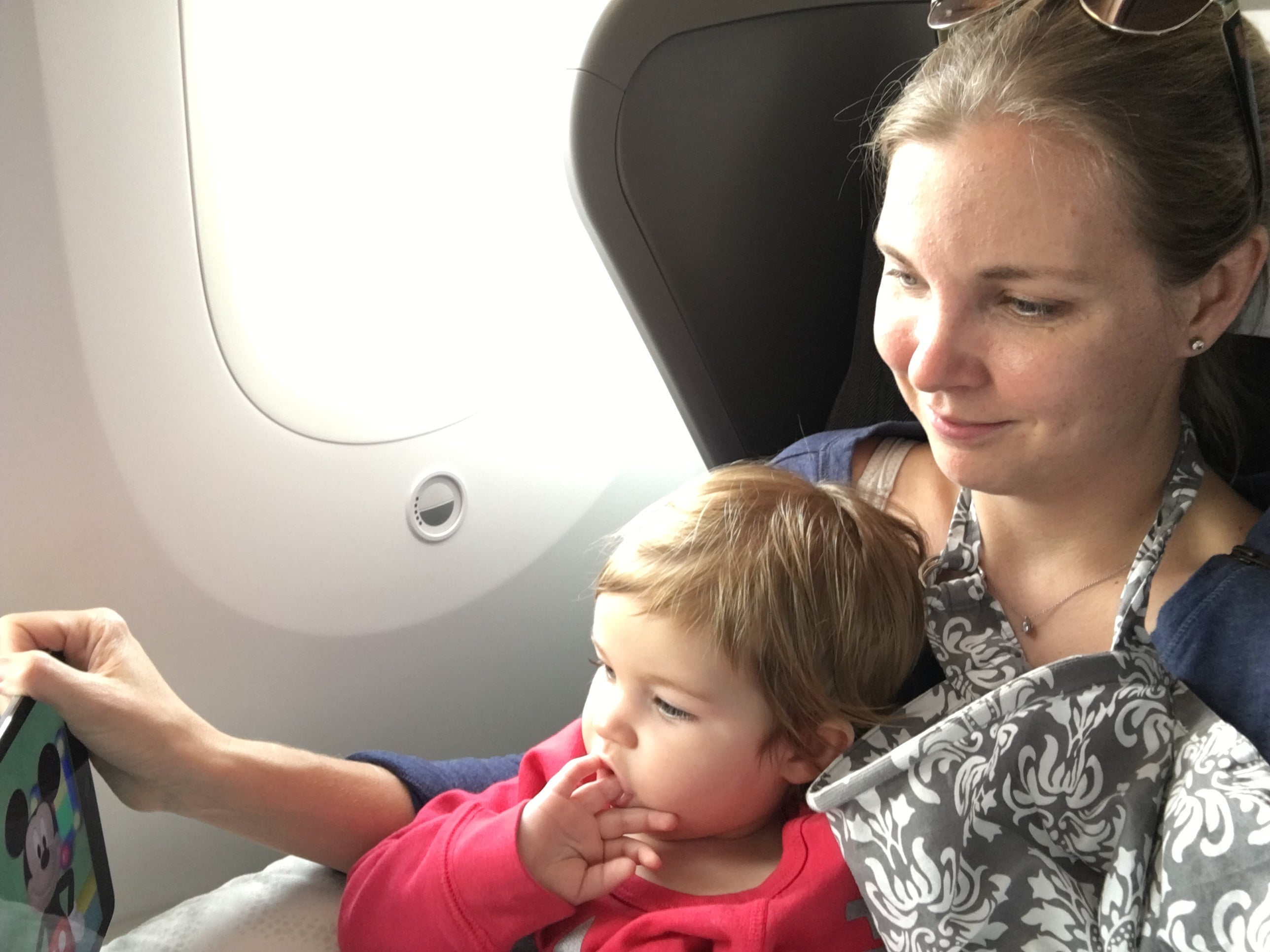
Furthermore, car seats simply do not fit in many of the economy airline seats that cross the United States every day. Spirit Airlines has seats as small as 15.5-inches wide with just 28 inches separating your seat from the one in front of it -- and other airlines aren't much different. Even a small and lightweight car seat is often wider than that, so you'd be asking families to not only buy more seats than they do today but, often, they would need to be seated in rows with extra legroom in order for the car seat to realistically have a shot at fitting. There are already rules in place to help families with car seats that don't fit find another row but, increasingly, there may not be a big enough row on the aircraft that isn't considered a "premium product."
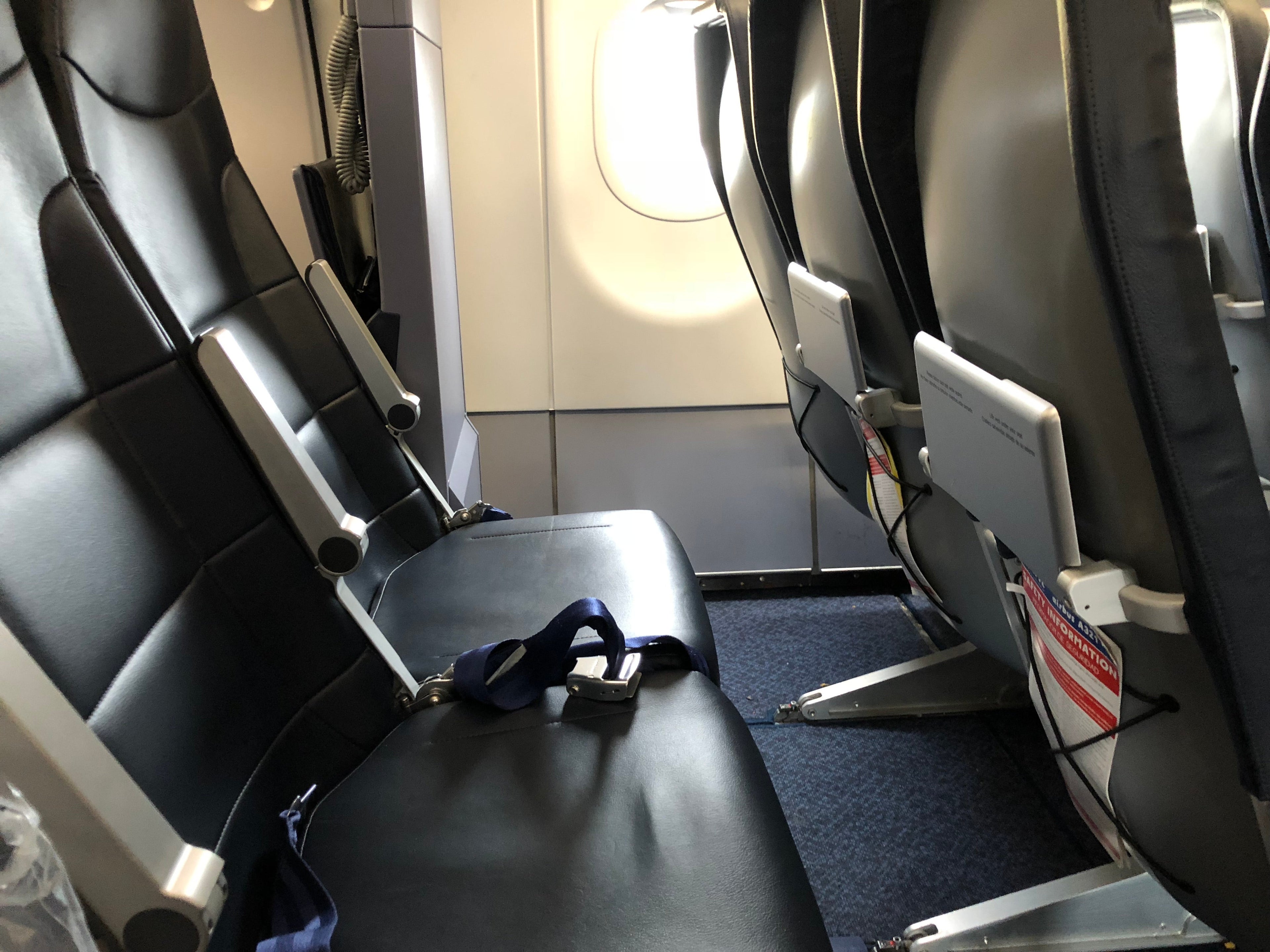
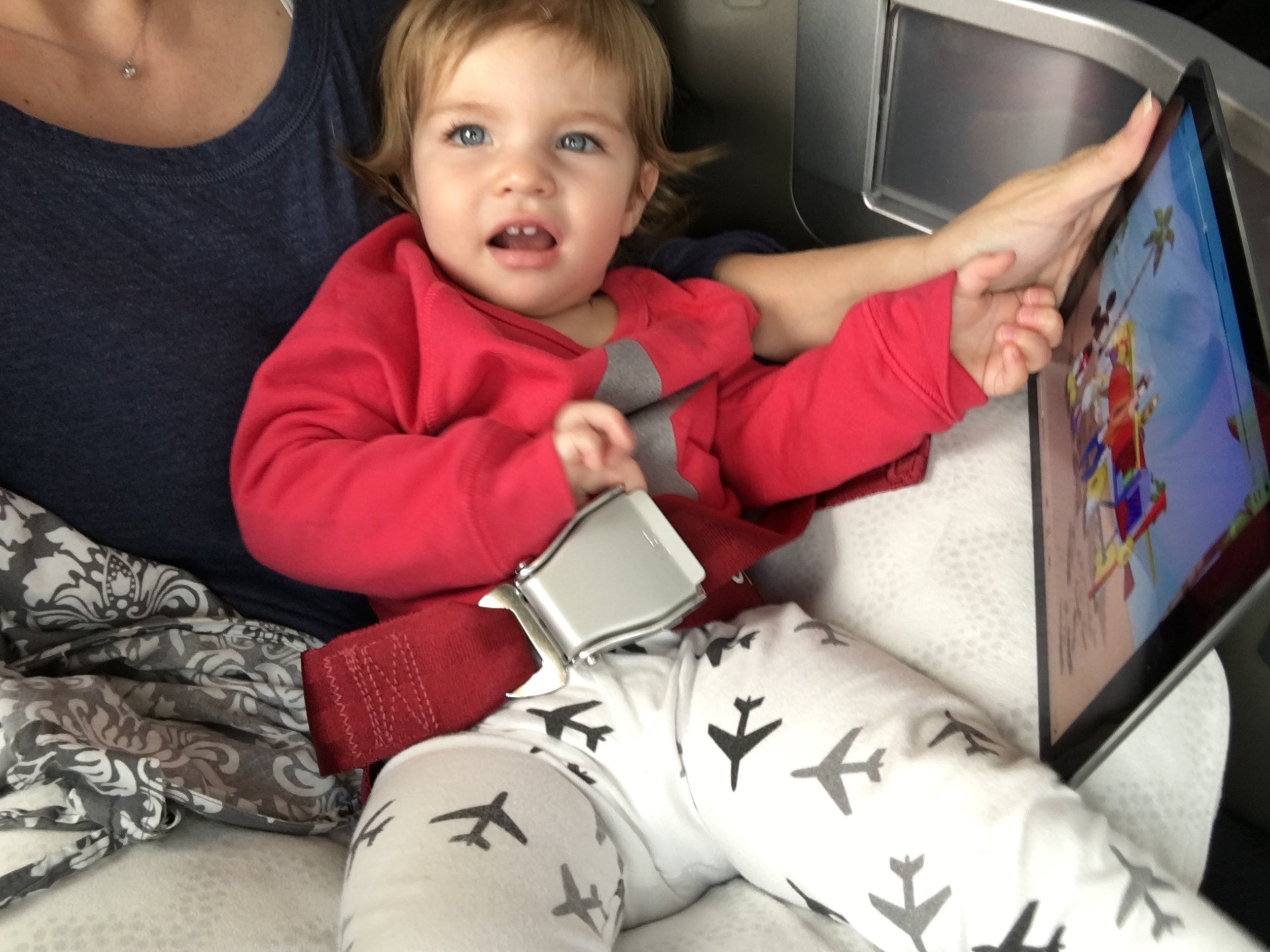
Other countries have different approaches to the lap infant issue that lie somewhere between mandating a separate seat and being wholly unrestrained. For example, in places like Europe, Australia and some parts of Asia, the use of belts that strap the lap infant to the parent is required while in flight.
Bottom Line
Those who shout that lap infants should be banned from airplanes can and should buy tickets for their babies and toddlers 100% of the time. There's nothing preventing that today and, in fact, airlines will typically even accommodate a car seat in a free adjacent seat if one is available. Once a baby turns into a toddler, they may very well be most comfortable with their own space.
However, note that an outright ban on lap infants in the US isn't as simple as it looks on first glance. Pushing more families to drive rather than fly due to the cost of the infant's ticket doesn't keep those families safer. Having screaming babies who aren't in their parents' arms doesn't make flights more pleasant. And finally, trying to cram car seats into airline seats that can't support them won't work without some systemic changes that make that process more traveler-friendly.
If this is the year that the NTSB's recommendation for the FAA to ban lap infants gains traction (and I have doubts that it is), there are some real barriers that need to be addressed and overcome for the change to have a net positive impact on traveling families and those around them.
Here are some tips for flying with babies and car seats:
TPG featured card

at Capital One's secure site
Terms & restrictions apply. See rates & fees.
| 5X miles | Earn 5X miles on hotels, vacation rentals and rental cars booked through Capital One Travel |
| 2X miles | Earn unlimited 2X miles on every purchase, every day |
Pros
- Stellar welcome offer of 75,000 miles after spending $4,000 on purchases in the first three months from account opening. Plus, a $250 Capital One Travel credit to use in your first cardholder year upon account opening.
- You'll earn 2 miles per dollar on every purchase, which means you won't have to worry about memorizing bonus categories
- Rewards are versatile and can be redeemed for a statement credit or transferred to Capital One’s transfer partners
Cons
- Highest bonus-earning categories only on travel booked via Capital One Travel
- LIMITED-TIME OFFER: Enjoy $250 to use on Capital One Travel in your first cardholder year, plus earn 75,000 bonus miles once you spend $4,000 on purchases within the first 3 months from account opening - that’s equal to $1,000 in travel
- Earn unlimited 2X miles on every purchase, every day
- Earn 5X miles on hotels, vacation rentals and rental cars booked through Capital One Travel
- Miles won't expire for the life of the account and there's no limit to how many you can earn
- Receive up to a $120 credit for Global Entry or TSA PreCheck®
- Use your miles to get reimbursed for any travel purchase—or redeem by booking a trip through Capital One Travel
- Enjoy a $50 experience credit and other premium benefits with every hotel and vacation rental booked from the Lifestyle Collection
- Transfer your miles to your choice of 15+ travel loyalty programs
- Top rated mobile app