Going underground with the Atlanta airport’s Plane Train

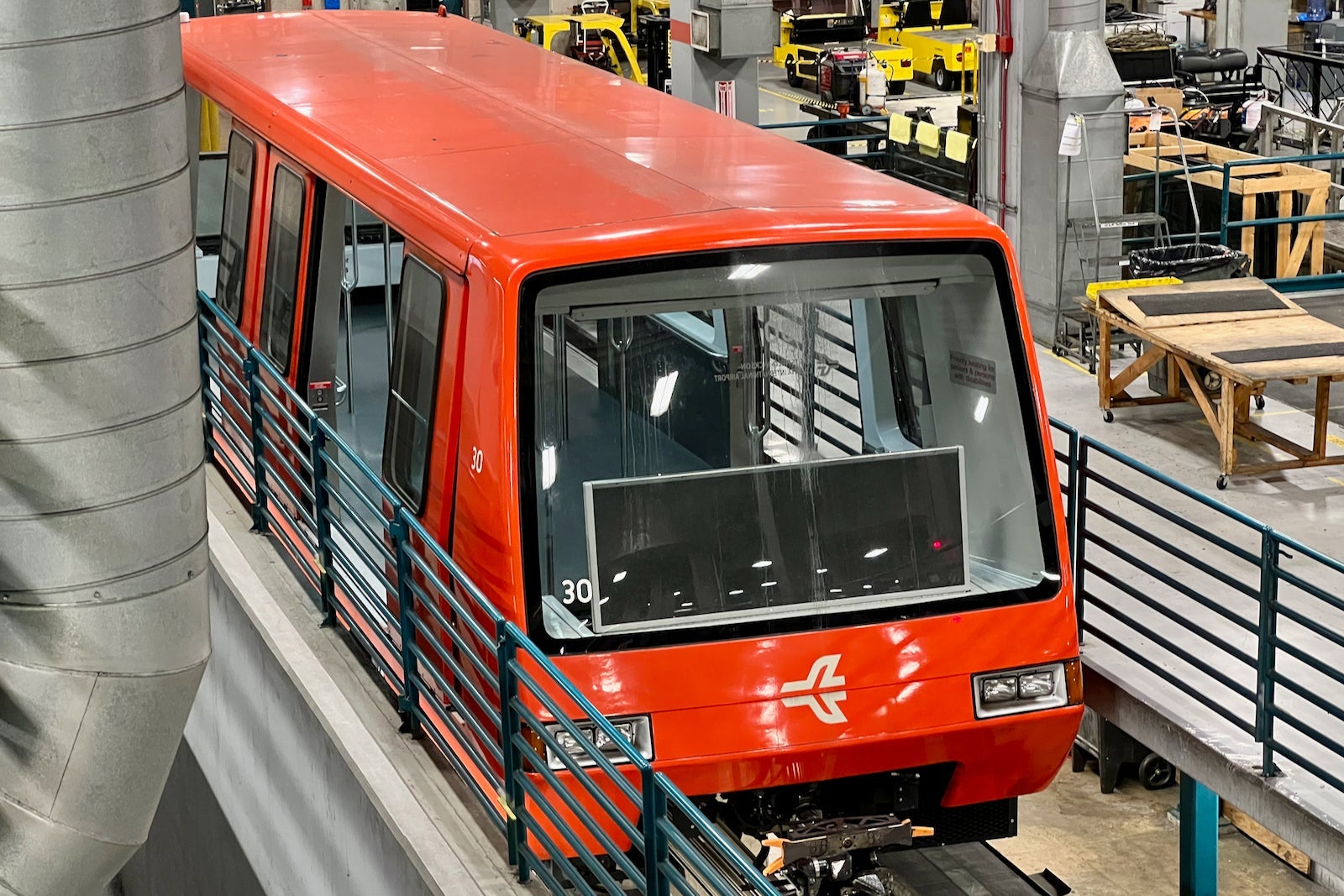
The minimum connection time Delta Air Lines allows at Hartsfield-Jackson Atlanta International Airport (ATL) is 35 minutes.
That's right – just 35 minutes at the world's busiest airport. The reason that's possible: the Plane Train.
The sprawling airport might seem overwhelming, especially to those making connections for the first time. However, this fast, frequent train runs down the spine of the terminals, moving up to 10,000 people each hour. For more than 40 years, the underground train has whisked passengers from one concourse to another. None have to wait more than two minutes for the next train.
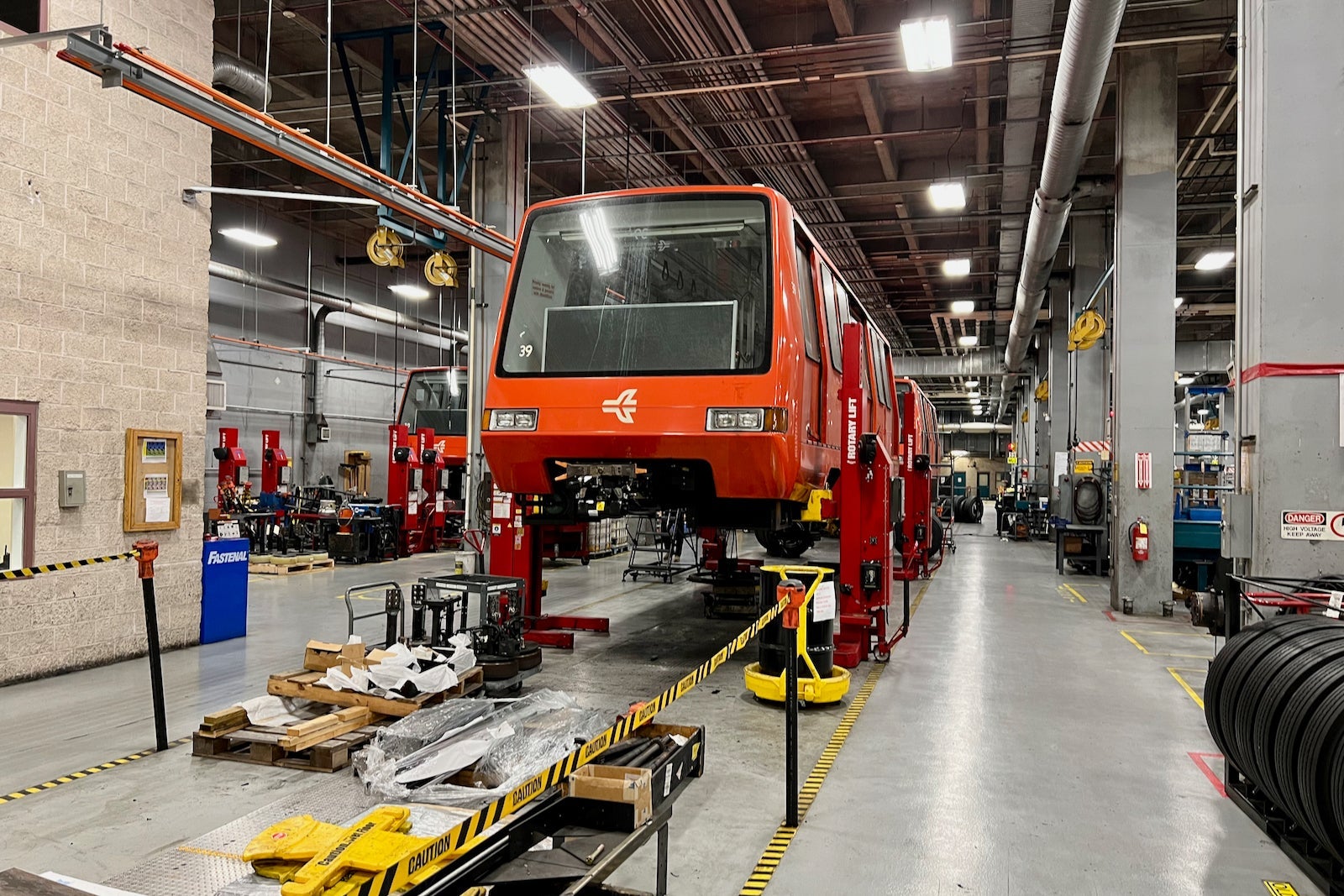
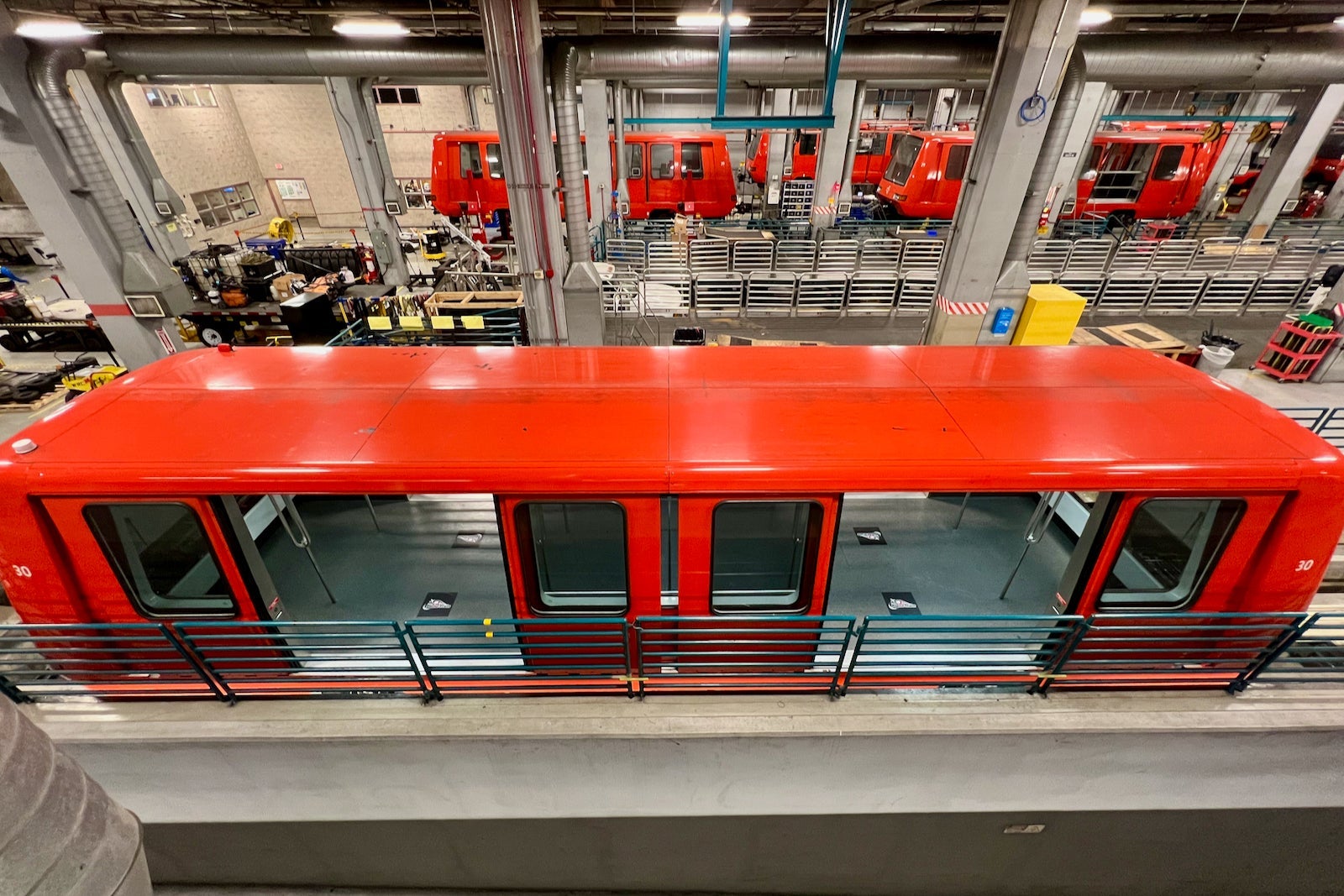
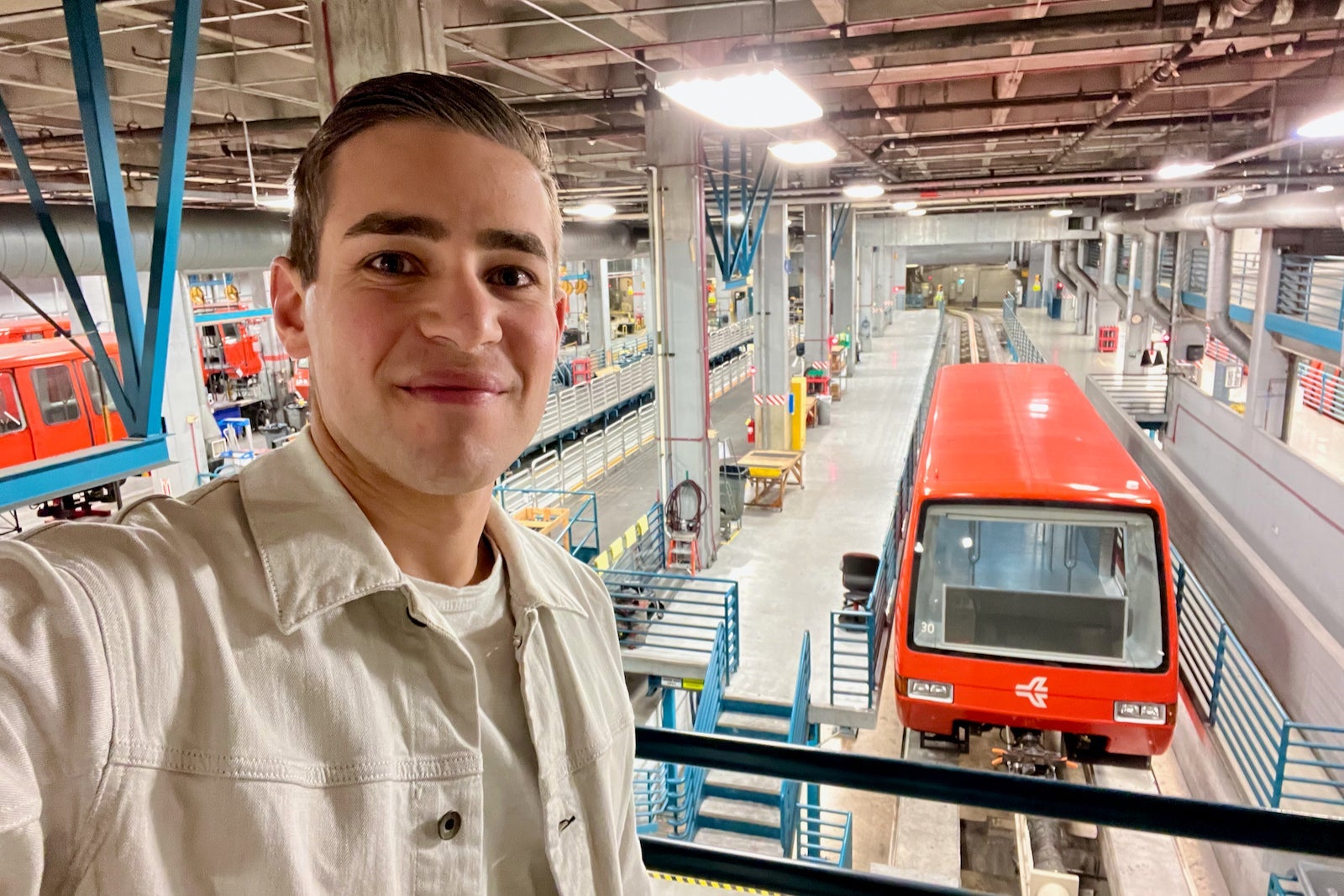
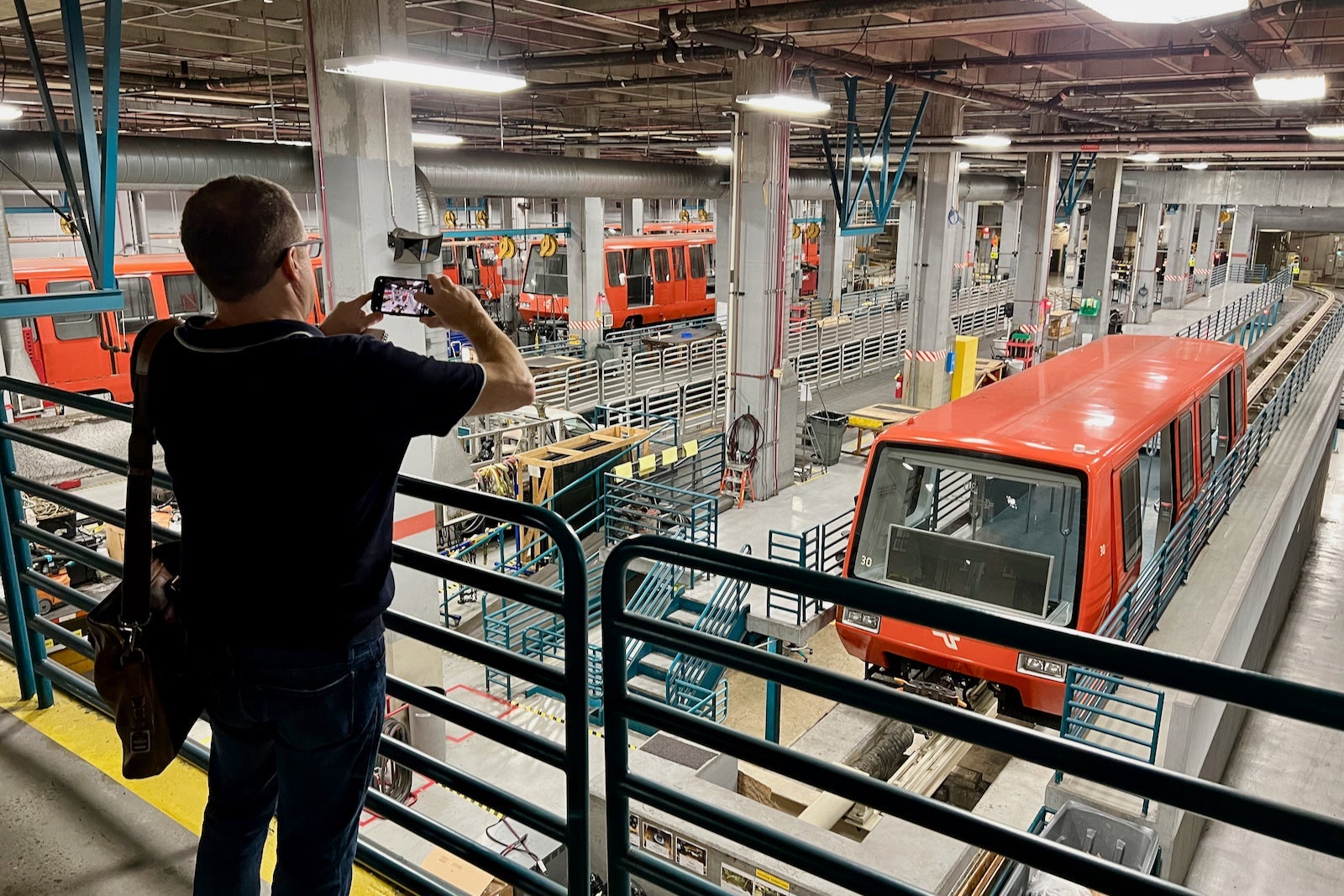
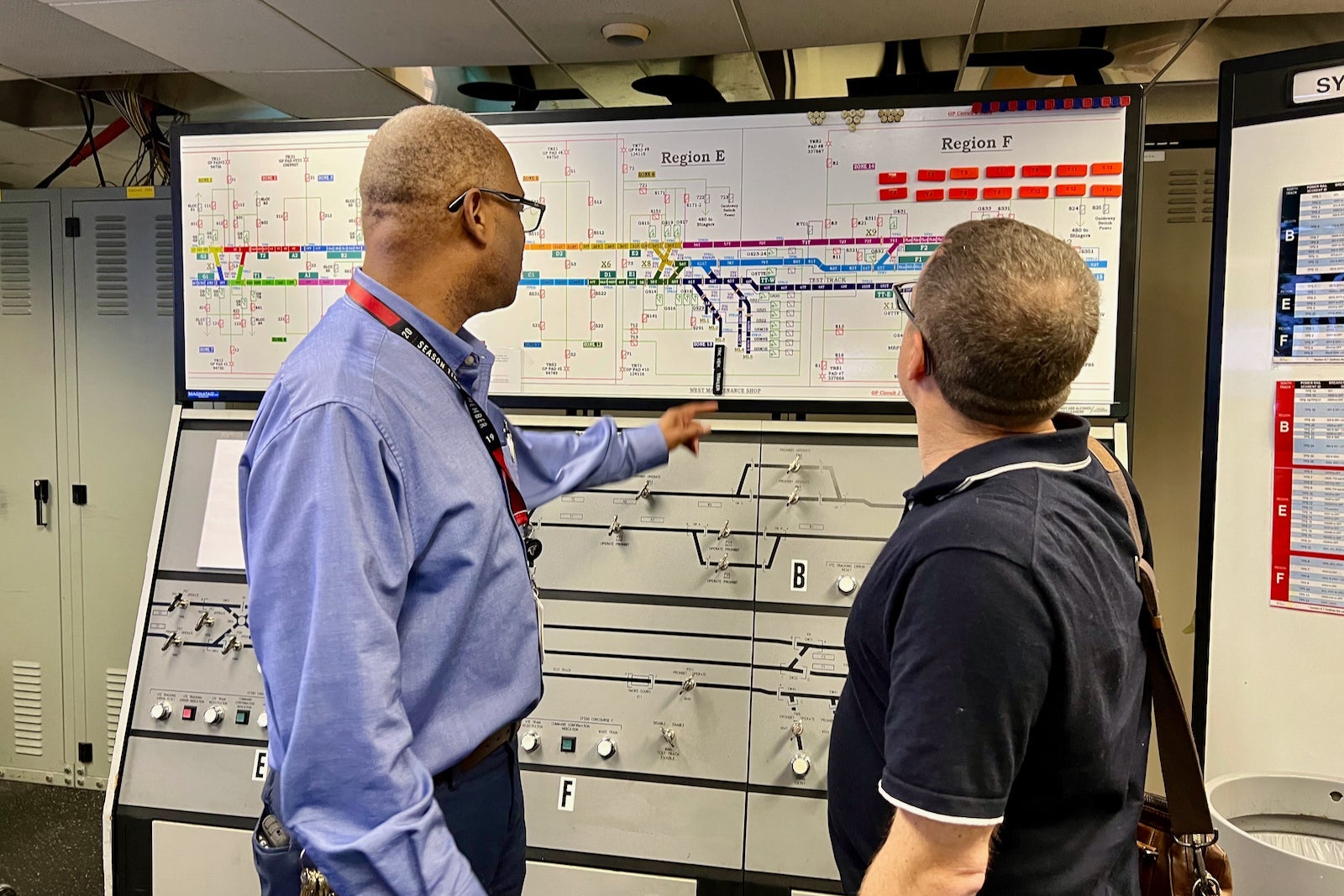
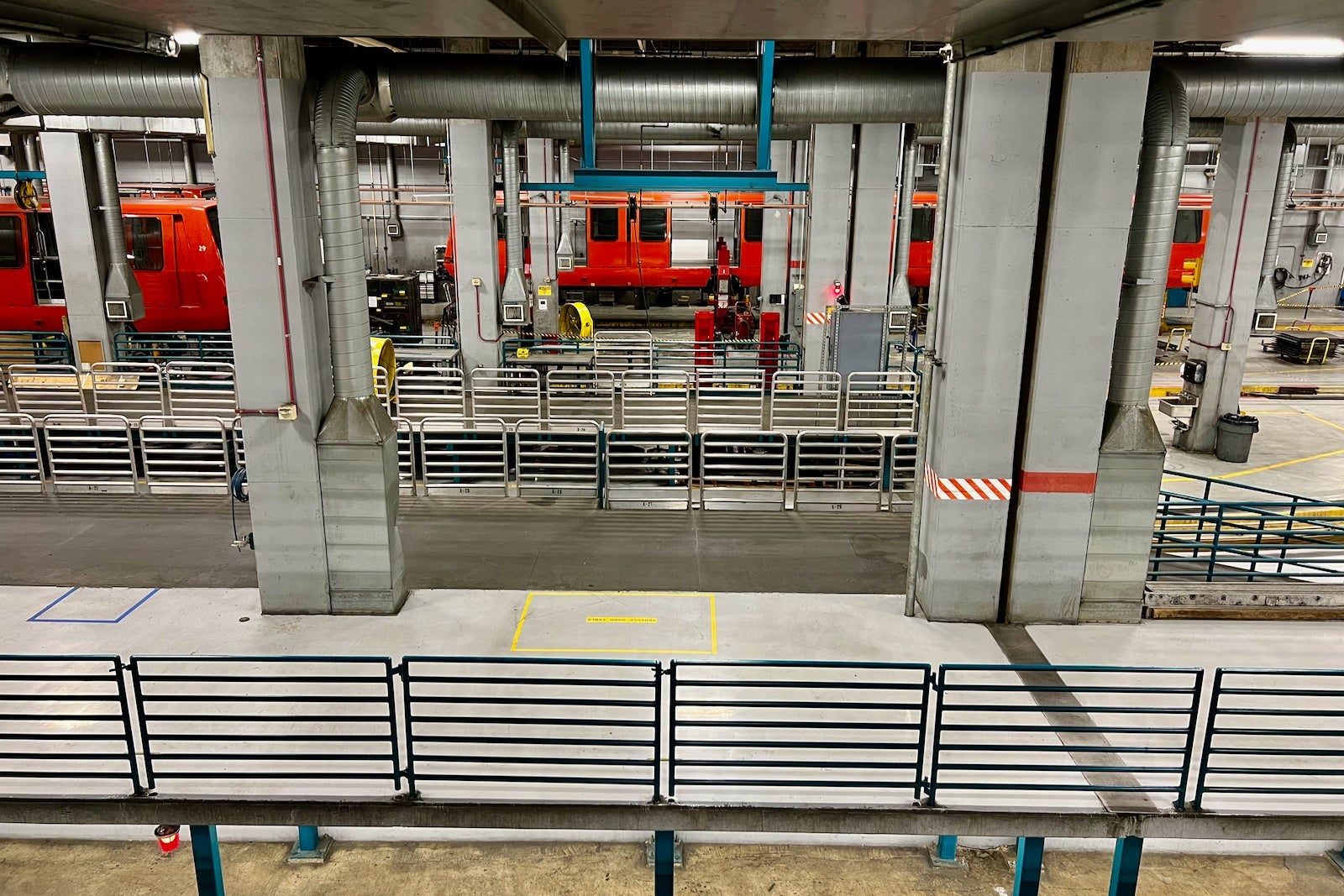
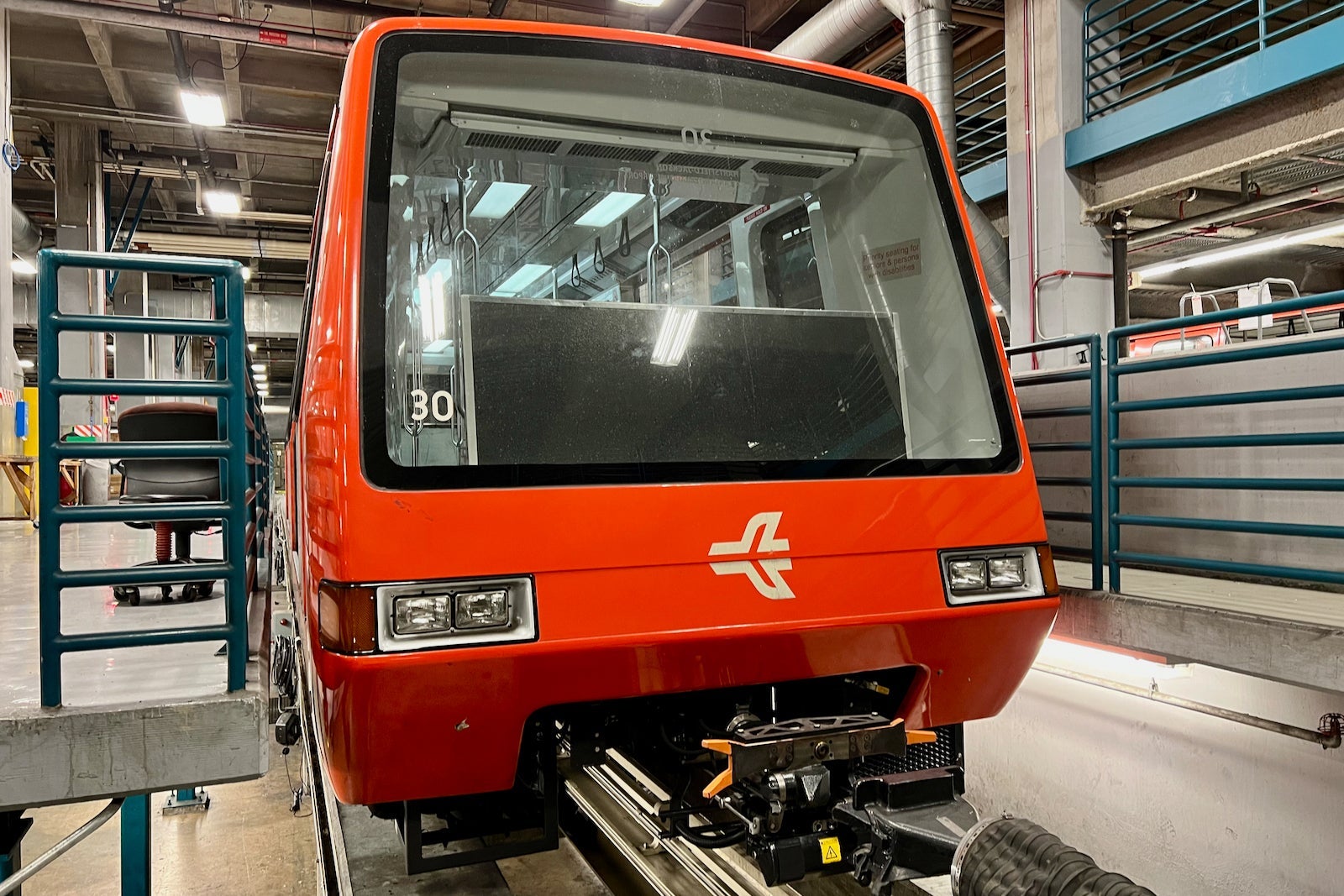
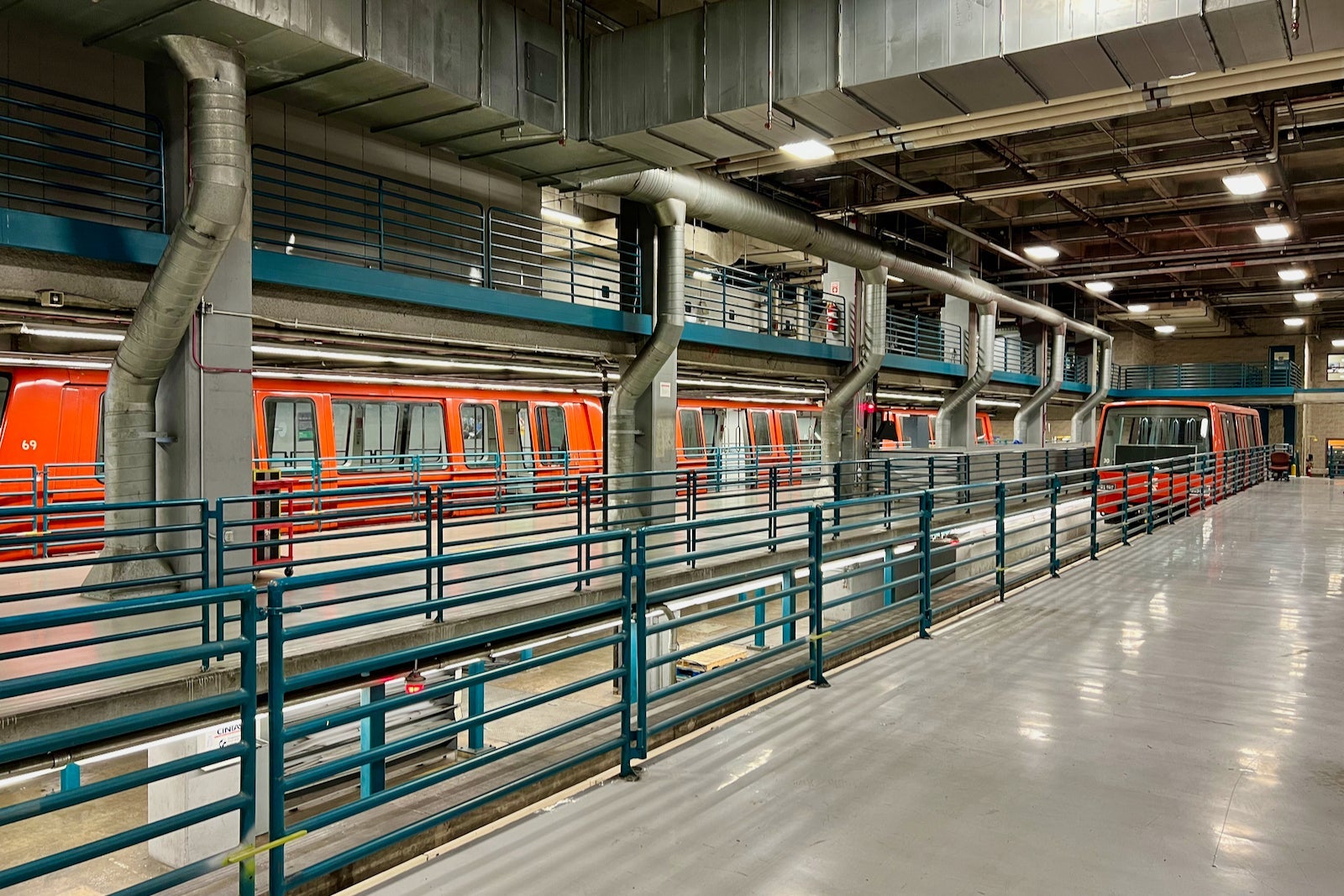
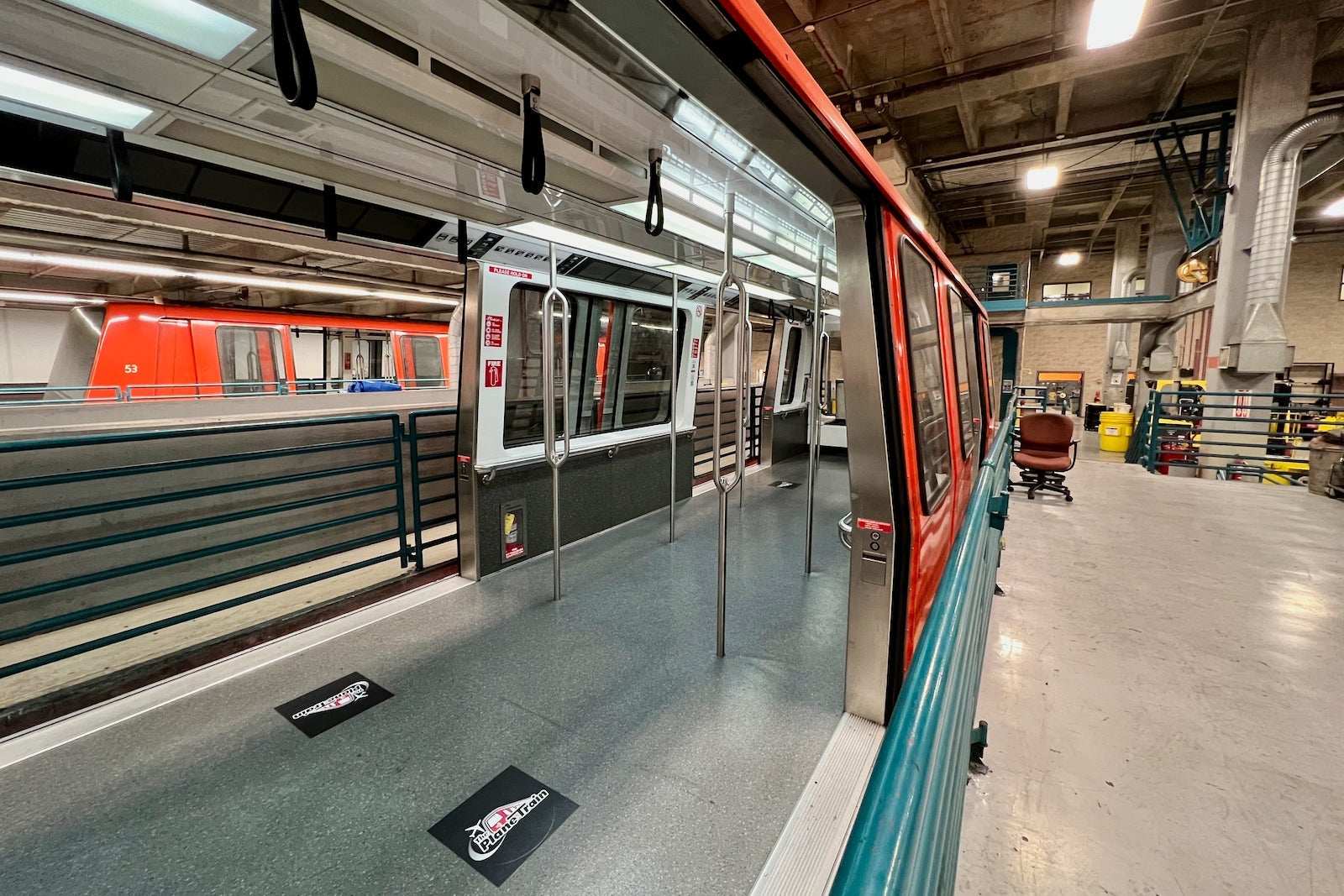
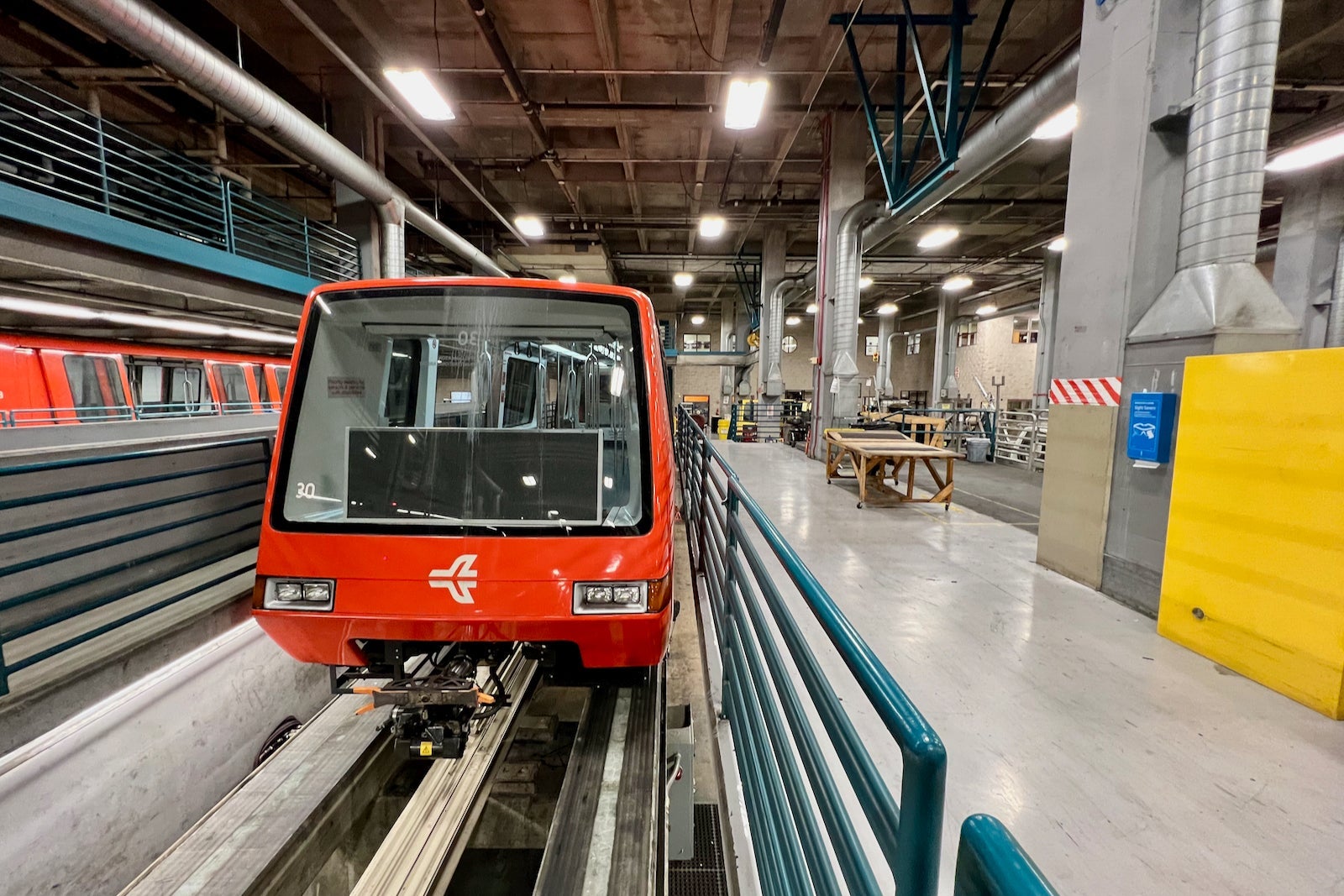
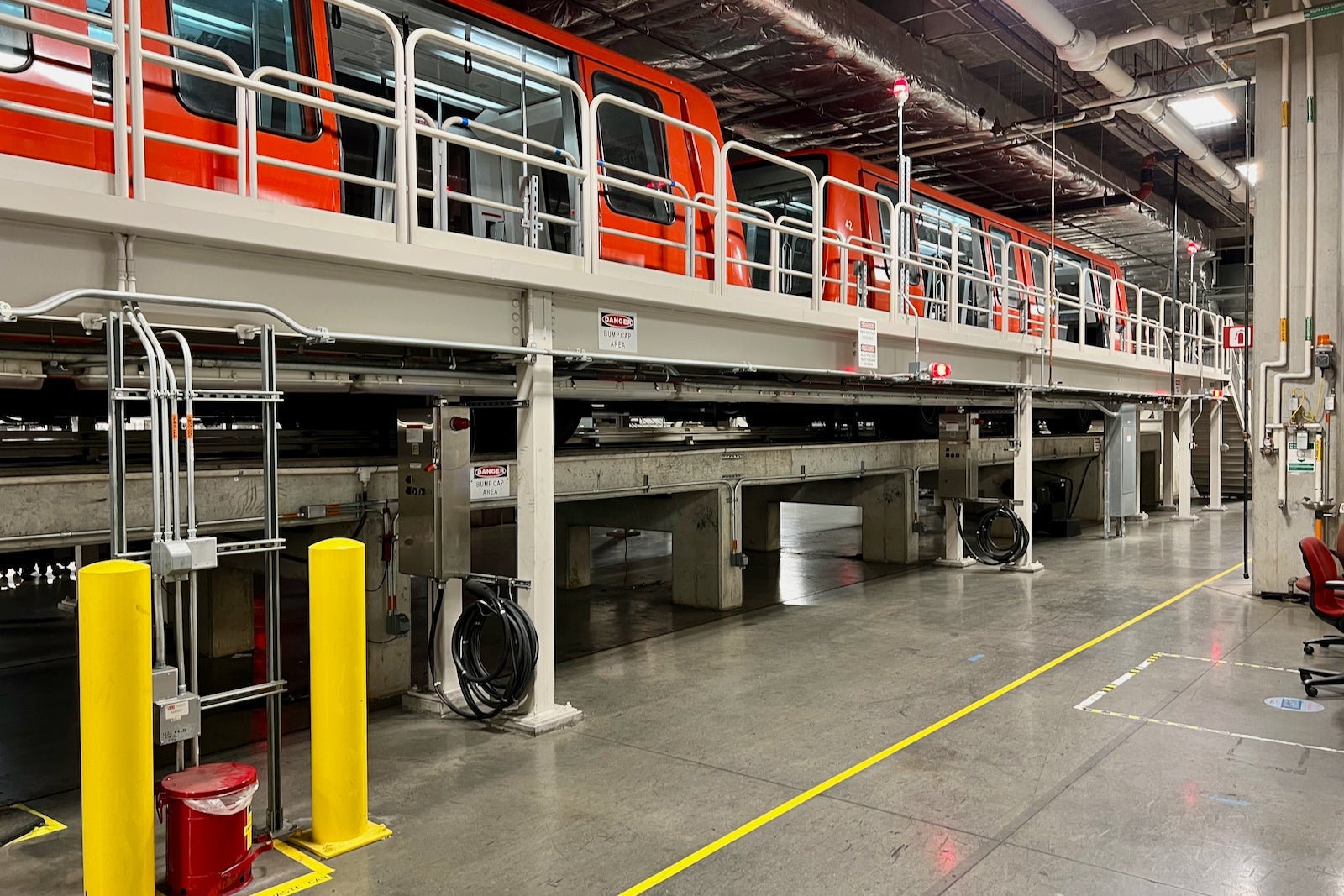
A Points Guy team (Senior Aviation Reporter Zach Griff and I) recently received a special tour of the two train maintenance facilities, located deep below the taxiways, gates and passengers above. Each night when the airport slows, it's these facilities that come alive. Overnight, the system's 11 trains (with four cars each) get everything from a minor tuneup to larger fixes, such as a repair to a door that's stuck closed.
You might not be able to grab a tour yourself. However, you can spy the heavy maintenance facility when traveling between the E and the F gates by looking to the right just after the train leaves the E station, right before it takes a short turn and speeds up. Sit in the first car for the best view.
As for the Plane Train, its history has been an interesting tale.
The first section opened in 1980, running from the domestic terminal out to Concourse D. The train was extended to the E gates when those opened in time for the 1996 Summer Olympics. The final stretch to the new international terminal — or F gates — opened in 2012.
Today, the current system runs for two miles in each direction — a huge jump from the train's first days — with eight stations. Tracks are on both sides of the network's platforms.
Still, the Plane Train name that it's known by today didn't become official until 2010, when the airport and city officials ran an online naming contest on YouTube and Facebook. The airport received over 600 entries, including "Zipper," "Hey!Train" and more.

For those who really want to geek out on the technical specifications, the train cars are Bombardier (now owned by Alstom Transport) rubber tire Innovia CX-100 vehicles operating with 600 volts of AC power. Each car weighs a whopping 37,000 pounds — about 6,000 more pounds than the Bombardier CRJ200.
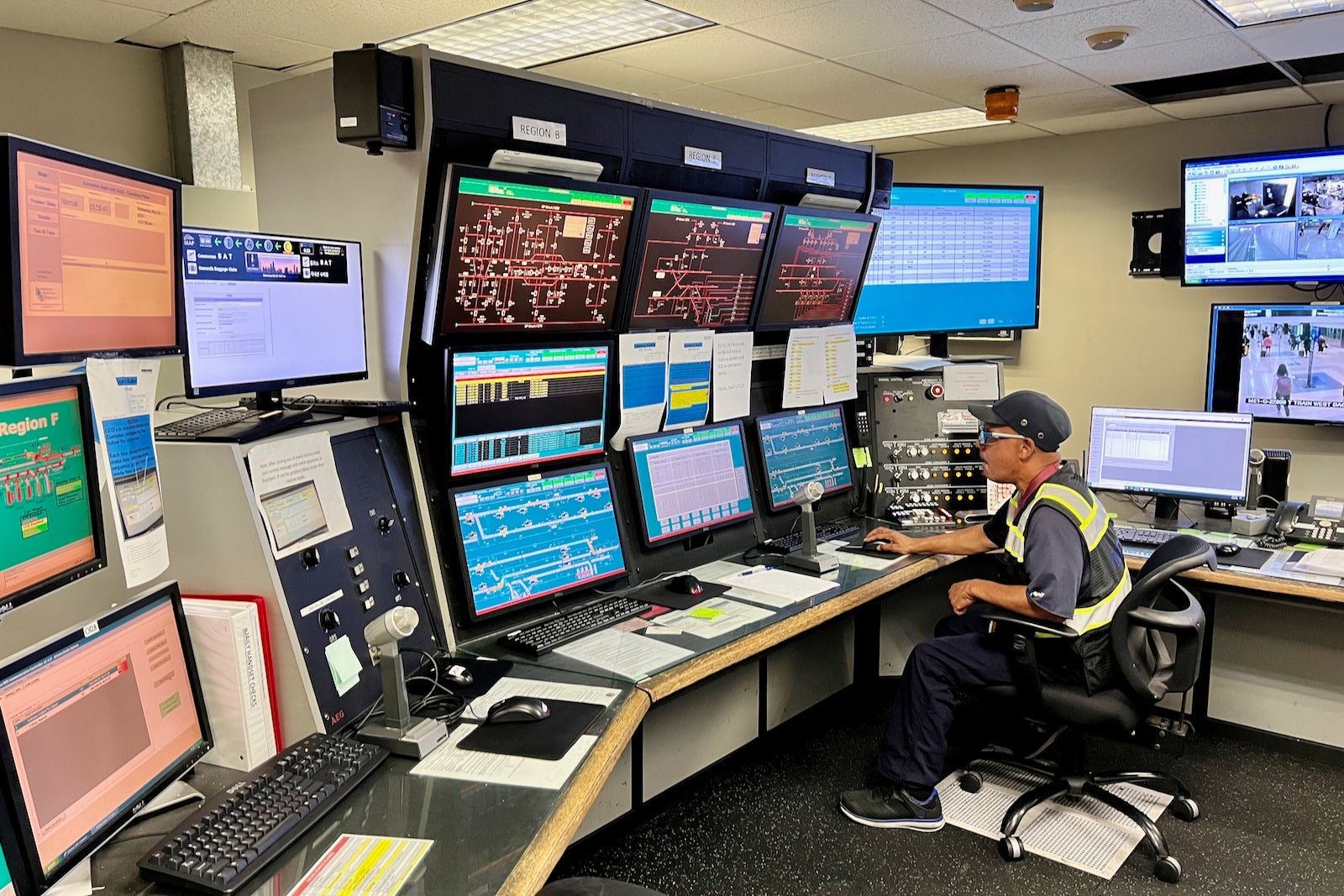
During peak hours — 5 a.m. all the way until 1 a.m. — there are 11 trains of four cars each running throughout the system.
That means that the longest passengers will have to wait is 108 seconds, or less than two minutes — and that's about to be reduced even by nearly 17% soon. A new turnaround track that's planned for under the domestic baggage claim area will allow the airport to run 15 trains at once, cutting that wait time down to 90 seconds when the track opens in 2024.
Construction of that new 700-foot tunnel is about halfway done. The more-frequent service allowed by the new turnaround track will mean that up to 12,000 passengers an hour will be able to ride the train, up from the current 10,000.
During the system's few off-hours overnight, you might have to wait up to 8 minutes for the next train because there are only two trains running on a single track. They pass each other at a crossover track under the B gates. Luckily, very few passengers are in the airport then.
All the rest of the trains are being serviced at the light maintenance facility with five bays deep under the F gates.
In that same area, is a washing station for the outside of the trains — yes, just like the car wash for your automobile.
Once the trains are fixed, they don't just go immediately into service for passengers and airport employees to ride. If they have had major work, there is a parallel test track running between the E and F gates, where engineers run cars to ensure trains are fixed properly before deploying them back into service for riders. The test track even has a fake — or pseudo — station that can be seen below.
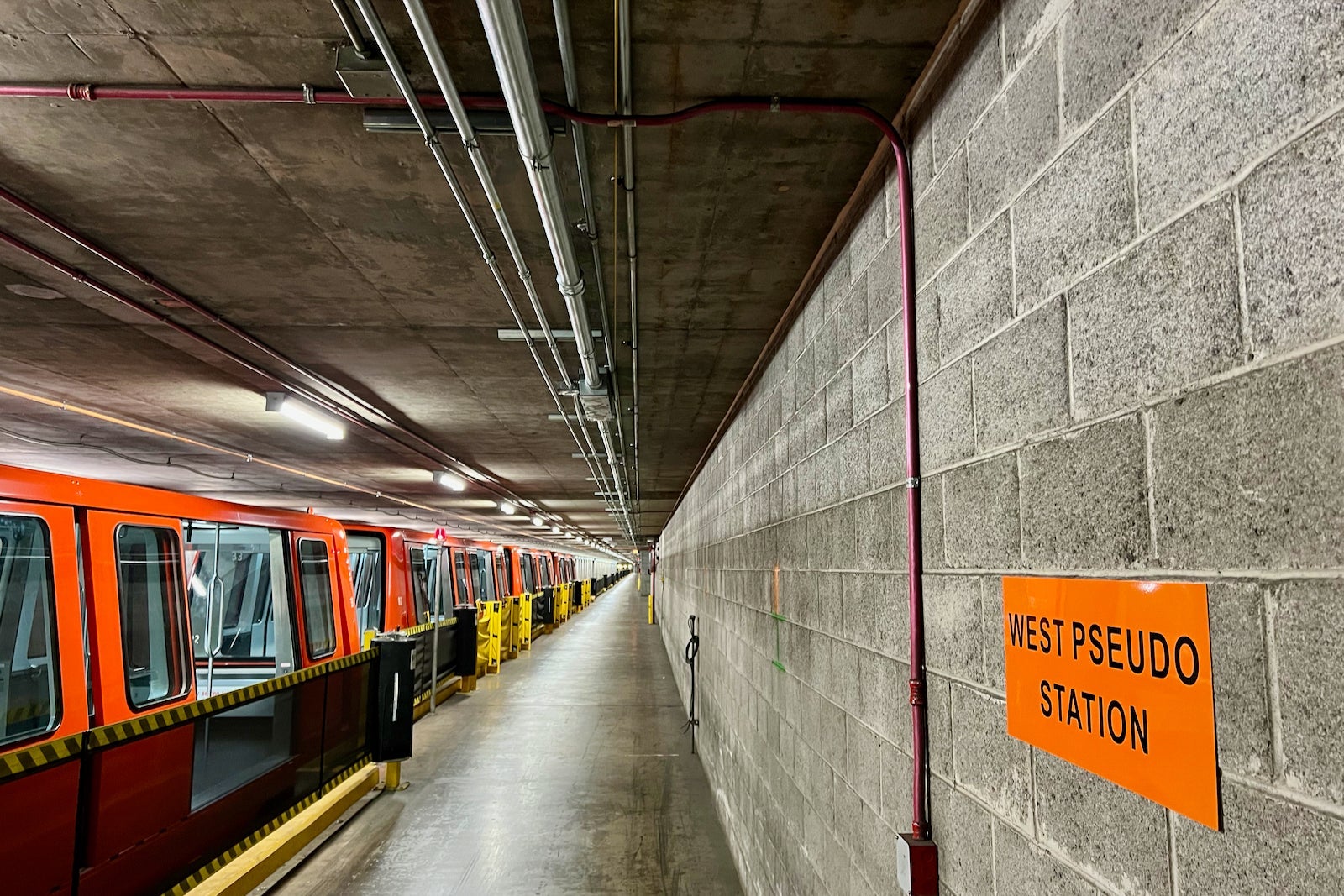
The maintenance teams have a good incentive to make sure the trains are working. In order to receive a bonus, the train operators (Alstom) need to hit a 99.5% reliability rate for train operations. If that number were to fall below 90%, the operators wouldn't get paid (and Delta, the airport's largest tenant, would likely be upset, too).
Finally, for all those AvGeeks out there, here's one last bit of tram trivia that we found fun. The trains use the phonetic alphabet, used by pilots and the military, to announce each new concourse — i.e. Alpha, Bravo and Charlie. But since Delta accounts for about 80% of all passengers in and out of Atlanta, the D gates are not referred to as "Delta" gates but as the "D as in David" concourse, so as not to confuse anybody flying Delta out of another part of the airport.
TPG featured card
at American Express's secure site
Terms & restrictions apply. See rates & fees.
| 4X | Earn 4X Membership Rewards® points per dollar spent on purchases at restaurants worldwide, on up to $50,000 in purchases per calendar year, then 1X points for the rest of the year. |
| 4X | Earn 4X Membership Rewards® points per dollar spent at US supermarkets, on up to $25,000 in purchases per calendar year, then 1X points for the rest of the year. |
| 5X | Earn 5X Membership Rewards® points on prepaid hotel stays booked through AmexTravel.com or the Amex Travel App™. |
| 3X | Earn 3X Membership Rewards® points on flights booked through AmexTravel.com, the Amex Travel App™, or purchased directly from airlines. |
| 2X | Earn 2X Membership Rewards® points on prepaid car rentals booked through AmexTravel.com or the Amex Travel App™ and cruises booked and paid through AmexTravel.com. |
| 1X | Earn 1X Membership Rewards® point per dollar spent on all other eligible purchases. |
Pros
- Valuable dining and food-related credits
- Flexible rewards with airline and hotel transfer partners
- Multiple travel and purchase protections
- No foreign transaction fees
- Access to Amex Offers for additional savings (enrollment required)
Cons
- Not as useful for those living outside the U.S.
- Some may have trouble using Uber and other dining credits
- You may be eligible for as high as 100,000 Membership Rewards® Points after you spend $8,000 in eligible purchases on your new Card in your first 6 months of Card Membership. Welcome offers vary and you may not be eligible for an offer. Apply to know if you’re approved and find out your exact welcome offer amount – all with no credit score impact. If you’re approved and choose to accept the Card, your score may be impacted.
- Earn 4X Membership Rewards® points per dollar spent on purchases at restaurants worldwide, on up to $50,000 in purchases per calendar year, then 1X points for the rest of the year.
- Earn 4X Membership Rewards® points per dollar spent at US supermarkets, on up to $25,000 in purchases per calendar year, then 1X points for the rest of the year.
- Earn 5X Membership Rewards® points on prepaid hotel stays booked through AmexTravel.com or the Amex Travel App™.
- Earn 3X Membership Rewards® points on flights booked through AmexTravel.com, the Amex Travel App™, or purchased directly from airlines.
- Earn 2X Membership Rewards® points on prepaid car rentals booked through AmexTravel.com or the Amex Travel App™ and cruises booked and paid through AmexTravel.com.
- Earn 1X Membership Rewards® point per dollar spent on all other eligible purchases.
- Pay It® lets you tap in the American Express® App to quickly pay for small purchase amounts throughout the month and still earn rewards the way you usually do. Plan It® gives you the option to split up big purchases into equal monthly payments with a fixed fee. You’ll know upfront exactly how much you’ll pay.
- $120 Dining Credit: Earn up to a total of $10 in statement credits monthly when you pay with the Gold Card at Grubhub (including Seamless), Buffalo Wild Wings, Five Guys, The Cheesecake Factory, and Wonder. This can be an annual savings of up to $120. Enrollment required.
- $100 Resy Credit: Get up to $100 in statement credits each calendar year at over 10,000 qualifying U.S. Resy restaurants after you pay for eligible purchases with the American Express® Gold Card. That’s up to $50 in statement credits semi-annually. Enrollment required.
- $84 Dunkin' Credit: Earn up to $7 in monthly statement credits after you pay with the American Express® Gold Card at U.S. Dunkin’ locations. Enrollment required.
- $120 Uber Cash on Gold: Enjoy up to $120 in Uber Cash annually with your Gold Card. Just add your Card to your Uber account and you'll get $10 in Uber Cash each month to use on orders and rides in the U.S. when you select an Amex Card for your transaction.
- Enjoy complimentary Hertz Five Star® Status benefits like skipping the counter at select locations, adding an additional driver at no additional cost*, and vehicle upgrades**. Benefit enrollment and Hertz Gold+ registration are required. *Additional drivers must meet standard rental qualifications and must be a spouse or domestic partner to qualify as complimentary. Other additional drivers subject to fees. **Benefits are subject to availability and vary by location. Additional Hertz program Terms and Conditions including age restrictions apply.
- Book two nights or more with The Hotel Collection through AmexTravel.com or the Amex Travel App™ and receive a $100* credit towards eligible charges at over 1,400 upscale hotels worldwide. *Eligible charges vary by property.
- Book your travel through the Amex Travel App™ with added peace of mind – backed by American Express® service and support. Only for American Express® Card Members.
- Whenever you need us, we're here. Our Member Services team will ensure you are taken care of. From lost Card replacement to statement questions, we are available to help 24/7.
- No Foreign Transaction Fees.
- Annual Fee is $325.
- Terms Apply.