3 things to know when you are facing a prolonged flight delay

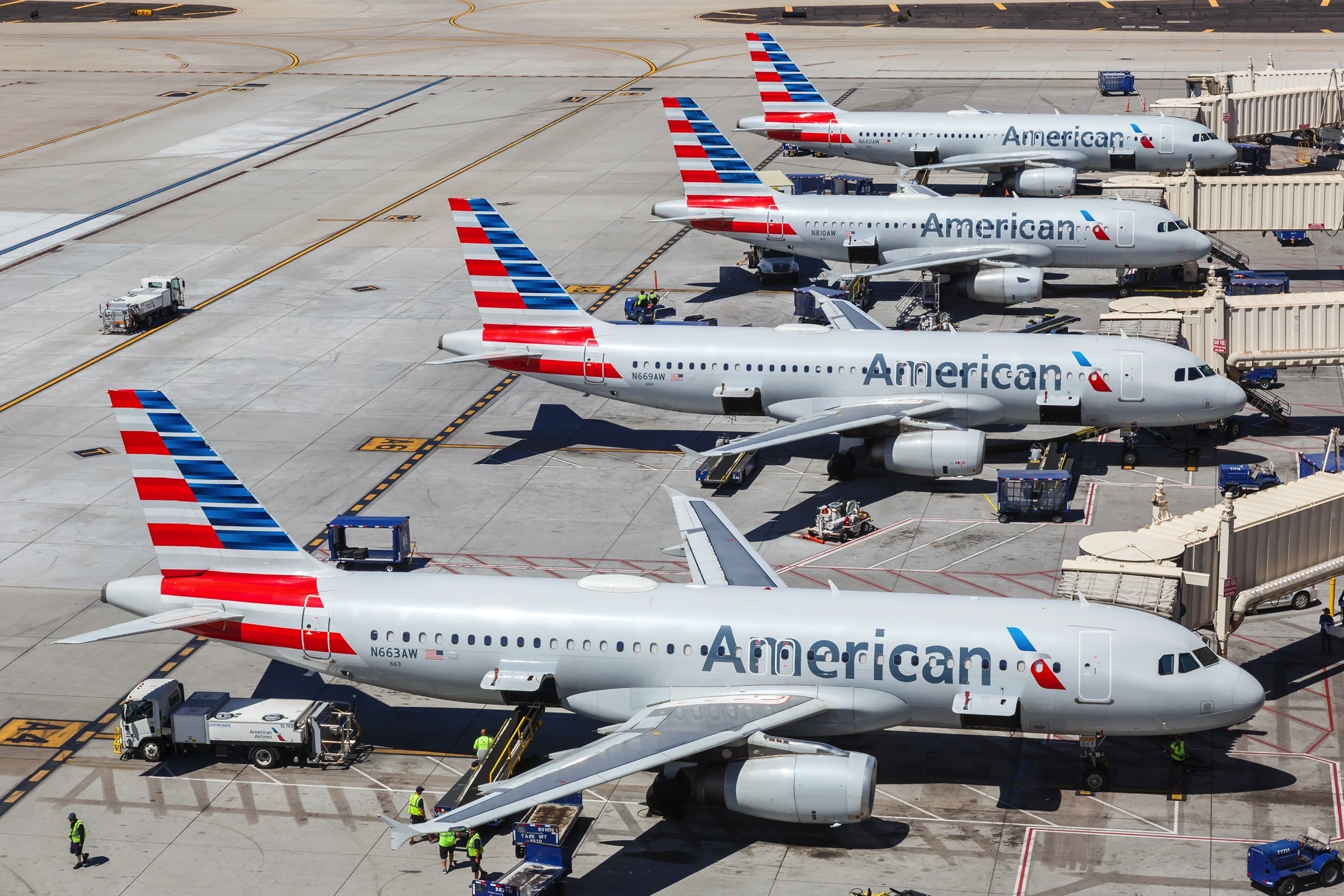
Last week, my family and I were flying to New York City to witness the reopening of Broadway and capture the magic of the musical "Wicked," in person. Our flight was on time and full, so we decided to get on the plane early in the boarding process to ensure we had enough overhead bin space for our carry-on baggage.
Everything seemed peachy. Our plan of landing at New York's LaGuardia Airport (LGA) around dinnertime and making it into Manhattan for a nice meal was still on.
Until it wasn't.
Our flight was delayed 30 minutes. Then an hour. Then another hour. All in all, we waited five hours on the plane before we finally departed from Miami and arrived past midnight in New York City — all due to bad weather at both airports.
The delay was ruinous for our evening plans. And, if not for my buoyant daughter who wanted to stick it out rather than deplane, we would have canceled our trip and gone home.
Delays are unfortunately part of the flying experience. But you, the passenger, have rights by virtue of the Department of Transportation's tarmac delay rule.
Here are three things you should keep in mind about the DOT's tarmac delay rule next time you're faced with a prolonged flight delay.
Related: Here's what to do if your flight is delayed or canceled
[table-of-contents /]

You have the right to deplane
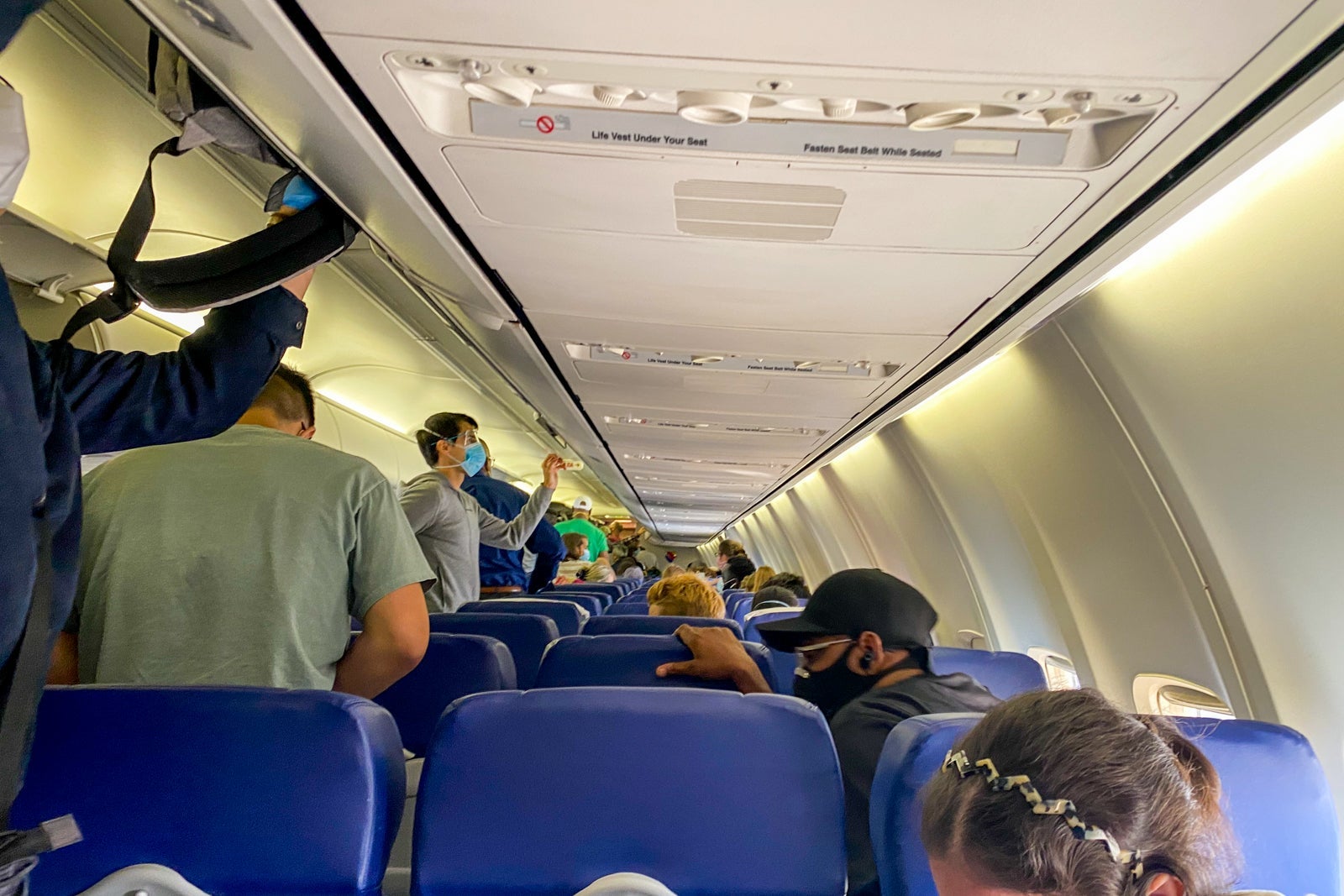
Under the DOT's tarmac delay rule, for flights landing or departing from a U.S. airport, airlines are required to return to the gate (from the tarmac) or move the plane to a location where passengers can safely deplane if there are long delays. For domestic flights, they can't keep you on the plane for more than three hours. It's a four-hour rule for international flights. That means they need to get you back to the gate in time to get off before three or four hours elapse.
Related: Here's what to ask for when things go wrong on your flight
The airline must offer you the opportunity to deplane during a tarmac delay. Just note, if you decide to get off, the airline is not required to allow you back on the airplane. And if you checked bags and plan on disembarking, you're out of luck as the airline will usually not open the cargo hold and offload your luggage.
After about three long hours waiting for takeoff, the crew on our flight to New York's LaGuardia Airport offered passengers a chance to deplane and return. Many passengers stood up and sped through the aisle and out the plane door to purchase something to eat or drink. Those passengers included my wife, who left the plane to pick up food. I stayed behind and ended up sitting in the same seat for five hours before we finally took off.
Related: United just got a big fine for tarmac delays
Passengers were allowed to reenter the plane by again showing boarding passes to a gate agent.
Related: The one major social distancing challenge I'd like to see airlines fix
Airlines are required to provide you with snacks and water
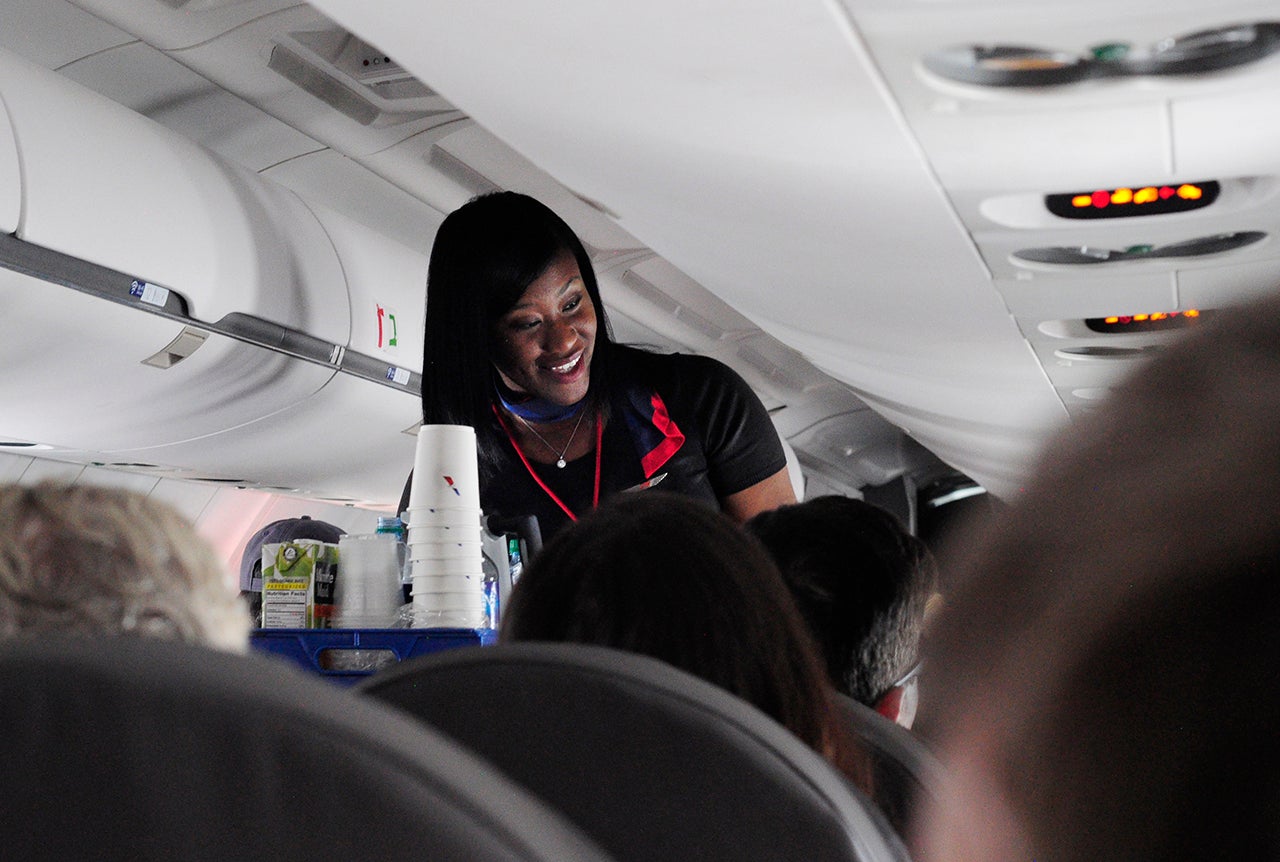
No, you won't get a first-class meal (not even in first class) simply because you're undergoing a lengthy delay. However, airlines are required to provide delayed passengers with a snack, such as a pack of pretzels, and drinking water no later than two hours after the aircraft leaves the gate (in the case of a departure) or touches down (in the case of an arrival).
The only scenario in which an airline is not required to pass out food and water to all passengers during an extended tarmac delay is when the pilot deems that food and water service cannot be provided due to safety or security concerns. For example, if an airplane is holding on an active runway, it may be prudent of the flight attendants to hold off on handing out food and water to passengers until it's safe to do so.
In addition, airlines must offer working lavatories, comfortable cabin temperature, and medical attention, if needed. Our plane was starting to feel uncomfortably warm from sitting idle for hours, so I politely asked the flight attendant if they could make the cabin a bit cooler and she lowered the temperature.
Related: Why do some airlines keep their cabins too warm to sleep in?
You have the right to be updated on the status of your flight
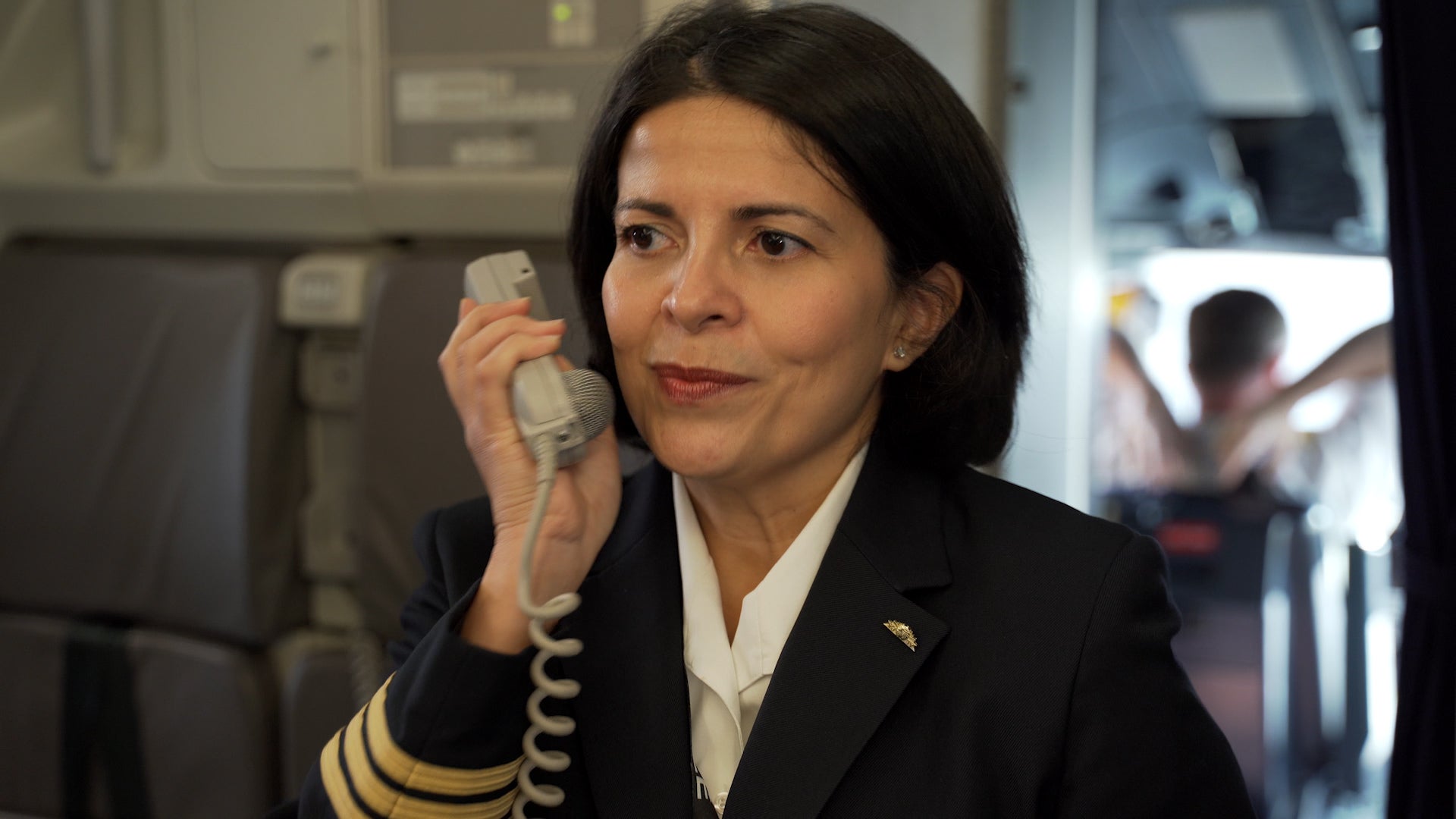
Being kept in the dark on your flight status while on a long, drawn-out delay is a frustrating ordeal for anyone. The DOT's tarmac delay rule says that airlines must provide passengers with notifications regarding the status of the delay every 30 minutes, including the reasons for the tarmac delay.
In my recent experience, this part of the DOT tarmac delay rule definitely was not enforced. With bad weather the culprit of our five-hour delay on the ground, our flight captain was communicative initially. But, that ended and silence then ensued from the cabin crew for several hours. Groaning from passengers proliferated.
You may politely ask the cabin crew for more frequent updates on your flight status if they've gone unusually long without providing one. Note the keyword: politely.
Related: When should you speak up about a flight delay?
Bottom line
Tarmac delays are unwished-for events and loathed by both passengers and cabin crew. However, it is an airline's responsibility to ensure that, when a tarmac delay does occur, passengers are comfortable while they wait onboard the aircraft and are given an opportunity to disembark once it's safe to do so.
While our extended flight delay put a damper on dinner in NYC the first night, ultimately we made it to see "Wicked" on Broadway, and each of us received compensation from the airline — in the form of miles and flight credit to use for an imminent return to see another Broadway show in the near future.
If you travel often, you'll inevitably find yourself on one of these long-lasting tarmac delays. But it pays to know DOT's tarmac delay rule and recognize the airline's responsibility to you, the passenger.
And don't forget to ask for compensation. While the airlines aren't entitled to give you any, it never hurts to ask ... nicely.
TPG featured card

at Capital One's secure site
Terms & restrictions apply. See rates & fees.
| 5X miles | Earn 5X miles on hotels, vacation rentals and rental cars booked through Capital One Travel |
| 2X miles | Earn unlimited 2X miles on every purchase, every day |
Pros
- Stellar welcome offer of 75,000 miles after spending $4,000 on purchases in the first three months from account opening. Plus, a $250 Capital One Travel credit to use in your first cardholder year upon account opening.
- You'll earn 2 miles per dollar on every purchase, which means you won't have to worry about memorizing bonus categories
- Rewards are versatile and can be redeemed for a statement credit or transferred to Capital One’s transfer partners
Cons
- Highest bonus-earning categories only on travel booked via Capital One Travel
- LIMITED-TIME OFFER: Enjoy $250 to use on Capital One Travel in your first cardholder year, plus earn 75,000 bonus miles once you spend $4,000 on purchases within the first 3 months from account opening - that’s equal to $1,000 in travel
- Earn unlimited 2X miles on every purchase, every day
- Earn 5X miles on hotels, vacation rentals and rental cars booked through Capital One Travel
- Miles won't expire for the life of the account and there's no limit to how many you can earn
- Receive up to a $120 credit for Global Entry or TSA PreCheck®
- Use your miles to get reimbursed for any travel purchase—or redeem by booking a trip through Capital One Travel
- Enjoy a $50 experience credit and other premium benefits with every hotel and vacation rental booked from the Lifestyle Collection
- Transfer your miles to your choice of 15+ travel loyalty programs
- Top rated mobile app