White House Announces Overhaul of Air Traffic Control System


To kick off "Infrastructure Week," the White House announced plans this morning to overhaul the US air traffic control system, hailing what's coming as "a great new era in American aviation."
In an White House East Room ceremony, the President, Secretary of Transportation Elaine Chao and others spoke generally about a proposal to transition control of the nation's skies away from the Federal Aviation Administration (FAA). In order to "separate the regulator from the operator," a new non-governmental nonprofit "co-op" entity will take over air traffic control duties. President Trump states that this will make "flights quicker, safer and more reliable."
The new entity will be solely funded by user fees and wouldn't receive any government funding. This is a move that airlines have been trumpeting for years, but the general aviation community has vocally opposed (caution: PDF link) for over a decade, claiming that this will lead to increases in fees and decreased access for private aircraft.
Along with this change in control will be a shift in how flights are controlled: moving from the current ground-based radar and paper-strip system to one using "far superior equipment, the best equipment anywhere in the world."
While "GPS" wasn't mentioned at any point during the 30 minutes of speeches, it's likely that this is foreshadowing a transition to a GPS-based system of air traffic control — which is hailed by proponents as a way to increase capacity, decrease delays and reduce fuel costs.
In fact, the FAA has already laid the foundational framework for such a GPS system to be put into place through its NextGen modernization program:
https://www.faa.gov/v_ondemand/FAA_NG_Facts_FINAL_FAA_TV_960.mp4
While the plan became official just today, this announcement isn't a surprise. The President called the ATC system "a system that's totally out of whack" ahead of his meetings with US airlines in February, before calling for privatizing the air traffic control system in March.
A lot of people may think: If it ain't broke, don't fix it. And, the US air traffic control system doesn't seem broken. After all, we're almost halfway through our eighth straight calendar year without a fatal accident by a US-flagged commercial aircraft.

But, most stakeholders agree that a reform of the air traffic control system is long overdue. While the FAA wants to do so by moving forward with its NextGen modernization plan, it hasn't received the necessary Congressional funding to move forward. During the FAA's re-authorization last summer, Congress punted on providing additional funding for NextGen or overhauling the FAA. Instead, the FAA was just funded pretty much as-is for another year.
Globally, there's not much opposition to the idea of separating air traffic control duties from the FAA. The UN's International Civil Aviation Organization has urged all UN member countries to separate ATC duties from government control. And over 60 countries have now done so — including Canada, the UK, Australia and New Zealand.
Most US-based airlines are on board with the idea of ATC privatization as well. Southwest's CEO Gary Kelly's stance is clear: "We want to get the government out of the role of managing the air traffic control system." Delta is one of the lone opponents, having recently released a study showing that "air travelers could be on the hook to cover 20 to 29 percent higher costs if the U.S. moves to a private air traffic control (ATC) organization funded through user fees."
Besides Delta, who else isn't on board with the new plan? Democrats. Nancy Pelosi released a statement this morning saying that "selling off our Air Traffic Control system threatens passenger safety, undermines the FAA's ongoing modernization, jeopardizes access to rural airports and adds to the deficit."
Despite record-setting air traffic, the number of certified air traffic controllers has declined each year since 2012 and currently stands at a 28-year low. The FAA has only hit its ATC hiring goal one of the last eight years. It gets worse: 29% of active air traffic controllers are currently eligible to retire.
Will privatizing the air traffic control system reverse these problems? How long would it take for such an entity to be put in place? Will Congress even move forward with this proposal? We will have to see.
Featured image courtesy of Mario Gutiérrez via Getty Images.
Do you think air traffic control should be privatized?
TPG featured card
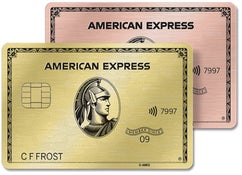
at American Express's secure site
Terms & restrictions apply. See rates & fees.
| 4X | Earn 4X Membership Rewards® points per dollar spent on purchases at restaurants worldwide, on up to $50,000 in purchases per calendar year, then 1X points for the rest of the year. |
| 4X | Earn 4X Membership Rewards® points per dollar spent at US supermarkets, on up to $25,000 in purchases per calendar year, then 1X points for the rest of the year. |
| 5X | Earn 5X Membership Rewards® points on prepaid hotel stays booked through AmexTravel.com or the Amex Travel App™. |
| 3X | Earn 3X Membership Rewards® points on flights booked through AmexTravel.com, the Amex Travel App™, or purchased directly from airlines. |
| 2X | Earn 2X Membership Rewards® points on prepaid car rentals booked through AmexTravel.com or the Amex Travel App™ and cruises booked and paid through AmexTravel.com. |
| 1X | Earn 1X Membership Rewards® point per dollar spent on all other eligible purchases. |
Pros
- Valuable dining and food-related credits
- Flexible rewards with airline and hotel transfer partners
- Multiple travel and purchase protections
- No foreign transaction fees
- Access to Amex Offers for additional savings (enrollment required)
Cons
- Not as useful for those living outside the U.S.
- Some may have trouble using Uber and other dining credits
- You may be eligible for as high as 100,000 Membership Rewards® Points after you spend $8,000 in eligible purchases on your new Card in your first 6 months of Card Membership. Welcome offers vary and you may not be eligible for an offer. Apply to know if you’re approved and find out your exact welcome offer amount – all with no credit score impact. If you’re approved and choose to accept the Card, your score may be impacted.
- Earn 4X Membership Rewards® points per dollar spent on purchases at restaurants worldwide, on up to $50,000 in purchases per calendar year, then 1X points for the rest of the year.
- Earn 4X Membership Rewards® points per dollar spent at US supermarkets, on up to $25,000 in purchases per calendar year, then 1X points for the rest of the year.
- Earn 5X Membership Rewards® points on prepaid hotel stays booked through AmexTravel.com or the Amex Travel App™.
- Earn 3X Membership Rewards® points on flights booked through AmexTravel.com, the Amex Travel App™, or purchased directly from airlines.
- Earn 2X Membership Rewards® points on prepaid car rentals booked through AmexTravel.com or the Amex Travel App™ and cruises booked and paid through AmexTravel.com.
- Earn 1X Membership Rewards® point per dollar spent on all other eligible purchases.
- Pay It® lets you tap in the American Express® App to quickly pay for small purchase amounts throughout the month and still earn rewards the way you usually do. Plan It® gives you the option to split up big purchases into equal monthly payments with a fixed fee. You’ll know upfront exactly how much you’ll pay.
- $120 Dining Credit: Earn up to a total of $10 in statement credits monthly when you pay with the Gold Card at Grubhub (including Seamless), Buffalo Wild Wings, Five Guys, The Cheesecake Factory, and Wonder. This can be an annual savings of up to $120. Enrollment required.
- $100 Resy Credit: Get up to $100 in statement credits each calendar year at over 10,000 qualifying U.S. Resy restaurants after you pay for eligible purchases with the American Express® Gold Card. That’s up to $50 in statement credits semi-annually. Enrollment required.
- $84 Dunkin' Credit: Earn up to $7 in monthly statement credits after you pay with the American Express® Gold Card at U.S. Dunkin’ locations. Enrollment required.
- $120 Uber Cash on Gold: Enjoy up to $120 in Uber Cash annually with your Gold Card. Just add your Card to your Uber account and you'll get $10 in Uber Cash each month to use on orders and rides in the U.S. when you select an Amex Card for your transaction.
- Enjoy complimentary Hertz Five Star® Status benefits like skipping the counter at select locations, adding an additional driver at no additional cost*, and vehicle upgrades**. Benefit enrollment and Hertz Gold+ registration are required. *Additional drivers must meet standard rental qualifications and must be a spouse or domestic partner to qualify as complimentary. Other additional drivers subject to fees. **Benefits are subject to availability and vary by location. Additional Hertz program Terms and Conditions including age restrictions apply.
- Book two nights or more with The Hotel Collection through AmexTravel.com or the Amex Travel App™ and receive a $100* credit towards eligible charges at over 1,400 upscale hotels worldwide. *Eligible charges vary by property.
- Book your travel through the Amex Travel App™ with added peace of mind – backed by American Express® service and support. Only for American Express® Card Members.
- Whenever you need us, we're here. Our Member Services team will ensure you are taken care of. From lost Card replacement to statement questions, we are available to help 24/7.
- No Foreign Transaction Fees.
- Annual Fee is $325.
- Terms Apply.