Are the 747 and A380 Superjumbo Jets on Their Way to the Graveyard?

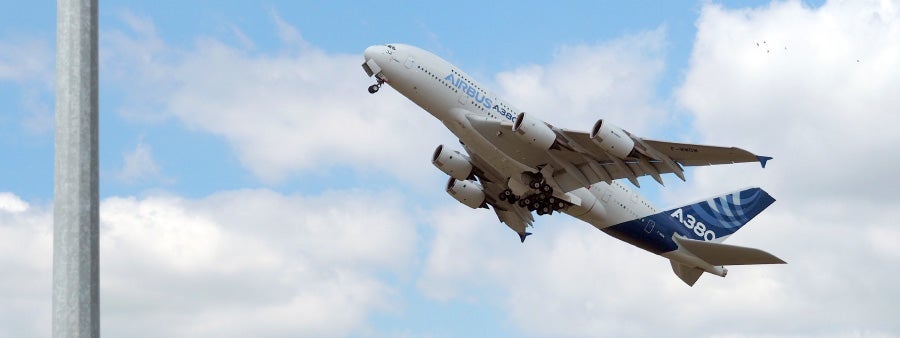
If you've ever flown on a superjumbo airplane, you know it's a special trip. There's something about the size, the pure number of passengers, even those stairs inside the cabin leading up to the second deck that makes travel on a 747 or an A380 a flight to remember.
But times have changed, and with improvements in jet engine and carbon fiber composite technology and an ever increasing focus on fuel efficiency, the days of the four-engine plane may be numbered. Two-engine aircraft such as the Boeing 777 and the Airbus A350 can now carry similar passenger loads for nearly the same distance while burning much less fuel, making the larger superjumbo jets a prime target for cost cutting.
So with 747 fleets being retired more quickly than ever before and the A380 potentially on the Airbus chopping block, just how much longer will we have to fly on one of these mammoth aircraft?
747 — The Queen of the Skies
Aircraft types can be difficult to identify by eye, but anyone can recognize the distinctive front "hump" of the Boeing 747 that was originally designed to be used as a first class lounge or for ease in converting the plane to a cargo version. The Queen of the Skies was the first widebody ever produced, and in many ways ushered in the golden age of flying.
Egged on by Pan Am, which was concerned about congestion from the increasing number of small aircraft, the 747 was developed by Boeing in the 1960s and flew its first commercial flight in 1970 with Pan Am taking delivery of the first plane. It remained the largest passenger airliner in service until the introduction of the A380 in 2007.
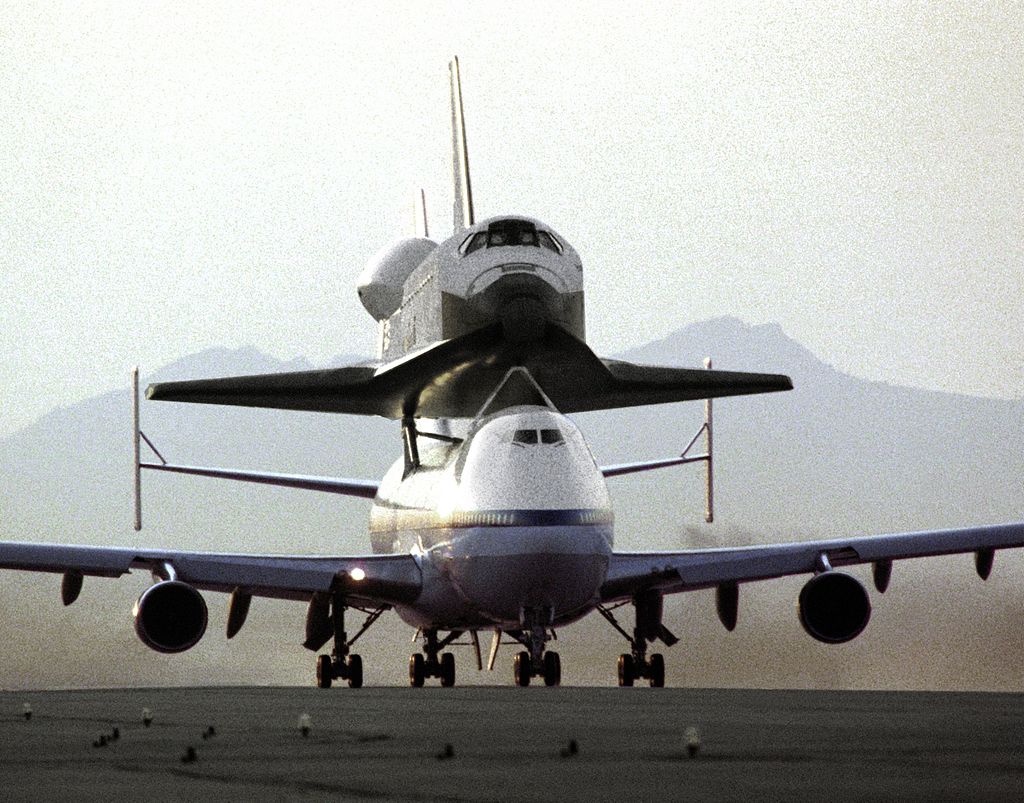
The airplane quickly assumed an iconic status in the world of air travel, and while the 747 has been a difficult lift economically for Boeing from time to time, more than 1,500 have been built to date. The model has also served as Air Force One, the official plane of the President of the United States, for over 25 years since it replaced the 707 in 1990. The most recent commercial version of the plane — the 747-8 — can carry up to 467 passengers in a 3-cabin configuration.
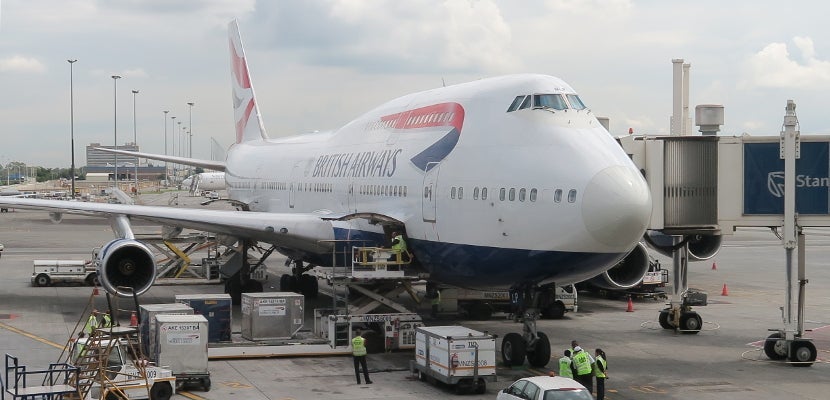
Unfortunately, recent years have not been kind to the popularity of the 747 with airlines. Earlier this month, United announced it was speeding up its timetable for retiring its entire 747 fleet, and the planes will now be out of service by the end of 2017. Delta is the only other US airline still flying the jumbo jet, but it will also retire its planes by the end of this year, leaving only international carriers as purveyors of the plane. As of now, the largest remaining operators are British Airways, Korean Air, and Lufthansa, but even those three airlines combined have only around 100 copies of the aircraft in service.
So what does the future hold for the 747? Boeing currently only produces six 747s a year, and in July 2016, the aerospace company noted the lack of demand for the plane in its quarterly Form-10Q filing with the SEC. It also stated that the 747 production line could be shut down as early as the third quarter of 2019. While some additional cargo planes have been ordered since that announcement which could extend the timeline by a couple of years, even those orders bring the total backlog to only 28 planes as of the end of 2016, with only 9 planes being of the passenger variety.

Without renewed interest from passenger airlines or a major uptick in cargo orders, it seems unlikely that production of the 747 will survive much beyond the end of the decade.
A380 — The world's largest passenger jet
If the 747 goes the way of the dodo, Boeing can at least take comfort in the fact that the plane had a good long run. But the same cannot be said of the A380 if a similar fate befalls it.
As the only commercial aircraft with a second deck running the entire length of the aircraft, the A380 is roughly 30% larger in size than the 747. The original A380-800 variant, which despite some modifications over the years remains the only model to date, carries 525 passengers in a three-cabin configuration. Airbus originally also proposed a cargo version of the plane, but the A380F was cancelled before ever being built.
Conceived in the 1990s as a challenger to the 747, Airbus' timing on the A380 was never ideal. At a time when airlines were moving away from the hub-and-spoke system and towards more nonstop point-to-point flights and higher frequencies, the need for smaller aircraft was projected — correctly, as it turned out — to greatly exceed that of larger ones. Even so, seven years and at least $11 billion after launching the program, the first A380 officially entered service with Singapore Airlines in 2007.
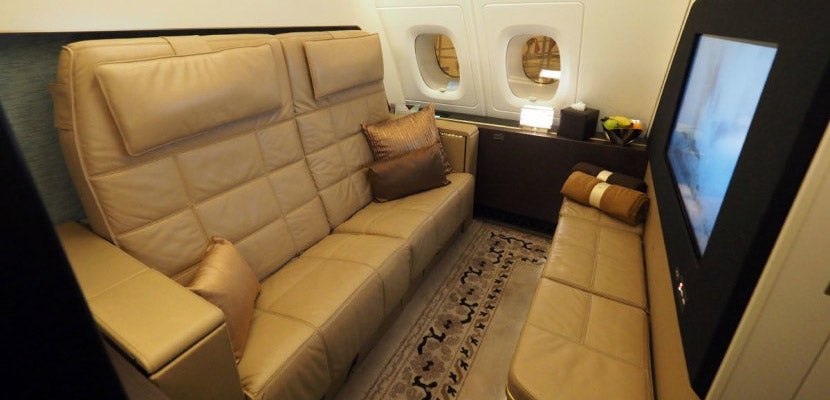
Unfortunately for Airbus, since that launch only 319 copies of the plane have been ordered — less than 25% of the lifetime production of the 747 — and of those orders, more than one-third have come from a single carrier: Emirates. While the plane has operated well and gets excellent reviews from passengers for its ability to provide ultra-high end amenities and cabins such as Etihad's Apartment, the costs of the jet have kept many customers away.
No US airline has ordered a single A380, so only international airlines operate the aircraft in the United States. Aside from Emirates with its 92 planes and more on order, Singapore Airlines and Lufthansa are the next largest operators with a significantly smaller 19 and 14 planes respectively. Last year Airbus announced two separate production cuts for the aircraft and will be officially reducing its manufacturing rate to just 12 planes a year by 2018.
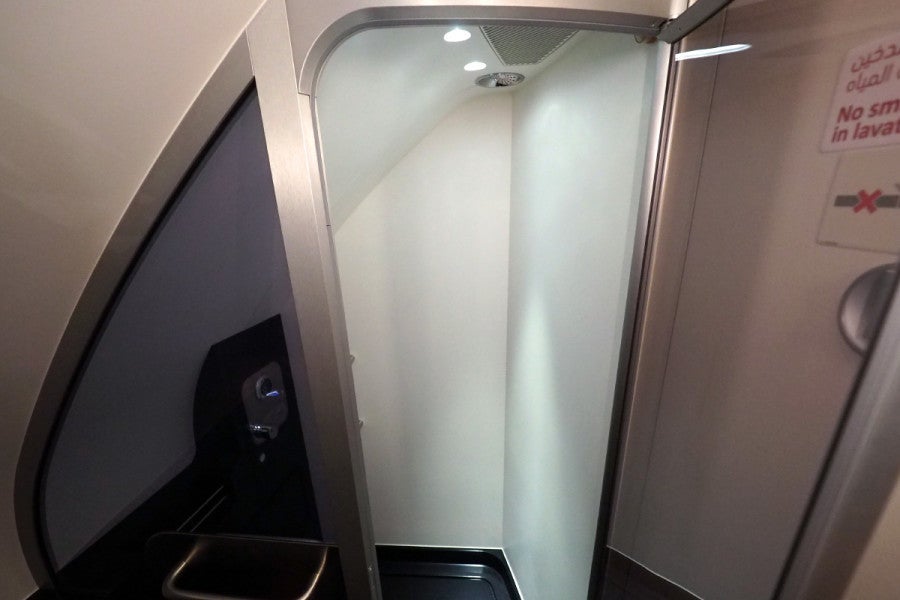
Still, Airbus was finally able to break even on the A380 in 2015 and continues to maintain its commitment to the jet. It is relying heavily on Emirates' interest in the plane, as the Middle Eastern carrier's entire fleet now consists solely of A380s and Boeing 777s. Though Emirates is eager for a more efficient jet engine for the aircraft, it admits at this point it is simply hoping that Airbus keeps manufacturing the A380 for the foreseeable future.
So how much time is left to fly a superjumbo?
Before you get depressed, remember that the prediction business is a fools game, and unforeseen changes can drastically alter the future. This isn't the first time someone has written about the oncoming demise of the superjumbo over the last few years, yet the planes continue to be built and continue to fly. Even if both airplanes were to cease production tomorrow, there remain almost 250 passenger 747s in the air and over 200 A380s in service.
Still, if you've never been on a 747 or an A380, doing it sooner rather than later might be wise. With aerospace technology improving by the day, it seems likely we'll come to a point in the not-too-distant future where the experience of flying on a superjumbo jet is consigned to the dustbin of history.
TPG featured card
at American Express's secure site
Terms & restrictions apply. See rates & fees.
| 4X | Earn 4X Membership Rewards® points per dollar spent on purchases at restaurants worldwide, on up to $50,000 in purchases per calendar year, then 1X points for the rest of the year. |
| 4X | Earn 4X Membership Rewards® points per dollar spent at US supermarkets, on up to $25,000 in purchases per calendar year, then 1X points for the rest of the year. |
| 5X | Earn 5X Membership Rewards® points on prepaid hotel stays booked through AmexTravel.com or the Amex Travel App™. |
| 3X | Earn 3X Membership Rewards® points on flights booked through AmexTravel.com, the Amex Travel App™, or purchased directly from airlines. |
| 2X | Earn 2X Membership Rewards® points on prepaid car rentals booked through AmexTravel.com or the Amex Travel App™ and cruises booked and paid through AmexTravel.com. |
| 1X | Earn 1X Membership Rewards® point per dollar spent on all other eligible purchases. |
Pros
- Valuable dining and food-related credits
- Flexible rewards with airline and hotel transfer partners
- Multiple travel and purchase protections
- No foreign transaction fees
- Access to Amex Offers for additional savings (enrollment required)
Cons
- Not as useful for those living outside the U.S.
- Some may have trouble using Uber and other dining credits
- You may be eligible for as high as 100,000 Membership Rewards® Points after you spend $8,000 in eligible purchases on your new Card in your first 6 months of Card Membership. Welcome offers vary and you may not be eligible for an offer. Apply to know if you’re approved and find out your exact welcome offer amount – all with no credit score impact. If you’re approved and choose to accept the Card, your score may be impacted.
- Earn 4X Membership Rewards® points per dollar spent on purchases at restaurants worldwide, on up to $50,000 in purchases per calendar year, then 1X points for the rest of the year.
- Earn 4X Membership Rewards® points per dollar spent at US supermarkets, on up to $25,000 in purchases per calendar year, then 1X points for the rest of the year.
- Earn 5X Membership Rewards® points on prepaid hotel stays booked through AmexTravel.com or the Amex Travel App™.
- Earn 3X Membership Rewards® points on flights booked through AmexTravel.com, the Amex Travel App™, or purchased directly from airlines.
- Earn 2X Membership Rewards® points on prepaid car rentals booked through AmexTravel.com or the Amex Travel App™ and cruises booked and paid through AmexTravel.com.
- Earn 1X Membership Rewards® point per dollar spent on all other eligible purchases.
- Pay It® lets you tap in the American Express® App to quickly pay for small purchase amounts throughout the month and still earn rewards the way you usually do. Plan It® gives you the option to split up big purchases into equal monthly payments with a fixed fee. You’ll know upfront exactly how much you’ll pay.
- $120 Dining Credit: Earn up to a total of $10 in statement credits monthly when you pay with the Gold Card at Grubhub (including Seamless), Buffalo Wild Wings, Five Guys, The Cheesecake Factory, and Wonder. This can be an annual savings of up to $120. Enrollment required.
- $100 Resy Credit: Get up to $100 in statement credits each calendar year at over 10,000 qualifying U.S. Resy restaurants after you pay for eligible purchases with the American Express® Gold Card. That’s up to $50 in statement credits semi-annually. Enrollment required.
- $84 Dunkin' Credit: Earn up to $7 in monthly statement credits after you pay with the American Express® Gold Card at U.S. Dunkin’ locations. Enrollment required.
- $120 Uber Cash on Gold: Enjoy up to $120 in Uber Cash annually with your Gold Card. Just add your Card to your Uber account and you'll get $10 in Uber Cash each month to use on orders and rides in the U.S. when you select an Amex Card for your transaction.
- Enjoy complimentary Hertz Five Star® Status benefits like skipping the counter at select locations, adding an additional driver at no additional cost*, and vehicle upgrades**. Benefit enrollment and Hertz Gold+ registration are required. *Additional drivers must meet standard rental qualifications and must be a spouse or domestic partner to qualify as complimentary. Other additional drivers subject to fees. **Benefits are subject to availability and vary by location. Additional Hertz program Terms and Conditions including age restrictions apply.
- Book two nights or more with The Hotel Collection through AmexTravel.com or the Amex Travel App™ and receive a $100* credit towards eligible charges at over 1,400 upscale hotels worldwide. *Eligible charges vary by property.
- Book your travel through the Amex Travel App™ with added peace of mind – backed by American Express® service and support. Only for American Express® Card Members.
- Whenever you need us, we're here. Our Member Services team will ensure you are taken care of. From lost Card replacement to statement questions, we are available to help 24/7.
- No Foreign Transaction Fees.
- Annual Fee is $325.
- Terms Apply.