The gap between premium and budget experiences is widening

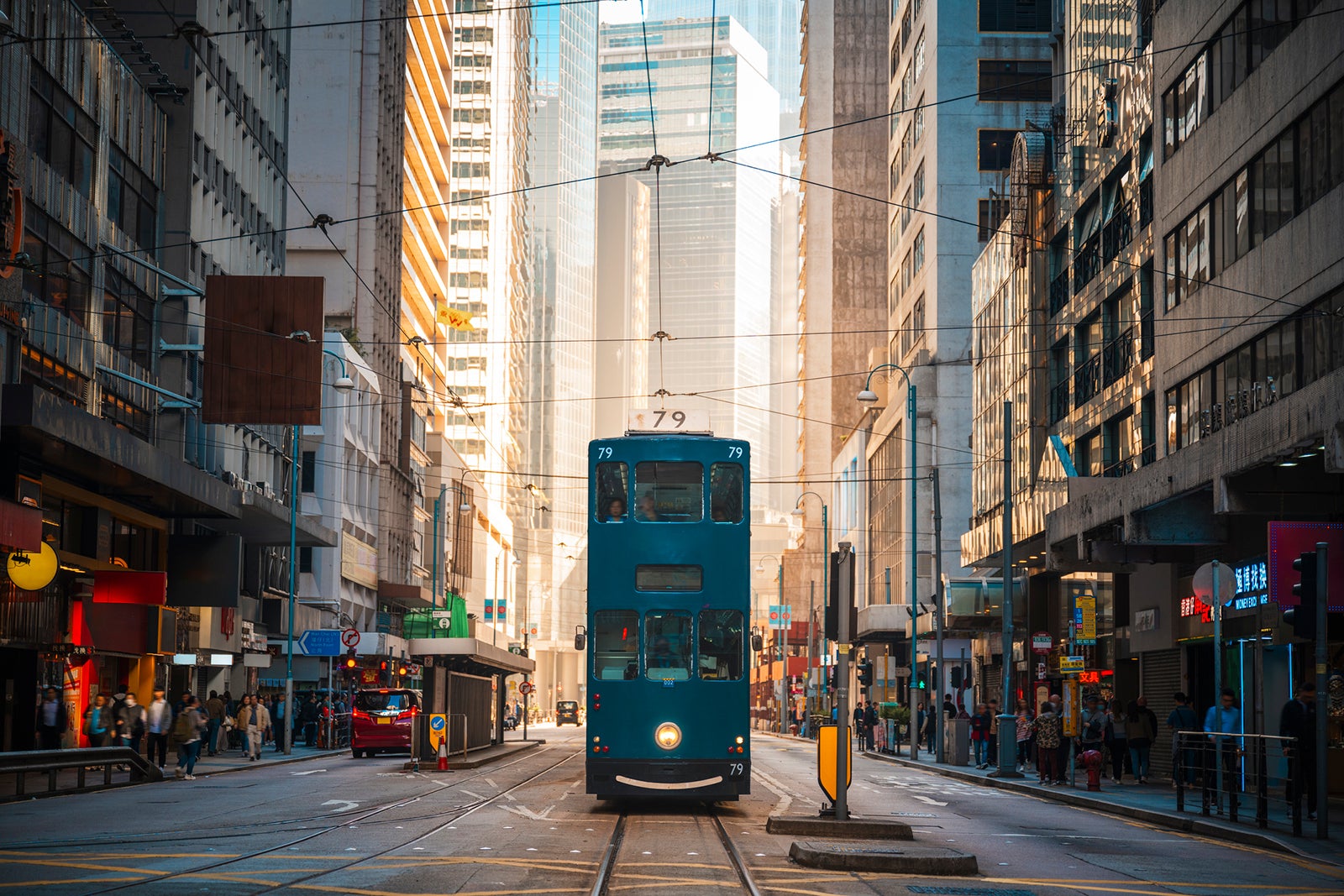
Today, if you buy a seat in Delta Air Lines' fanciest cabin — or book it with points — at some airports, you can skip nearly all of the chaos of the traditional security lines.
In New York, flyers departing John F. Kennedy International Airport (JFK) on a Delta One ticket get funneled into a private lobby. There, the refreshments start flowing before customers even reach the semi-private security checkpoint, en route to America's nicest (and perhaps most exclusive) airport lounge.
But just before walking in the doors of the 40,000-square-foot JFK club, there's a moment where customers can look out over a balcony and admire what their money (or points) just allowed them to skirt.
Down below, you see customers packed into lines at security. Travelers hustling down the airport concourse, $8 water bottles in tow. Crowds. Stress.
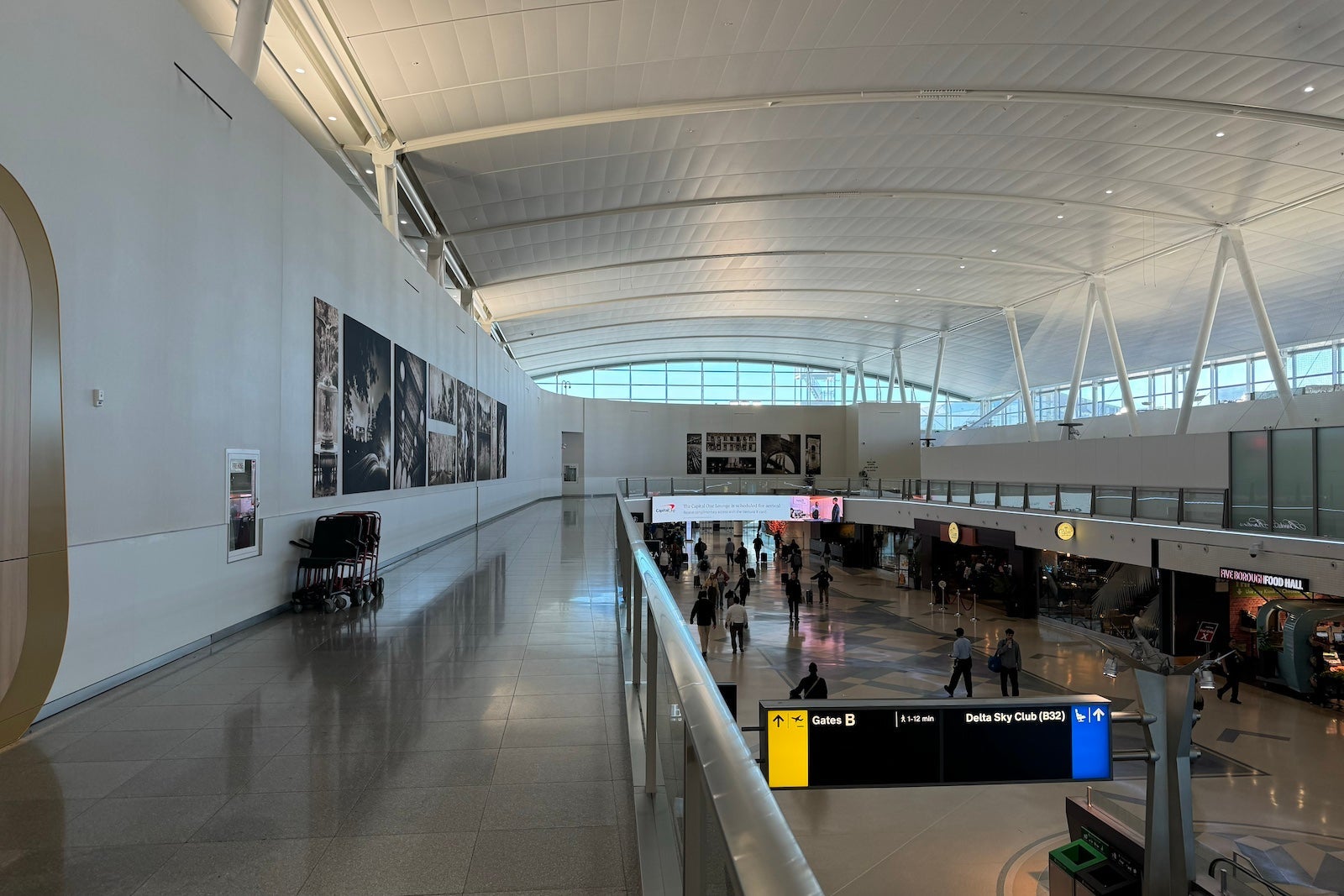
It's a tale of two worlds: one for the masses, and another for customers willing to pay up — not just for the lie-flat seat, but the high-end meal, spa treatment and a little tranquility before departure.
And that split is getting more stark.
The gap between premium and budget widens
In 2026, we expect the gap between premium and budget travel experiences to continue widening — with experiences diverging long before travelers ever board a plane or walk into a luxury hotel suite.
This has emerged as one of the key travel trends that will shape the industry in 2026.
Credit card issuers double down on big spenders
This year, banking giants American Express and Chase rolled out some of the highest annual fees we've ever seen for consumer cards, doubling down on appealing to travelers willing to pay a premium for extra points, travel benefits and — increasingly — lifestyle perks.

Just how much are we talking?
After a refresh this fall, you'll pay $895 to carry American Express Platinum Card® (see rates and fees), up from $695 previously. Chase Sapphire Reserve® (see rates and fees) cardholders saw annual fees hiked 45%, to $795. Across the board, we've seen a 22% increase in the average annual fee cost on premium credit cards since 2023.
Sticker shock, anyone? Sure, but for those willing to foot the bill, the cards now pack hundreds of dollars each in annual credits on things like Apple TV+, high-end restaurants and alluring hotels. And that's on top of access to the issuers' own portfolios of airport lounges.
Yet, for all the fancy perks folded into these premium cards, the enhancements have been far more modest for consumers who don't want to shell out hundreds of dollars a year.
Many airline cards, for instance, offer roughly the same points, baggage and boarding benefits they did five or ten years ago.
Broadly speaking, much of the innovation for issuers — and their airline and hotel partners — has been upmarket, as each hopes to court the dollars of high-income travelers.
Airlines get in on the high-end rush
At the airport, those dynamics go well beyond Delta.
In the coming months, United Airlines expects to debut its high-end "Elevated" cabin on the Boeing 787-9 Dreamliner, which features a whopping 99 premium seats — including a handful of extra-luxe Polaris Studios, where passengers will be treated to caviar on long-haul flights.
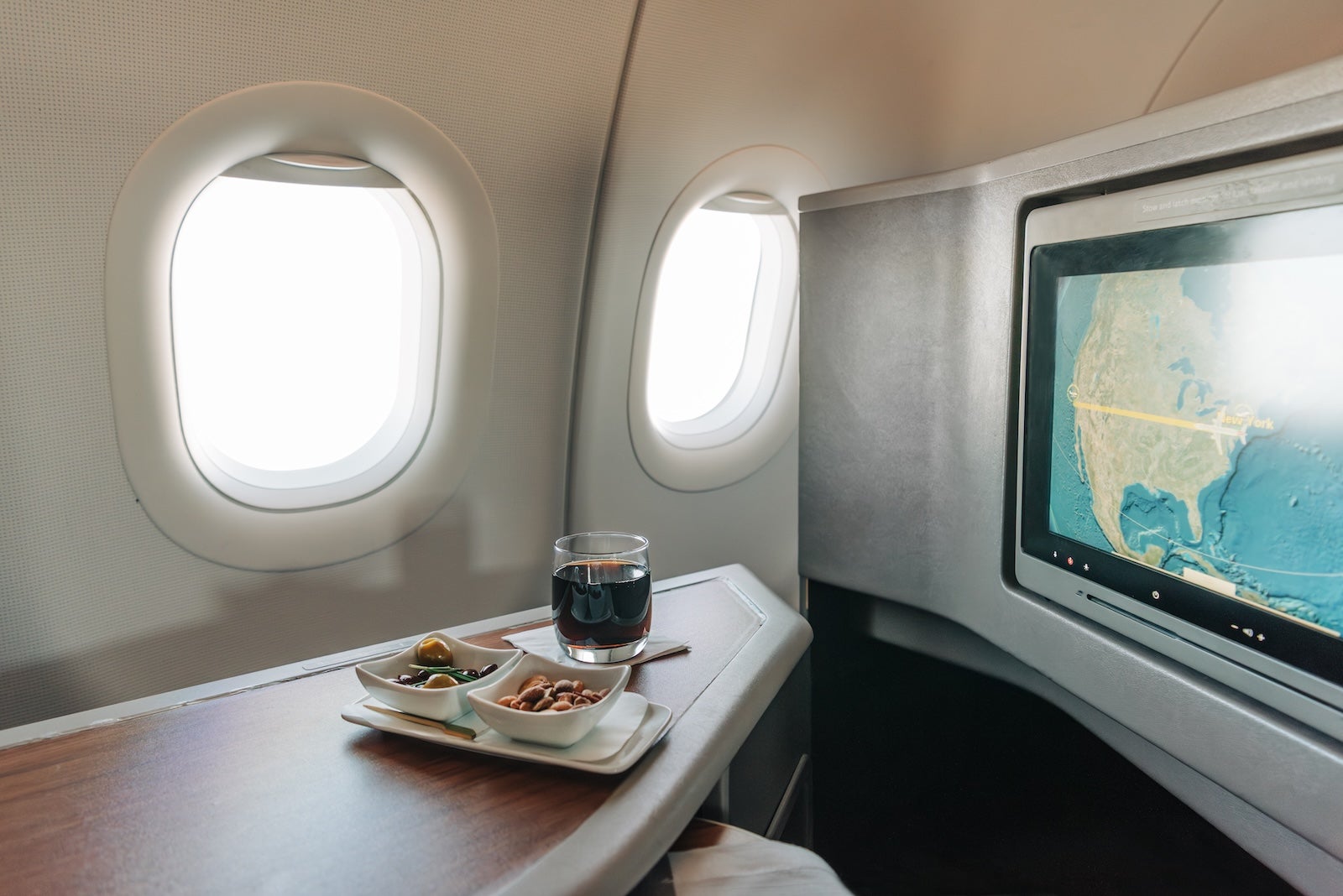
United is one of many global carriers looking to not only expand the size of its business cabin, but also offer a small number of even nicer (and pricier) accommodations for travelers willing to pay for an even roomier setup.
"There's more a focus on that elevated experience," said Alastair Hamilton, vice president at seatmaker Collins Aerospace, speaking to TPG earlier this year in Hamburg, Germany.
"It's picking up all over the place," Hamilton said of airlines. "Trying to monetize every part of the cabin as much as they possibly can."
That premiumization push is happening all over the global airline industry.
Last spring, Air France launched easily the swankiest seats flying between the U.S. and Europe with its state-of-the-art "La Premiere" first-class cabin, which boasts a chaise lounge, a massive entertainment screen and free-flowing Champagne.
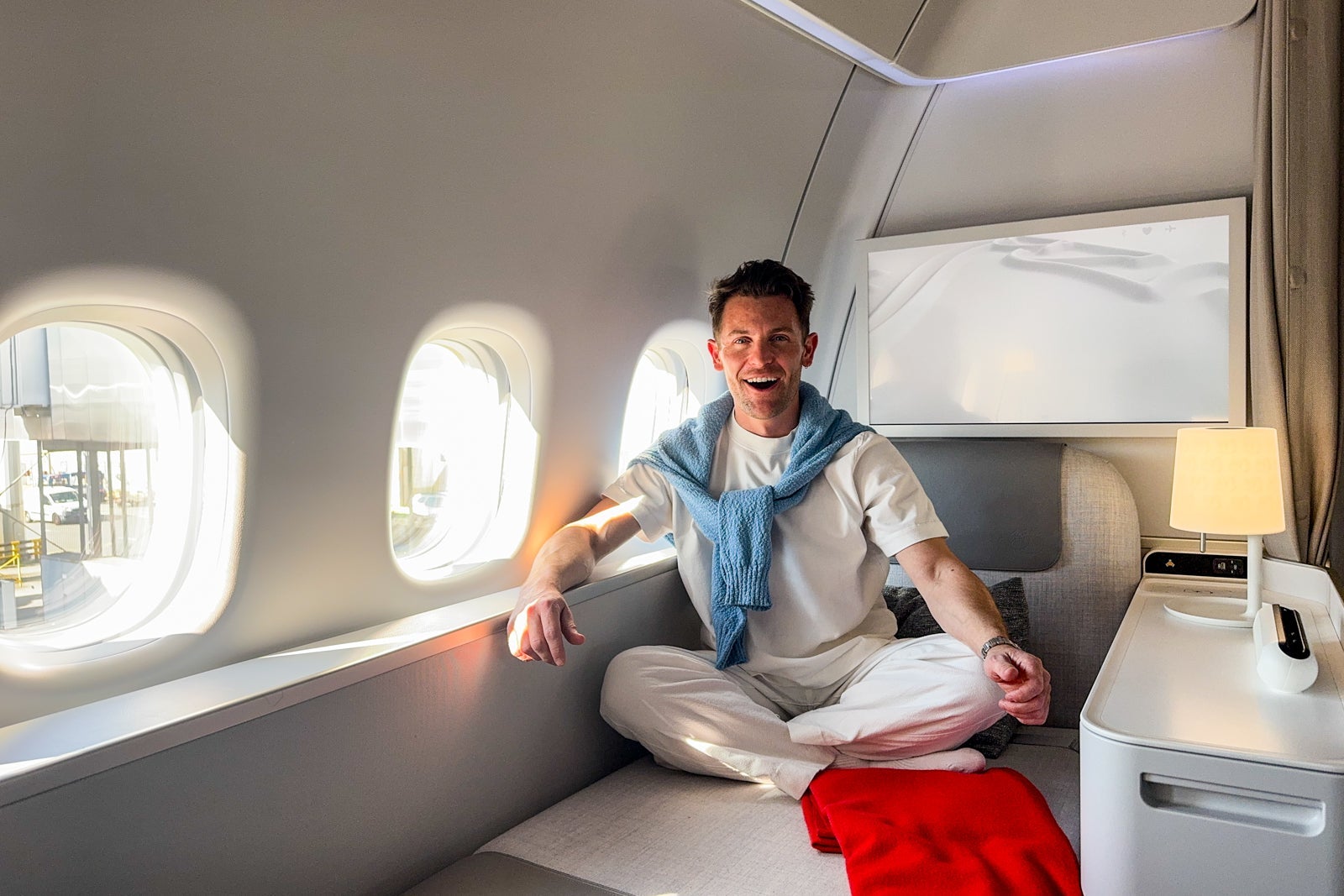
Japan's All Nippon Airways is readying the sibling to its acclaimed "The Room" suite, which is regularly ranked among the spiffiest seats in the sky. And closer to home, American Airlines' new Flagship Suites debuted in June, seriously upping the Fort Worth-based carrier's front cabin game.
All told, airlines in 2025 were on track to fly between the U.S. and Europe with 35% more premium seats than they had just six years ago in 2019, according to data from aviation analytics firm Cirium.
That's due in part to the proliferation of premium economy cabins on global carriers.
Premium demand not letting up
Much of this premium growth is a result of airlines (and card issuers) reading the proverbial room: reacting to a customer base that, since the COVID-19 pandemic, has been more than willing to go all-in on a splashy trip.
It's a phenomenon that's lasted well beyond the initial pre-pandemic "revenge travel" days, becoming something of a full mindset shift — especially among millennial and Generation Z travelers, said Alexander Hill, economics professor and points travel enthusiast on the faculty at Arizona State University.
"A shift toward experiences. Spending lots of money on a Taylor Swift concert. Going and paying money for a luxury credit card so you can get into this lounge," Hill said.
"All the things," he quipped, "that got my wife interested in credit card points."
Focusing on the front of the plane
Meanwhile, in the back of the plane, the innovation has been a bit more modest, with the experience quite reminiscent of what it was a decade or two ago.
Recent innovation has centered less on the seats or food and more on the seatback screens and Wi-Fi (increasingly fast and free) — impressive feats, but far less head-turning than a posh private suite.
No end in sight
Don't expect that emphasis on the front cabin to wane anytime soon, considering the profits that big-spending customers drive — both in the air and, increasingly, on the ground every time they swipe their credit card.
"We may see a further polarization of the market, with luxury and value segments expanding while the middle segment continues to shrink," predicted Tong Guo, professor at Duke University's Fuqua School of Business.
Budget airlines join the bandwagon
The gap between premium and budget experiences is widening even on airlines once known for being distinctly no-frills.
Ultra-low-cost carrier Frontier Airlines is expected to debut first-class seats by the end of this year. JetBlue hopes to cut the ribbon on its first lounge before the end of 2025. And Southwest Airlines, already due to launch assigned (and extra legroom) seats, has openly pondered even nicer offerings. In fact, some of Southwest's new cabins with extra-legroom seats are already flying.
Higher fares on the horizon?
On its face, expanded product choices are great for customers. But long-term, Hill fears that too many high-end seats across the industry could eventually raise fares in every cabin.
"If you're going to expand business-class seats and premium economy seats, you're going to have to get that [space] from somewhere," he said. "So you'll have a reduction in economy seats, and that would, over time, lead to an increase in price."
What should travelers do?
To contend with this widening gap between premium and budget, travelers can still find value by accruing flexible, transferable rewards that can be redeemed across a wider array of airline and hotel partners. Specifically, many international airline loyalty programs continue to offer significant value. In many cases, you can transfer credit card points to an international airline, then redeem those miles on one of its U.S. partners.
As for elite status? In an increasingly credit card-centric universe, consumers can leverage their everyday spending to earn middle-of-the-road status perks, such as extra-legroom seats and free checked bags — benefits that may not offer the luxury of a lie-flat seat, but save money and add comfort to your trip.
Finally, in a world where the budget airlines are now offering pseudo or bona fide premium experiences, it's possible flying up front on a low-cost carrier could offer a new opportunity to fly more comfortably — and relatively affordably.
Bottom line
To be clear, we haven't yet seen big spikes in airfare due to this widening gap between budget and premium. If anything, the bevy of flights airlines have offered the past two summers has led to coach fares that, adjusted for inflation, have been historically low.
But that need to discount in economy contrasts sharply with what's going on in the front of the plane, where demand in high-end cabins has not relented. That's including Delta, which shows no signs of letting up on its premium push, buoyed in part by the $8 billion it expects to make this year through its Amex partnership.
"As a matter of fact, we are increasing the percentage of seats that we have," Delta President Glen Hauenstein said in September. "We see no stopping of that."
For rates and fees of the Amex Platinum, click here.