How AI is transforming the future of travel


Artificial intelligence is quietly becoming the travel industry's newest co-pilot.
It isn't just reshaping how we book flights or choose hotels — it's redefining every step of the travel experience. What started as basic chatbots and predictive pricing has evolved into sophisticated systems that personalize offers, automate upgrades and help travelers plan trips in minutes instead of hours.
But alongside these conveniences come new challenges: Cybersecurity risks, environmental impacts and concerns about relying too heavily on automated systems have sparked debates about the role of AI in travel and everyday life.
Among the trends to watch out for as we head into 2026: Travelers should expect smarter, faster and more personalized tools at nearly every touch point — but they'll also need to navigate these new technologies with awareness, weighing efficiency against potential risks.
How travel companies are already using AI
Across the travel industry, companies are investing heavily in AI to improve efficiency, personalize experiences and enhance service quality.
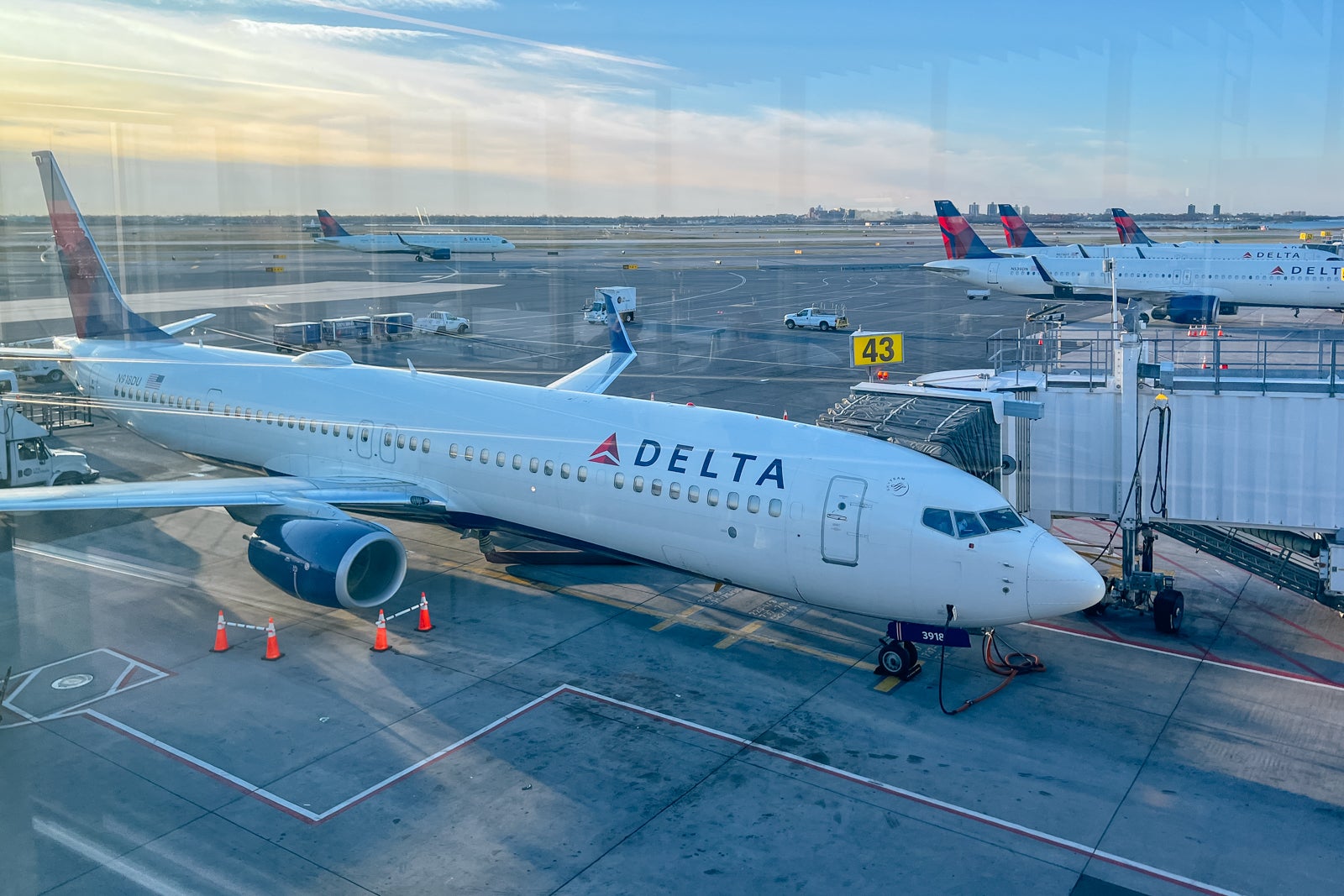
Airlines are leveraging predictive analytics to forecast demand, set dynamic prices and optimize route planning. Delta Air Lines, for example, expects 20% of its flights to be priced by AI by the end of 2025, reflecting a broader trend toward dynamic fare systems that balance revenue and consumer demand.
Hotels are also adopting AI to tailor guest experiences. Marriott is automating room assignments and prioritizing complimentary upgrades for loyal guests, while Hyatt is testing an AI-powered search tool that helps travelers find properties by amenities or price.
Even travel agencies and trip-planning platforms are integrating AI co-pilots to streamline itinerary planning. As just one example, Red Ventures' Guide, launched in 2024, can build custom itineraries, surface loyalty perks and collaborate with travel companions. Anecdotal evidence from some travel advisers finds that these specialized AI tools, in tandem with more generalized large language models like ChatGPT, can cut travel planning and client response time in half.
From pricing and upgrades to trip planning and customer service, AI is quietly becoming a co-pilot for travel planning — improving efficiency for companies and convenience for consumers alike.

Younger generations are leading AI adoption
Younger travelers are driving the AI revolution in travel. According to recent consumer surveys, Generation Z and millennial travelers are more than twice as likely as older generations to use AI tools when planning trips.
Based on data from Statista, about 40% of consumers used AI for trip planning in 2024; adoption is highest among Gen Zers (53%) and millennials (57%).
For these digital-native travelers, tools like ChatGPT, Google Gemini and travel-specific AI assistants feel as natural as search engines once did. They're using AI to compare destinations, discover under-the-radar restaurants, calculate carbon emissions and plan itineraries tailored to their budgets, preferences and priorities.
But it's not just the under-40 crowd. Interestingly, Guide's internal data shows that 70% to 80% of its users are Generation Xers and baby boomers. This older demographic, often composed of recently retired travelers with disposable income, values time savings and simplicity over complex tech features, suggesting that intuitive AI interfaces can successfully bridge generational gaps in travel planning.
For travelers, these tools might just become a critical part of a robust (yet streamlined) strategy for maximizing points and miles. Properly integrated, they might help leverage the increasingly complex ecosystems of loyalty programs to get the most bang for your buck in 2026.
The limits of AI in travel
Human touch still matters
For all of AI's efficiency, there are areas of travel that still require human insight and judgment — and likely always will. Complex itineraries, family travel and last-minute disruptions call for empathy, negotiation and on-the-ground expertise that algorithms can't replicate.
Travel advisers, concierge teams and loyalty service representatives remain invaluable for securing upgrades, resolving irregular operations and understanding the unspoken needs behind each trip.

Rather than replacing these roles, AI might improve them by automating administrative tasks so experts can focus on building relationships and delivering highly personalized experiences. In some ways, automation is allowing travel professionals to reemphasize the human aspects of service that technology can't replicate.
Cybersecurity concerns and environmental impacts
Environmental drain and cybersecurity risks remain two additional significant areas of concern.
It's no secret that the global climate faces major threats from human overreach. According to Forbes, "AI's projected water usage could hit 6.6 billion m³" in just two years, a concerningly high amount considering the United Nations' prediction that roughly half of the world's population will face water shortages by 2030.
This excessive water requirement comes from AI's dependency on thermoelectric plants for power and water cooling for data centers.

While we may not see the greatest impacts of AI's water usage for at least a couple of years, the threat it poses to cybersecurity could impact you tomorrow. The U.K.'s National Cyber Security Centre warns that hackers can use AI to expose confidential information or manipulate systems that depend on AI to show unintended results.
According to the World Economic Forum's Global Cybersecurity Outlook 2025, only about 37% of surveyed companies indicated they had any type of action plan to protect themselves from AI cybersecurity threats. That's concerningly low considering how present this issue is.
Travelers must take necessary steps to protect themselves from companies that recklessly expose their information to bad actors through ill-planned AI implementations. Be cautious of who you give your personal information to, and always question where the information you're receiving is coming from.
What travelers should expect next
AI is unavoidable. It isn't on its way to becoming a part of daily life — it's already here. Travelers should expect prominent travel companies, such as major airlines and hotel chains, to begin using AI to make their systems more efficient.
This may impact a range of services that affect travelers, including pricing, dynamic award availability, flight scheduling and the routes a given airline chooses to offer. Independent companies may begin to offer tools for consumers to find the best price for a flight or hotel, or the most valuable award redemption for a particular trip.
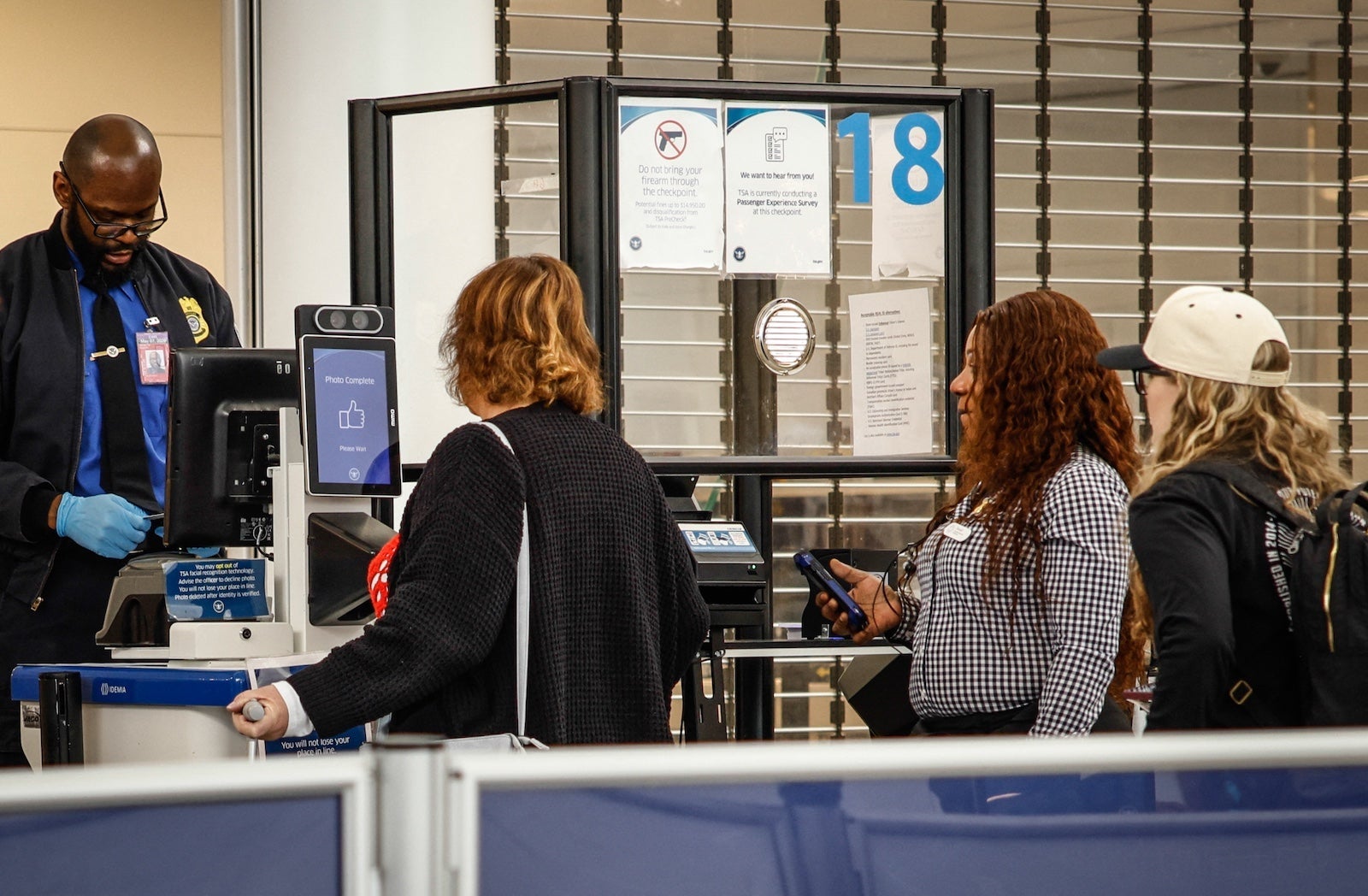
While AI tools have their upsides, they present serious risks. Any AI-assisted tool you use to help you plan travel should be a supplement, not a replacement, for your own research. Be cautious of what companies you share your information with, and remember that AI is largely unregulated at this time.
Bottom line
AI is travel's new frontier. From real-time itinerary planning to personalized recommendations and dynamic pricing, AI is reshaping the traveler journey from start to finish.
With every new innovation comes risk, and that's certainly true with AI. Travelers must remain informed about the ways that AI can potentially expose their data and the environmental costs tied to rapid digital expansion.
With that in mind, travelers can choose the right tools to help them plan better trips, find great deals and get to their destinations with less hassle.