How to avoid the crowds while traveling in Japan

Editor's Note
Every year, the TPG Awards honor excellence in credit cards, loyalty programs and travel. Please click here to read more about our winner selection process and methodology for the 2024 TPG Awards.
Six decades after hosting the 1964 Summer Olympics in Tokyo — when Japan rapidly rolled out new infrastructure like its Shinkansen bullet train and accommodations like Hotel New Otani Tokyo to welcome the anticipated influx of foreigners — the country remains one of the most beloved leisure destinations in the world. According to the Japan National Tourism Organization, 17.78 million foreign visitors arrived in the first half of 2024, breaking 2019's previous record of 16.63 million. And there are no signs of a slowdown: Japan aims to nearly double 2019's end-of-year record of 31.88 million tourists to a staggering 60 million annually by 2030.
Though there are countless reasons for Japan's sustained popularity — from tantalizing regional cuisine to safe public transportation systems — the recent surge can largely be credited to a slump in the Japanese yen. In early July, it hit its weakest level since 1990, and while the yen has recovered slightly in the past five months, the dollar remains very strong in Japan.
"I think when the yen was 83 [to $1], it was very difficult to be able to afford to go see Japan and all the great things that Japan has to offer," Delta Air Lines President Glen Hauenstein said during a second-quarter earnings call in July. "With the yen at 160, it's a very different world for U.S. travelers, and they seem to be taking great advantage of that." (Recently, the currency has recovered slightly, with approximately 150 Japanese yen buying $1 at the time of publication.)
Because of the exchange rate, Japan was named the Best Destination for Stretching Points and Dollars in the 2024 TPG Awards.
Naturally, demand for Japan-bound flights is also booming. "In 2023, Expedia data revealed that the top trending global flight route was LAX [Los Angeles International Airport] to Tokyo, with a surge of 430% compared to the year prior," Expedia travel expert Christie Hudson told TPG. This fall, Expedia saw a 50% increase in flight searches to Tokyo.
While Japan is now within reach for more people than ever, there is a downside: relentless crowds. According to a recent survey conducted by the Development Bank of Japan and the Japan Travel Bureau Foundation, 32% of foreign tourists said they experienced overtourism during their trip to Japan in 2024 (and 63% said they would pay more at tourist destinations to ease overcrowding). So far, local authorities have instituted a tourism tax for climbers on Mount Fuji, installed barriers to block Instagram-famous views of that same mountain and closed off some private alleys to tourists in Kyoto's geisha district.
Follow these tips to help alleviate the overcrowding and still have an enjoyable vacation in Japan.
Visit Japan's most popular destinations in the offseason
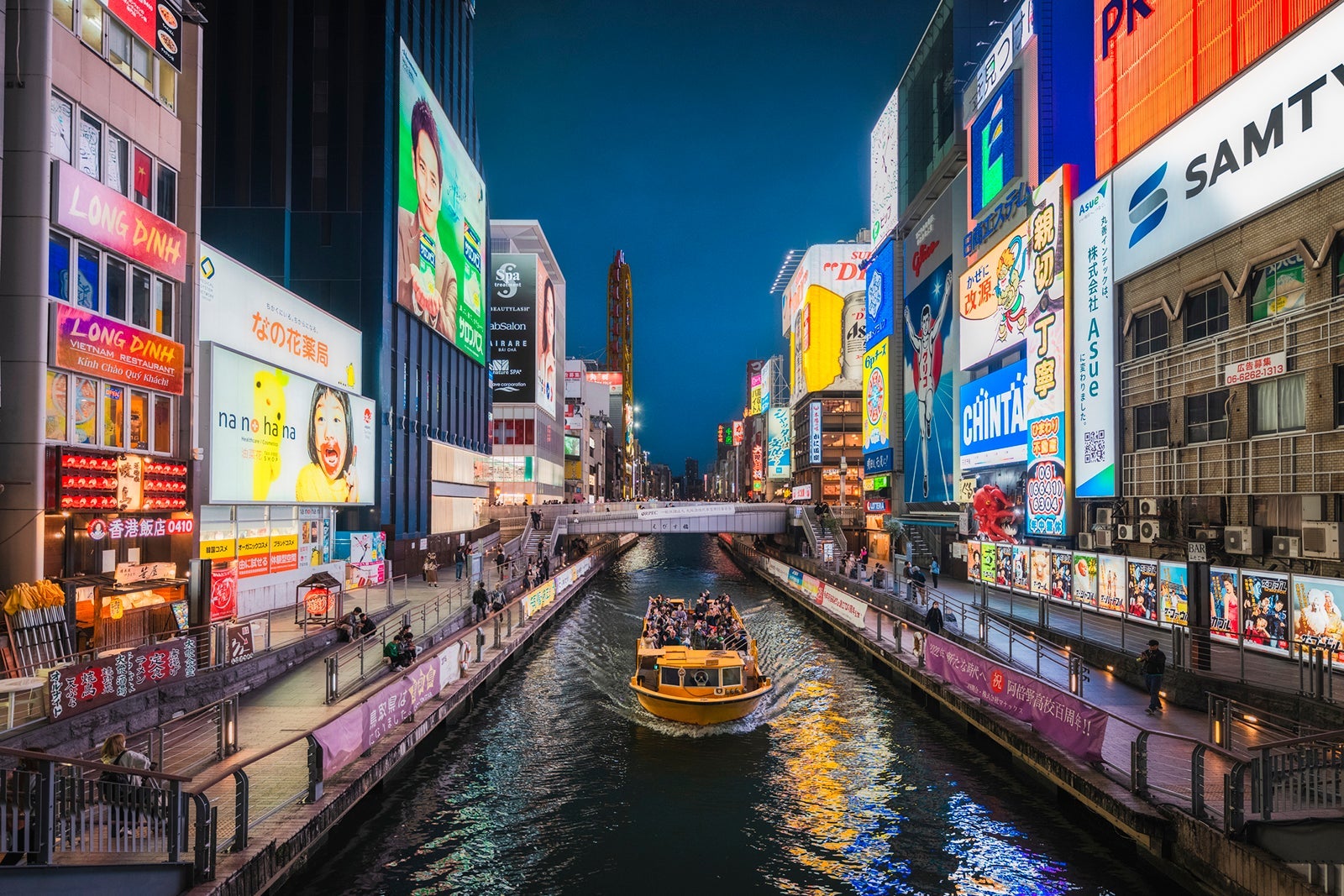
Spring and fall are the peak travel seasons in popular cities like Kyoto and Osaka when travelers come to enjoy spectacular cherry blossoms and fall foliage. So, consider an offseason vacation instead. Not only will you face less congestion and shorter queues, but you'll also be able to easily book more restaurants and experiences and find more competitive accommodation pricing.

According to Alastair McAlpine, general manager of the new Four Seasons Hotel Osaka, summer is a smart time for a trip to Osaka, even though the city is at its warmest and rainiest.
"Visiting Osaka in the summer allows travelers to immerse themselves in local culture and traditions — making it a particularly exciting time to explore the city," McAlpine said. Several lively celebrations occur in Osaka each summer, including one of Japan's three great festivals — Tenjin Matsuri in July — and the Yodogawa Fireworks Festival in August.
Summer is an opportune time to explore the city with fewer crowds on scenic river cruises or at world-class museums and cultural hubs like the National Museum of Art or Nakanoshima Children's Book Forest, designed by architect Tadao Ando. There are also shorter lines for street vendors cooking local specialties like okonomiyaki.
Related reading: Shoulder season goes mainstream
On the other hand, Kyoto shines especially bright as days grow cold and dark in the winter. "You'll be able to discover peaceful Zen moments in Kyoto's temples — where the tranquil atmosphere is heightened by a delicate dusting of snow if you're lucky — and more intimate glimpses of its historic sites," Fanny Guibouret, the Four Seasons Hotel Kyoto's general manager, said.
After a day of exploration, warm up with a soak in local hot springs or a communal ofuro, a Japanese wooden bathtub. You can also look forward to eating foods enjoyed typically in winter, such as yudofu (tofu simmered in hot broth), fugu (puffer fish) and oden (fish cake stew).
Avoid the obvious and seek alternatives to major landmarks
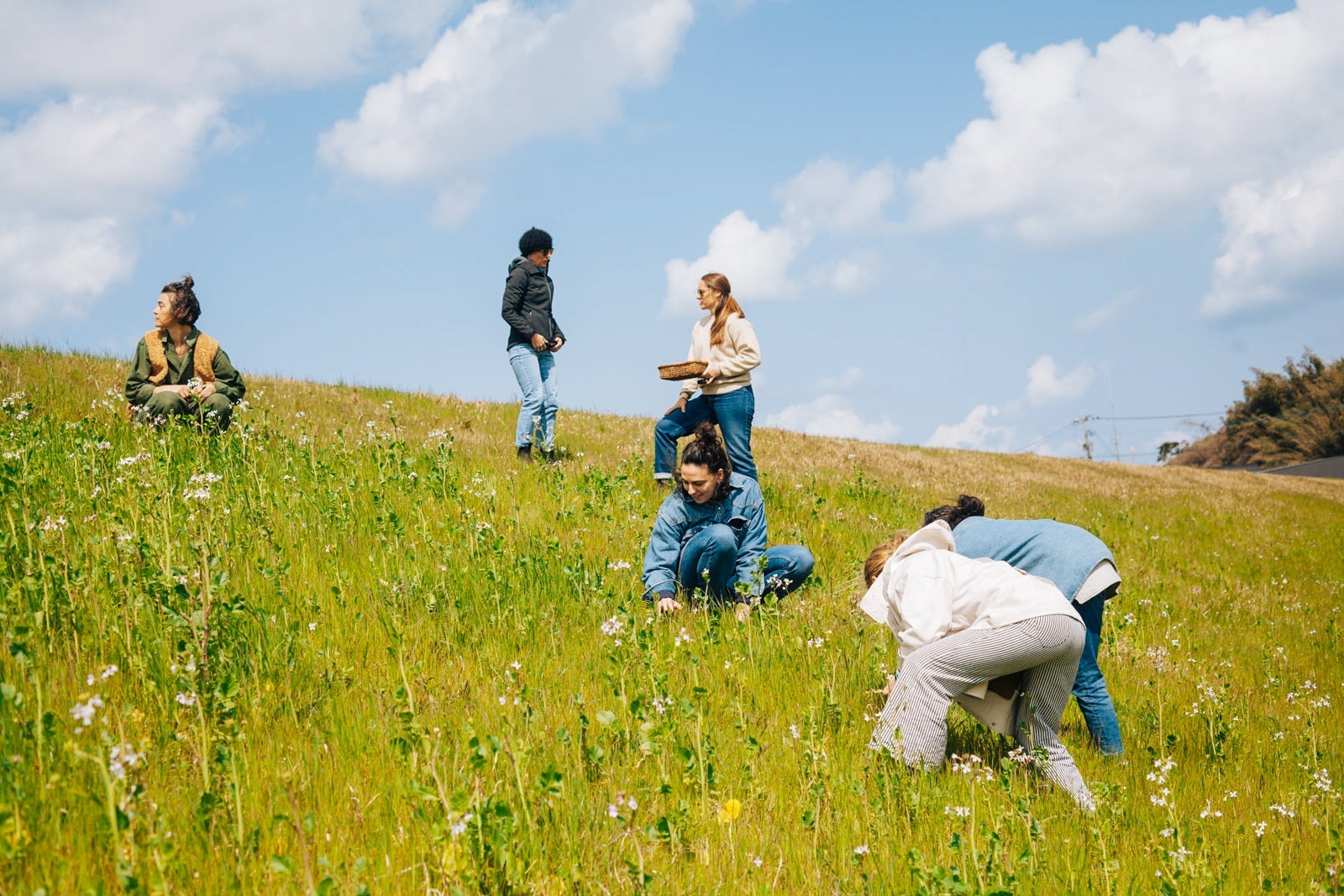
Another simple yet practical tip for avoiding tourists is to "avoid the obvious," said Prairie Stuart-Wolff, the founder of Mirukashi Salon, which specializes in intimate small-group culinary retreats in the Japanese countryside.
"If you must go to a place like Kyoto, forget seeing the Golden Pavilion in a slow-moving mob of 10,000 other foreign tourists and seek out temples and gardens that limit the number of visitors each day," she said. "The small effort of planning ahead and making reservations is well worth the effort."
Sitting in a quiet pocket of northern Kyoto, Shoden-ji Temple doesn't require reservations, and it features a captivating dry pebble garden and views of Mount Hiei; it was a spot beloved by David Bowie. Stuart-Wolff also recommends Shugakuin Imperial Villa. "It's just far enough outside of town that reservations aren't snatched up as quickly as the other imperial properties," she said. When it's time to recharge, bypass the mobbed Starbucks and head to Tearoom Toka, a hushed organic tea bar with just six seats.
Embrace your jet lag, and go as early as possible
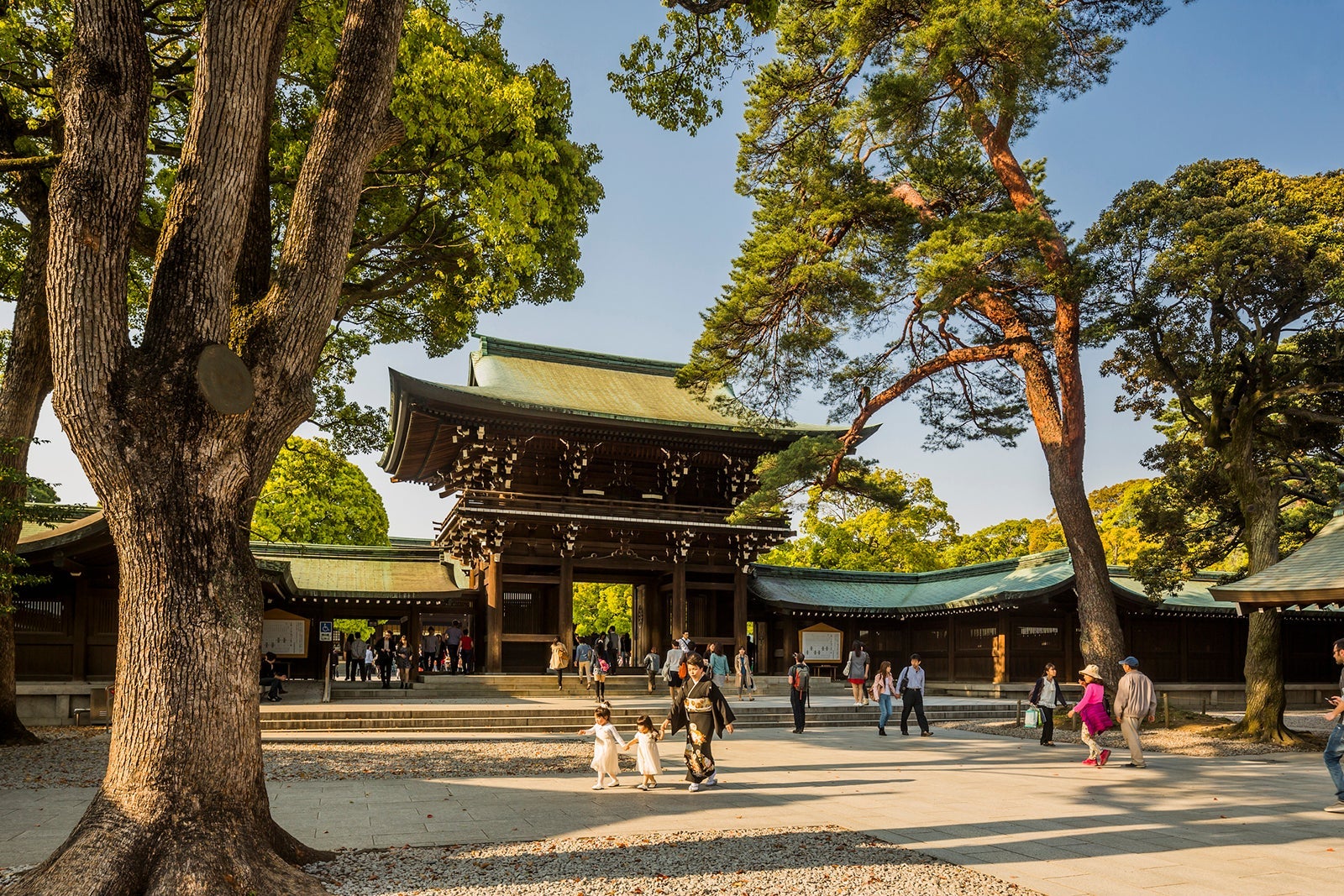
If this is your first time in Japan and you feel like your trip will be incomplete without visiting the major sights, use your jet lag to its advantage: Go as early as possible to avoid crowds that accumulate later in the day. For example, Kyoto's Fushimi Inari shrine is always open, while Tokyo's Meiji Jingu opens at sunrise. So, if you visit before 7 a.m., you can experience two of Japan's most famous Shinto shrines at their most peaceful.
Explore lesser-known parts of Japan
With most tourists remaining in Japan's well-established cities, plenty of under-the-radar places are ripe for exploration. Consider these three off-the-beaten-path destinations:
Kii Peninsula
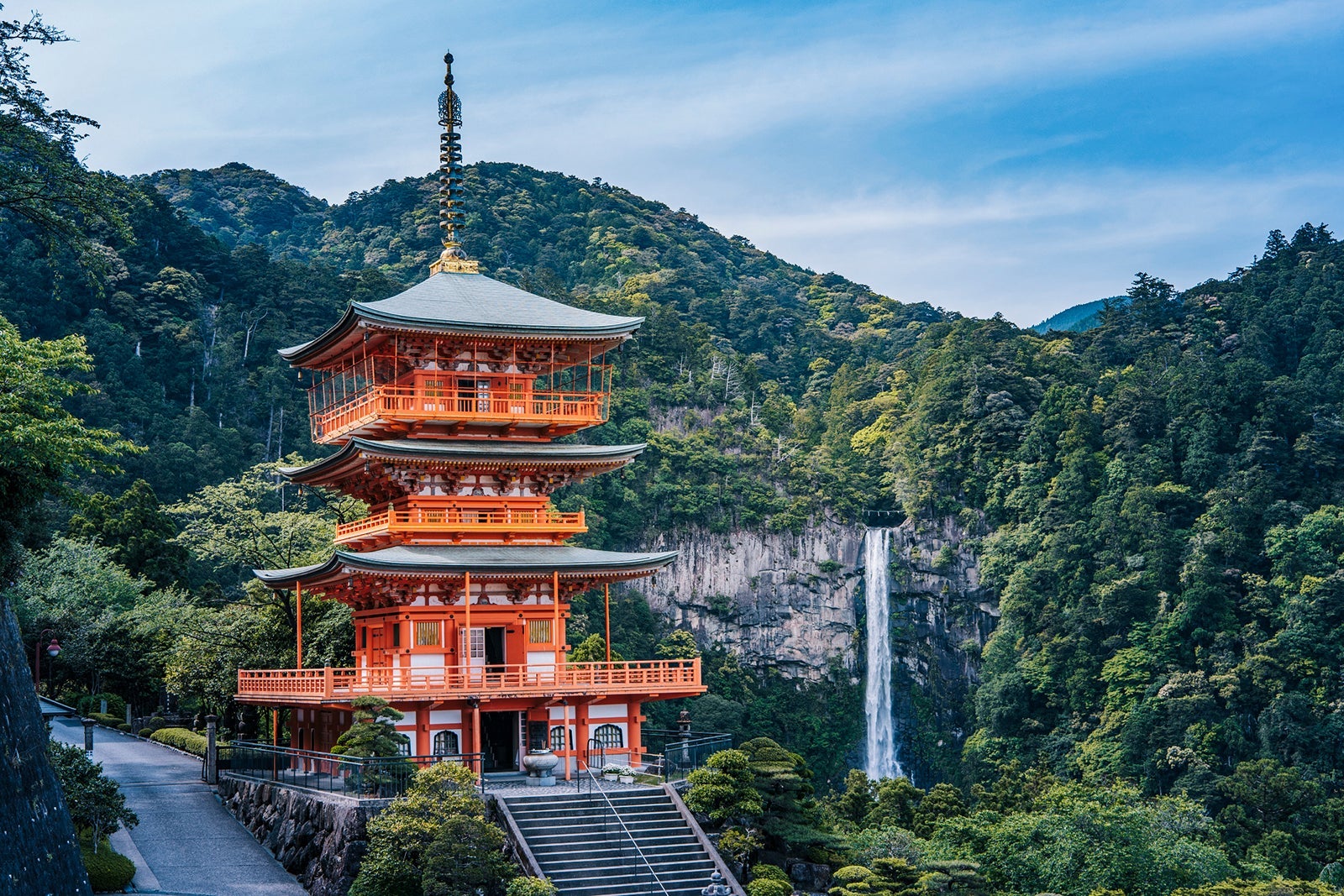
The Kii Peninsula is Japan's spiritual birthplace and encompasses the Mie, Wakayama and Nara prefectures. It's home to the Kumano Kodo pilgrimage route, which bridges three sacred sites (Yoshino and Omine, Kumano Sanzan, and Koyasan) through a series of trails. These cherished landmarks blend adventure and tranquility in the region's thick forests overlooking the Pacific Ocean.
The Kumano Kodo also celebrated its 20th anniversary as a UNESCO World Heritage Site in 2024. "It's one of only two pilgrimage routes globally designated as a World Heritage Site and is over one thousand years old," Shiori Ono, a representative from Tourism Exchange Japan, said. "The surrounding area is a special place where Japan's unique Shinto religion and Buddhism meet."
Other Kii Peninsula highlights include observing the traditions of ama (female) divers — locals will dedicate seafood caught by the women to the Ise Shrine — and taking in the calm beauty of Wakayama's beaches, onsens and Japan's tallest waterfall, Nachi Falls.
Nasu Highlands
Another suggestion from Ono is the Nasu Highlands in the northern end of Tochigi — an easy 70-minute bullet train ride from Tokyo. "This serene mountainous area offers a refreshing escape from Japan's more tourist-heavy regions," Ono said. Equally ideal for a day trip or an extended getaway, the Nasu Highlands are home to some of Japan's most famous hot springs and stunning natural scenery, including Mount Nasu, the country's most active volcano.
Setouchi
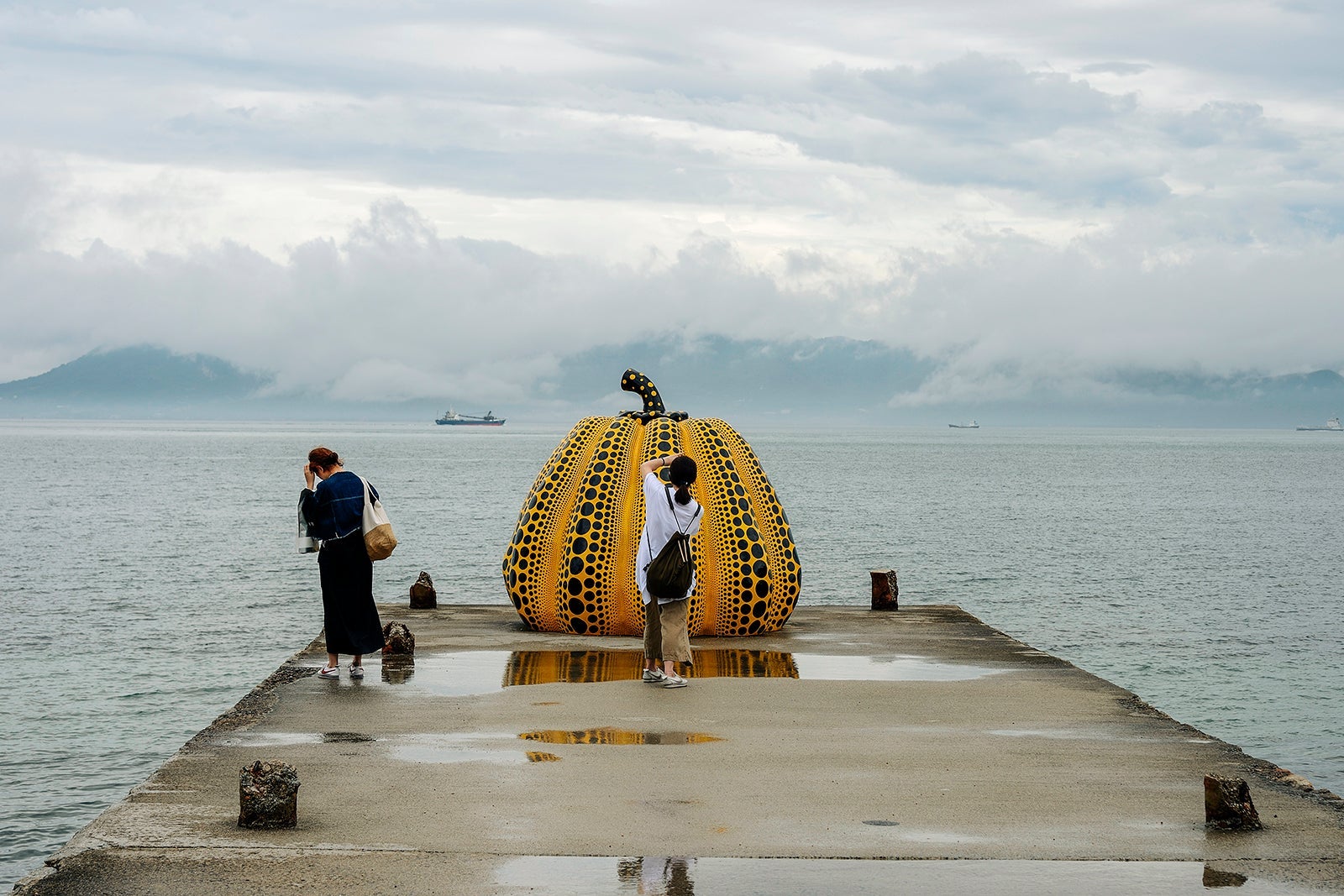
Along the coast of southwestern Japan and spanning seven prefectures (Hyogo, Okayama, Hiroshima, Yamaguchi, Tokushima, Kagawa and Ehime), the Setouchi region offers something for every kind of traveler. Outdoor enthusiasts can bike Shimanami Kaido, a scenic 43-mile route connecting the islands of the Seto Inland Sea.
Nicknamed "Art Island," Naoshima lets you enjoy contemporary art and architecture at places like Chichu Art Museum and Benesse House in a peaceful setting. (The next Setouchi Triennale art festival is scheduled for 2025 across the islands.) Setouchi is also renowned for its sour-sweet lemons, which local chefs use to flavor all kinds of foods, from tonkatsu ramen to cakes.
Bottom line
Travel to Japan is more popular than ever. But despite reports of overcrowding, it's still possible to experience an enriching vacation in Japan. Try to travel in the offseason, seek out lesser-known regions and attractions, and plan visits to major landmarks during quieter hours.
Related reading:
- I booked a family trip to Japan with a tour operator; here's why I would do it again
- The best ways to travel to Japan with points and miles
- Where to go in 2025: The 29 best places to travel
- The 11 best hotels in Tokyo for your next Japan getaway
- Amex to open first Centurion Lounge in Japan at Tokyo's Haneda Airport
- First look: Inside the new Banyan Tree Higashiyama Kyoto
- Japan launches digital nomad visas
TPG featured card

at Capital One's secure site
Terms & restrictions apply. See rates & fees.
| 5X miles | Earn 5X miles on hotels, vacation rentals and rental cars booked through Capital One Travel |
| 2X miles | Earn unlimited 2X miles on every purchase, every day |
Pros
- Stellar welcome offer of 75,000 miles after spending $4,000 on purchases in the first three months from account opening. Plus, a $250 Capital One Travel credit to use in your first cardholder year upon account opening.
- You'll earn 2 miles per dollar on every purchase, which means you won't have to worry about memorizing bonus categories
- Rewards are versatile and can be redeemed for a statement credit or transferred to Capital One’s transfer partners
Cons
- Highest bonus-earning categories only on travel booked via Capital One Travel
- LIMITED-TIME OFFER: Enjoy $250 to use on Capital One Travel in your first cardholder year, plus earn 75,000 bonus miles once you spend $4,000 on purchases within the first 3 months from account opening - that’s equal to $1,000 in travel
- Earn unlimited 2X miles on every purchase, every day
- Earn 5X miles on hotels, vacation rentals and rental cars booked through Capital One Travel
- Miles won't expire for the life of the account and there's no limit to how many you can earn
- Receive up to a $120 credit for Global Entry or TSA PreCheck®
- Use your miles to get reimbursed for any travel purchase—or redeem by booking a trip through Capital One Travel
- Enjoy a $50 experience credit and other premium benefits with every hotel and vacation rental booked from the Lifestyle Collection
- Transfer your miles to your choice of 15+ travel loyalty programs
- Top rated mobile app