You Can Now Be Connected at High Speeds From The South Pacific

Among the many truisms in travel is this: the more remote you are, the less likely you'll be able to find a decent internet connection. Which may be a good thing: There's value in picking your head up from the smartphone and actually appreciating the views you worked so hard to see — but a steady connection can indeed make travel easier. From instant translations to currency calculations to navigation, Wi-Fi adds a lot of efficiency to travel.
For some of the more remote islands in the South Pacific, connectivity has been a challenge. While island nations such as New Caledonia, Tonga, Niue, Wallis and Futuna, and Vanuatu are renowned for spectacular scenery and beaches, they're also known for having woefully slow internet speeds. Even the ever-popular French Polynesia and Cook Islands struggle to deliver consistent speeds that we're accustomed to seeing in mainland Europe and North America.
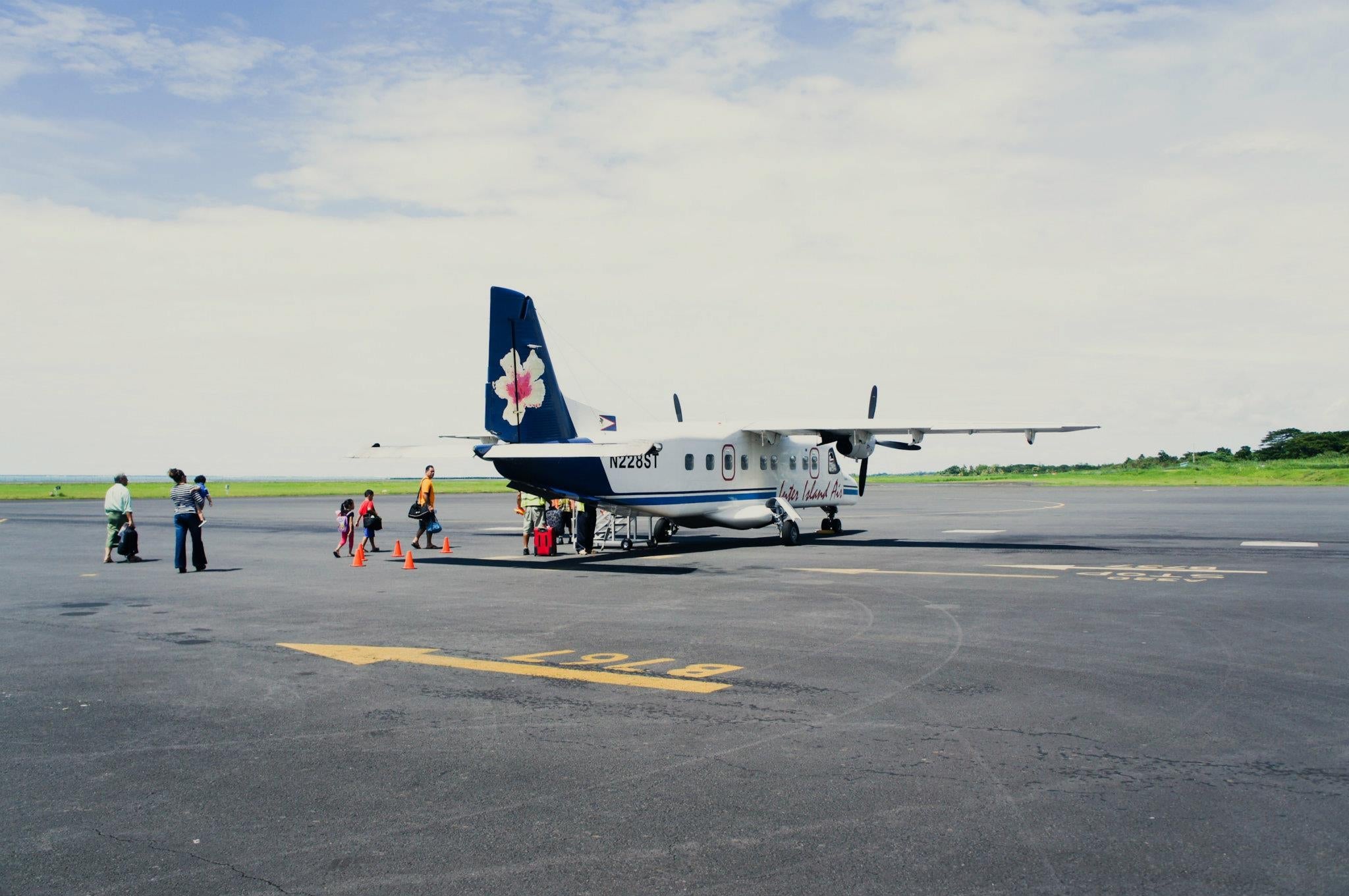
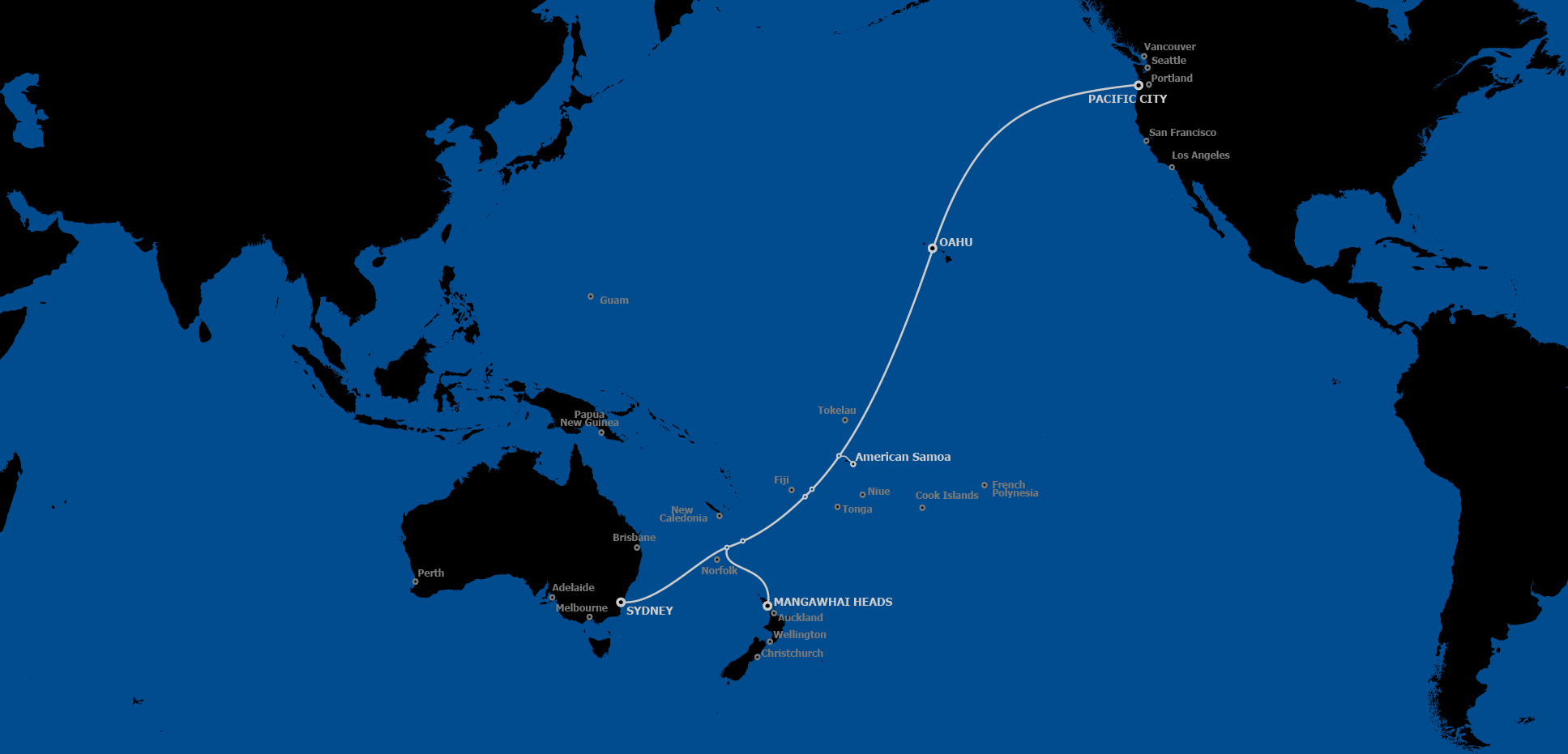
Thanks to the $300 million Hawaiki transpacific cable, those frustrations are now a thing of the past. The 15,000-kilometer (9,300-mile) fiber optic deep-sea cable links Australia, New Zealand, South Pacific islands, and the United States. The connection is now live, delivering 43 terabits of additional capacity to a largely underserved region that points and miles enthusiasts long to visit. Of particular interest is American Samoa, the first of the smaller nations to splice into the Hawaiki cable.
While New Caledonia, Fiji, and Tonga will soon have their own undersea cables ran to tap into the newfound bandwidth, American Samoa is a success story all its own. In 2012, I traveled to the main island of Tutuila and covered the territory's connectivity situation (you can read my full report here). High-speed connections simply weren't possible, and the fastest speeds offered were unattainable by essentially all of the locals. It was, quite frankly, the home to the most expensive internet in all of America, and that's including Guam, the US Virgin Islands, and the Northern Mariana Islands.
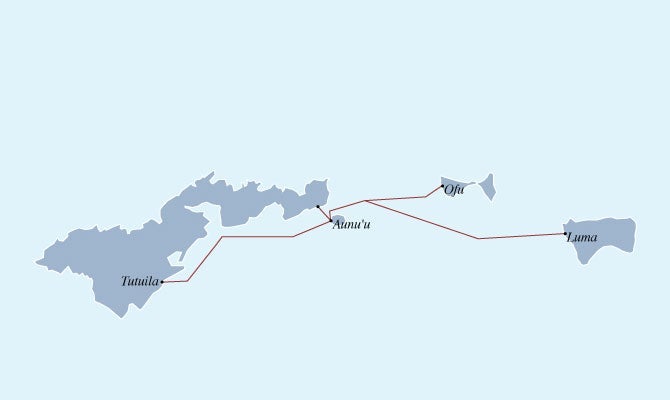
This predicament did nothing to boost American Samoa's economy, and census estimates have shown that thousands are moving off-island, in part due to the world passing them by. Following that report, the territory invested heavily in infrastructure through the ARRA (American Recovery Reinvestment Act). By 2016, it completed its Broadband Linking American Samoa Territory (BLAST) deployment, an inter-island 350 km (200 mi) submarine cable network connecting the six Islands of Fogagogo, Tu'tuila, Ofu, Luma, Ta'u and Aunu'u.
Now, that infrastructure can finally be taken advantage of, feeding homes throughout American Samoa with 200Gb of additional capacity delivered through the Hawaiki cable. A source in Pago Pago, the territorial capital of American Samoa, confirmed to me that he now sees speeds approaching 95Mbps in his office — a roughly 300x improvement over his connection just six weeks ago.

Bottom Line
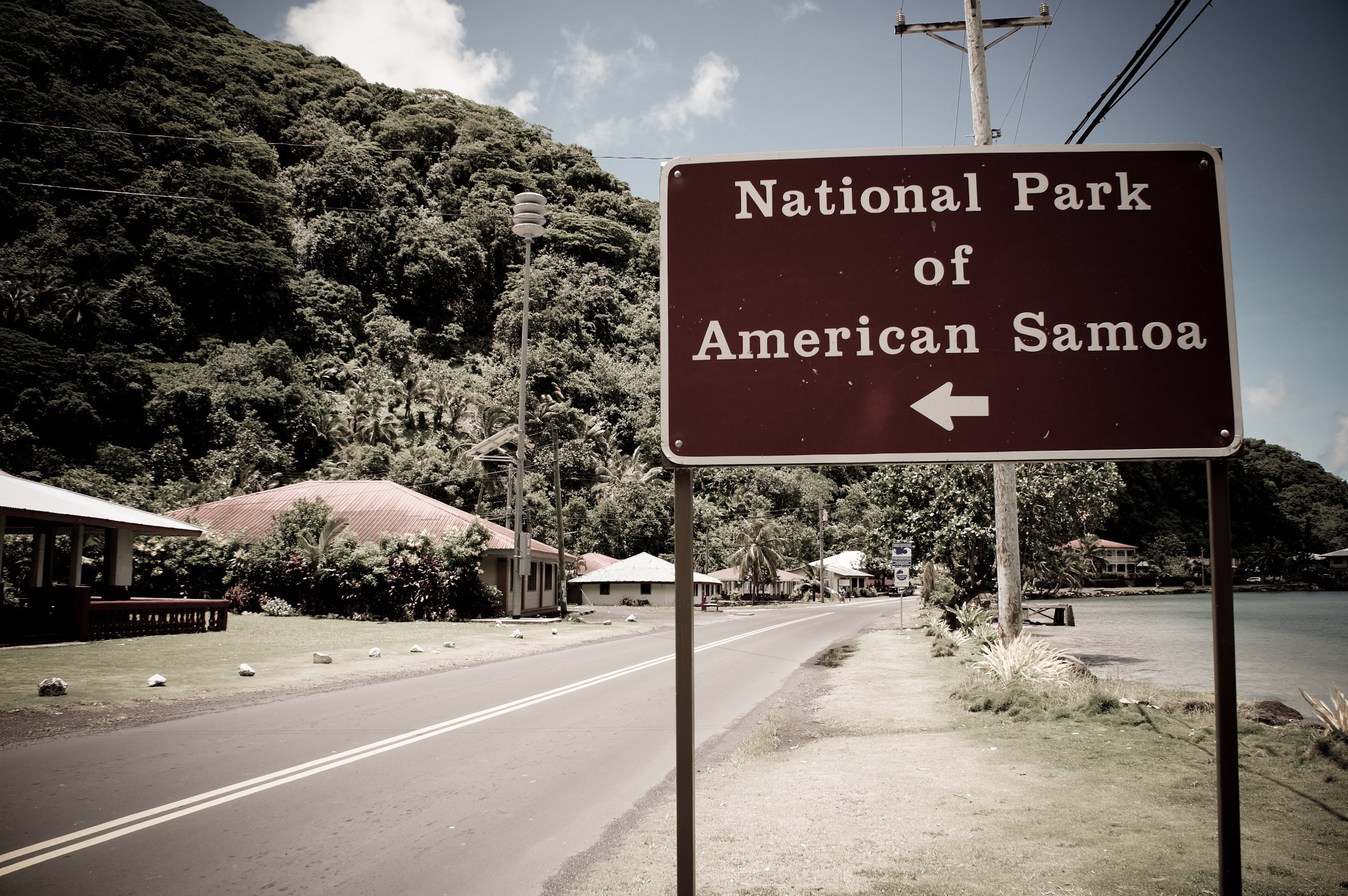
For locals, this is transformative. Digital health, education, and commerce activities that were once impossible can now flourish. For travelers eager to explore the South Pacific, this is one less reason to keep putting it off – you actually can come to a remote plot of land surrounded by ocean and still take advantage of all that the internet has to offer.
According to a Samoa News report, the American Samoa TeleCommunications Authority (ASTCA) is already looking to sell some of its new bandwidth to other locales in the South Pacific, including "French Polynesia, Cook Islands, Niue and Samoa." Once those deals are reached and the connections are made, you'll be able to experience high-speed connectivity there as well, despite being a million miles from anything familiar. After all, the world back home really needs to see your Instagram uploads.
For tips on using points and miles to visit American Samoa, check out our guide.
TPG featured card

at Capital One's secure site
Terms & restrictions apply. See rates & fees.
| 5X miles | Earn 5X miles on hotels, vacation rentals and rental cars booked through Capital One Travel |
| 2X miles | Earn unlimited 2X miles on every purchase, every day |
Pros
- Stellar welcome offer of 75,000 miles after spending $4,000 on purchases in the first three months from account opening. Plus, a $250 Capital One Travel credit to use in your first cardholder year upon account opening.
- You'll earn 2 miles per dollar on every purchase, which means you won't have to worry about memorizing bonus categories
- Rewards are versatile and can be redeemed for a statement credit or transferred to Capital One’s transfer partners
Cons
- Highest bonus-earning categories only on travel booked via Capital One Travel
- LIMITED-TIME OFFER: Enjoy $250 to use on Capital One Travel in your first cardholder year, plus earn 75,000 bonus miles once you spend $4,000 on purchases within the first 3 months from account opening - that’s equal to $1,000 in travel
- Earn unlimited 2X miles on every purchase, every day
- Earn 5X miles on hotels, vacation rentals and rental cars booked through Capital One Travel
- Miles won't expire for the life of the account and there's no limit to how many you can earn
- Receive up to a $120 credit for Global Entry or TSA PreCheck®
- Use your miles to get reimbursed for any travel purchase—or redeem by booking a trip through Capital One Travel
- Enjoy a $50 experience credit and other premium benefits with every hotel and vacation rental booked from the Lifestyle Collection
- Transfer your miles to your choice of 15+ travel loyalty programs
- Top rated mobile app