Drawing anger from pilots’ unions and concerned customers alike, Wizz Air’s chief executive officer and co-founder József Váradi recently told staff he felt too many of them were missing work due to fatigue, claiming they should "go the extra mile."
Want more TPG travel advice dropped into your inbox each morning? Subscribe to our daily newsletter!
“Now that everyone is getting back into work, I understand that fatigue is a potential outcome of the issues,” he said on an internal video call. “But once we are starting [to] stabilize the rosters we also need to take down the fatigue rate.
“I mean we cannot run this business when every fifth person of a base reports sickness because the person is fatigued,” he added.
This statement would be alarming enough in most industries – let alone in commercial aviation, where the cabin crew is currently stretched more than ever and pilots are single-handedly responsible for the safety of hundreds of lives at a time.
Related: Ryanair, EasyJet or Wizz Air: Which has the cheapest carry-on charges?
And yet, Váradi carried on digging: “We are all fatigued. But sometimes it is required to go the extra mile. The damage is huge when we cancel a flight. It’s reputational damage to the brand, and it is [also] financial, transactional damage, because we have to pay compensation for that.”
Declaring fatigue is not just good work behavior – it safeguards that the cabin crew is fit to fly. This isn’t clocking in and clocking out for a normal job. Nor is it staying late in the office to help the boss out. There are real consequences. According to a 2012 study, between 15-20% of all flight crashes were caused by pilot fatigue.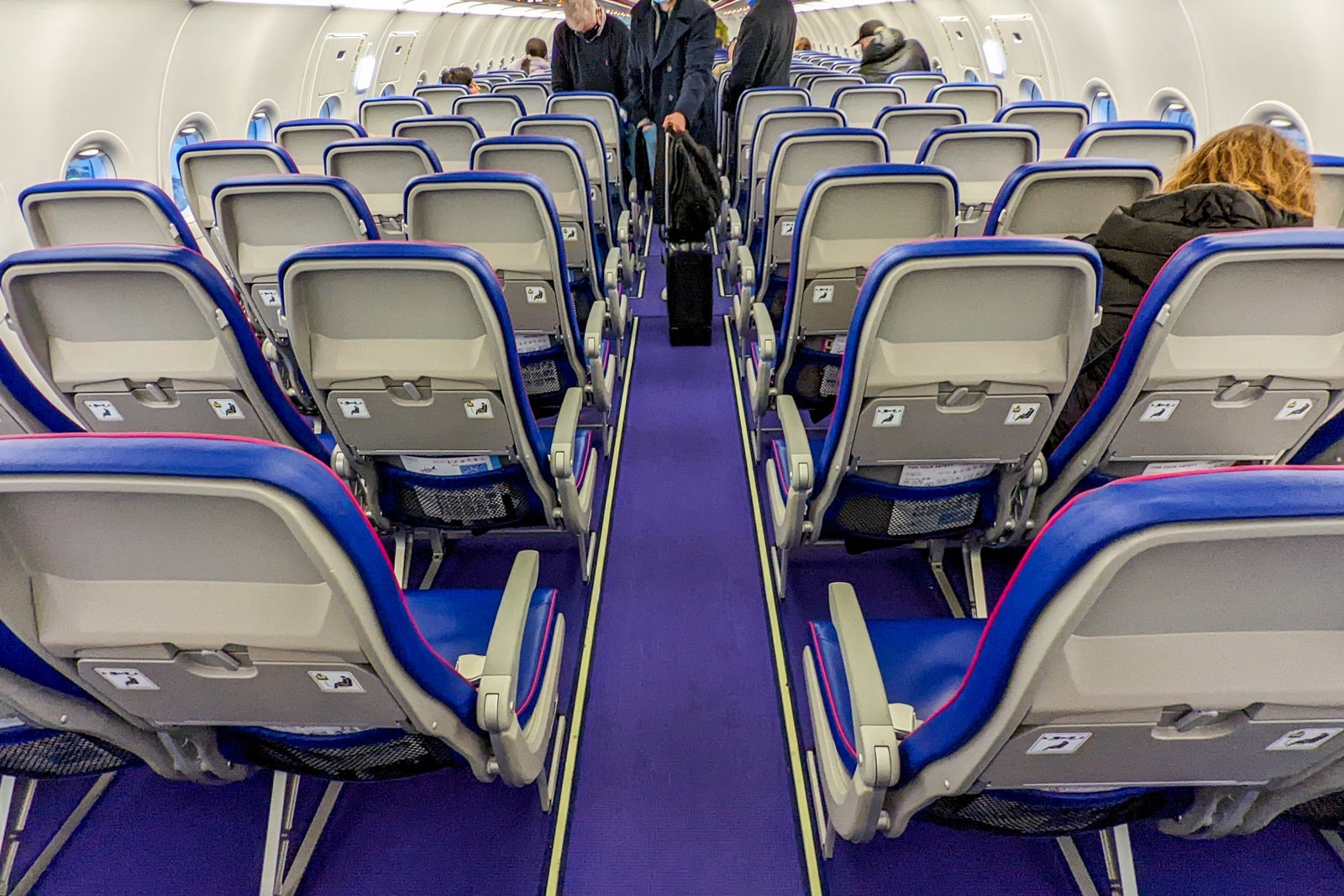
The response has been brutal and swift, with The European Cockpit Association saying that giving the controls of a plane to a fatigued pilot was akin to "handing the car keys to a drunk driver." They even encouraged aviation regulator EASA to step in and ensure safety standards were being upheld.
Daniel Liebhart from Austrian transport union Vida also took to Twitter to urge action be taken: “It’s an absolute no-go that crews at [Wizz] are encouraged to fly fatigued. [Wizz’s] staff are dedicated to their job, and passengers’ safety; they deserve more respect [from] their CEO! I encourage EASA to have a closer look at the practices envisaged by the CEO of Wizz Air.”
This content is hosted by X.
View this post on XThe British Airline Pilots Association (BALPA) stated that they were "shocked an airline CEO would advise actions so contrary to basic safety culture. BALPA urges Mr. Varadi to swiftly clarify that Wizzair would fully support any pilot who does the right thing by not flying if they feel fatigued, for the safety of passengers, crew & aircraft."
In response to the criticism, a spokesperson for Wizz Air said: “This clip has been edited from an all-staff briefing on key business updates and current challenges facing aviation. Supply chain issues are affecting all airlines, in particular staff availability and welfare.
“Our crew unavailability has been very low, at 4%. In this context, going the extra mile to minimize disruption was discussed. What this does not mean is compromising safety. Wizz Air and the airline industry are highly regulated, and safety has, and always will be our first priority.”
Related: Domestic travel demand back to pre-pandemic levels, airline CEOs say
There’s no word or apology from Váradi as yet, but we’ll bring you updates as we get them.
What’s perhaps most surprising by the timing of the comments is how ambitious the Hungarian airline has been with its operations since COVID-19 restrictions were eased across the globe, opening up 18 new routes from London Gatwick [LGW] alone. It's no wonder staff are feeling the strain amid chronic understaffing and airport chaos.
If you ask Wizz Air pilots what they’re most tired of right now, the answer might well be an out-of-touch CEO.