For the love of travel: Why we need a federal mandate on masks now more than ever

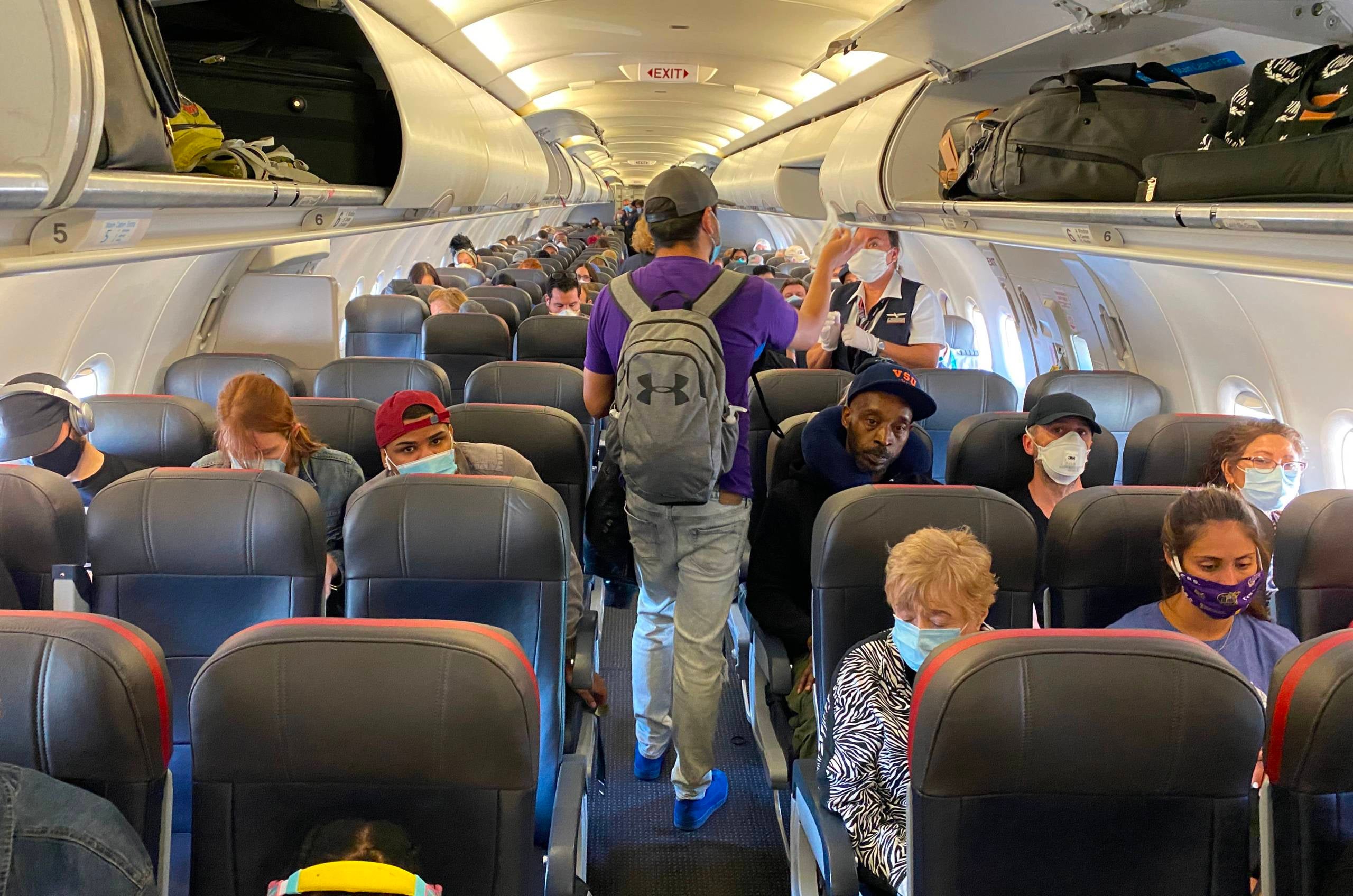
Wearing a mask is perhaps the best way to prevent the spread of COVID-19.
In fact, it's a CDC recommendation. The agency suggests wearing face coverings in public settings, especially when social distancing measures are difficult to maintain.
Now, consider an airplane. Even with blocked middle seats, odds are that you're going to be sitting within six feet of a stranger. If everyone on the plane wears a mask, the chance of COVID-19 spreading is greatly diminished.
Though every major U.S. airline requires masks to be worn inflight, there's a hodgepodge of ever-changing rules that can be confusing to travelers. Enforcement is hard, especially with medical exceptions.
The solution: now is the time for a federal mandate on masks on planes, in airports and any other public space connected to interstate travel.
Sign up for the free daily TPG newsletter for more airline news!
Policies all over the place
Since the outset of the pandemic, we've seen airlines adopt and refine their policies on masks.
What started as a recommendation quickly became a rule for ground staff and cabin crew. Then, passengers were required to wear masks. But it didn't just stop there.
The language of the mask requirements got stronger, and non-compliant passengers were threatened to be banned by the airlines. Plus, figuring out what to do if you had a medical exception or were traveling with a child wasn't easy or necessarily clear. And are masks just required in flight or during the entire airport-to-airport travel experience?

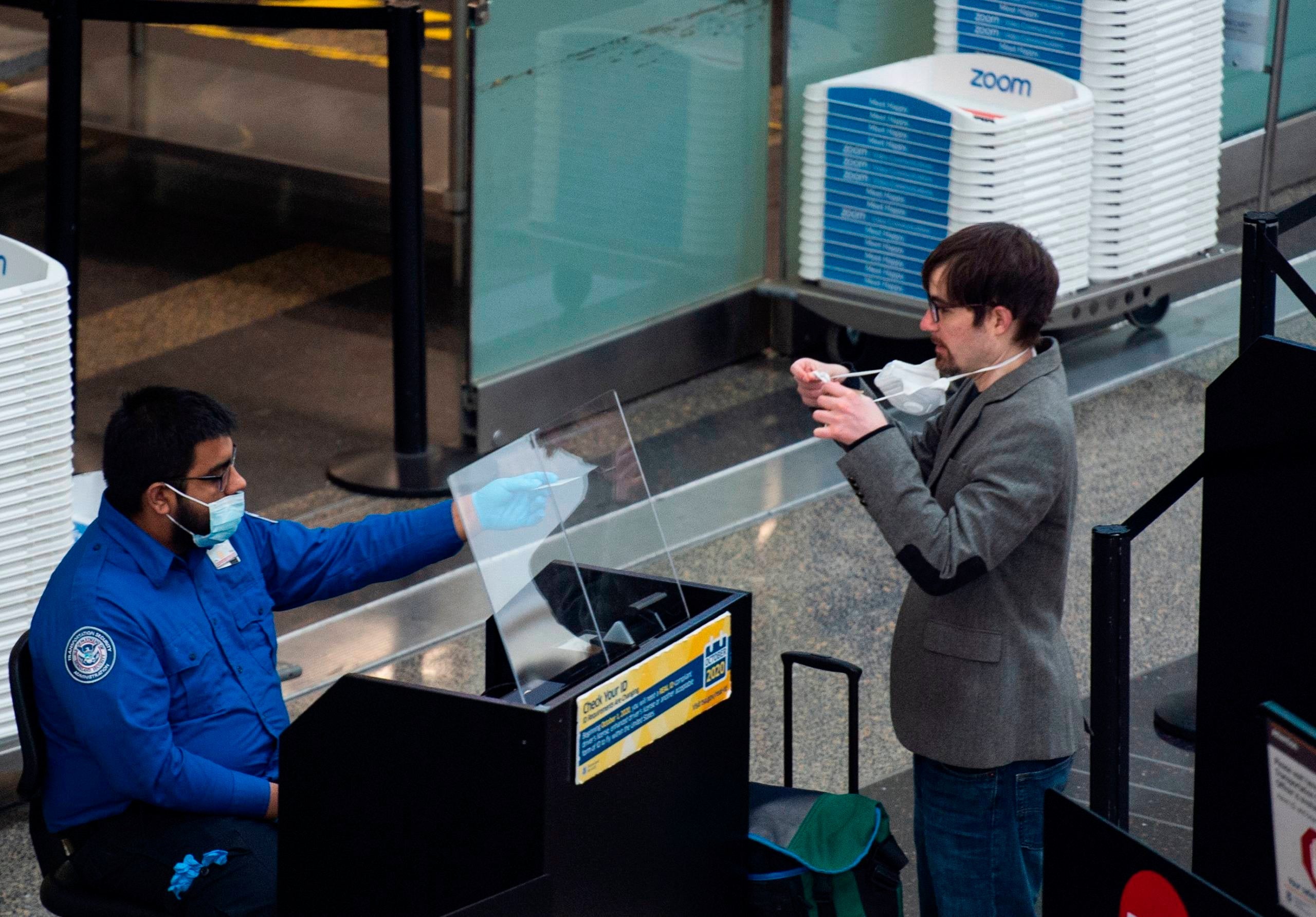
All the while, each airline was operating on a different timeline. It felt like each airline began copying and pasting from each other's rulebook, and it was — and still is — difficult to pinpoint exact policy.
Related: Complete guide to airline social distancing and health policies
Enforcement is hard
Just because a mask is required doesn't necessarily mean that passengers follow instructions. Some simply don't want to wear masks.
And though airlines have threatened to bar anti-maskers from future flights, enforcement is tricky. Someone could board a flight with a mask, only to take it off once onboard.
Flight attendants, already busy with other responsibilities, don't necessarily have the bandwidth to police masks. And airlines aren't in the business of diverting flights to offload those who won't wear a mask.
Delta has so far banned over 100 customers, while United has barred roughly 30.
And though airlines are keeping to their word, we've seen pictures of passengers wearing masks incorrectly or taking a leisurely meal break sans mask. That doesn't even address another potential loophole: Being banned from airline doesn't stop a passenger from flying on another carrier.
Related: Delta has banned more than 100 passengers for not wearing a mask
Medical exceptions are tricky
And of course, some will claim that they have medical exceptions that get in the way of wearing a mask. Though some are likely valid, it's hard to police what's legit and what's not.
Delta's solving for the issue by requiring anyone who claims an exception to undergo a "Clearance-to-Fly" exam before boarding. These virtual consultations with Delta's doctors will determine if one's medical condition prevents them from wearing a mask. The decision to fly maskless is ultimately at Delta's discretion.
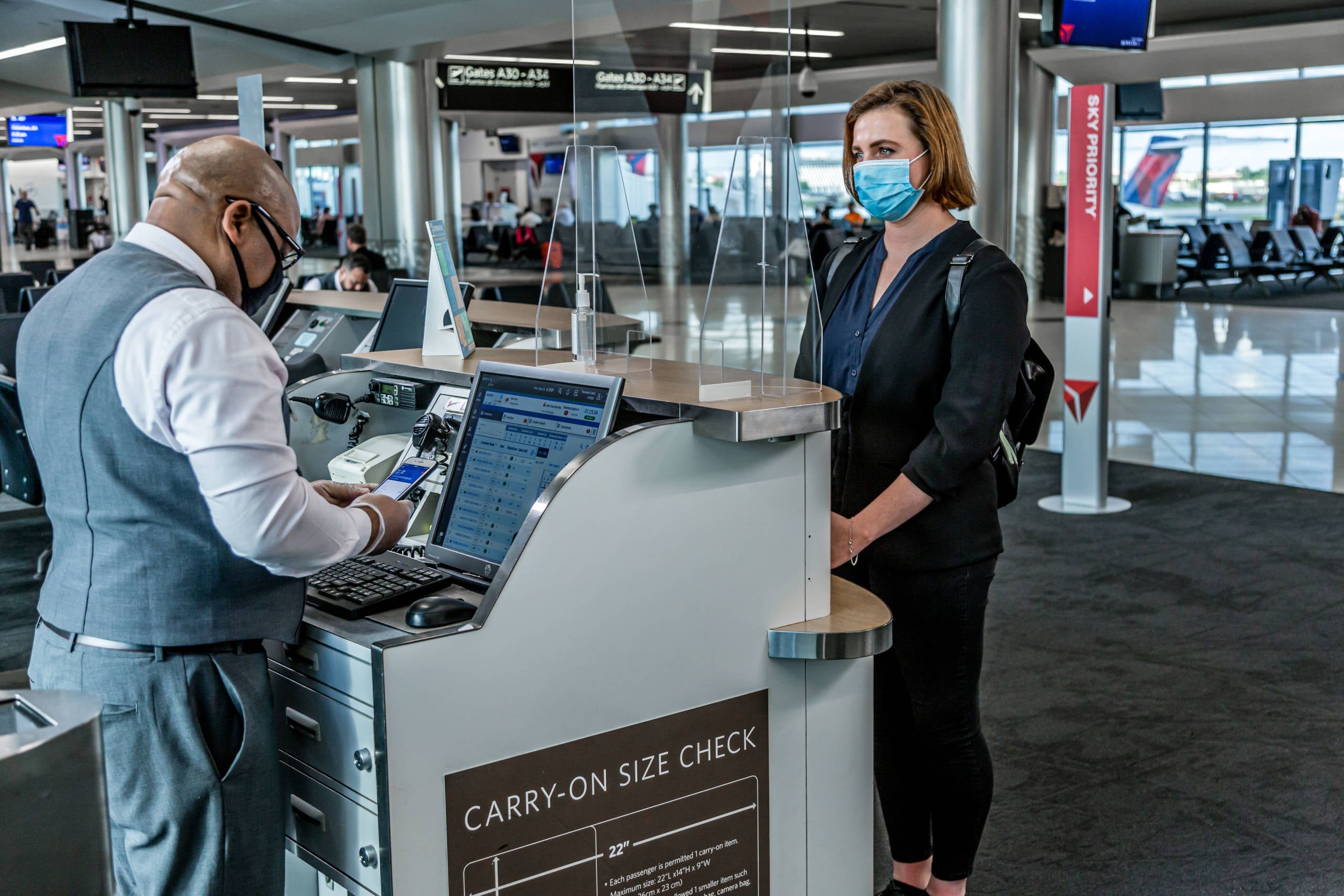
American Airlines and Southwest, on the other hand, are no longer granting exceptions based on medical conditions. Both airlines have announced that they won't board passengers who can't wear a mask during the entire flight.
This comes as the Department of Justice (DOJ) reiterates that the Americans with Disabilities Act (ADA) doesn't allow one to skirt the rules on face covering.
According to the DOJ, "cards and other documents bearing the Department of Justice seal and claiming that individuals are exempt from face mask requirements are fraudulent... The ADA does not provide a blanket exemption to people with disabilities from complying with legitimate safety requirements necessary for safe operations."
Some people are clearly creating fake documents just to get around mask-wearing policies. And that won't fly with some airlines.
Cases rising and asymptomatic spread is tough to identify
Nearly four million people have been infected with the virus in the U.S. alone. Of those, at least 143,000 have died. Some states that reopened early are now seeing cases surge. A number of states — including Florida and California — have seen positive cases spike in recent days and deaths are increasing in those states, too.
And though many people present symptoms of the virus, others don't. Asymptomatic cases are some of the most problematic since it's hard to know if you've been infected. If you then get on a flight and refuse to wear a mask, you'll be spreading the virus to others who could be more vulnerable and develop much more complicated reactions to infection.
Related: When will international travel return? A country-by-country guide to coronavirus recovery
A federal mandate could solve these issues
Wearing a seat belt is a Federal Aviation Administration (FAA) requirement. Why can't masks be as well?
For one, an FAA mask mandate on planes would apply to flights to, from or within the U.S. This would simplify all the varying rules we've seen so far in the industry. Each carrier serving the U.S. would be forced to adopt the FAA rule.
Not only would it streamline the rule-making process for the airline, but it'd make it easier for the customer to understand too — regardless of their chosen carrier.
And airlines would no longer have to play the uncomfortable role of the middle man. Not only would they no longer have to make the rules, but enforcement would be much easier too.
The mandate could spell out a fine and enforcement action for rule-breakers, as well as define exactly what to do if you have a medical exception. Airlines could then reference the FAA policy to those who don't wear a mask.
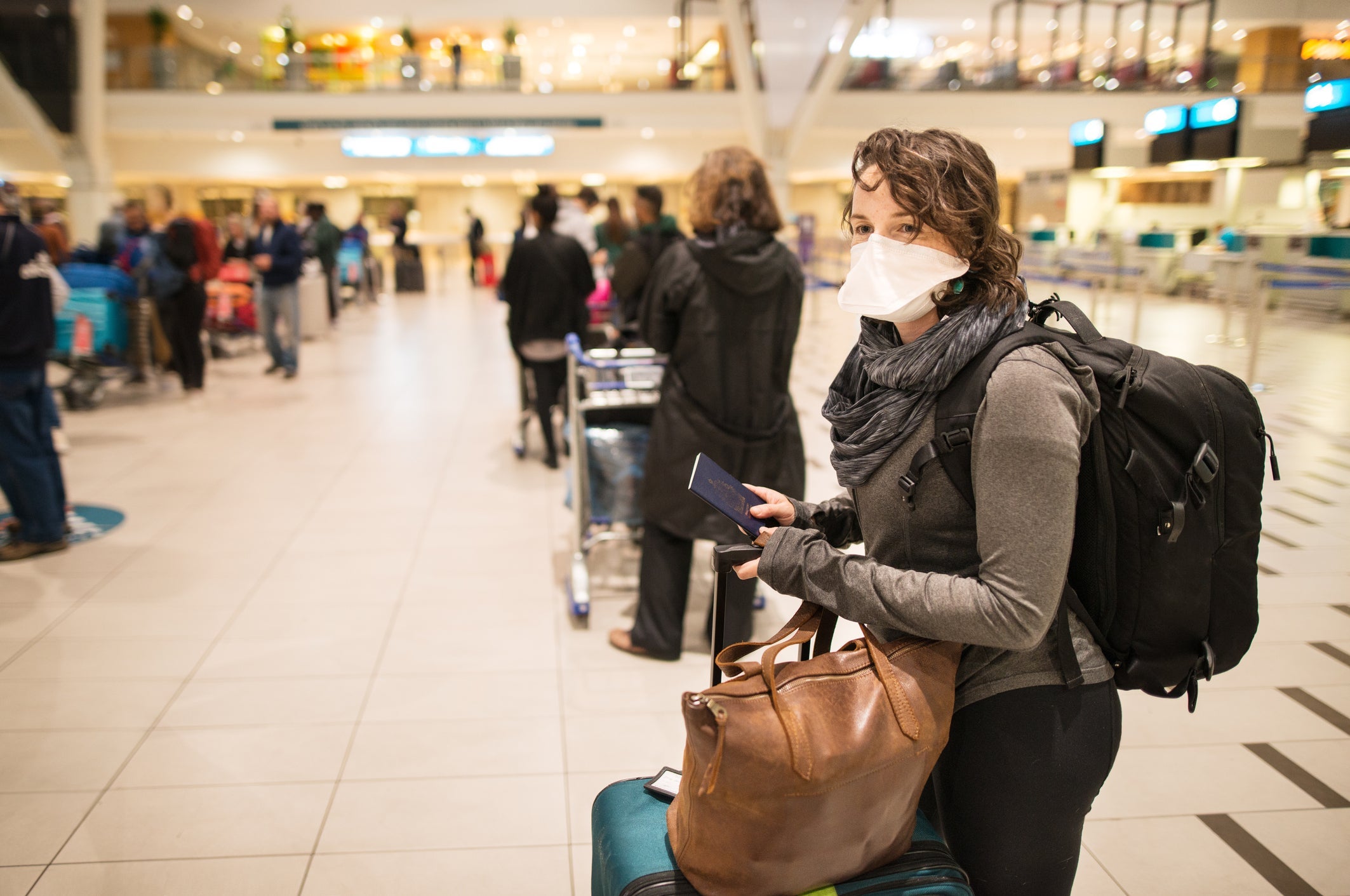
Lastly, it could help curb the spread of the virus. If the FAA worked to devise a strict, far-reaching and enforceable policy, perhaps the aviation industry could accelerate its recovery.
But don't take it from me. Gary Kelly, Southwest's CEO, told CNBC's Jim Cramer, "let's mandate masks. You have to wear pants. Why can't we mandate that you have to wear masks during a pandemic? It's broader than just airlines... You ought to be wearing it everywhere else too."
Unfortunately, however, we likely won't see an FAA mandate on masks anytime soon. In an April letter to the Air Line Pilots Association, FAA Administrator Steve Dickson wrote: "While the FAA remains steadfast in its focus on safety of flight, we are not a public health agency. We must look to other U.S. Government agencies for guidance on public and occupational health."
The same discourse was repeated at a senate committee in June, as Dickson mentioned that "our space is aviation safety, and their [the CDC] space is public health."
Related: These are your choices for the best and most comfortable masks
Bottom line
Right now, airlines are on their own regarding mask policies.
Most carriers have a slightly different version of the requirement, with enforcement varying across carriers too. Plus, how airlines handle medical exemptions isn't uniform either.
Combined with the rapid rise in cases, it's time for the feds to reconsider adopting a mask requirement for planes. Until there's a vaccine, it may just be our only hope to accelerate aviation's recovery.
TPG featured card

at Capital One's secure site
Terms & restrictions apply. See rates & fees.
| 5X miles | Earn 5X miles on hotels, vacation rentals and rental cars booked through Capital One Travel |
| 2X miles | Earn unlimited 2X miles on every purchase, every day |
Pros
- Stellar welcome offer of 75,000 miles after spending $4,000 on purchases in the first three months from account opening. Plus, a $250 Capital One Travel credit to use in your first cardholder year upon account opening.
- You'll earn 2 miles per dollar on every purchase, which means you won't have to worry about memorizing bonus categories
- Rewards are versatile and can be redeemed for a statement credit or transferred to Capital One’s transfer partners
Cons
- Highest bonus-earning categories only on travel booked via Capital One Travel
- LIMITED-TIME OFFER: Enjoy $250 to use on Capital One Travel in your first cardholder year, plus earn 75,000 bonus miles once you spend $4,000 on purchases within the first 3 months from account opening - that’s equal to $1,000 in travel
- Earn unlimited 2X miles on every purchase, every day
- Earn 5X miles on hotels, vacation rentals and rental cars booked through Capital One Travel
- Miles won't expire for the life of the account and there's no limit to how many you can earn
- Receive up to a $120 credit for Global Entry or TSA PreCheck®
- Use your miles to get reimbursed for any travel purchase—or redeem by booking a trip through Capital One Travel
- Enjoy a $50 experience credit and other premium benefits with every hotel and vacation rental booked from the Lifestyle Collection
- Transfer your miles to your choice of 15+ travel loyalty programs
- Top rated mobile app