From classroom to cockpit: What cadets can expect when becoming an airline pilot

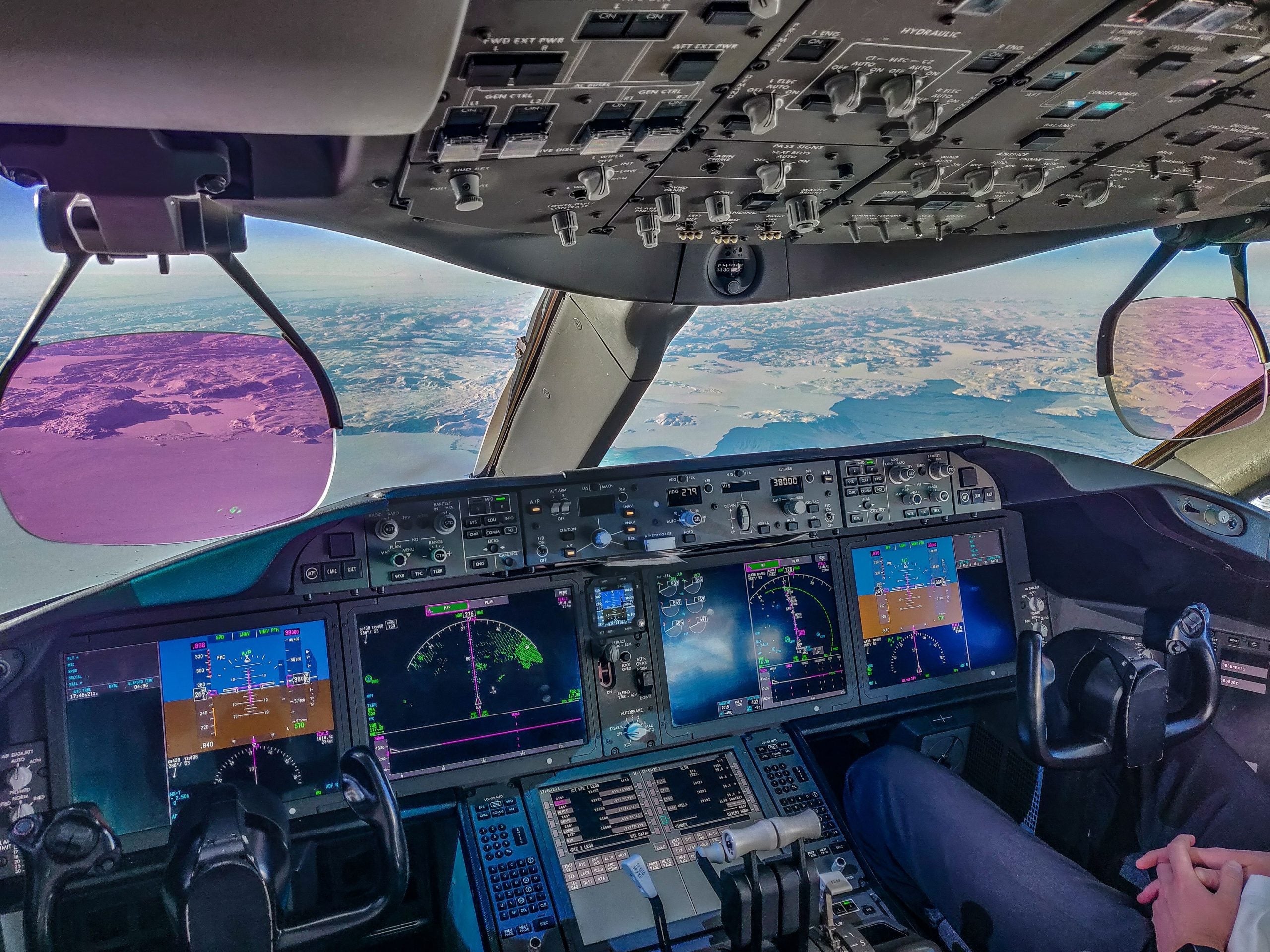
When I was 9 years old, I went on a family vacation to Spain. During the flight, no doubt encouraged by my dad, I was invited to go and visit the flight deck. In those pre-9/11 days, flight deck visits were both permitted and welcomed by pilots. It broke up the monotony of the flight and enabled crews to meet some interesting people.
Like many other kids who got to experience this special treat, a love of aviation was born as I was determined to become an airline pilot. Fast-forward 30 years and I'm now a Senior First Officer on the Boeing 787 with more than 10,000 hours of flying time around Europe and across the world.
So how does a 9-year-old school kid become a 39-year-old airline pilot? The steps to flying an airliner vary depending on where in the world you live, where you do your training and where you go to work. To keep things simple, I'm just going to explain how it works for those in the U.K.
What licenses do I need and how do I get them?
Let's start with the basics. In order to fly an aircraft such as an A320 or a Boeing 737 for an airline, you need a license known as an ATPL — an Airline Transport Pilots Licence. This requires a cadet to complete 14 theoretical exams in subjects including meteorology, principles of flight and aircraft performance. They must then undertake a course of flying training and pass the Commercial Pilots Licence (CPL) skills test and also the Instrument Rating (IR) skills test, which is normally done on a multi-engine aircraft.
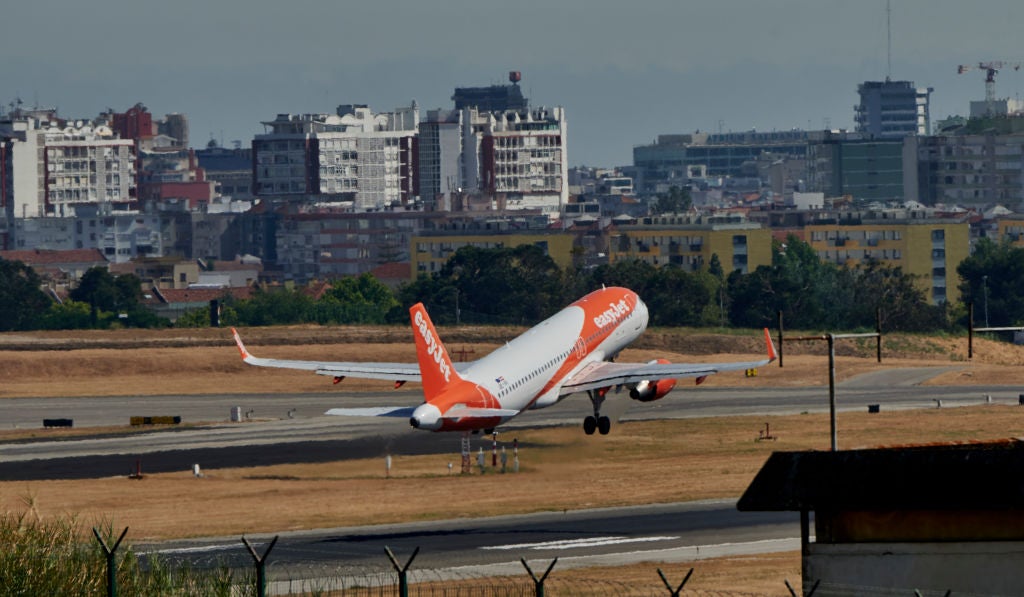
Finally, the cadet must complete a Multi-Crew Co-ordination Course (MCC) before they are then ready to apply to the airlines.
If a cadet completes all these stages of training, they are issued with a "frozen" ATPL — the minimum qualification needed to apply to an airline. There are two main ways of completing this training: the '"integrated" route or the "modular" route, though there is a third option as well.
Integrated training programs
Sometimes referred to as "zero to hero," integrated training programs are a one-stop-shop to take a cadet from zero flying experience all the way to a frozen ATPL. Normally taking around 18 months, cadets are guided through the training program by the flight school, including classroom tuition for the theoretical exams and then an organized program of training on the aircraft.
The clear benefit of an integrated course is the simplicity and time footprint. Turn up, do the training and, if all goes according to plan, 18 months later you'll be the proud owner of a frozen ATPL. The downside is the cost.
Depending on which flight school you chose, it can cost anywhere between $100,000 and $150,000 for an integrated course. Those costs can creep even higher if you don't pass flight tests the first time or you need extra training. More on this a little later.

Understandably, not everyone has access to such massive sums of money, so there is an alternative.
Modular training programs
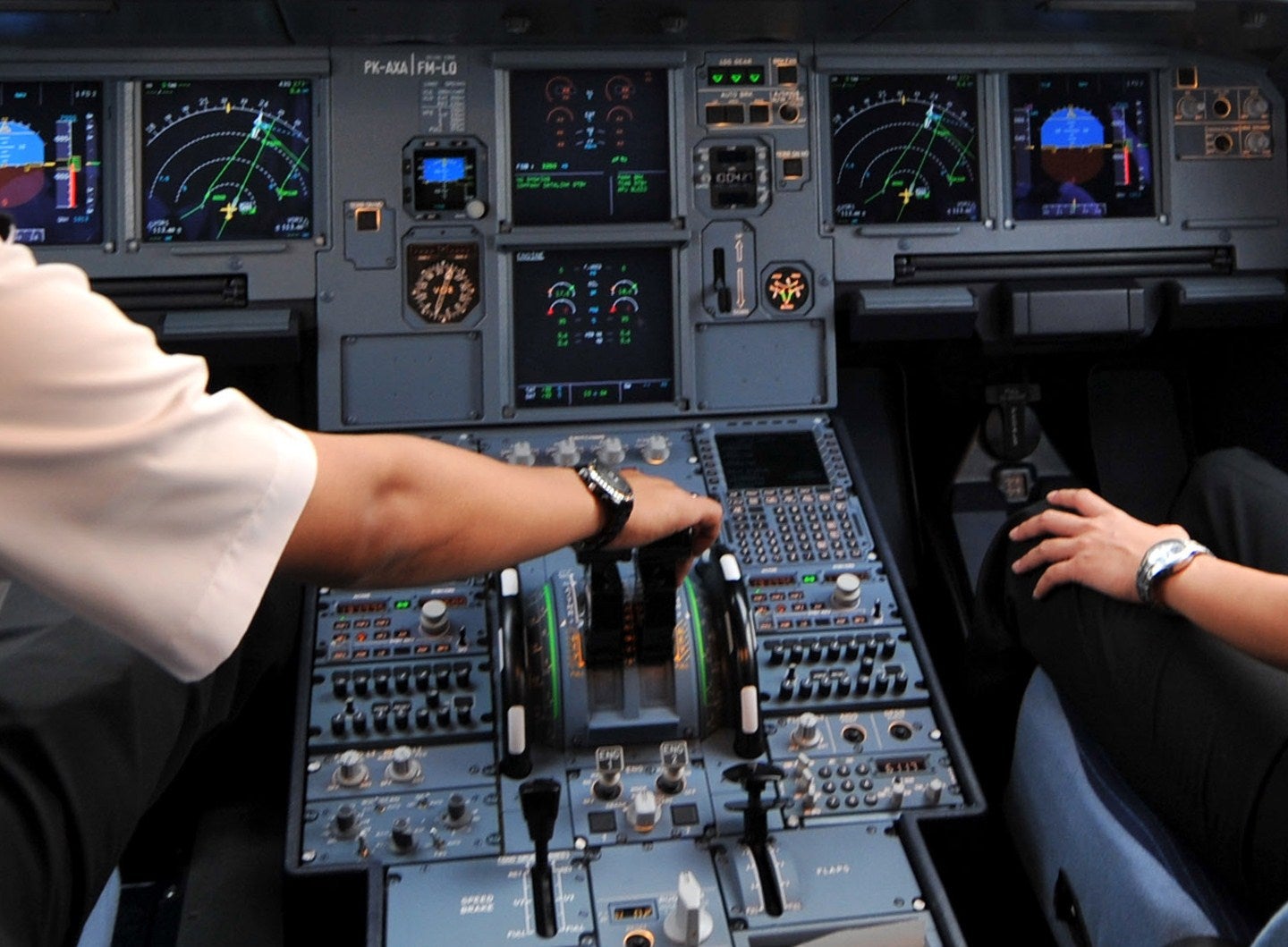
"The beauty of a modular training course is that a cadet can adjust the footprint of the course to suit their individual needs," Ben from AirlinePrep told me. He works with prospective and current airline pilots to equip them with the skills and knowledge required to get into the industry and land that dream job.
We had a good chat over the phone this week about the state of the industry and he gave me some great insights into the world of flight training and how job prospects are looking, particularly with the effects of Brexit and COVID-19.
When enrolling in a modular course, cadets take the various exams as and when it suits them. This has another major advantage.
"One of the best ways to put yourself in a good position to get an airline job is to pass the theoretical exams, CPL and IR tests at the first attempt — and this is true for both the integrated and modular routes," Ben said.
The other major benefit is the cost. A typical modular course will cost a cadet between $75,000 and $85,000. Not only is this cheaper than an integrated course, but the structure enables a cadet to work a job and save the money required before embarking on the next stage of training.
However, the downside to a modular course is the stop-start nature and the isolation. Modular cadets often have to find their own motivation to keep things moving along. When studying for the theoretical exams on their own at home, they may not have the support available to them were they on an integrated course.
Multi-crew Pilot License
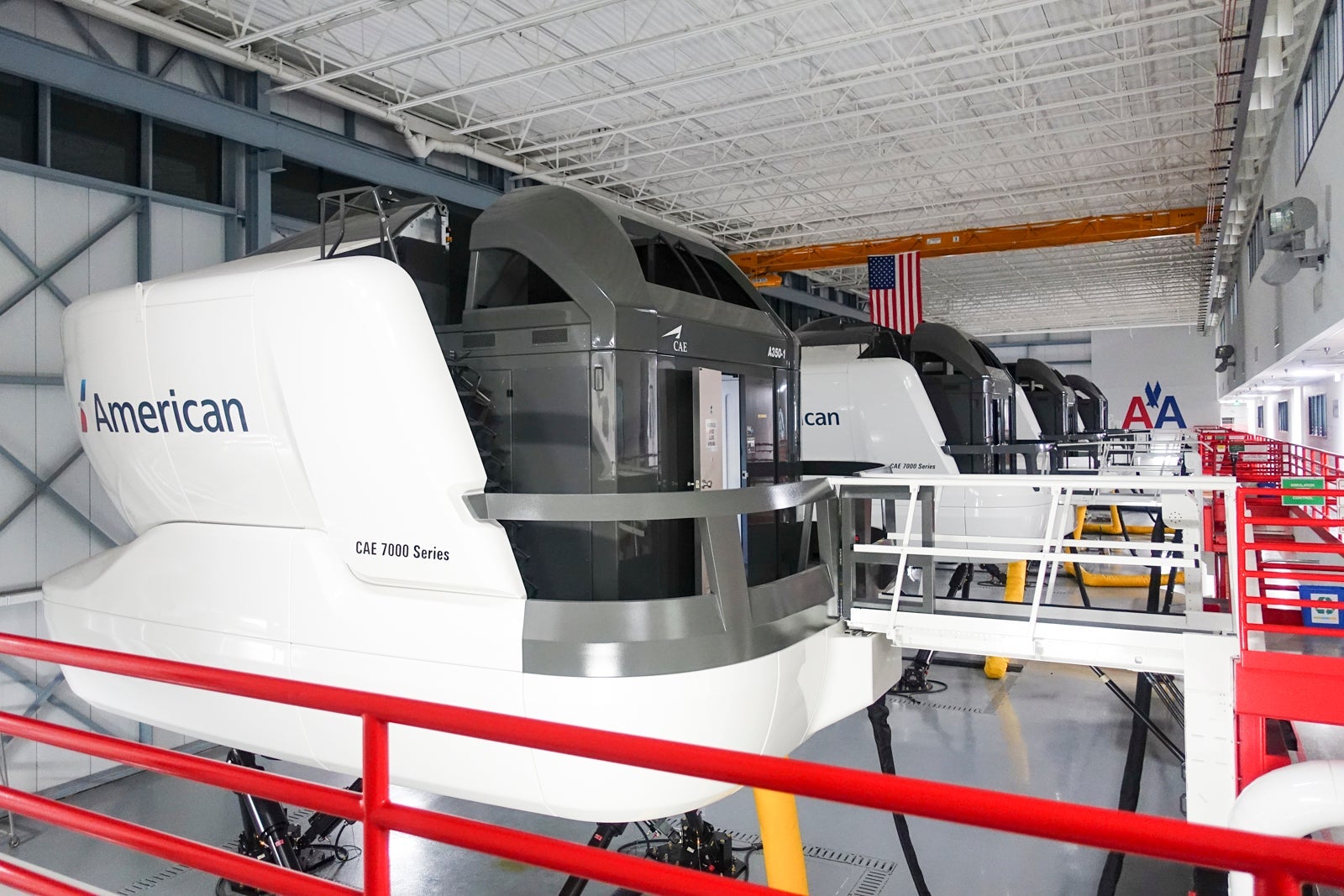
The final option, which was gaining traction pre-COVID was the Multi-crew Pilot License or MPL. Designed specifically for those who only planned to fly an airliner, the MPL focuses on training the cadet for a specific airline and aircraft type right from the very start of their training.
The course focuses more on the flight simulator stage of training and less on the actual flying of light aircraft as per the integrated and modular courses. However, it requires an airline partner right from the start, something that will be less likely in the current climate.
Do airlines take cadets from both integrated and modular courses?
"In a word, yes," Ben said. There isn't the fixation by the airlines on integrated cadets like there used to be.
"Recently, every airline would take both integrated and modular cadets, in one form or another," he added.
Some may argue that by doing an integrated course, there is a continuity of training, resulting in the cadet being "current" and ready to go for the next stage of training at the airline. There is certainly some merit in this viewpoint. However, not all integrated cadets go straight into a job, certainly the case at the moment.
Modular cadets may not have that continuity, but one thing they have already demonstrated is their ability to work independently and overcome difficult situations — a great trait to show when it comes to job interviews.
Are those costs all I have to pay?
Most probably not.
For integrated courses, the price advertised may not include accommodation. As most of these schools do some element of the training abroad, this is something you'll have to bear in mind. You'll also have to consider the cost of living — food, drink, entertainment and more. A recent presentation from an integrated flying school suggested that cadets budget around $15,000 to cover these costs over the entirety of the course.
However, with a frozen ATPL, you're still not in a position to fly an airliner. To do this, you'll need to complete a Type Rating (TR) on the aircraft type the airline you join flies. Most "legacy" airlines will cover this cost, but many others don't. Those applying to work for one of Europe's most well-known budget airlines have to pay around $35,000 for their TR.
All in all, to get to the right-hand seat of an airliner in Europe, a cadet may have to pay anything up to $200,000. Naturally, most people don't have this kind of money readily available, so it has to be secured via loans from banks or other means.

What qualifications do I need?
One of the first questions I get asked by prospective future pilots is what qualifications they need. If you look at the websites of the big flying training schools, you'll pretty quickly see that the answer is not very many. However, the key question to ask yourself here is not "What is the minimum I need to have?" but what should you have?
Most flying schools require cadets to have just 5 GCSE passes, preferably in English, Maths and Physics. A few others require their applicants to have A levels or a degree. Yet, these are the bare minimum. As we will see later, the training, particularly the academic theory side of it, can be quite demanding — and that's the easy part. Getting a job at the end of the course is the ultimate goal and putting yourself in the best possible position for that is key to how you should approach the whole pilot training conundrum.
"Technical skills are important, but it's key that prospective pilots start developing their non-technical skills as soon as possible," Ben said.
He told me that getting a commercial pilot license is one thing but getting that first job is a completely different story. It's this part that people should focus on before committing to spending thousands of pounds on flight training.
Make yourself stand out
Being a good airline pilot isn't just about being able to land the aircraft in a strong crosswind. In fact, the manual handling skills are just a small part of what makes up the skillset of a complete pilot. Non-technical skills such as workload management, leadership, teamwork, communication, decision making and problem-solving are all key parts of a pilot's skill set.
Unfortunately, it's difficult to really enhance these skills during a typical integrated flying course as all your time is taken up with studying and flying. As a result, Ben recommends that prospective pilots think about how they will demonstrate these skills before starting their training and the best way to do this is to get a job, do charity work, take part in schemes like the Duke of Edinburgh award and play team sports. Basically, do what you can to add to your CV and give yourself more to say in an interview.
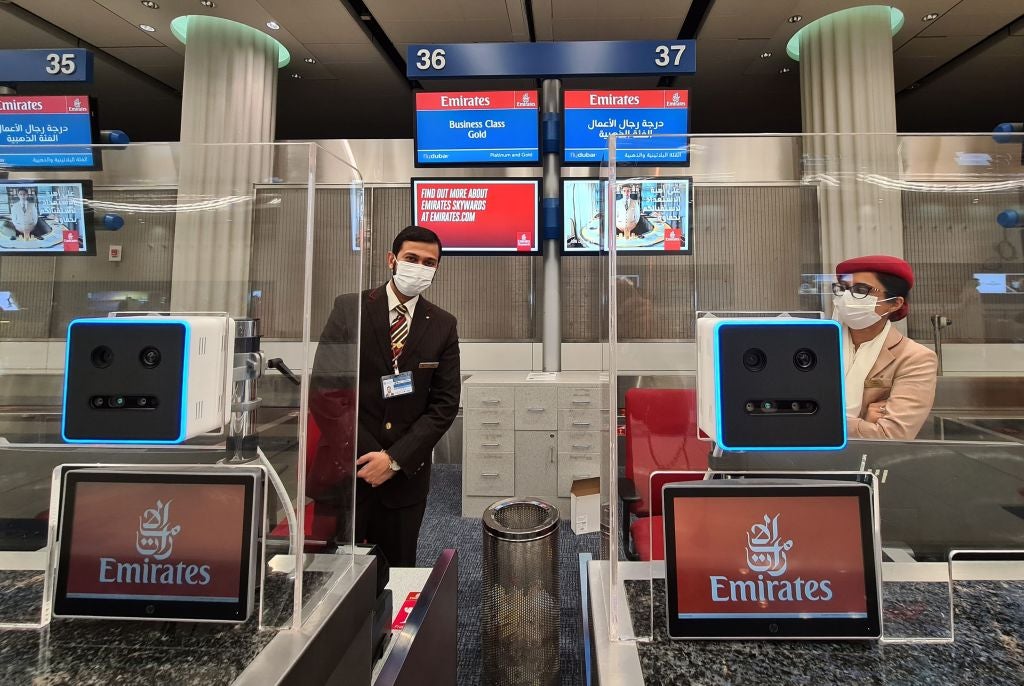
The experiences expose an individual to a whole range of situations beyond what they will have experienced at school. Even going to university and studying for a degree gives a prospective pilot extra skills they will not have had before.
Most airline interviews will require the applicant to give examples of these non-technical skills.
"Tell me about a time when you demonstrated effective communication?" "Describe a time when you experienced poor leadership," and "Tell me about a time when you worked well as part of a team," are all possibilities.
It's fine to talk about the time when the aircraft radio wasn't working properly or that you played in the school football team, but think how these examples will stack up against someone who may have spent a couple of years working in a supermarket or volunteering at their local charity shop.
Before embarking on a training course, think about how you will sell yourself at a job interview at the end of it. You'll be competing for the same job with every other cadet in your class who will have the same flying experience as you — a frozen ATPL with around 220 hours of flying time. So how are you going to make yourself stand out from the crowd?
What can I expect to get paid in my first job?
As you might expect, starting salaries vary quite considerably depending on the airline. It can also be difficult to work out an accurate figure, as some of a pilot's remuneration is paid in allowances, which are linked to how much we actually fly.
However, according to the Professional Pilots Job Network, one of the most reliable sources for job information within the industry, a cadet can expect to be paid anything between $25,000 and $40,000 for the first year, depending on the airline. As the pilot spends more time in the airline and their experience increases, their salary also increases.
What are the job prospects like right now?
"Challenging" was Ben's one-word assessment on the job market in Europe at the moment in the aftermath of the coronavirus pandemic and as the industry looks to rebound. According to EuroCockpit, an agency representing pilots at the EU level, more than 18,000 pilot jobs are threatened or have already been permanently lost. The other main destination for European pilots, the Middle East, isn't faring much better. Brexit has also had an unexpected effect, too.
"During the training program, at some stage, a cadet will have to decide if they want to end up with a U.K. license or a European license," Ben explained. "Whilst a U.K. license holder will be able to apply to airlines in the U.K., they will no longer be able to apply to those in Europe. Conversely, if they opt for a European license, they will not be able to apply to U.K. airlines."

In addition, the right to live and work in the EU isn't as easy as before Brexit, so jobs in the EU are not as accessible as they were a year ago. It's worth considering that potential first jobs on the continent might not be available to Brits. This may change, but for now, who knows — Bristol Ground School has a great article explaining the details of this.
Bottom line
When the effects of COVID-19 on the airline industry will start to subside, no one knows. Some see this summer as a start, while some airline executives are looking at 2024 or beyond. What path the industry takes from here is even harder to predict. What we do know is that we have never faced such difficult and worrying times. I'm confident that people want to travel now more than ever and to reach faraway destinations in a time-efficient manner, they will need to fly. If people need to fly, they will need pilots — until they trust a computer to carry them seven miles above oceans and deserts.
For those thinking of becoming an airline pilot, I'd offer a few pieces of advice. Firstly, don't believe the Instagram hype. There are a huge number of pilots out there who share the great things about the job (of which there are many) but fail to show the realities of the downsides. Look beyond the smart uniforms and golden beaches.
Secondly, talk to as many pilots as you can (feel free to email me or Ben) and get a balanced view of the industry and how it will work for you. After all, a key part of demonstrating good decision-making is taking in as much information as possible before making your decision.
Thirdly, when talking to flying schools, ask them difficult questions. What happens if you fall behind on the lesson plans? What happens if you fail exams? What happens if you don't get a job? What assistance do they provide? Ask to speak to former cadets who have found it difficult getting jobs and see how they found the experience. If you're handing over such massive sums of money, you are the customer. Make sure you are going to get value for money.
Finally, remember that there's no such thing as a guaranteed job.
TPG featured card
at American Express's secure site
Terms & restrictions apply. See rates & fees.
| 4X | Earn 4X Membership Rewards® points per dollar spent on purchases at restaurants worldwide, on up to $50,000 in purchases per calendar year, then 1X points for the rest of the year. |
| 4X | Earn 4X Membership Rewards® points per dollar spent at US supermarkets, on up to $25,000 in purchases per calendar year, then 1X points for the rest of the year. |
| 5X | Earn 5X Membership Rewards® points on prepaid hotel stays booked through AmexTravel.com or the Amex Travel App™. |
| 3X | Earn 3X Membership Rewards® points on flights booked through AmexTravel.com, the Amex Travel App™, or purchased directly from airlines. |
| 2X | Earn 2X Membership Rewards® points on prepaid car rentals booked through AmexTravel.com or the Amex Travel App™ and cruises booked and paid through AmexTravel.com. |
| 1X | Earn 1X Membership Rewards® point per dollar spent on all other eligible purchases. |
Pros
- Valuable dining and food-related credits
- Flexible rewards with airline and hotel transfer partners
- Multiple travel and purchase protections
- No foreign transaction fees
- Access to Amex Offers for additional savings (enrollment required)
Cons
- Not as useful for those living outside the U.S.
- Some may have trouble using Uber and other dining credits
- You may be eligible for as high as 100,000 Membership Rewards® Points after you spend $8,000 in eligible purchases on your new Card in your first 6 months of Card Membership. Welcome offers vary and you may not be eligible for an offer. Apply to know if you’re approved and find out your exact welcome offer amount – all with no credit score impact. If you’re approved and choose to accept the Card, your score may be impacted.
- Earn 4X Membership Rewards® points per dollar spent on purchases at restaurants worldwide, on up to $50,000 in purchases per calendar year, then 1X points for the rest of the year.
- Earn 4X Membership Rewards® points per dollar spent at US supermarkets, on up to $25,000 in purchases per calendar year, then 1X points for the rest of the year.
- Earn 5X Membership Rewards® points on prepaid hotel stays booked through AmexTravel.com or the Amex Travel App™.
- Earn 3X Membership Rewards® points on flights booked through AmexTravel.com, the Amex Travel App™, or purchased directly from airlines.
- Earn 2X Membership Rewards® points on prepaid car rentals booked through AmexTravel.com or the Amex Travel App™ and cruises booked and paid through AmexTravel.com.
- Earn 1X Membership Rewards® point per dollar spent on all other eligible purchases.
- Pay It® lets you tap in the American Express® App to quickly pay for small purchase amounts throughout the month and still earn rewards the way you usually do. Plan It® gives you the option to split up big purchases into equal monthly payments with a fixed fee. You’ll know upfront exactly how much you’ll pay.
- $120 Dining Credit: Earn up to a total of $10 in statement credits monthly when you pay with the Gold Card at Grubhub (including Seamless), Buffalo Wild Wings, Five Guys, The Cheesecake Factory, and Wonder. This can be an annual savings of up to $120. Enrollment required.
- $100 Resy Credit: Get up to $100 in statement credits each calendar year at over 10,000 qualifying U.S. Resy restaurants after you pay for eligible purchases with the American Express® Gold Card. That’s up to $50 in statement credits semi-annually. Enrollment required.
- $84 Dunkin' Credit: Earn up to $7 in monthly statement credits after you pay with the American Express® Gold Card at U.S. Dunkin’ locations. Enrollment required.
- $120 Uber Cash on Gold: Enjoy up to $120 in Uber Cash annually with your Gold Card. Just add your Card to your Uber account and you'll get $10 in Uber Cash each month to use on orders and rides in the U.S. when you select an Amex Card for your transaction.
- Enjoy complimentary Hertz Five Star® Status benefits like skipping the counter at select locations, adding an additional driver at no additional cost*, and vehicle upgrades**. Benefit enrollment and Hertz Gold+ registration are required. *Additional drivers must meet standard rental qualifications and must be a spouse or domestic partner to qualify as complimentary. Other additional drivers subject to fees. **Benefits are subject to availability and vary by location. Additional Hertz program Terms and Conditions including age restrictions apply.
- Book two nights or more with The Hotel Collection through AmexTravel.com or the Amex Travel App™ and receive a $100* credit towards eligible charges at over 1,400 upscale hotels worldwide. *Eligible charges vary by property.
- Book your travel through the Amex Travel App™ with added peace of mind – backed by American Express® service and support. Only for American Express® Card Members.
- Whenever you need us, we're here. Our Member Services team will ensure you are taken care of. From lost Card replacement to statement questions, we are available to help 24/7.
- No Foreign Transaction Fees.
- Annual Fee is $325.
- Terms Apply.