Going Boom: What it's like to fly supersonic
Editor's Note
United Airlines has just announced that it signed a deal with Boom Supersonic, a startup working to develop the first supersonic commercial jet since the Concorde, to purchase up to 50 of the company's planned passenger jet.
While we wait for details from United about what the passenger experience could look like, let's revisit our old friend Concorde for a look at what it was like flying supersonic the first time around.
Related: United Airlines announces deal with Boom Supersonic for faster-than-sound commercial flights
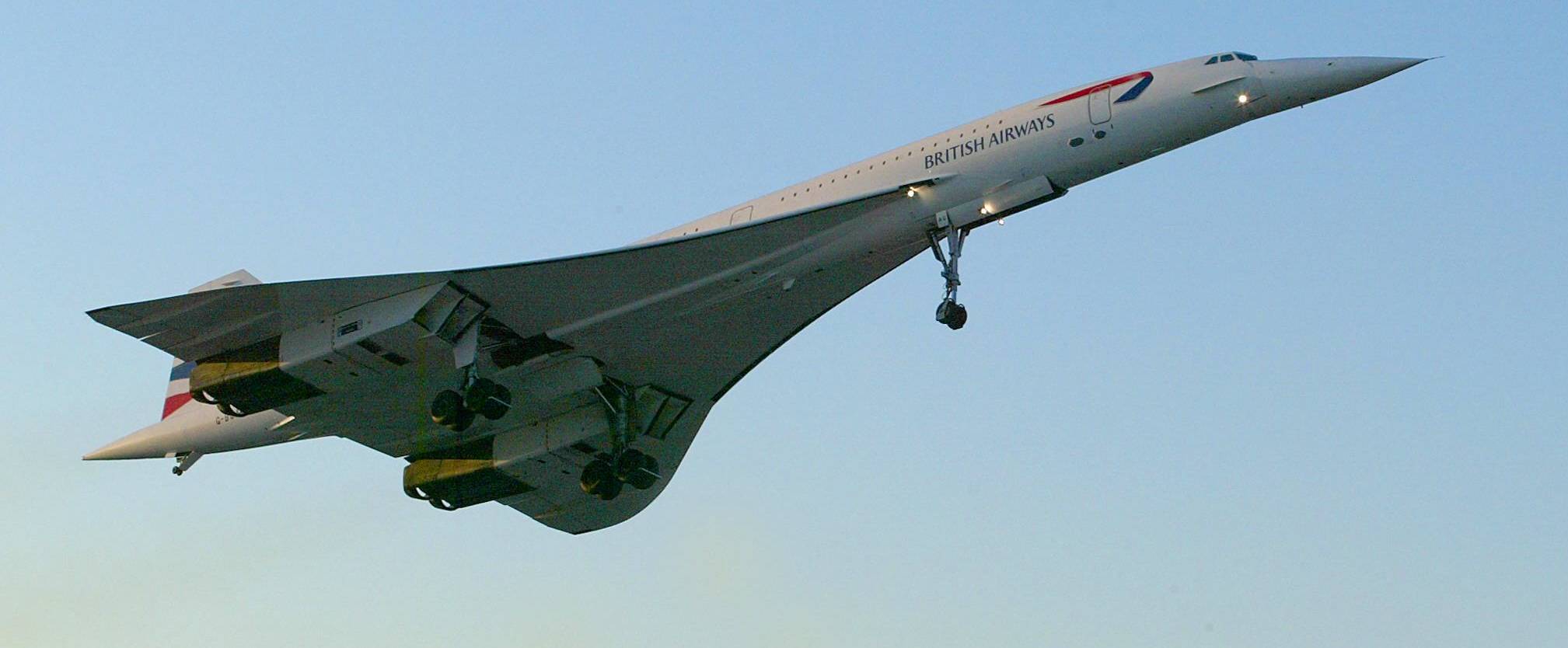
50 years to the day after its first flight on March 2, 1969, Concorde is a memory — the fastest passenger airplane that ever flew has been grounded since 2003. No amount of points and miles can get you on one: the last Concorde landed for good in 2003.
Among frequent flyers, there is a question that often pops up: Did you ever fly Concorde? (Don't say the Concorde. Connoisseurs frown upon it.)
Those lucky enough to have flown on the supersonic jet know that, inside, it wasn't all that glamorous, with small seats and a cramped cabin with tiny windows — but nobody really cared about that. Exceptional service and the chance to rub shoulders with celebrities between New York and Paris or London made up for that.
For pilots at Air France and British Airways, Concorde was the ultimate goal, the chance to command a machine faster than many fighter jets, able to cross the Atlantic Ocean in under three hours.
"Like riding a thoroughbred"Mike Bannister may well be the most famous Concorde pilot. He flew VC-10 long-haul jets with BOAC before becoming a British Airways Concorde first officer, then captain and instructor. He was chief pilot of the Concorde fleet at BA until it was grounded in 2003, and retired as vice president of BA's short and medium-haul and Concorde operations.
"It was like riding a thoroughbred racehorse rather than a riding school hack, or driving a sports car rather than a truck," he said. "It was so responsive, you could fly it with your fingertips."

Flying Concorde was "very rewarding because it operated so efficiently and effectively. And it was rewarding to see Concorde customers very happy when they got off the airplane."
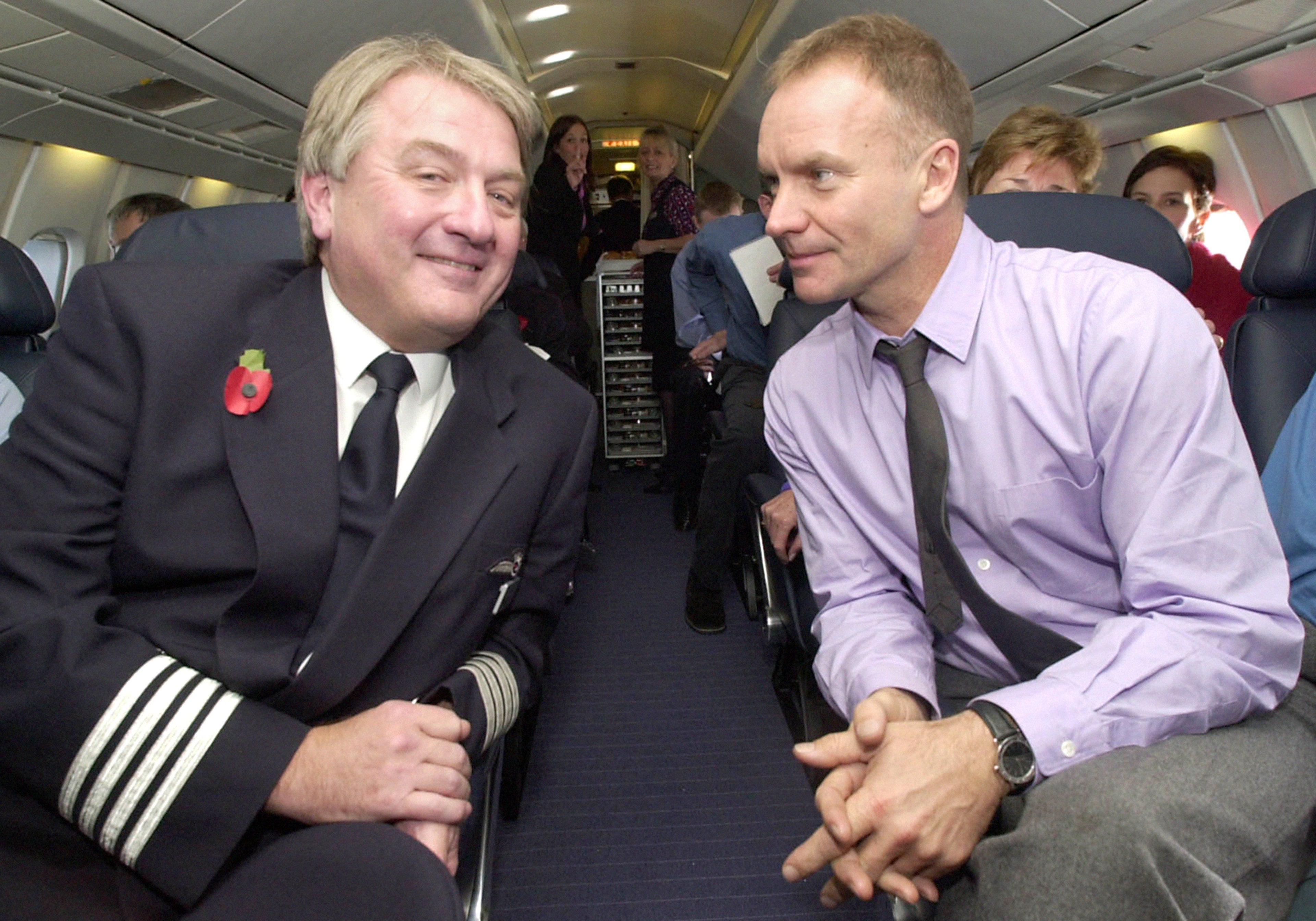
Although Bannister, who retired from BA in 2004, said he "of course" misses flying the Concorde, he still has close ties to the aircraft: He is vice chairman of the board of trustees of Brooklands Museum in Surrey, site of a former aircraft factory, where one-third of every Concorde was built. It today houses the largest Concorde spare parts collection in the world, as well as an entire aircraft.
"It was very emotional"
Béatrice Vialle was a first officer on Air France Concordes from 2001 to 2003; today she flies Boeing 777s for the carrier.
On one of her earliest flights from Paris Charles de Gaulle to JFK, she actually had to land at Newark, because of fog. When the fog lifted, she flew the plane from New Jersey to New York, a trip that took all of 10 to 15 minutes. Because the plane at that point was not carrying any passengers or their belongings, it was, she said, "very light. It was very fantastic to fly the plane when it was very empty, very interesting to do such a short flight."
She also piloted Air France's last Concorde flight arriving at CDG, a charter. "It was very emotional. A crowd had gathered around, right outside the runway, to say goodbye. We taxied slowly, as long as possible."
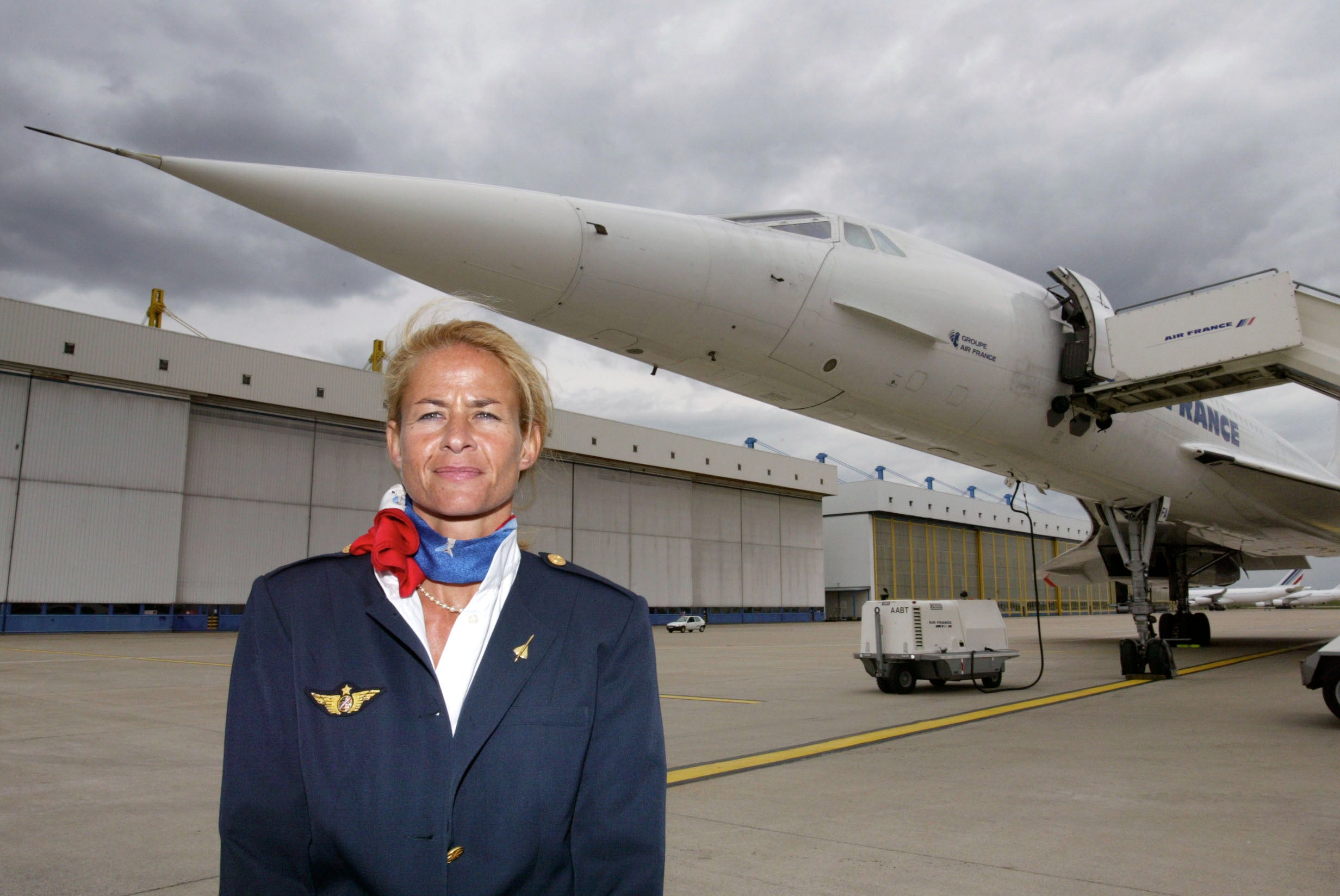
She, too, misses flying the supersonic aircraft. "It was a dream for me at pilot school. I didn't think I could one day fly on the Concorde. I am very happy to have had these experiences. Few pilots have this fantastic experience on Concorde."
"They came off the plane with a lot of energy"
Jennifer Coutts Clay — former controller of corporate identity for British Airways, overseeing all aspects of the carrier's visual identity, including design of the Concorde interior and exterior, and currently, an aviation consultant specializing in aircraft interiors — flew as a paying passenger a few times on both the British and French Concordes.
She remembers the 250-mile-per-hour speed at take-off, which she described as "feeling like you were going up like a rocket towards space."
And because Concorde's cabin altitude of about 5,500 feet was lower than normal aircraft, because of higher pressurization, she said passengers "did not suffer the normal amount of oxygen deprivation. They came off the plane with a lot of energy, always positive. It was something people loved about it."
No time for sleep
A retired, UK-based investment manager who flew Concorde some 30 times, all but once on BA, and who prefers not to be identified because he is still a customer of the airline, said that if you used the plane "effectively, the cost was much lower than anybody thought."
This was true because he could fly to New York from London for a day to do business and did not need to stay overnight in a hotel. And, he said, westbound, transatlantic subsonic flights were so short, "I could never get my sleep."
And on all flights the traveler collected gifts — including silver napkin rings and flasks, and items from Smythson of Bond Street, a British stationer — bestowed by the carriers on their high fare-paying passengers; he said his grandchildren inquire today about them.
Anniversary on Concorde
Paul Metselaar, chairman and chief executive of New York-based Ovation Travel Group, which specializes in corporate, leisure and group travel, took his first Concorde flight in May 1999 with his wife, Lisa, to begin a vacation in France celebrating their 15th anniversary.
"We sat down for an early morning flight, and there was an incredibly delicious Bordeaux, caviar and foie gras. We ate every single bit of it. It was the beginning of an incredible vacation," he recalled.
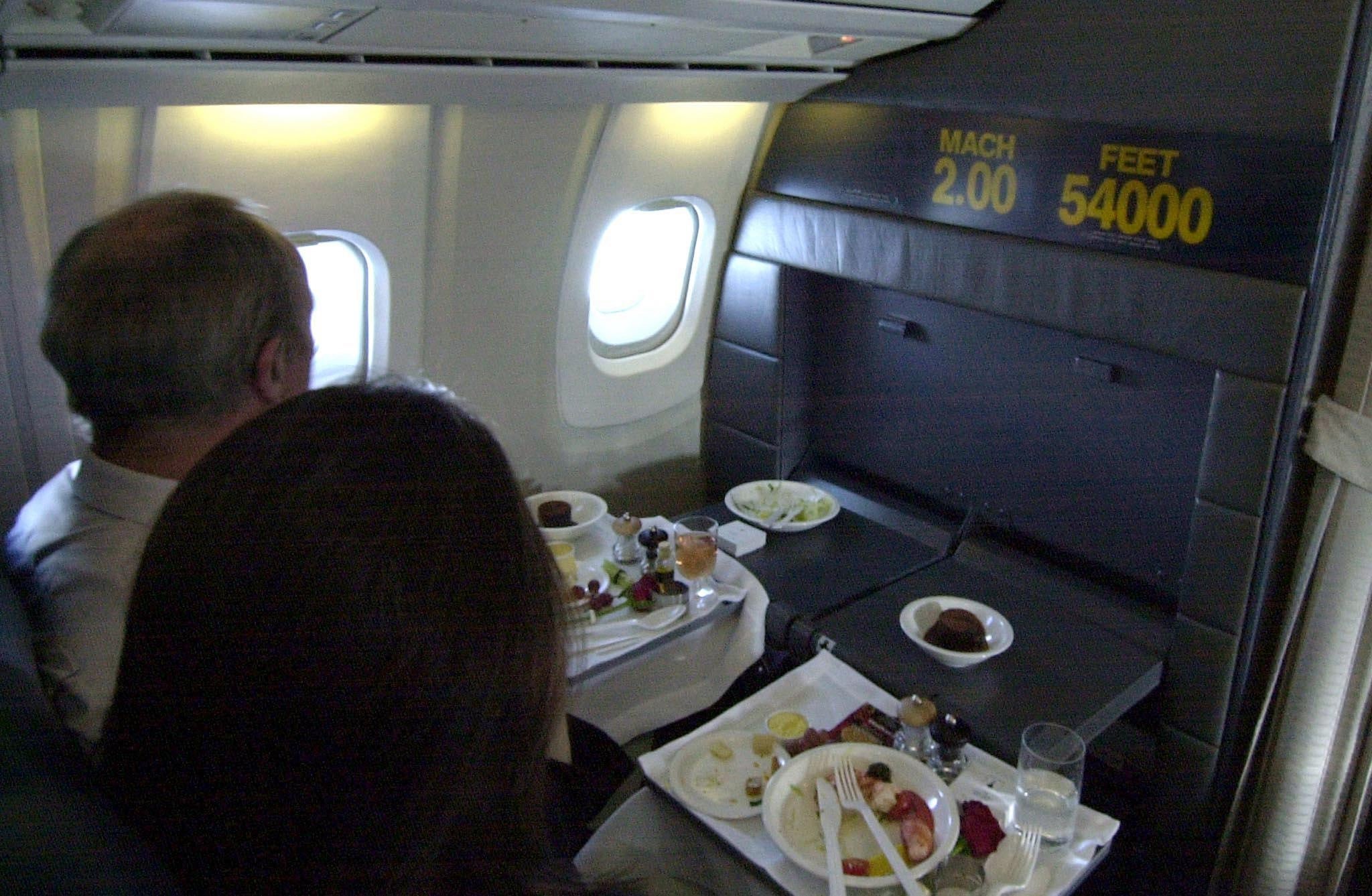
Although he found the Concorde cabin "small" and "fairly confined," he felt the amenities compensated for these conditions: "You felt you were already in Paris when you got on the plane, because of the service level, including at the lounge at JFK, on Air France."
Concorde had only one class, by the way. All 100 seats, arranged 2-2, were the same and offered the same level of service.
"It was a great thing to get there before you left"
Jack Ezon, who today runs a luxury travel company called Embark in New York, took the Air France Concorde twice and the British one once in the early part of this century.
He found the experience "beautiful, glamorous and cool, especially the first time. It was extremely convenient, with a three-hour flight from Paris to New York. It was a great thing to get there before you left," thanks to the six-hour time zone difference.
He also found that his fellow passengers were "all very sophisticated people. It was almost like flying with my clients on a G6," the Gulfstream G650 business jet.
However, like the G6, he said the Concorde "did not have much personal space. One drawback was the tight cabin. In actuality, it had a glorified coach seat, or maybe premium economy. But it had beautiful food and beverage."
But even without Concorde in the skies, there are still ways to travel very glamorously — if at much slower speeds.
Pointing to what he called a "more luxurious" inflight experience offered today by some carriers, Ezon suggested "there is something to be said in life about slowing down, even disconnecting. Well-traveled people consistently say they look forward to long flights where they can completely disconnect and reconnect with themselves. Think of the Slow Food movement in transit."
For more, check out Concorde at 50: Faster Than a Speeding Bullet and Concorde at 50: Where Are They Now?
TPG featured card

at Capital One's secure site
Terms & restrictions apply. See rates & fees.
| 5X miles | Earn 5X miles on hotels, vacation rentals and rental cars booked through Capital One Travel |
| 2X miles | Earn unlimited 2X miles on every purchase, every day |
Pros
- Stellar welcome offer of 75,000 miles after spending $4,000 on purchases in the first three months from account opening. Plus, a $250 Capital One Travel credit to use in your first cardholder year upon account opening.
- You'll earn 2 miles per dollar on every purchase, which means you won't have to worry about memorizing bonus categories
- Rewards are versatile and can be redeemed for a statement credit or transferred to Capital One’s transfer partners
Cons
- Highest bonus-earning categories only on travel booked via Capital One Travel
- LIMITED-TIME OFFER: Enjoy $250 to use on Capital One Travel in your first cardholder year, plus earn 75,000 bonus miles once you spend $4,000 on purchases within the first 3 months from account opening - that’s equal to $1,000 in travel
- Earn unlimited 2X miles on every purchase, every day
- Earn 5X miles on hotels, vacation rentals and rental cars booked through Capital One Travel
- Miles won't expire for the life of the account and there's no limit to how many you can earn
- Receive up to a $120 credit for Global Entry or TSA PreCheck®
- Use your miles to get reimbursed for any travel purchase—or redeem by booking a trip through Capital One Travel
- Enjoy a $50 experience credit and other premium benefits with every hotel and vacation rental booked from the Lifestyle Collection
- Transfer your miles to your choice of 15+ travel loyalty programs
- Top rated mobile app