No boarding pass needed: TSA dramatically expands new airport screening systems

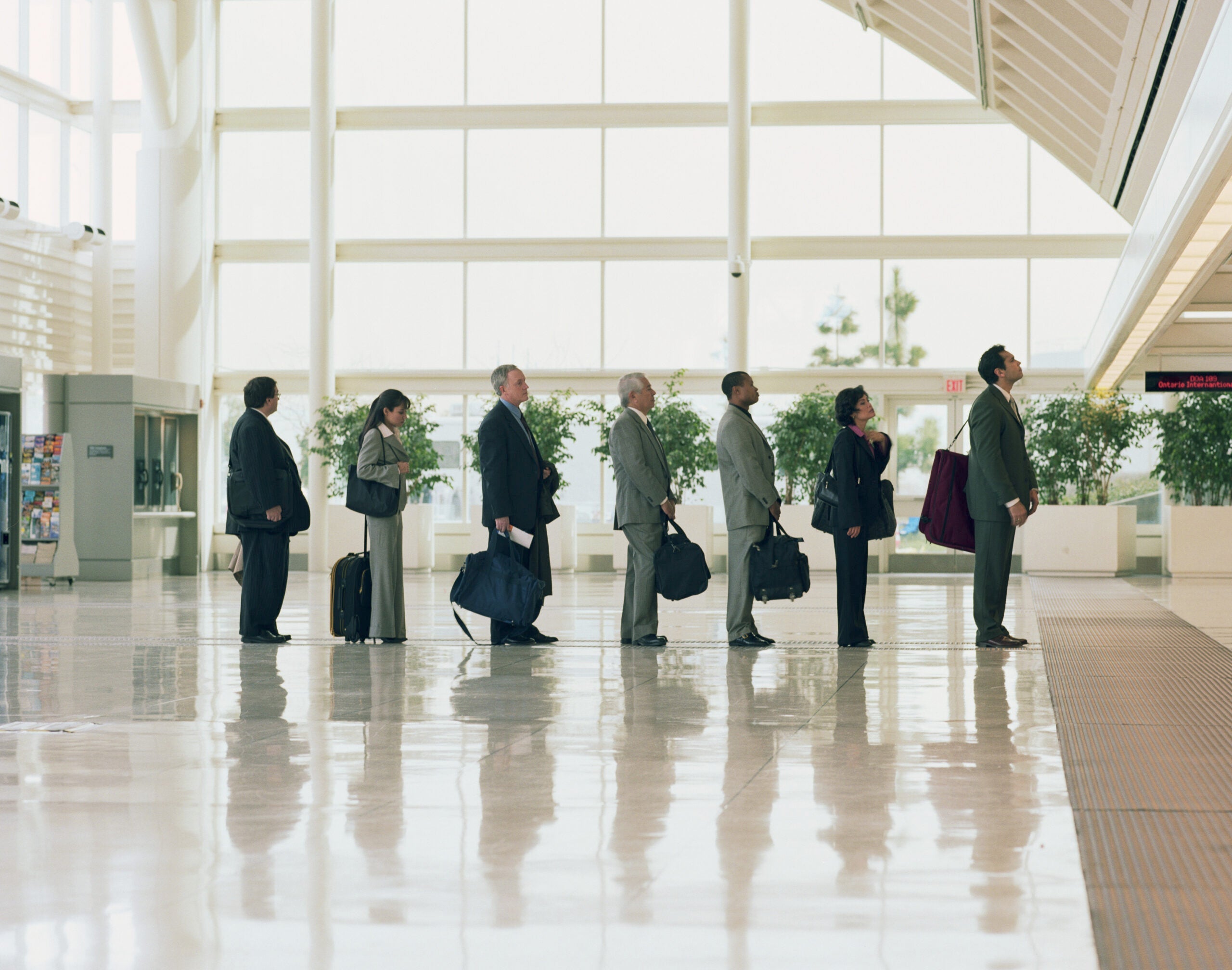
You may get a pleasant surprise on your next trip when you arrive at your local Transportation Security Administration checkpoint: No boarding pass is required.
At a rapidly expanding number of airports, the TSA staff is using the Credential Authentication Technology system to scan your driver's license or other government identification. The system authenticates the identification, confirms the flight reservation associated with the ID, checks for pre-screening status such as TSA PreCheck and cross-references it with security alerts. It does all of this without you needing to present your boarding pass.
During the past three years, the TSA has installed more than 1,600 CAT units in 175 airports, according to TSA spokesperson Lorie Dankers. The number of airports using the system has grown nearly 50% from the number the TSA reported just last year.
The time saved by passengers not having to fumble with phone screens or search pockets for a paper boarding pass should increase the speed of screening and reduce the time spent standing in TSA lines. On a crowded day, this new system could save you 10-15 minutes of wait time.
To help you better understand the new system and how it can affect your next airport visit, TPG reviewed details of the updated screening process and looked at the system's implementation at U.S. airports.
Download the free TPG app so you can track your progress toward your next trip, and get spending recommendations to help you reach your travel goals.
The new screening process
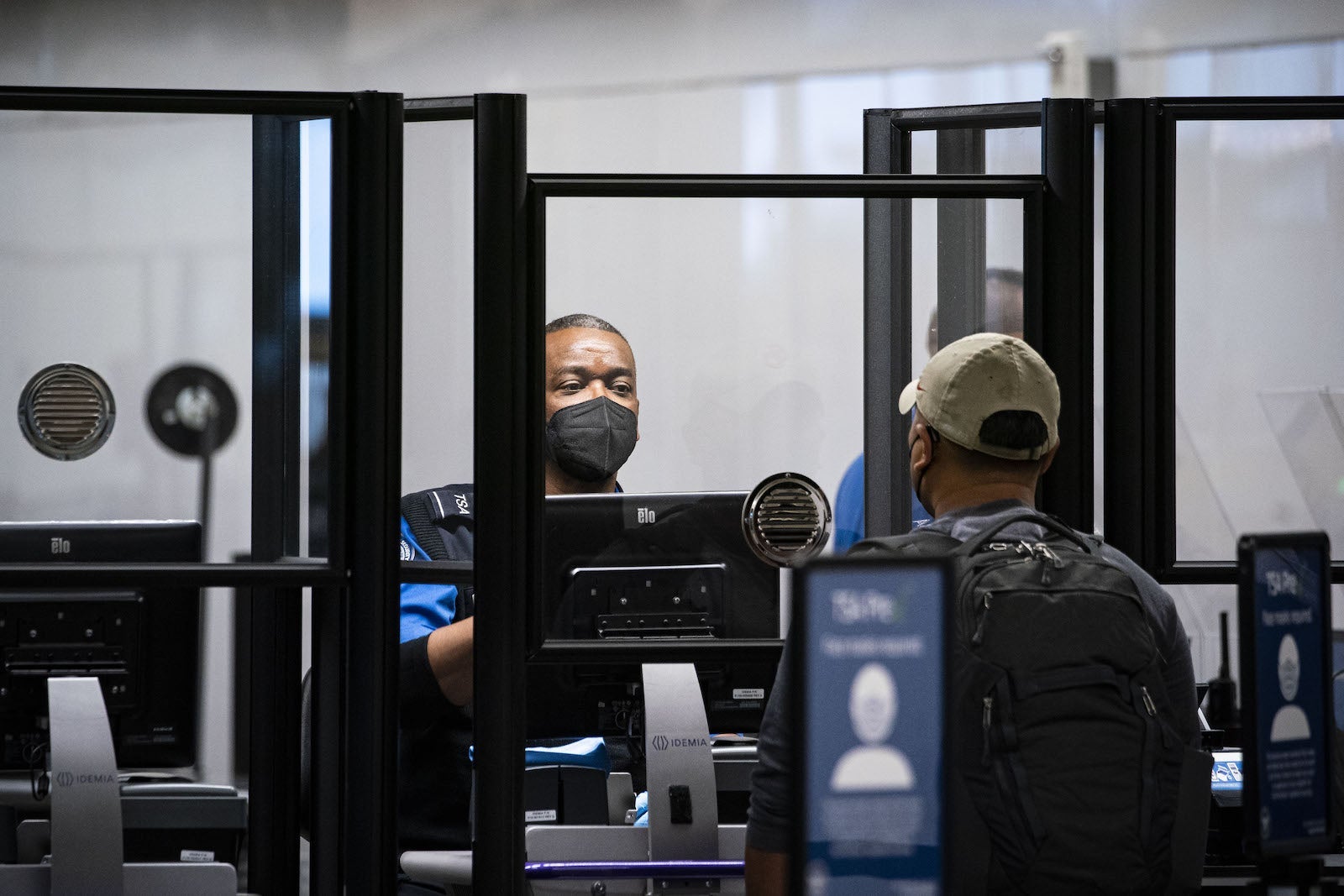
"No, just your ID," the TSA agent told me when I arrived at the screening kiosk at Charlotte Douglas International Airport (CLT), crumpled paper boarding pass in hand. It was probably the 100th time he said those words that day, but he nodded and said "thanks" when I complimented him on the cool new system. "It definitely helps," he said.
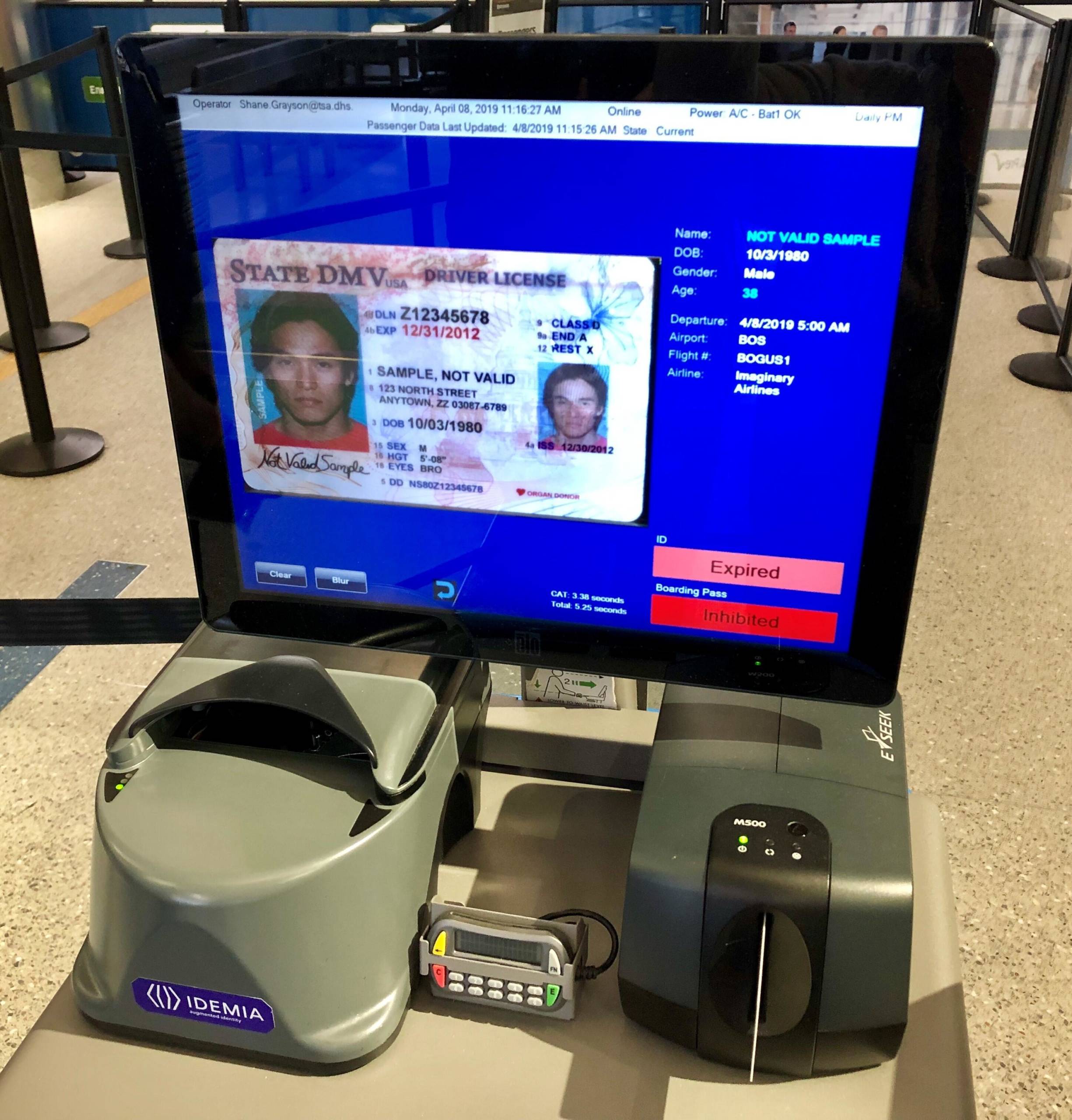
The TSA agent swiped my driver's license in the scanner, as you would a credit card, and checked the information on his screen. While I couldn't see the displays on his monitor, the TSA CAT website outlines the information presented for the TSA agent to review.
The CAT screen shows the TSA agent a larger photo to help check that the passenger's physical appearance matches the photo on the ID. The system cross-references the passenger's ID with any no-fly lists or current security alerts, then reviews the Trusted Traveler programs in which the person is enrolled. Once the system confirms the passenger's flight details, it verifies that the person is checked in on a flight departing that day before the passenger is permitted to proceed to the screening area.

Passengers must still check in for their flights, either in person or online. Additionally, they will still need to present their boarding pass, either an electronic or paper version, at the departure gate before being allowed to board the plane.
Acceptable IDs for the CAT program include:
- U.S. passport or passport card.
- Global Entry card.
- Nexus card.
- Permanent resident card.
- Driver's or enhanced driver's license from the U.S. or Canada that's Real ID compliant by May 2023.
Related: New technology introduced to help TSA reduce wait times
The CAT impact on travel time
While it may seem like a small process change to eliminate boarding passes from the screening process, consider the cumulative effect CAT may have on your travel time. If you assume the passenger-TSA boarding pass exchange takes just 10 seconds (and this may be conservative, given the number of times I've fumbled around for my boarding pass), then with a line of 60 people, you'll save 10 minutes of wait time. For some chronically late people (again, like myself), this could be the difference between making and missing a flight.
Of course, the TSA's primary objective is safety. The agency aims to "protect the nation's transportation systems to ensure freedom of movement for people and commerce," as its website states. The "CAT units are an added layer of security" to help with this protection, the TSA's Dankers noted in an email to TPG.
If you're not sure if your airport has the CAT system, keep your boarding pass handy. You'll need it to board the aircraft anyway, so don't tuck it away in your suitcase or turn your phone off. The TSA agents will let you know what they need — just the ID or the ID plus your boarding pass.
The following are some of the major airports now using the CAT technology:
- Baltimore/Washington International Thurgood Marshall Airport (BWI).
- Boston Logan International Airport (BOS).
- Charlotte Douglas International Airport (CLT).
- Dallas Fort Worth International Airport (DFW).
- Daniel K. Inouye International Airport (HNL).
- Denver International Airport (DEN).
- Detroit Metropolitan Wayne County Airport (DTW).
- Dulles International Airport (IAD).
- Fort Lauderdale-Hollywood International Airport (FLL).
- George Bush Intercontinental Airport (IAH).
- Harry Reid International Airport (LAS).
- Hartsfield-Jackson Atlanta International Airport (ATL).
- John F. Kennedy International Airport (JFK).
- LaGuardia Airport (LGA).
- Los Angeles International Airport (LAX).
- Louis Armstrong New Orleans International Airport (MSY).
- Luis Muñoz Marín International Airport (SJU).
- Miami International Airport (MIA).
- Minneapolis-St. Paul International Airport (MSP).
- Nashville International Airport (BNA).
- Norman Y. Mineta San Jose International Airport (SJC).
- Oakland International Airport (OAK).
- O'Hare International Airport (ORD).
- Orlando International Airport (MCO).
- Philadelphia International Airport (PHL).
- Phoenix Sky Harbor International Airport (PHX).
- Pittsburgh International Airport (PIT).
- Portland International Airport (PDX).
- Ronald Reagan Washington National Airport (DCA).
- San Diego International Airport (SAN).
- San Francisco International Airport (SFO).
- Seattle-Tacoma International Airport (SEA).
- Ted Stevens Anchorage International Airport (ANC).
Even if your airport of choice doesn't have the CAT system in place, you can still facilitate your travel by downloading the new TSA app to your phone. The app can inform you about wait times at TSA checkpoints and give you advance notice about various alerts at airport terminals.
Related: What to do when you get TSA's dreaded SSSS screening tag
TPG featured card

at Capital One's secure site
Terms & restrictions apply. See rates & fees.
| 5X miles | Earn 5X miles on hotels, vacation rentals and rental cars booked through Capital One Travel |
| 2X miles | Earn unlimited 2X miles on every purchase, every day |
Pros
- Stellar welcome offer of 75,000 miles after spending $4,000 on purchases in the first three months from account opening. Plus, a $250 Capital One Travel credit to use in your first cardholder year upon account opening.
- You'll earn 2 miles per dollar on every purchase, which means you won't have to worry about memorizing bonus categories
- Rewards are versatile and can be redeemed for a statement credit or transferred to Capital One’s transfer partners
Cons
- Highest bonus-earning categories only on travel booked via Capital One Travel
- LIMITED-TIME OFFER: Enjoy $250 to use on Capital One Travel in your first cardholder year, plus earn 75,000 bonus miles once you spend $4,000 on purchases within the first 3 months from account opening - that’s equal to $1,000 in travel
- Earn unlimited 2X miles on every purchase, every day
- Earn 5X miles on hotels, vacation rentals and rental cars booked through Capital One Travel
- Miles won't expire for the life of the account and there's no limit to how many you can earn
- Receive up to a $120 credit for Global Entry or TSA PreCheck®
- Use your miles to get reimbursed for any travel purchase—or redeem by booking a trip through Capital One Travel
- Enjoy a $50 experience credit and other premium benefits with every hotel and vacation rental booked from the Lifestyle Collection
- Transfer your miles to your choice of 15+ travel loyalty programs
- Top rated mobile app