Spirit Airlines considers bankruptcy filing, WSJ reports

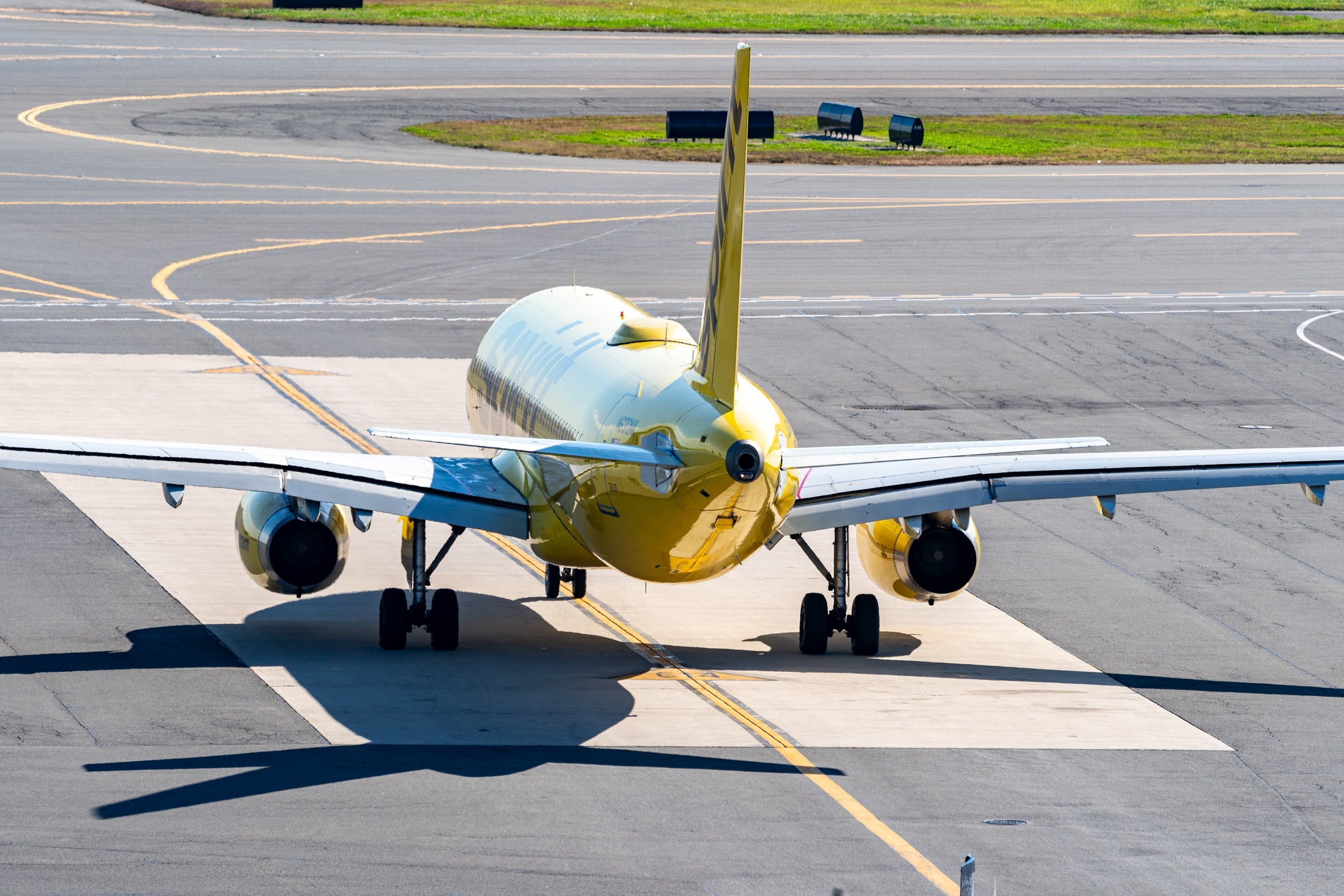
Spirit Airlines is considering filing for bankruptcy protection amid mounting financial losses following its failed merger with JetBlue, according to a report from The Wall Street Journal.
The airline is in discussions with creditors about restructuring the company, the Journal reported, citing multiple unnamed sources familiar with the matter. Spirit has been exploring multiple options, including an out-of-court sale or transaction, as well as a possible Chapter 11 filing. Agreeing with bondholders and other creditors on a restructuring could support the airline's bankruptcy case, which has been the focus of the most recent discussions.
Notably, nothing is happening right away. While the timing of a potential bankruptcy filing was not clear, it is not imminent, according to the Journal's sources.
The report specified that the bankruptcy would focus on restructuring the airline through a possible Chapter 11 process, suggesting that liquidation — a possibility that some industry analysts noted earlier this year — was not under consideration.
"We recognize this sounds alarmist and harsh, but the reality is we believe there are limited scenarios that enable Spirit to restructure," TD Cowen's Helane Becker wrote in a research note in January after the airline's merger with JetBlue was blocked.
When reached for comment on Thursday, a Spirit spokesperson pointed to remarks from CEO Ted Christie during the airline's second-quarter earnings call in August.
"Before we get into the results, I want to note that we are engaged in productive conversations with the advisors of our bondholders to address the upcoming debt maturities. Because those conversations are ongoing, we are not going to go into detail or take any questions on this topic or speculate on potential outcomes. Needless to say, it is a priority, and we are focused on securing the best outcome for the business as quickly as possible, while staying focused on driving performance and implementing our new travel options and elevated guest experience."
Spirit has found itself unable to become profitable since the onset of the pandemic in 2020, and has racked up $3.3 billion in debt, some of which comes due soon, including $1.1 billion in bonds.
U.S. airlines have become more reliant on premium revenue since the pandemic began, while traditional carriers also have learned to master the "basic economy" concept, somewhat neutralizing the competitive advantage that ultra-low-cost airlines like Spirit previously enjoyed.
Spirit has also been hit particularly hard by an issue with certain Pratt & Whitney engines, which has forced it to ground parts of its fleet throughout the past year.

The airline has tried to stem the losses by shrinking its operational footprint, as well as changing its fare product structure and introducing several tiers of premium seating options.
Route map changes: Spirit Airlines cuts 32 routes in latest network shake-up
An acquisition seemed to be the airline's best path forward, and possibly its only option to avoid a restructuring. During a month-long antitrust trial in Boston that closed in December of last year, Spirit CEO Ted Christie and others testified that due to the changing market, Spirit could not continue operating in its current form as an ultra-low-cost carrier.
JetBlue, meanwhile, argued that by absorbing Spirit, it could double its size and compete more effectively with the four major U.S. airlines — American Airlines, Delta Air Lines, Southwest Airlines and United Airlines — that together control about 80% of the U.S. air travel market.
The merger, which would have seen JetBlue acquire Spirit and absorb its assets under its own brand, was ultimately blocked.
On a call with investors in late February, however, Christie rejected the possibility of a bankruptcy or dissolution.
"This misguided narrative has been advanced by an assortment of pundits," Christie said at the top of the airline's fourth-quarter earnings call on Feb. 8, during which Spirit reported a loss of $184 million for the period. "However, back in the real world, we are focused on facts."
"You can rest assured that the Spirit team is 100% clear and focused on the adjustments we are currently deploying and will continue to make throughout 2024 to drive us back to cash flow generation and profitability," Christie added.
TPG featured card
at American Express's secure site
Terms & restrictions apply. See rates & fees.
| 4X | Earn 4X Membership Rewards® points per dollar spent on purchases at restaurants worldwide, on up to $50,000 in purchases per calendar year, then 1X points for the rest of the year. |
| 4X | Earn 4X Membership Rewards® points per dollar spent at US supermarkets, on up to $25,000 in purchases per calendar year, then 1X points for the rest of the year. |
| 5X | Earn 5X Membership Rewards® points on prepaid hotel stays booked through AmexTravel.com or the Amex Travel App™. |
| 3X | Earn 3X Membership Rewards® points on flights booked through AmexTravel.com, the Amex Travel App™, or purchased directly from airlines. |
| 2X | Earn 2X Membership Rewards® points on prepaid car rentals booked through AmexTravel.com or the Amex Travel App™ and cruises booked and paid through AmexTravel.com. |
| 1X | Earn 1X Membership Rewards® point per dollar spent on all other eligible purchases. |
Pros
- Valuable dining and food-related credits
- Flexible rewards with airline and hotel transfer partners
- Multiple travel and purchase protections
- No foreign transaction fees
- Access to Amex Offers for additional savings (enrollment required)
Cons
- Not as useful for those living outside the U.S.
- Some may have trouble using Uber and other dining credits
- You may be eligible for as high as 100,000 Membership Rewards® Points after you spend $8,000 in eligible purchases on your new Card in your first 6 months of Card Membership. Welcome offers vary and you may not be eligible for an offer. Apply to know if you’re approved and find out your exact welcome offer amount – all with no credit score impact. If you’re approved and choose to accept the Card, your score may be impacted.
- Earn 4X Membership Rewards® points per dollar spent on purchases at restaurants worldwide, on up to $50,000 in purchases per calendar year, then 1X points for the rest of the year.
- Earn 4X Membership Rewards® points per dollar spent at US supermarkets, on up to $25,000 in purchases per calendar year, then 1X points for the rest of the year.
- Earn 5X Membership Rewards® points on prepaid hotel stays booked through AmexTravel.com or the Amex Travel App™.
- Earn 3X Membership Rewards® points on flights booked through AmexTravel.com, the Amex Travel App™, or purchased directly from airlines.
- Earn 2X Membership Rewards® points on prepaid car rentals booked through AmexTravel.com or the Amex Travel App™ and cruises booked and paid through AmexTravel.com.
- Earn 1X Membership Rewards® point per dollar spent on all other eligible purchases.
- Pay It® lets you tap in the American Express® App to quickly pay for small purchase amounts throughout the month and still earn rewards the way you usually do. Plan It® gives you the option to split up big purchases into equal monthly payments with a fixed fee. You’ll know upfront exactly how much you’ll pay.
- $120 Dining Credit: Earn up to a total of $10 in statement credits monthly when you pay with the Gold Card at Grubhub (including Seamless), Buffalo Wild Wings, Five Guys, The Cheesecake Factory, and Wonder. This can be an annual savings of up to $120. Enrollment required.
- $100 Resy Credit: Get up to $100 in statement credits each calendar year at over 10,000 qualifying U.S. Resy restaurants after you pay for eligible purchases with the American Express® Gold Card. That’s up to $50 in statement credits semi-annually. Enrollment required.
- $84 Dunkin' Credit: Earn up to $7 in monthly statement credits after you pay with the American Express® Gold Card at U.S. Dunkin’ locations. Enrollment required.
- $120 Uber Cash on Gold: Enjoy up to $120 in Uber Cash annually with your Gold Card. Just add your Card to your Uber account and you'll get $10 in Uber Cash each month to use on orders and rides in the U.S. when you select an Amex Card for your transaction.
- Enjoy complimentary Hertz Five Star® Status benefits like skipping the counter at select locations, adding an additional driver at no additional cost*, and vehicle upgrades**. Benefit enrollment and Hertz Gold+ registration are required. *Additional drivers must meet standard rental qualifications and must be a spouse or domestic partner to qualify as complimentary. Other additional drivers subject to fees. **Benefits are subject to availability and vary by location. Additional Hertz program Terms and Conditions including age restrictions apply.
- Book two nights or more with The Hotel Collection through AmexTravel.com or the Amex Travel App™ and receive a $100* credit towards eligible charges at over 1,400 upscale hotels worldwide. *Eligible charges vary by property.
- Book your travel through the Amex Travel App™ with added peace of mind – backed by American Express® service and support. Only for American Express® Card Members.
- Whenever you need us, we're here. Our Member Services team will ensure you are taken care of. From lost Card replacement to statement questions, we are available to help 24/7.
- No Foreign Transaction Fees.
- Annual Fee is $325.
- Terms Apply.