Spirit Airlines rejects JetBlue takeover bid, will pursue merger with Frontier

Thanks, but no thanks.
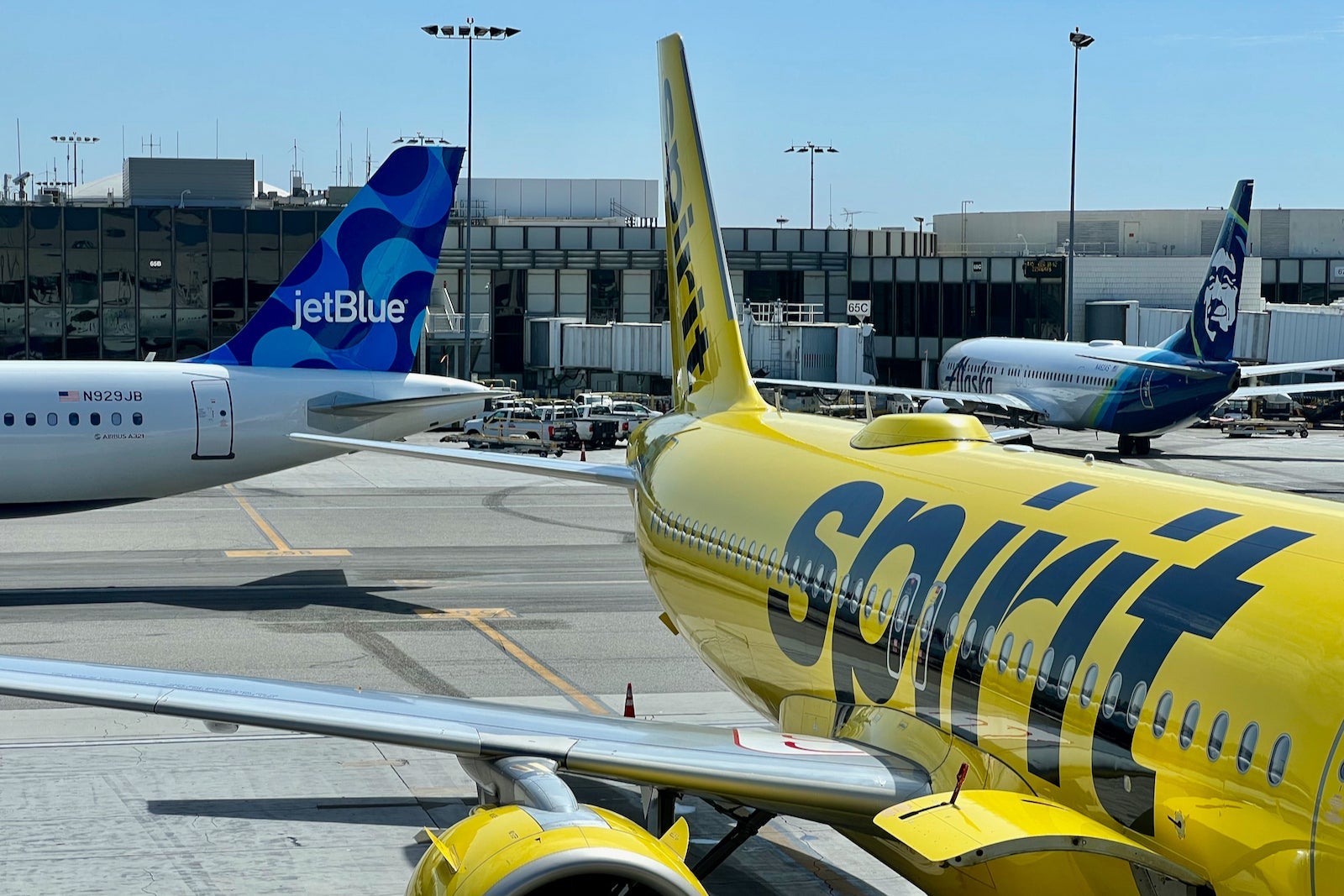
That's the message Spirit sent to JetBlue on Monday morning, saying it would reject the latter's takeover bid and proceed with a previous deal to merge with fellow ultra-low-cost carrier Frontier Airlines.
In rejecting JetBlue's overture, Spirit raised concerns that the deal "is not reasonably capable of being consummated."
Spirit's announcement came shortly after a JetBlue statement that detailed divestitures and other remedies it planned to help win approval for its bid for Spirit. JetBlue formally sent those enhancements to Spirit on Friday.
A key sticking point for JetBlue in this deal would be its Northeast Alliance with American Airlines. The alliance consists of codesharing, loyalty program reciprocity and other steps to streamline the ground experience in markets like New York and Boston. The NEA, as it is known in the industry, is already facing a lawsuit from the Department of Justice, which both airlines have vowed to fight.
As part of its follow-up offer, JetBlue is proactively offering to divest itself of Spirit's assets in New York and Boston in an effort to satisfy regulators. JetBlue also said that it would also include some gates and other assets elsewhere, including at Fort Lauderdale-Hollywood International (FLL), which would be the largest airport of the combined airline, at about 50% market share.
American Airlines declined to comment.
The JetBlue deal also now includes a $200 million breakup fee, money that JetBlue would pay to Spirit if the deal does not pass antitrust muster.
For now, Spirit said it would focus on closing a deal with Frontier – a tie-up that would create a giant ultra-low-cost carrier capable of competing with the "big four" airlines on a nationwide scale.

"Spirit continues to believe in the strategic rationale of the proposed merger with Frontier and is confident that it represents the best opportunity to maximize long-term shareholder value," Mac Gardner, chairman of the board of directors for Spirit Airlines, said in a statement. "After a thorough review and extensive dialogue with JetBlue, the Board determined that the JetBlue proposal involves an unacceptable level of closing risk that would be assumed by Spirit stockholders.
More: 3 reasons JetBlue's bid for Spirit could raise red flags for regulators
"We believe that our pending merger with Frontier will start an exciting new chapter for Spirit and will deliver many benefits to Spirit shareholders, Team Members and Guests," Gardner added in the statement.
In a message on Monday to Frontier employees, CEO Barry Biffle called the development "exciting."
"Good news – we are moving ahead with our combination with Spirit," Biffle wrote. "This morning, Spirit announced that its board of directors unanimously reiterated its support for the combination of Frontier and Spirit and determined not to proceed with JetBlue's proposal."
In choosing a merger with Frontier over JetBlue's cash bid, Spirit's board is going with a safer bet, albeit a lower value one, said Henry Harteveldt, a former airline executive and president of Atmosphere Research.
"Spirit is taking a safe choice here," Harteveldt told TPG in an interview. "Their statement is that they feel there's too much risk associated with the JetBlue proposal, especially when combined with JetBlue's appeal to DOJ to get the Northeast Alliance approved. So they are going with the lower value — but in their opinion — safer option, Frontier."
In recent weeks, there were some early signs that Spirit might be choosing Frontier over JetBlue.
On April 14, it was announced that the Justice Department had begun its review of the Spirit-Frontier merger under the Hart-Scott-Rodino Act, a procedural step for transactions of this size.
During Frontier's earnings call on Thursday, Biffle said that its signed merger agreement remained in effect. Also last week, Spirit had scheduled its first-quarter earnings call for this coming Thursday, a possible sign of an impending announcement.
Even as Spirit and Frontier now turn their focus to closing their merger, JetBlue might not be done yet, Harteveldt said.
"What will be interesting to see is if JetBlue turns this into a hostile bid," he said. "How badly does JetBlue want Spirit? Would they try to go to stockholders directly to appeal to them, especially the institutional stockholders?"
Additional reporting by Ben Mutzabaugh.
TPG featured card

at American Express's secure site
Terms & restrictions apply. See rates & fees.
| 4X | Earn 4X Membership Rewards® points per dollar spent on purchases at restaurants worldwide, on up to $50,000 in purchases per calendar year, then 1X points for the rest of the year. |
| 4X | Earn 4X Membership Rewards® points per dollar spent at US supermarkets, on up to $25,000 in purchases per calendar year, then 1X points for the rest of the year. |
| 5X | Earn 5X Membership Rewards® points on prepaid hotel stays booked through AmexTravel.com or the Amex Travel App™. |
| 3X | Earn 3X Membership Rewards® points on flights booked through AmexTravel.com, the Amex Travel App™, or purchased directly from airlines. |
| 2X | Earn 2X Membership Rewards® points on prepaid car rentals booked through AmexTravel.com or the Amex Travel App™ and cruises booked and paid through AmexTravel.com. |
| 1X | Earn 1X Membership Rewards® point per dollar spent on all other eligible purchases. |
Pros
- Valuable dining and food-related credits
- Flexible rewards with airline and hotel transfer partners
- Multiple travel and purchase protections
- No foreign transaction fees
- Access to Amex Offers for additional savings (enrollment required)
Cons
- Not as useful for those living outside the U.S.
- Some may have trouble using Uber and other dining credits
- You may be eligible for as high as 100,000 Membership Rewards® Points after you spend $8,000 in eligible purchases on your new Card in your first 6 months of Card Membership. Welcome offers vary and you may not be eligible for an offer. Apply to know if you’re approved and find out your exact welcome offer amount – all with no credit score impact. If you’re approved and choose to accept the Card, your score may be impacted.
- Earn 4X Membership Rewards® points per dollar spent on purchases at restaurants worldwide, on up to $50,000 in purchases per calendar year, then 1X points for the rest of the year.
- Earn 4X Membership Rewards® points per dollar spent at US supermarkets, on up to $25,000 in purchases per calendar year, then 1X points for the rest of the year.
- Earn 5X Membership Rewards® points on prepaid hotel stays booked through AmexTravel.com or the Amex Travel App™.
- Earn 3X Membership Rewards® points on flights booked through AmexTravel.com, the Amex Travel App™, or purchased directly from airlines.
- Earn 2X Membership Rewards® points on prepaid car rentals booked through AmexTravel.com or the Amex Travel App™ and cruises booked and paid through AmexTravel.com.
- Earn 1X Membership Rewards® point per dollar spent on all other eligible purchases.
- Pay It® lets you tap in the American Express® App to quickly pay for small purchase amounts throughout the month and still earn rewards the way you usually do. Plan It® gives you the option to split up big purchases into equal monthly payments with a fixed fee. You’ll know upfront exactly how much you’ll pay.
- $120 Dining Credit: Earn up to a total of $10 in statement credits monthly when you pay with the Gold Card at Grubhub (including Seamless), Buffalo Wild Wings, Five Guys, The Cheesecake Factory, and Wonder. This can be an annual savings of up to $120. Enrollment required.
- $100 Resy Credit: Get up to $100 in statement credits each calendar year at over 10,000 qualifying U.S. Resy restaurants after you pay for eligible purchases with the American Express® Gold Card. That’s up to $50 in statement credits semi-annually. Enrollment required.
- $84 Dunkin' Credit: Earn up to $7 in monthly statement credits after you pay with the American Express® Gold Card at U.S. Dunkin’ locations. Enrollment required.
- $120 Uber Cash on Gold: Enjoy up to $120 in Uber Cash annually with your Gold Card. Just add your Card to your Uber account and you'll get $10 in Uber Cash each month to use on orders and rides in the U.S. when you select an Amex Card for your transaction.
- Enjoy complimentary Hertz Five Star® Status benefits like skipping the counter at select locations, adding an additional driver at no additional cost*, and vehicle upgrades**. Benefit enrollment and Hertz Gold+ registration are required. *Additional drivers must meet standard rental qualifications and must be a spouse or domestic partner to qualify as complimentary. Other additional drivers subject to fees. **Benefits are subject to availability and vary by location. Additional Hertz program Terms and Conditions including age restrictions apply.
- Book two nights or more with The Hotel Collection through AmexTravel.com or the Amex Travel App™ and receive a $100* credit towards eligible charges at over 1,400 upscale hotels worldwide. *Eligible charges vary by property.
- Book your travel through the Amex Travel App™ with added peace of mind – backed by American Express® service and support. Only for American Express® Card Members.
- Whenever you need us, we're here. Our Member Services team will ensure you are taken care of. From lost Card replacement to statement questions, we are available to help 24/7.
- No Foreign Transaction Fees.
- Annual Fee is $325.
- Terms Apply.