Scandinavia’s biggest airline, SAS, has just filed for bankruptcy protection

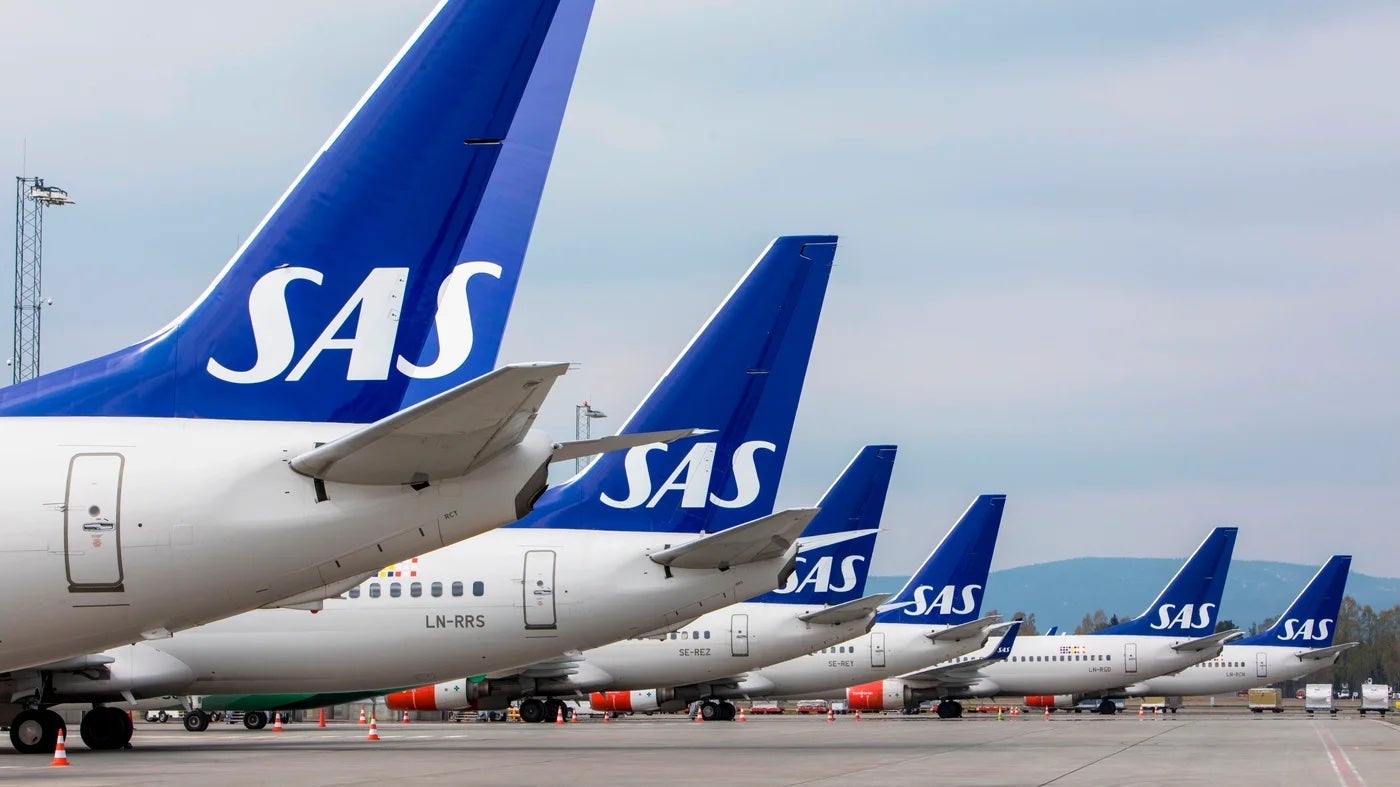
Scandinavian Airlines (SAS) has filed for bankruptcy protection, the latest development to roil the European aviation sector that's already been hit by staffing issues and a series of strikes.
The filing at SAS coincides with its pilot strikes over pay and working conditions, which are expected to ground around half of the airline's flight operations at various points this month.
In anticipation of heavy losses, the Nordic region's biggest carrier said it has taken the option of Chapter 11 bankruptcy protection in the U.S. to "accelerate" restructuring plans.
SAS has vowed to continue operations through the Chapter 11 restructuring process, which is common.
The pilot strike has caused a major operational disruption. By 4:15 p.m. in Stockholm on Tuesday, 236 of the airline's flights had been canceled for today — 78% of its schedule, according to FlightAware.
Plans for SAS to file for bankruptcy had already been in the works following economic hardships post-pandemic. However, the airline's current strike strife forced bosses to act sooner, they said.
"We are confident that this process will enable us to become a stronger and even better airline for our customers, and a much healthier business partner in the years to come," said SAS CEO Anko van der Werff following the announcement.
Related: These three airlines are the least likely to cancel your flight right now
"The date [of filing for bankruptcy] has been brought forward because the company now needs to be prepared against further liquidity loss," Anko said.

So what does this mean in layman's terms?
Known as "reorganization" bankruptcy, Chapter 11 bankruptcy is a way for companies already in the red or facing major losses to restructure operations. The goal is to find a way out of their current financial situation without shutting down the day-to-day business.
All three of the largest U.S. airlines have operated through Chapter 11 restructurings in the 2000s. Each continued to operate relatively normally during the process.
More recently, Aeromexico, Avianca and LATAM are among carriers that have sought Chapter 11 protections as the COVID-19 pandemic delivered a financial blow to the industry.
SAS's own route through the courts could well involve liquidating assets to repay creditors or downsizing operations as the case moves forward. It's a costly and complex procedure, and, according to SAS officials, could take nine to 12 months to fully process.
However, by restructuring now, the airline buys itself time to ensure staff and passengers are kept in the skies throughout the hectic summer season and into 2023. This may provide some comfort to the thousands of passengers currently on tenterhooks.
Related: EasyJet's operations boss resigns amid flight cancellation chaos
"Through this process, SAS aims to reach agreements with key stakeholders, restructure the company's debt obligations, reconfigure its aircraft fleet, and emerge with a significant capital injection," the airline said in a statement.
SAS, which is part-owned by the governments of Sweden and Denmark by up to as much as 30%, plans to convert 20 billion Swedish krona ($1.89 billion) of debt into shares with a goal of raising around $995 million in equity.
That target might be easier said than done, with SAS shares taking a nosedive by as much as 13% since the news broke.
If strikes continue, that value could depreciate even further. According to industry insiders, more strike action could cost around 100 million Swedish krona per day, equating to roughly $9.5 million on top of existing losses.
As it stands, SAS faces record disruption this month after talks broke down with the pilots' unions. Around 900 pilots will be withdrawn across Scandinavian and international flights, which is set to affect over 30,000 passengers per day.
SAS bosses, who have branded the strike action as "reckless," have said if customers cannot get onto alternative flights, they can apply for a refund or rebook at a later date, even seeking reimbursement from the airline for costs for an alternative means of travel.
At the end of last month, Unite, the U.K.'s biggest trade union, averted strike action after securing a "game-changing" pay rise for SAS crew employed by CAE Crewing Services Ltd – an incremental 18% wage hike by March 2023.
TPG featured card
at American Express's secure site
Terms & restrictions apply. See rates & fees.
| 4X | Earn 4X Membership Rewards® points per dollar spent on purchases at restaurants worldwide, on up to $50,000 in purchases per calendar year, then 1X points for the rest of the year. |
| 4X | Earn 4X Membership Rewards® points per dollar spent at US supermarkets, on up to $25,000 in purchases per calendar year, then 1X points for the rest of the year. |
| 5X | Earn 5X Membership Rewards® points on prepaid hotel stays booked through AmexTravel.com or the Amex Travel App™. |
| 3X | Earn 3X Membership Rewards® points on flights booked through AmexTravel.com, the Amex Travel App™, or purchased directly from airlines. |
| 2X | Earn 2X Membership Rewards® points on prepaid car rentals booked through AmexTravel.com or the Amex Travel App™ and cruises booked and paid through AmexTravel.com. |
| 1X | Earn 1X Membership Rewards® point per dollar spent on all other eligible purchases. |
Pros
- Valuable dining and food-related credits
- Flexible rewards with airline and hotel transfer partners
- Multiple travel and purchase protections
- No foreign transaction fees
- Access to Amex Offers for additional savings (enrollment required)
Cons
- Not as useful for those living outside the U.S.
- Some may have trouble using Uber and other dining credits
- You may be eligible for as high as 100,000 Membership Rewards® Points after you spend $8,000 in eligible purchases on your new Card in your first 6 months of Card Membership. Welcome offers vary and you may not be eligible for an offer. Apply to know if you’re approved and find out your exact welcome offer amount – all with no credit score impact. If you’re approved and choose to accept the Card, your score may be impacted.
- Earn 4X Membership Rewards® points per dollar spent on purchases at restaurants worldwide, on up to $50,000 in purchases per calendar year, then 1X points for the rest of the year.
- Earn 4X Membership Rewards® points per dollar spent at US supermarkets, on up to $25,000 in purchases per calendar year, then 1X points for the rest of the year.
- Earn 5X Membership Rewards® points on prepaid hotel stays booked through AmexTravel.com or the Amex Travel App™.
- Earn 3X Membership Rewards® points on flights booked through AmexTravel.com, the Amex Travel App™, or purchased directly from airlines.
- Earn 2X Membership Rewards® points on prepaid car rentals booked through AmexTravel.com or the Amex Travel App™ and cruises booked and paid through AmexTravel.com.
- Earn 1X Membership Rewards® point per dollar spent on all other eligible purchases.
- Pay It® lets you tap in the American Express® App to quickly pay for small purchase amounts throughout the month and still earn rewards the way you usually do. Plan It® gives you the option to split up big purchases into equal monthly payments with a fixed fee. You’ll know upfront exactly how much you’ll pay.
- $120 Dining Credit: Earn up to a total of $10 in statement credits monthly when you pay with the Gold Card at Grubhub (including Seamless), Buffalo Wild Wings, Five Guys, The Cheesecake Factory, and Wonder. This can be an annual savings of up to $120. Enrollment required.
- $100 Resy Credit: Get up to $100 in statement credits each calendar year at over 10,000 qualifying U.S. Resy restaurants after you pay for eligible purchases with the American Express® Gold Card. That’s up to $50 in statement credits semi-annually. Enrollment required.
- $84 Dunkin' Credit: Earn up to $7 in monthly statement credits after you pay with the American Express® Gold Card at U.S. Dunkin’ locations. Enrollment required.
- $120 Uber Cash on Gold: Enjoy up to $120 in Uber Cash annually with your Gold Card. Just add your Card to your Uber account and you'll get $10 in Uber Cash each month to use on orders and rides in the U.S. when you select an Amex Card for your transaction.
- Enjoy complimentary Hertz Five Star® Status benefits like skipping the counter at select locations, adding an additional driver at no additional cost*, and vehicle upgrades**. Benefit enrollment and Hertz Gold+ registration are required. *Additional drivers must meet standard rental qualifications and must be a spouse or domestic partner to qualify as complimentary. Other additional drivers subject to fees. **Benefits are subject to availability and vary by location. Additional Hertz program Terms and Conditions including age restrictions apply.
- Book two nights or more with The Hotel Collection through AmexTravel.com or the Amex Travel App™ and receive a $100* credit towards eligible charges at over 1,400 upscale hotels worldwide. *Eligible charges vary by property.
- Book your travel through the Amex Travel App™ with added peace of mind – backed by American Express® service and support. Only for American Express® Card Members.
- Whenever you need us, we're here. Our Member Services team will ensure you are taken care of. From lost Card replacement to statement questions, we are available to help 24/7.
- No Foreign Transaction Fees.
- Annual Fee is $325.
- Terms Apply.