Paris wants to be Europe's greenest city — but how will it impact travelers?
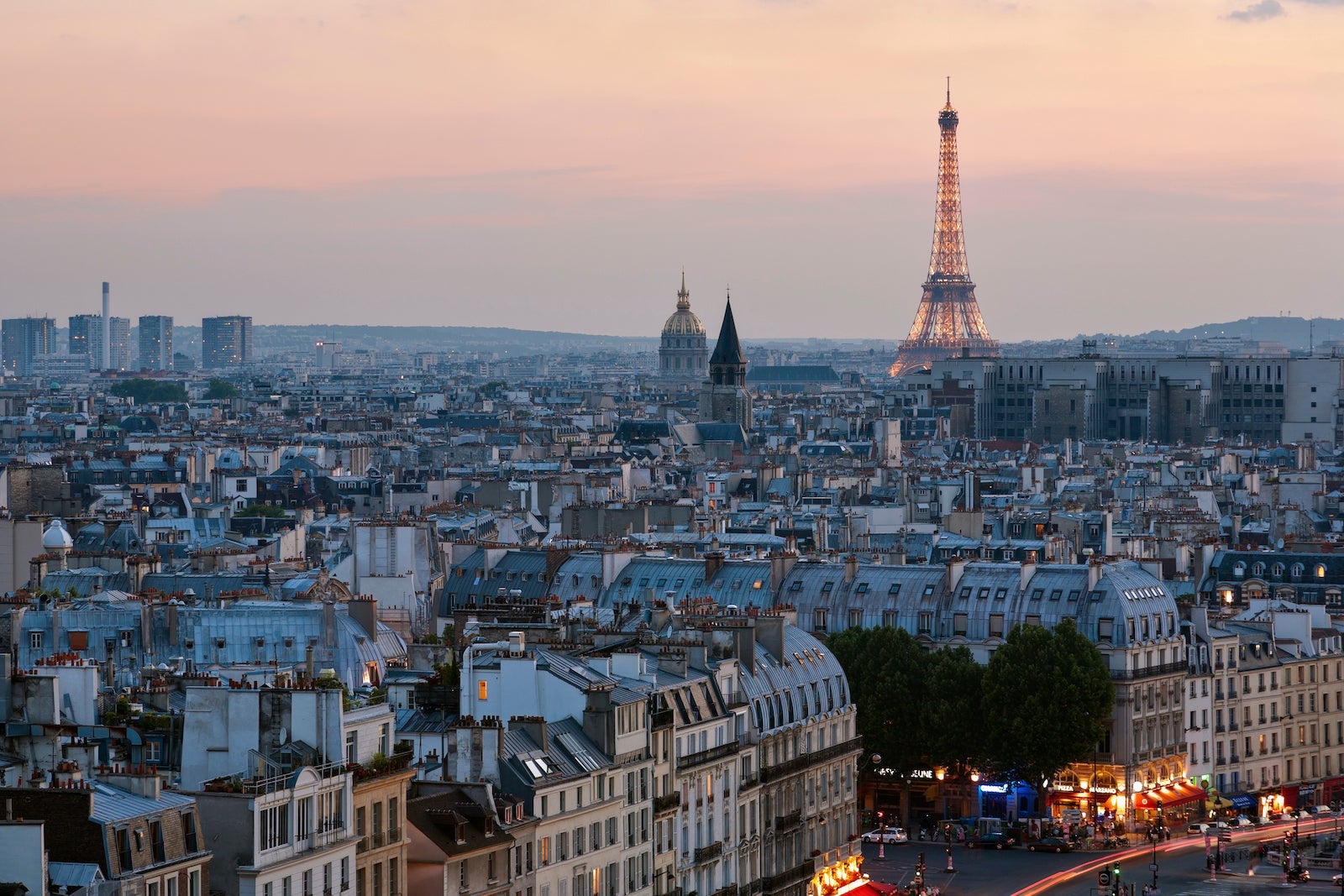
Paris is a city of many nicknames, such as the City of Love and the City of Lights. It may soon have another sobriquet: Europe's greenest city.
Paris has embraced a green approach to urban planning as it seeks to combat the effects of climate change. It has set a goal of becoming the continental benchmark for environmentally-conscious cities by 2030.
What does it all mean for travelers who may be planning to tour what has been Europe's most-visited city? For starters, it means embracing the idea of a trip with more walking and pedaling, which leaves a smaller carbon footprint.
Sign up to receive the daily TPG newsletter for more travel news!
The upheaval of the COVID-19 pandemic has helped mayor Anne Hidalgo accelerate her plans to combat the city's infamous pollution problem and transform Paris into a green paradise full of "urban forests."
It's also sparked a bike boom in France's capital city. Last year, the famed thoroughfare the Rue de Rivoli became a pop-up bike path to deal with the increase in bikes on Parisian streets as the pandemic kept people off crowded public buses and trains. If you plan on visiting once global travel rebounds, renting bikes or booking a bike tour to explore the city would make a lot of sense.
Related: The best ways to get to Paris using points and miles
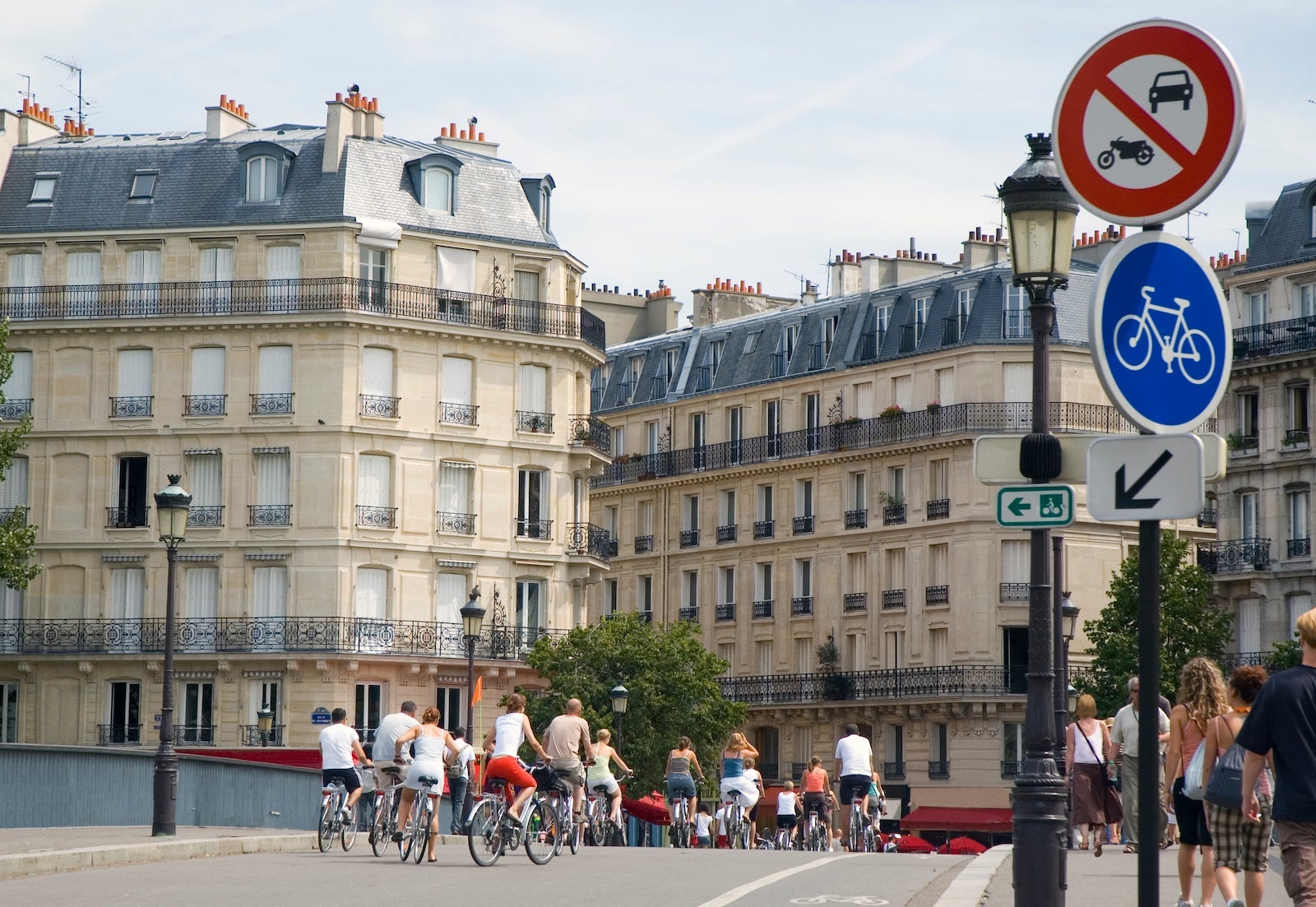
Paris has always been a great city to take long, leisurely strolls, and that has not changed. The city's green approach has led to infrastructure changes to make historic squares like the Place de la Bastille and pathways like the riverbanks along the Seine more pedestrian-friendly. Parisian cafes remain as alluring an option as ever. In fact, the pandemic led to the city giving many restaurants the ability to put outdoor tables in street-side parking spaces.
Related: How to avoid 8 common mistakes tourists make on their first trip to Paris

The city's push to go green has had an impact on another famous aspect of Parisian life: cars. Travelers who prefer to rent a car to explore a city may want to rethink doing that in Paris. For one, driving in the city is still somewhat maddening. The city has vowed to make more car-free spaces, such as the Champs Elysees and the Place de la Concorde, which have either been cut off from car traffic or limited the number of automobiles that are permitted to enter. The increase in bike traffic has only made it harder.
Second, there are significantly fewer places to park. The city has reportedly removed 72% of its on-street parking spaces to make room for bike lanes and to provide spaces for eco-friendly electric vehicles. The good news is that it's still quite easy to navigate Paris without a car.
Even if biking isn't your thing, public transportation can get you wherever you need to go, from a museum to a specific restaurant. RATP is Paris' public transportation app and incredibly useful. The app not only provides routes and travel options, but it gives you the comparable CO2 footprint for each method of transportation to a particular destination, so travelers can make the most environmentally-sound choice.
Another method to get around the city debuts later this year. Electrical water taxis called SeaBubbles will provide quick trips down the river Seine from two Parisian landmarks: Notre Dame to the Eiffel Tower. The SeaBubbles use hydrofoil technology and are fully powered by electricity.
Where you stay will have been changed to fit a more environmentally-friendly approach as well. All Parisian hotels have been encouraged to follow the Charter for Sustainable Accommodation. Since 2012, the initiative has encouraged hotels to seek better recycling practices. As such, you can expect to see some improvements across the hotel experience, whether that means more recycling bins or bulk toiletries.
Related: The Critical Points: Give me back individual hotel toiletries
As the city continues to adapt and embrace a greener approach, it just means visitors may need to adjust how they plan to take in all the unforgettable sights that make Paris one of the great cities of the world.
TPG featured card

at Capital One's secure site
Terms & restrictions apply. See rates & fees.
| 5X miles | Earn 5X miles on hotels, vacation rentals and rental cars booked through Capital One Travel |
| 2X miles | Earn unlimited 2X miles on every purchase, every day |
Pros
- Stellar welcome offer of 75,000 miles after spending $4,000 on purchases in the first three months from account opening. Plus, a $250 Capital One Travel credit to use in your first cardholder year upon account opening.
- You'll earn 2 miles per dollar on every purchase, which means you won't have to worry about memorizing bonus categories
- Rewards are versatile and can be redeemed for a statement credit or transferred to Capital One’s transfer partners
Cons
- Highest bonus-earning categories only on travel booked via Capital One Travel
- LIMITED-TIME OFFER: Enjoy $250 to use on Capital One Travel in your first cardholder year, plus earn 75,000 bonus miles once you spend $4,000 on purchases within the first 3 months from account opening - that’s equal to $1,000 in travel
- Earn unlimited 2X miles on every purchase, every day
- Earn 5X miles on hotels, vacation rentals and rental cars booked through Capital One Travel
- Miles won't expire for the life of the account and there's no limit to how many you can earn
- Receive up to a $120 credit for Global Entry or TSA PreCheck®
- Use your miles to get reimbursed for any travel purchase—or redeem by booking a trip through Capital One Travel
- Enjoy a $50 experience credit and other premium benefits with every hotel and vacation rental booked from the Lifestyle Collection
- Transfer your miles to your choice of 15+ travel loyalty programs
- Top rated mobile app