What will the new Virgin Australia look like?

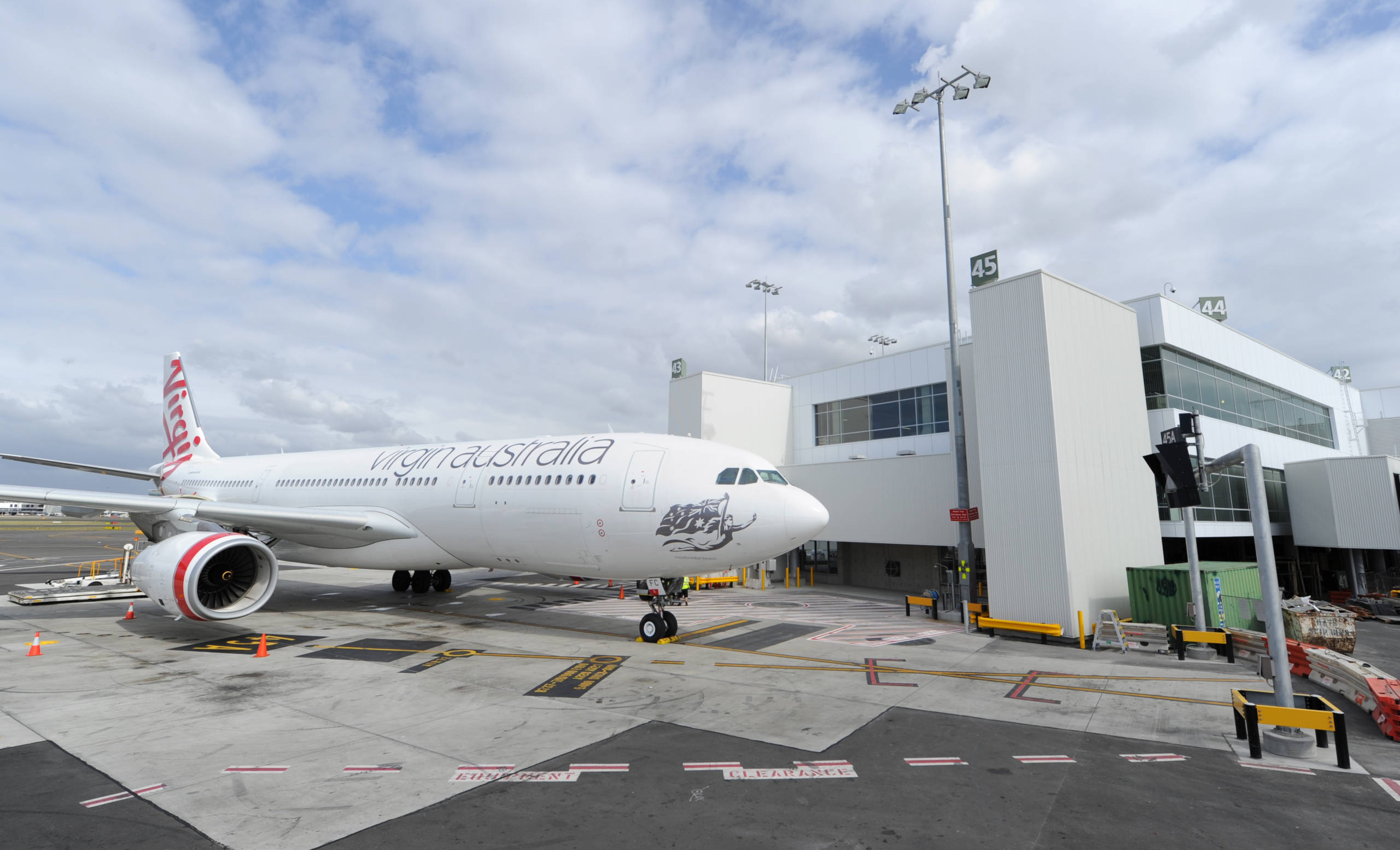
Australia's second-largest airline Virgin Australia has found a new buyer after entering voluntary administration in April 2020, becoming one of the first major airline casualties of the coronavirus pandemic. Virgin Australia's administrators Deloitte entered into a sale agreement with Boston-based global investment firm Bain Capital on June 26, 2020, to purchase the airline for an undisclosed sum, according to local news outlets.
Bain Capital has assured any concerned Virgin Australia employees that it would protect as many jobs as possible.
"Bain Capital brings deep aviation experience, a proven commitment to Australia with a 20-year on-the-ground presence and the long-term capital to bring certainty and stability to Virgin Australia," Bain Capital's Australian-based Managing Director Mike Murphy said. "Bain Capital's plan for Virgin Australia will see it return to its core strengths both strategically and operationally and reestablish itself as an iconic Australian airline."
So what does Bain Capital have planned for Virgin Australia 2.0, and how will it avoid the failures that led to the previous owners reaching voluntary administration?
I've been flying Virgin Australia for almost two decades from its early beginnings as tiny low-cost Virgin Blue, which managed to carve out a market in Australia helped by the demise of Australia's former Ansett Australia in the wake of Sept. 11, 2001. My partner was an employee of Virgin Blue at Adelaide Airport (ADL), and we were both able to access staff travel benefits to fly the airline countless times. I've flown around 100 flights with the airline and earned and redeemed millions of Velocity points, the currency of Virgin's Velocity Frequent Flyer program. Virgin Australia was my domestic airline of choice for many years before moving to the U.K., and I was able to fly it both domestically and long-haul earlier this year during a pre-COVID Australia visit. The airline has always offered an excellent product, usually at a great price and with wonderful staff.
Related: What Virgin Australia's voluntary administration means for travelers around the world
What went wrong?
To consider Virgin's failure and future, you must first understand its complicated past.
In 2000, Virgin Blue was launched by Virgin Group founder Sir Richard Branson as a low-cost, domestic-only airline with great fanfare, flying between major cities in Australia under initial CEO Brett Godfrey. With the failure of Ansett Airways in 2001, there was room in the Australian aviation market for Virgin Blue to grow. While Qantas captured the business, premium and international markets, Virgin Blue and its lower-cost base were able to capture the price-conscious market who did not care about loyalty points, fancy lounges or onboard meals.
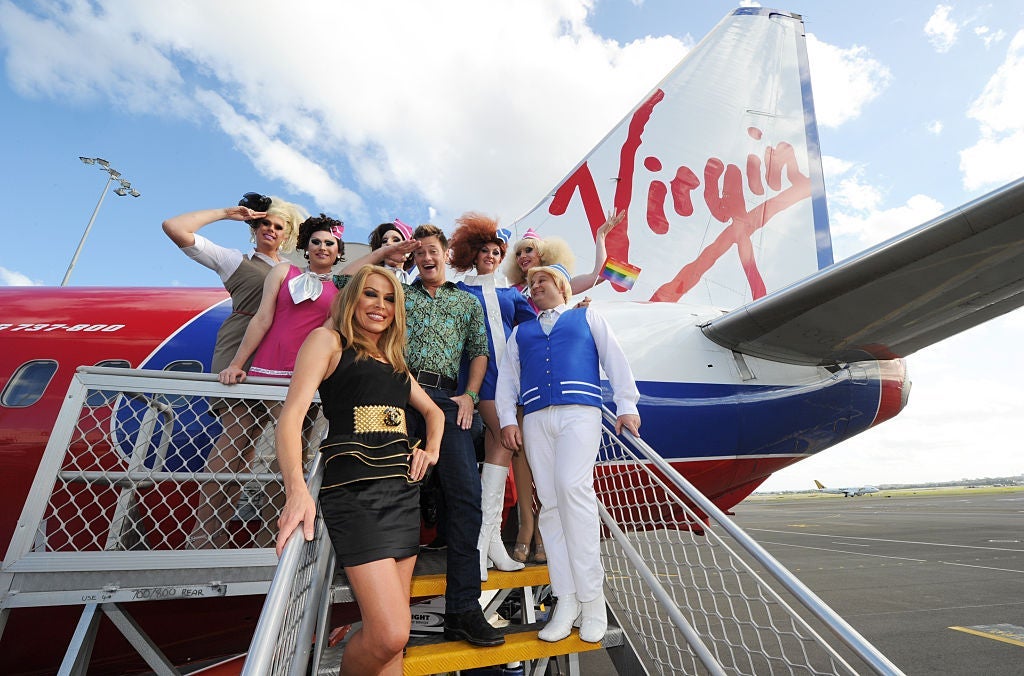
In 2010, John Borghetti was appointed CEO of the airline. Borghetti came from rival Qantas, where he was in line to become the next CEO of the Flying Kangaroo but was passed over in favor of Alan Joyce, the current CEO of Qantas. This event would greatly shape his vision for the airline.

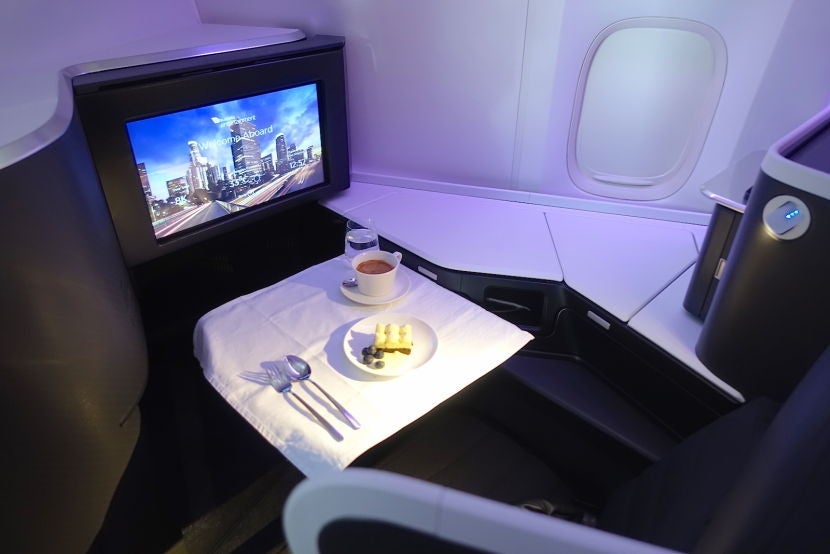
Borghetti planned to radically change Virgin Blue to become much more of a competitor to Qantas. He did this by completely relaunching the airline in 2011, changing the name from Virgin Blue to Virgin Australia, introducing new liveries, uniforms, seats, launching the airline's first proper loyalty program and taking the airline upmarket. It introduced luxurious domestic business class, widebody domestic aircraft, airport lounges and partnerships with major foreign airlines to attract high-paying corporate passengers. This enormous investment in virtually every element of the airline cost a huge amount of money and begun seven consecutive years of losses for the airline from 2012 onward.
Borghetti recently explained to Australia's Four Corners program that when he took the helm of the airline, he felt at that stage, there was only one direction he could take it.
"You couldn't go back to the basic low-cost carrier phase because your cost base was [by then] too high, so you only had one way to go and that was to attack Qantas and get the corporate market," Borghetti said.
While operating an airline that was well regarded by passengers as a genuine domestic alternative to rival Qantas, the airline's precarious financial position was not helped by a domestic capacity war between the two airlines in 2013. Virgin, under Borghetti, was set on gaining valuable market share from Qantas by flooding the market with cheap seats to lure passengers away from the Flying Kangaroo. Qantas, to protect its 65% market share, did the same in response. This led to unsustainable amounts of domestic capacity from both airlines, plenty of unsold seats and cost both airlines millions of dollars each day the capacity war raged on.
Another difficulty Virgin Australia suffered was its complicated ownership structure. Though the structure changed slightly from year to year during the past decade, the airline has largely been owned by foreign airline partners including Richard Branson's Virgin Group, Singapore Airlines, Etihad, HNA Group (which operates Chinese airlines including Hainan and Fuzhou Airlines) and previously Air New Zealand. These airlines had deep pockets and could afford to continue pumping money into the airline while its bottom line deteriorated. While Virgin Australia partnered with each of these airlines, the shareholder airlines mostly didn't partner with each other. This meant rather than Virgin Australia joining one of the three global airline alliances, it set up its own unusual, bespoke virtual alliance. This, in comparison to its rival Qantas, which is a founding member of the Oneworld alliance.
Virgin's ownership structure meant joining a global alliance was always unlikely to happen. Joining Star Alliance, given its close links to Star Alliance member Singapore Airlines, was always unlikely because of Virgin's existing joint venture with U.S.-based powerhouse Delta. Delta's rival and Star Alliance member United would have likely vetoed Virgin joining Star Alliance unless it ended its partnership with rival Delta. Similarly, the idea of Virgin joining the SkyTeam alliance, which Delta belongs to, would likely have been denied by shareholder Singapore Airlines, as it could affect Singapore's own partnership with Virgin Australia.
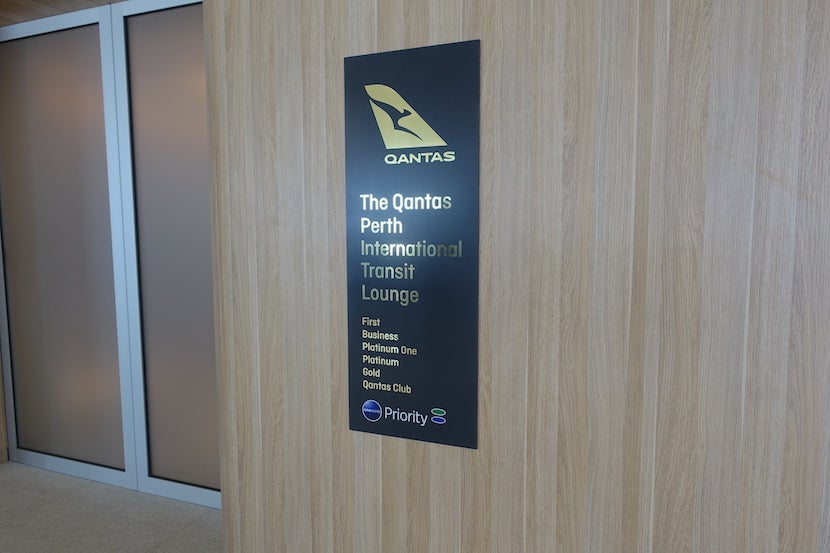
Instead, Virgin's virtual alliance was a confusing mismatch of endless rules and exceptions that even the most seasoned traveler would struggle to understand. For example, it got to the point where each of Virgin's international flights at Melbourne would use a different lounge. These rules would also constantly change to the point when check-in staff would struggle to keep up with them. This was far from ideal for the busy corporate travelers Virgin was hoping to attract and stay loyal versus simply looking for a colored Oneworld disc on a lounge entrance sign anywhere in the world when flying Qantas.

The airline's financial losses continued to mount, as Borghetti insisted the investment required to take the airline upmarket would eventually pay off. The airline at times attempted to attract as many different types of passengers on the same aircraft as possible — from high-paying business-class passengers enjoying gourmet meals up front, through to discount passengers who would sacrifice luggage and other bells and whistles in exchange for the lowest possible price. Virgin was trying to be too many things to too many people, and its financial performance reflected that.
In February 2019, the airline announced Borghetti would be stepping down as CEO, with new CEO Paul Scurrah taking his place with just a month's notice. As former CEO of Australian travel agent giant Flight Centre, Scurrah immediately went about attempting to reverse the airline's dismal financial performance by slashing costs, winding down some of Borghetti's more ambitious vanity initiatives and right-sizing the airline. He was making slow but steady process in this monumentally unenviable task when COVID-19 arrived in Australia this year. While an almost complete ceasing of international flights in and out of Australia was manageable for the airline given its very limited international network on its own metal, it was the closing of domestic state borders that had the most worrying effect on the airline, with the majority of its almost 100-aircraft fleet immediately grounded.
"The business absolutely dried up overnight," Scurrah told the Australian Financial Review. "We made a decision to ground our flights everywhere but in Melbourne and Sydney."
Already saddled with billions of pounds of debt, almost a decade of consecutive losses, a huge drop in onward bookings, insufficient government bailout support and a surge in refund requests for canceled flights, the airline placed itself into voluntary administration in April. The administration process has allowed the airline to continue operating very limited domestic and international services, including some repatriation flights to return Australians home from abroad.

Where to from here?
The different shortlisted bidders for the airline each had a different vision for Virgin 2.0 were their bid to be successful. Ultimately, it was up to Deloitte to determine the best offer for the airline in planning its future.
The sale process attracted plenty of interested bidders, despite the airline's enormous debt and disappointing financial performance. Bidders recognized Australia is a favorable environment for domestic flying, especially between major capital cities in Australia, which Qantas has been able to do with great success. The Melbourne to Sydney route alone is one of the world's busiest routes and a lack of fast trains connecting major cities spread out over a country larger than Europe is ripe for air travel demand.
Bain Capital says it plans for the new Virgin Australia to operate as a "midmarket value-based" airline with a customer experience not hugely different to the existing Virgin Australia. The difficulty with promising this is the original Virgin Australia, even with the best of intentions, was a fundamentally flawed business model with years of sustained losses, so it is unlikely a new owner will be able to reverse these fortunes without making substantial changes to the way the airline operates.
Executive Traveller reports that Bain plans to retain the following elements in Virgin 2.0:
- The Virgin name;
- Velocity Frequent Flyer; and
- Providing a quality product at a reasonable price.
On the flip side, Bain plans to move away from:
- Capturing Qantas corporate customers; and
- Virgin's Tigerair subsidiary.
As for airport lounges, it's still unclear what the future will hold. Executive Traveller reports the Virgin Australia lounges will stay, as "they're a vital part of the airline's overall appeal," while the Australian Financial Review disagrees, saying "airport lounges and expensive food will be among the first features to go." It remains to be seen exactly what Bain will do with Virgin's existing network of airport lounges.

In the past, not only did Virgin's focus on the premium market set it back, but it also attempted to recapture the low-cost market by acquiring Tigerair, a truly budget carrier that struggled financially in 2013. Qantas also has a low-cost subsidiary in Jetstar. Having flown both several times, I would compare Jetstar to Europe's EasyJet — a consistent, bearable, cheap and cheerful option for short flights. On the other hand, Tigerair is more like Ryanair or Vueling — more ultra-low-cost than low-cost.
As such, Bain Capital has no plans to continue the Tigerair brand.
Virgin Australia's existing debt, thought to be close to an eye-watering $5 billion, will be wiped out as part of the sale process. This will allow the new airline to operate with a clean slate and better financial position. This also means its shareholders won't receive anything for their shareholding. Virgin Group is reported to want to be involved in Virgin 2.0 with a small stake in the new venture. Virgin Australia had previously paid Virgin Group a licensing fee each year in exchange for using the famous Virgin name and may continue doing so if it continues using the name.

Bain plans to reduce the Virgin fleet down to between 60 and 70 aircraft and focus on profitable domestic routes, namely between capital cities on the East Coast of Australia. The airline's most common aircraft, its narrow-body Boeing 737, may be the only aircraft type operating these routes in the future, though it may use smaller aircraft for regional services.
It's difficult for anyone to predict exactly what will happen in the Australian aviation industry right now due to the coronavirus pandemic. Airlines worldwide are laying off staff in great swathes and predicting demand will not return for several years at least. Australia has done a great job at containing the coronavirus by quickly, consistently and strictly closing its borders to international visitors — and it has no plans to change this rule anytime soon. Qantas has said it does not expect to resume international operations for a full year, meaning it may be pointless for a new Virgin Australia to even consider international operations in the short-term.
International travel restrictions are likely to be a boom for domestic tourism. Australian state borders are reopening, allowing domestic flights to increase, which should time well with Bain's plans for the slow and steady reintroduction of domestic flights between major cities.

Points and Miles
I'm particularly interested in the future of the airline's Velocity frequent flyer program. I did warn family and friends back in February to redeem their Velocity points or move them to other programs when COVID-19 concerns increased, as I was aware of the airline's precarious financial position even in a favorable travel environment. Sure enough, without warning, Velocity froze the unique yet valuable ability to transfer points to Singapore Airlines' KrisFlyer program shortly after this, and as part of its voluntary administration, it froze points redemptions.
Bain Capital insists it will both retain the Velocity program and allow existing members to access and use their Velocity balances, though new ownership can result in a sharp devaluation in the value of those points as new owners look at ways to reduce existing costs like lucrative redemptions and other sweet spots.
I hope Virgin retains at least some of its existing airline partnerships even though its ownership will change. The airline's tie-up with Singapore Airlines was a great option in the past. Singapore Airlines has both an outstanding reputation in Australia and a strong route network into multiple ports in Australia to connect to Singapore and onward to its global network. As a U.K.-based traveler I also hope it continues its partnership with Virgin Atlantic, though this has never been one of its closest, strongest or most important alliances.
I expect its limited long-haul aircraft and services — such as to Los Angeles — to disappear permanently.
Bottom line
The cause of the downfall of Virgin Australia depends on who you ask. John Borghetti might blame endlessly unfavorable market conditions and Qantas' refusal to give up market share. Other airline shareholders may blame each other. Virgin Australia's solid run of losses year after year suggested that it was a great airline as a passenger but not as a shareholder or creditor — and even a crisis smaller than COVID-19 could have been the straw to break the camel's back.
I am pleased to see that Virgin Australia is being acquired by an experienced player in the global asset investment industry and think the strategy to shift away from targeting Qantas is a wise one. There are plenty of travelers — like me — who value a consistent, enjoyable, well-priced flight experience that doesn't have all the bells and whistles of a full-service premium international airline.
I consider it naive to believe the new owners will keep all of the best things about the airline and do away with the bad — and be able to do so profitably. While it was lovely to have things like proper domestic business class and 100,000-point sign-up bonuses for Velocity co-branded credit cards, it was not sustainable for the airline. Even if this administration occurred during favorable conditions, there would have been difficult decisions to be made. In the midst of COVID-19, the decisions will be even harder and more severe. Like so many other airlines around the world, thousands of Virgin Australia staff will likely lose their jobs.
Without a strong second airline in Australia, the passenger loses out, as Qantas will use its monopoly position to drive prices up. There's a long history of money to be made flying between cities in the vast expanse of Australia, and I hope to be flying Virgin 2.0 in the not-too-distant future.
TPG featured card

at Capital One's secure site
Terms & restrictions apply. See rates & fees.
| 5X miles | Earn 5X miles on hotels, vacation rentals and rental cars booked through Capital One Travel |
| 2X miles | Earn unlimited 2X miles on every purchase, every day |
Pros
- Stellar welcome offer of 75,000 miles after spending $4,000 on purchases in the first three months from account opening. Plus, a $250 Capital One Travel credit to use in your first cardholder year upon account opening.
- You'll earn 2 miles per dollar on every purchase, which means you won't have to worry about memorizing bonus categories
- Rewards are versatile and can be redeemed for a statement credit or transferred to Capital One’s transfer partners
Cons
- Highest bonus-earning categories only on travel booked via Capital One Travel
- LIMITED-TIME OFFER: Enjoy $250 to use on Capital One Travel in your first cardholder year, plus earn 75,000 bonus miles once you spend $4,000 on purchases within the first 3 months from account opening - that’s equal to $1,000 in travel
- Earn unlimited 2X miles on every purchase, every day
- Earn 5X miles on hotels, vacation rentals and rental cars booked through Capital One Travel
- Miles won't expire for the life of the account and there's no limit to how many you can earn
- Receive up to a $120 credit for Global Entry or TSA PreCheck®
- Use your miles to get reimbursed for any travel purchase—or redeem by booking a trip through Capital One Travel
- Enjoy a $50 experience credit and other premium benefits with every hotel and vacation rental booked from the Lifestyle Collection
- Transfer your miles to your choice of 15+ travel loyalty programs
- Top rated mobile app