Sean Cudahy is an aviation reporter covering news about airlines, frequent flyer programs and consumer travel issues.
November 5, 2025 • 8 min read
The cards we feature here are from partners who compensate us when you are approved through our site, and this may impact how or where these products appear. We don't cover all available credit cards, but our analysis, reviews, and opinions are entirely from our editorial team. Terms apply to the offers listed on this page. Please view our advertising policy and product review methodology for more information.Editorial disclaimer: Opinions expressed here are the author's alone, not those of any bank, credit card issuer, airline or hotel chain, and have not been reviewed, approved or otherwise endorsed by any of these entities.
Comments
By commenting, you agree to our Community Guidelines to help create a positive space for conversation. The responses below are not provided or commissioned by the bank advertiser, our partners, or The Points Guy (“TPG”). They have not been reviewed, approved, or otherwise endorsed by any of these parties. All responses are submitted by individual contributors, and neither the bank advertiser, our partners, nor TPG are responsible for ensuring that all posts and/or questions are answered.
Related stories
Quick summary
International travel patterns are shifting, with more travelers opting for fall vacations instead of the traditional summer peak.
October is emerging as a new high season, with airport passenger numbers nearly matching those of August.
Earlier school start dates and high summer prices are pushing families to travel in June and early July, while others seek quieter, more affordable trips in the fall.
Airlines are adjusting schedules and expanding routes to accommodate increased demand for autumn and off-peak travel.
What to consider
Booking early remains essential for June and early July trips due to continued high demand.
Award flight bookings often allow for refunds of points or miles (plus taxes and fees) if plans change, but policies vary by airline.
Late summer and early fall may offer better fares and less crowded destinations, especially before October's renewed travel surge.
What you'll miss from the article
Insights on how to strategically plan vacations around shifting travel trends, including tips for maximizing value and avoiding crowds.
Generated by AI with support from our editorial team.
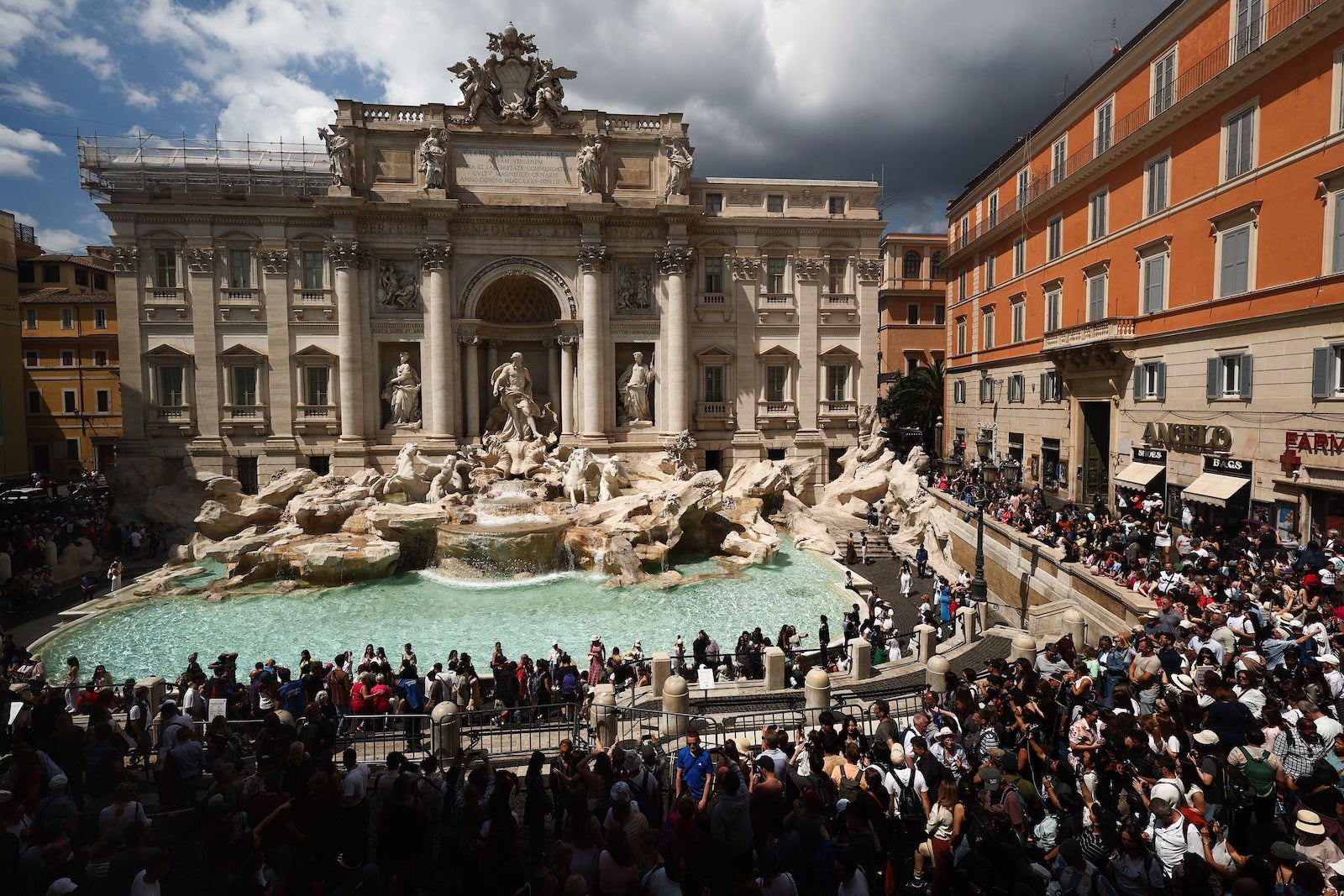
As international travel has surged over the past few summers, you’ve probably seen the headlines: Locals in Barcelona are fed up with the barrage of tourists. Throngs of tourists are visiting Rome’s Trevi Fountain. Tourism taxes are now required on peak days in Venice, Italy.
If that’s reason enough for you to trade the crowds, heat and steep prices of a European summer vacation for fall foliage and a little tranquility, you’re not alone.
Over the past few years, airlines have noticed a shift in how (or, more precisely, when) people are traveling.
Across the country, a growing number of travelers are forgoing trips in late July or August and instead opting to wait until the summer heat subsides altogether.
It’s turned autumn, once the doldrums of the travel calendar, into a low-key high season.
“We’re heading in[to] a transition from where August is less peaky, to October being really peaky,” Delta Air Lines president Glen Hauenstein said at an industry conference earlier this fall. “This is an interesting new development.”
Switzerland in autumn. WERNER DIETERICH/GETTY IMAGES
Is October the new August?
The numbers help tell the story.
During the first 30 days of October, passenger traffic at U.S. airports surged nearly 7% higher than in September, according to data from the Transportation Security Administration.
In fact, airports this October were only slightly quieter than they were in August, historically a linchpin of the summer rush.
For several years now, airlines have observed that school start dates across the country have crept earlier and earlier in August, causing more families to cram in summer vacations before the Fourth of July.
That has made June and early July a bonanza at airports and tourist hot spots.
Skirting the crowds and higher pricing
At the same time, travelers who are not tied to an academic calendar seem to have heeded years of travel advice.
Instead of vacationing during the summer, they’ve turned to the fall “shoulder season,” the typical sweet spot for crowds and pricing after the summer but before the end-of-year holiday rush.
“Hotel prices have been out of control in Europe at some of the top destinations, and I think there’s been a fair amount of fatigue on that,” said Paul Tumpowsky, chief revenue officer at Fora Travel.
Crowds at the Trevi Fountain in Rome. JAKUB PORZYCKI/NURPHOTO/GETTY IMAGES
“People as a result ... they’ve basically noticed, jeez, I can go to these places in September, October, and they’re far nicer — not as hot,” he added. “And far less crowded.”
Plus, fall is when airlines are more likely to offer cheaper fares and award deals.
Case in point: A recent bonus miles promotion from Air France and KLM’s Flying Blue loyalty program recently inspired TPG social media manager Annie Black to book a spontaneous Halloween weekend jaunt to Ireland.
“When all the pieces lined up where I could go to Europe for way less than I thought, I took the chance,” Black said. “Also, the weather there right now is perfect autumn, which is obviously a draw.”
Airlines adjust flight plans for 2026
Airlines think the fall vacation is here to stay and are adjusting their plans accordingly.
In the past, carriers surged flights, planes and staffing across the entire summer to cater to vacationers before pulling back once travelers returned to work, school and regular schedules in the fall.
“We were always creating that ‘church for Easter Sunday’ for June, July, August,” Hauenstein said in September. “This allows us, as we move forward, to spread that out a little bit more.”
A Delta Air Lines aircraft at Hartsfield-Jackson Atlanta International Airport (ATL). SEAN CUDAHY/THE POINTS GUY
Similarly, United Airlines plans to end its peak summer schedule a week earlier, executives shared last month, citing “more balanced demand levels across more of the year.”
That includes the late winter months, which airlines — ever since the COVID-19 pandemic — had alreadypegged as a more popular season for young adults and empty nesters to visit mild destinations in southern Europe, like Portugal, Italy and Spain.
Add in the fact that airlines (especially United) are simultaneously launching flights to less touristy, more novel destinations like Greenland and Bari, Italy, and it’s clear, Tumpowsky believes, that travelers are craving more novelty and fewer crowds.
“My general feeling is that the world has gotten smaller — and also more crowded with tourists,” he said. “I think the idea of trying to spread out worldwide is a thing. But also just sort of spreading out over the calendar year.”
What this means for consumers booking a trip
What do these changing travel habits mean for consumers?
Get started now if you’re vacationing in June or July
June (and early July) is still the year’s ultimate peak travel rush, so you'll want to book early.
As it happens, many airlines and hotels have already opened bookings for summer 2026, if you're hoping to snag competitive award deals.
Remember: In most cases, if you book an award flight and your plans change later, you can typically receive a refund for your points or miles (and taxes and fees).
On the other hand, if you really want to travel in the summer but have some flexibility with dates, tailor those 2026 time-off requests around an August getaway (or even September, after Labor Day).
Recent years have brought better fares at the tail end of summer and the very beginning of fall — before the crowds return in October and for the holidays.
Riding the fall bandwagon? Consider this option
Concerned it's too late for a trip this fall? Tumpowsky offered his top pick for travelers setting their sights on next autumn.
“If you could be on the Amalfi Coast [in Italy] the first week in October, you’d be pumped,” he said. “The restaurants are not crowded, and there’s no traffic, and it is gorgeous — 75 degrees.”
For years, TPG has suggested flying internationally for Thanksgiving week, typically the year’s top domestic travel rush, as a way to score cheaper fares and award redemptions.
It’s a trick that’s brought senior editorial director Nick Ewen to France, Finland and Wales over the past decade — while most Americans were sitting down to turkey dinners.
Up next for Ewen in 2026: Switzerland.
For his part, Tumpowsky is seeing travelers set their sights abroad both to explore new places and save money; sometimes, he noted, the all-in cost of skiing in the French Alps can beat a shorter trek to Colorado. The same applies to visiting Europe instead of the Caribbean in December.
“People have shifted their thinking to, ‘Oh I’ll go to the Christmas markets. I’ll go to London for Christmas,” he said. “I think it’s easier to get up and go these days.”
By commenting, you agree to our Community Guidelines to help create a positive space for conversation. The responses below are not provided or commissioned by the bank advertiser, our partners, or The Points Guy (“TPG”). They have not been reviewed, approved, or otherwise endorsed by any of these parties. All responses are submitted by individual contributors, and neither the bank advertiser, our partners, nor TPG are responsible for ensuring that all posts and/or questions are answered.