Sean Cudahy is an aviation reporter covering news about airlines, frequent flyer programs and consumer travel issues.
November 2, 2026 • 11 min read
The cards we feature here are from partners who compensate us when you are approved through our site, and this may impact how or where these products appear. We don't cover all available credit cards, but our analysis, reviews, and opinions are entirely from our editorial team. Terms apply to the offers listed on this page. Please view our advertising policy and product review methodology for more information.Editorial disclaimer: Opinions expressed here are the author's alone, not those of any bank, credit card issuer, airline or hotel chain, and have not been reviewed, approved or otherwise endorsed by any of these entities.
Comments
By commenting, you agree to our Community Guidelines to help create a positive space for conversation. The responses below are not provided or commissioned by the bank advertiser, our partners, or The Points Guy (“TPG”). They have not been reviewed, approved, or otherwise endorsed by any of these parties. All responses are submitted by individual contributors, and neither the bank advertiser, our partners, nor TPG are responsible for ensuring that all posts and/or questions are answered.
Related stories
Quick summary
Major U.S. airlines have shifted elite status qualification to focus more on total spending, including both flights and eligible credit card charges.
Top-tier status now often requires significant spending, with some airlines allowing members to qualify entirely through credit card use.
Perks like upgrades and flexible travel policies remain, but free upgrades have become harder to obtain as thresholds rise.
Combining flight activity with card spending is generally the most efficient path to elite status, though the value of status varies by traveler.
What to consider
Some airlines require a minimum number of flights in addition to spending to qualify for elite status.
Shortcuts to perks like the Companion Pass have been reduced, making status harder to achieve without substantial spending or frequent flying.
Status matches are available but often come with challenging requirements to maintain benefits beyond the initial period.
What you'll miss from the article
A detailed breakdown of how much spending is needed for various elite status tiers and practical advice on whether pursuing status aligns with your travel habits.
Generated by AI with support from our editorial team.
Is airline elite status worth it anymore? It’s an age-old question that’s back on plenty of travelers’ minds — especially after two of the four largest U.S. carriers overhauled their loyalty programs this month.
And one theme is becoming clear: To get the best rewards, members are going to have to spend ... a lot.
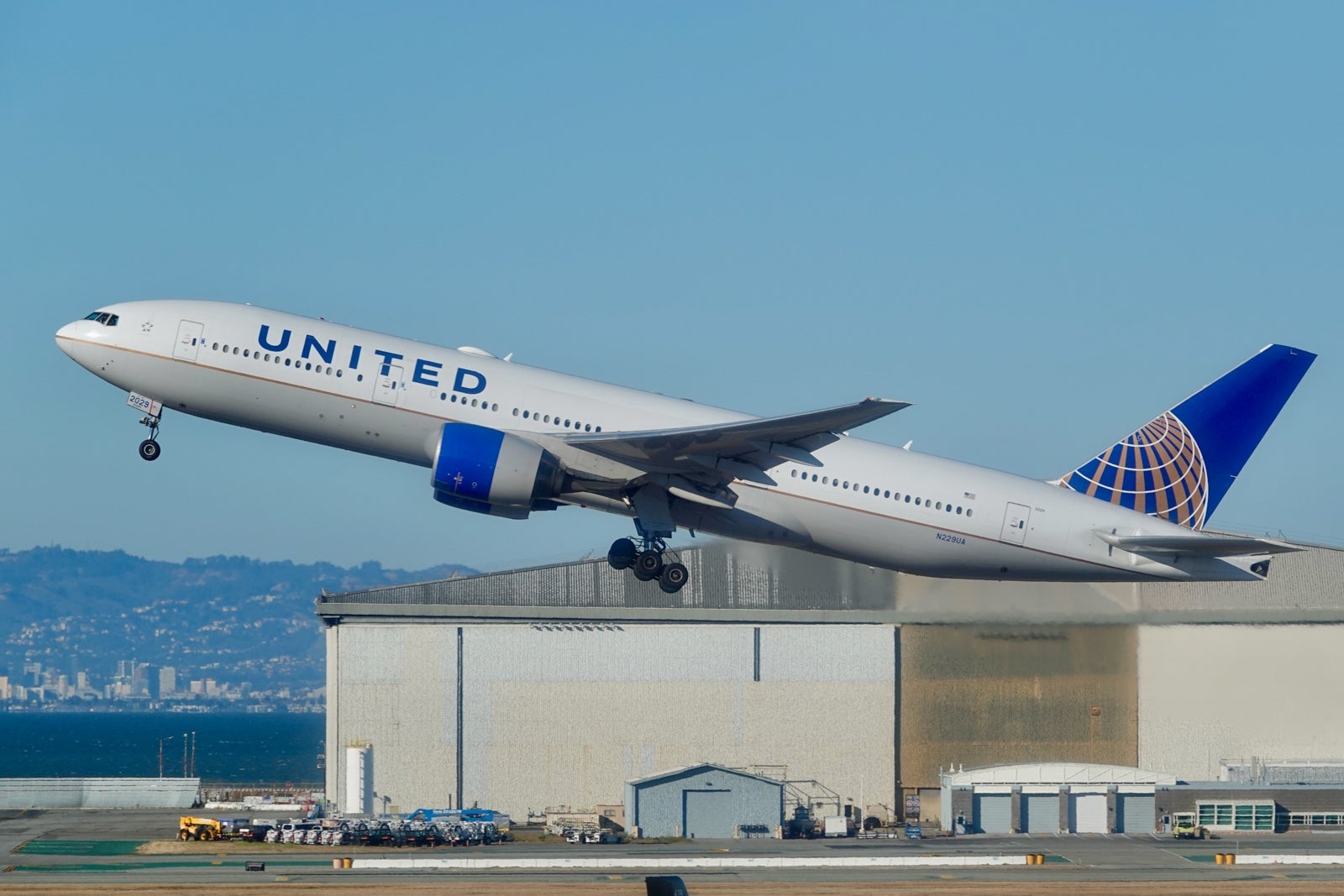
Starting in 2027, taking the most United Airlines flights won’t necessarily translate to the highest United MileagePlus status.
Instead, the airline's top elite members will be the customers who spend the most money — either on flights or the airline’s cobranded credit cards.
Top-tier 1K status will also be harder to earn.
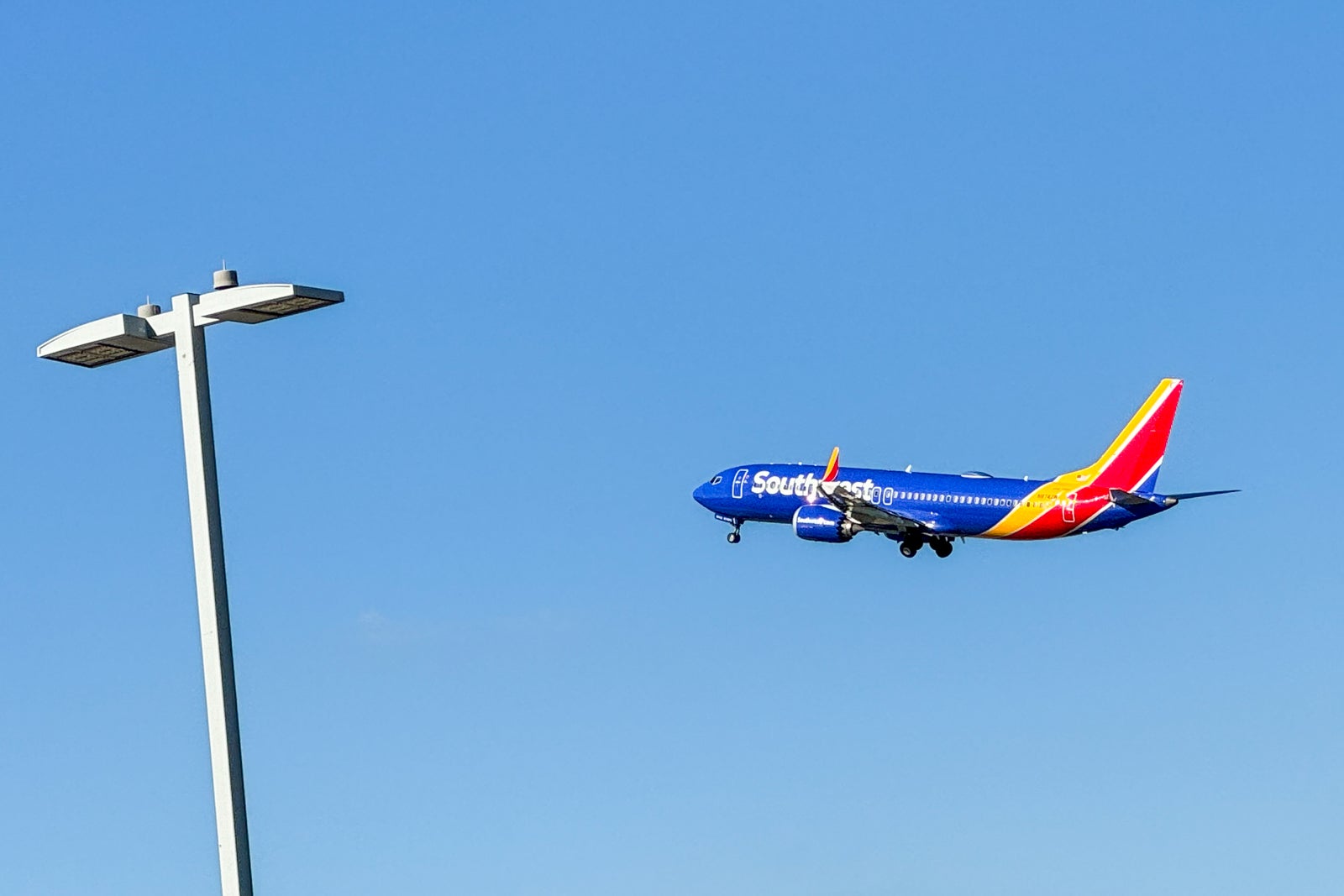
Meanwhile, Southwest Airlines took its biggest step yet toward nudging flyers toward its lineup of credit cards.
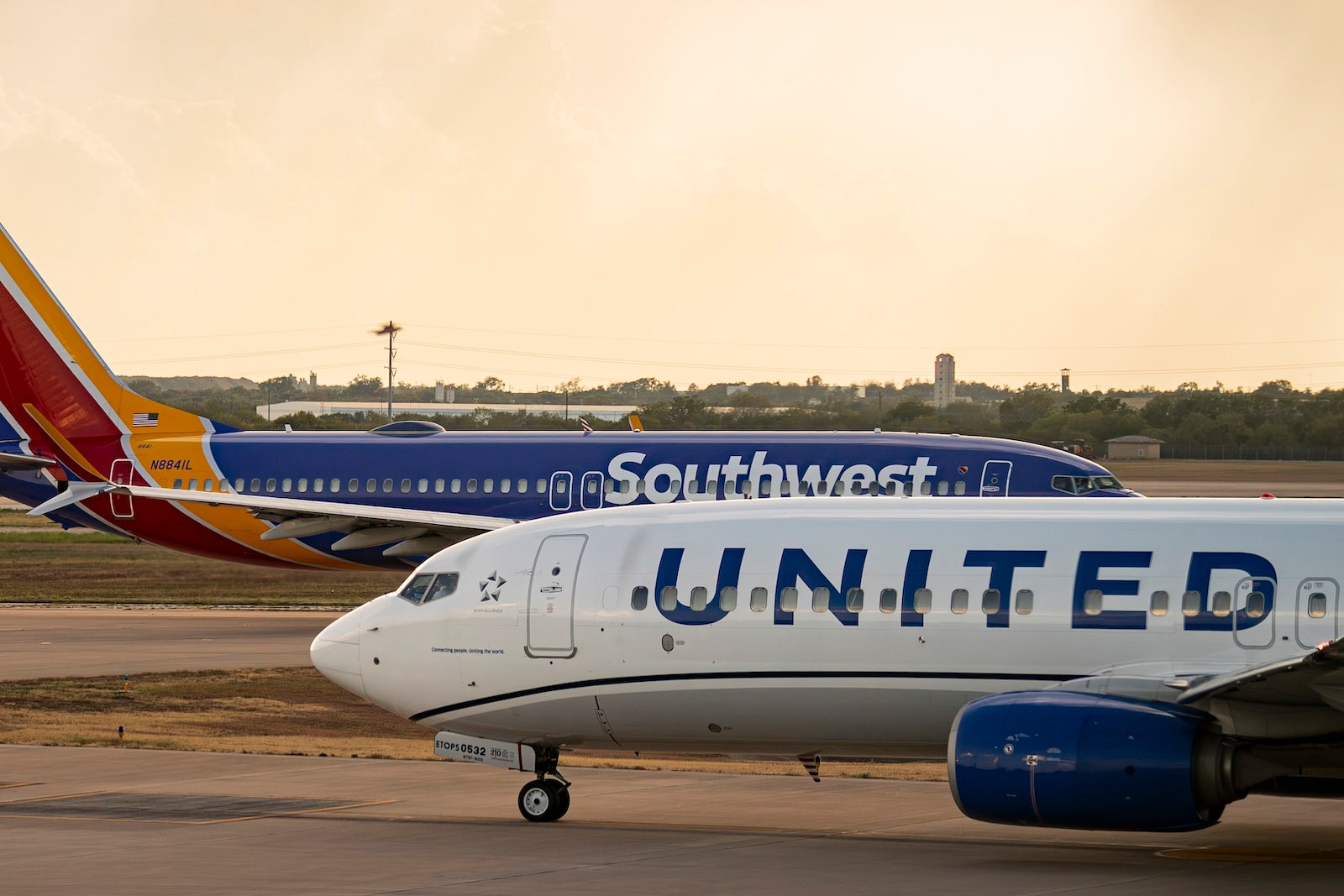
Southwest Airlines and United Airlines planes taxi at Austin Bergstrom International Airport (AUS). AL DRAGO/GETTY IMAGES
Southwest also closed a key shortcut to its most alluring perk: the Companion Pass. Going forward, members hoping to score the "buy-one, get-one" flight pass will have to spend their way to the airline’s top status tier (or take 100 flights in a year).
These changes weren’t entirely surprising.
Airlines lean heavily into credit cards
Over the past decade, airline status has become less about the time you spend in the sky and more about the cash you’re willing to spend.
And across the industry, carriers have become more agnostic about whether those dollars come in the form of a flight booking or card swipe at the grocery store.
On some airlines, you can now technically swipe your way to status without ever setting foot on a plane.
How much does top-tier status cost?
Here’s how much you’d need to pay for top-tier airline status in 2027 — if you went exclusively by credit card spending.
Airline status tier
Threshold to earn
Spending required — and the most efficient credit card to earn it
American AAdvantage Executive Platinum
200,000 Loyalty Points*
*Note: American has not announced what its status thresholds will be in 2027.
Note: Cardholders earn a one-time 10,000 TQP boost upon hitting 130,000 TQPs in 2027.
$130,000 with any cobranded credit card, including the (see rates and fees)
Annual fee: $99
Note: Elite credit earned by flying or other eligible spending reduces the card spending needed to qualify for elite status. Southwest still also offers elite qualification via flight segments.
Credit cards play a bigger role in airline loyalty programs
It’s not just the eye-popping dollar amounts travelers must now spend to reach status.
Airlines have also made carrying a credit card a more important part of the overall loyalty experience.
United and Delta cardholders now get access to better mileage redemptions than members who don’t carry a card.
A United Airlines regional jet on descent to Monterey Regional Airport (MRY) in California. SEAN CUDAHY/THE POINTS GUY
JetBlue will soon offer exclusive elite perks to JetBlue TrueBlue loyalty members who carry its top-tier card.
And even more airlines offer cardholders shortcuts to elite status.
It’s no secret why.
The dollars behind the loyalty boom
Delta this month said it’s on track to pull in a record $9 billion through its banking partnership with American Express.
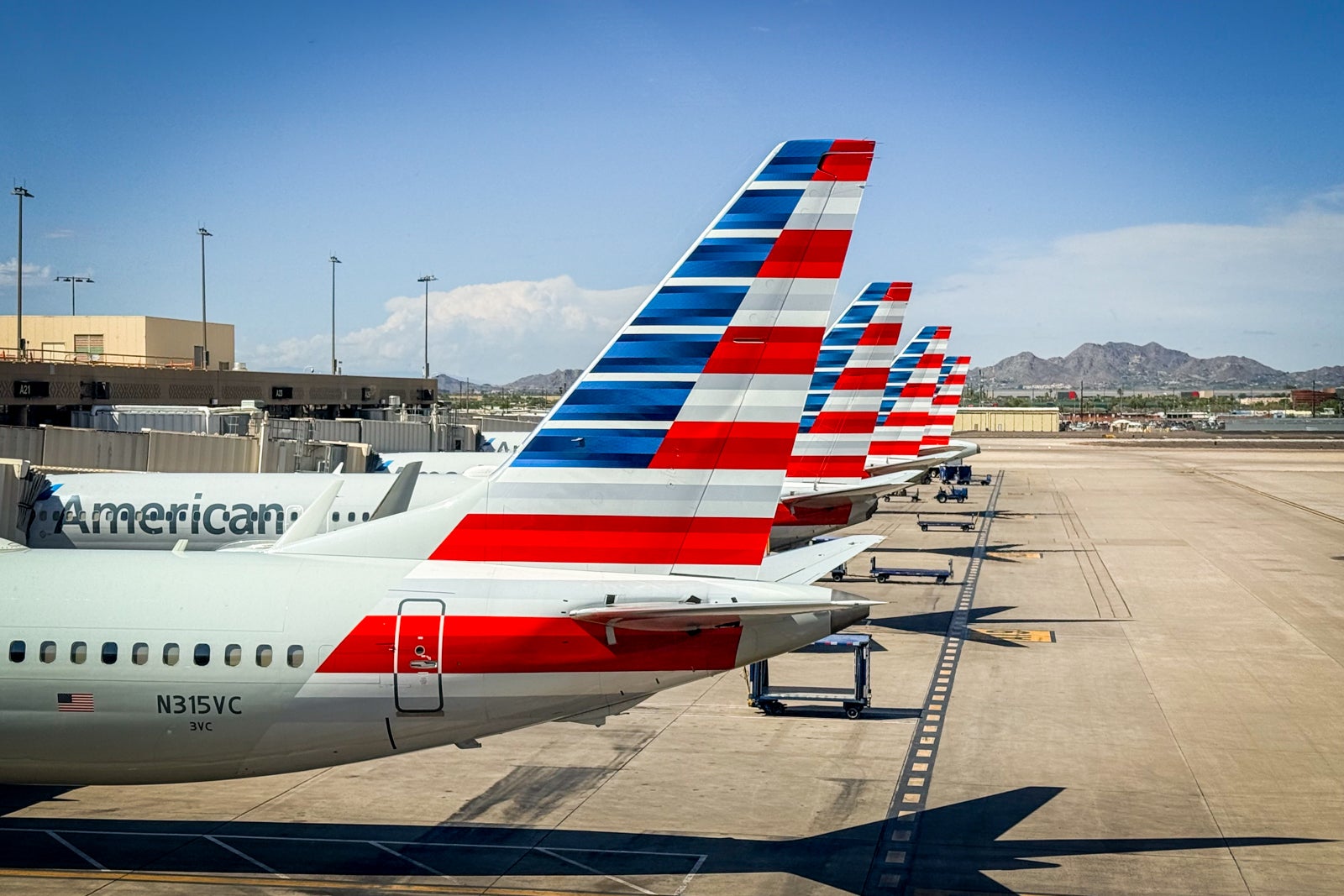
American expects to make $8 billion this year through its tie-up with Citibank.
Those are eye-popping numbers, of course.
Beyond the raw cash flow, though, airlines also see turning flyers into cardholders as one of the best ways to become part of customers’ day-to-day lives, even when they’re not on a trip.
SEAN CUDAHY/THE POINTS GUY
“It really is about making sure that we are top of mind for our members every single day, whether or not they’re able to be on board our aircraft," Jarad Fisher, United’s president of MileagePlus, said in a recent interview.
Is airline elite status worth it?
That brings us to the key question.
Is status worth it?
On one hand, airline status still offers a host of ways to save money, get better seats and travel with more flexible policies.
And, in some ways, qualify has become more realistic for travelers who aren’t true “road warriors," since everyday spending counts toward status.
At the same time, free first-class upgrades have gotten harder to score and status benchmarks keep getting pricier to earn.
It's created a real dilemma for travelers who fly a lot — but only have so much money they're willing to put toward earning status: Is it worth dumping tens (or hundreds) of thousands of dollars onto your favorite airline’s credit card to reach your status goal?
Here are a few things to consider.
Weigh what you're getting out of status
Think about what you’re getting out of status, and whether it’s worth the investment.
Are you actually getting first-class upgrades? For a lot of travelers, those have become few and far between.
If not, are you regularly getting free access to your airline's extra-legroom section? (Personally, this perk is one of the biggest reasons I stick with status.)
Do you take real advantage of other elite benefits, like free same-day changes or lounge access?
If not, you could be a candidate to hop off the status "hamster wheel" and be an airline "free agent."
But if you've crunched the numbers and decided status is still worth it, you may need to double down on your favorite airline.
And that might mean prioritizing credit card spending on that carrier's card. Because in 2026, that is almost as important as flying when it comes to unlocking the best perks.
SEAN CUDAHY/THE POINTS GUY
The most efficient path to status
Here’s how much you’d need to pay for entry-tier airline status in 2027 if you went exclusively by credit card spending.
Airline
Threshold to earn
Spending required, and the most efficient credit card to earn
American Airlines
40,000 Loyalty Points*
*Note: American has not announced what its status thresholds will be in 2027.
Plus, as a frequent traveler, I also carry hotel cardsthat are key to unlocking perks once I arrive at my destination.
The W Edinburgh, Scotland. SEAN CUDAHY/THE POINTS GUY
What about status matches?
If you're rethinking your loyalty with a particular airline, there are status matches you can take advantage of to effectively “change airlines.”
Just remember: Most U.S. carriers are now playing the “spending to status” game in some form. So, you may encounter similar sticker shock with your new carrier of choice.
Plus, even after matching, you’ll likely have to hit an ambitious challenge goal to keep your status for the entire year.
DAVID SLOTNICK/THE POINTS GUY
Delta stays the course
While United and Southwest announced major overhauls to their loyalty and status programs, Delta opted to stay the course for next year.
By commenting, you agree to our Community Guidelines to help create a positive space for conversation. The responses below are not provided or commissioned by the bank advertiser, our partners, or The Points Guy (“TPG”). They have not been reviewed, approved, or otherwise endorsed by any of these parties. All responses are submitted by individual contributors, and neither the bank advertiser, our partners, nor TPG are responsible for ensuring that all posts and/or questions are answered.