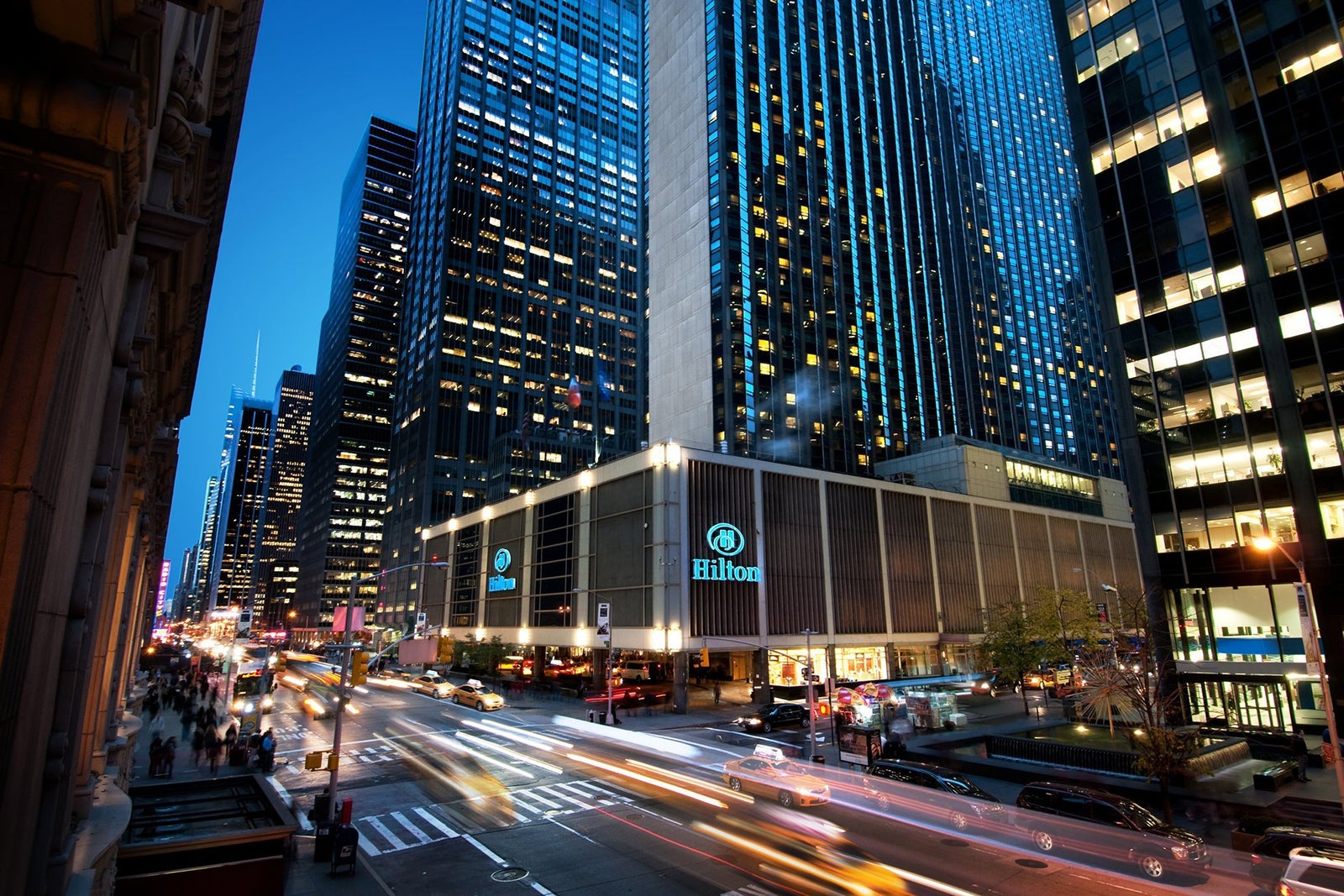

A mix of “complacency” and “past its prime” language was used to describe Hilton prior to CEO Christopher Nassetta taking over in 2007 when Blackstone Group owned the company. But the Nassetta era has been one marked by returning the company to the stock market (Hilton was one of the first listed on the NYSE in 1946 but was delisted after Blackstone acquired it in 2007), adding new brands and an enormous growth in popularity of the Hilton Honors loyalty program.
“Conrad Hilton built this company on the belief that we could be an engine of opportunity and a beacon of hope all around the world,” Nassetta, who also serves as Hilton’s president, said in a statement Monday. “Guided by that belief, we’ve dedicated more than the last decade to reigniting the company’s culture and executing on a growth strategy that enabled us to serve more guests, team members, owners, shareholders, and partners with our distinctive hospitality.”
Going public once again in 2013 was a symbol of “a new era of growth and innovation” for Hilton following a six-year transformation under Blackstone ownership. One of those changes included moving the company headquarters from Beverly Hills, California, to McLean, Virginia.
But it’s far more than corporate offices that have changed along the way since the opening bell of the stock market on Dec. 11, 2013.
Brand, hotel and loyalty growth
Hilton’s biggest change in 10 years stems from the variety of brands and hotels guests have to pick from. It appears to be a major draw, as the company’s Hilton Honors loyalty program exploded in popularity along the way.
In 2013, Hilton operated 10 brands across 4,100 hotels around the world. The company didn’t have a presence in the lifestyle hotel sector, a division known for its emphasis on design, food and beverage.
Today, Hilton has 22 brands overall — five of which are lifestyle brands like Tempo (which opened its first hotel in New York City’s Times Square this year), Canopy and Motto. The company now has 7,400 hotels across 124 countries and territories — up from the 90 it operated in when going public in 2013.
The biggest jump came from members to its Hilton Honors loyalty program, which currently has 173 million members, more than quadruple the 39 million members seen a decade ago.
What’s next?
Recent developments in just the last year show Hilton isn’t done with adding new brands, particularly in more affordable segments of the market. The premium economy Spark brand and Project H3, a yet-to-be-named extended-stay hotel brand, provide more entry points at lower price points for the Hilton Honors ecosystem.
But don’t think Hilton is just focusing on the bargain end of the hotel spectrum. Recent earnings calls show the company should launch a luxury lifestyle brand — think of it as Hilton’s version of an Edition hotel — in the next year or so.
“Hilton’s development pipeline is robust, laying out a remarkable path for our growth in the future,” Kevin Jacobs, Hilton’s chief financial officer, said in a statement. “Our next era of growth will be defined by Hilton’s ability to continue delivering reliable and friendly stay experiences, innovating to meet travelers’ evolving needs, and growing strategically to serve even more guests as they seek new travel experiences around the world.”
Related reading: