Hawaiian's Boeing 717s will fly for at least five more years. Then what?

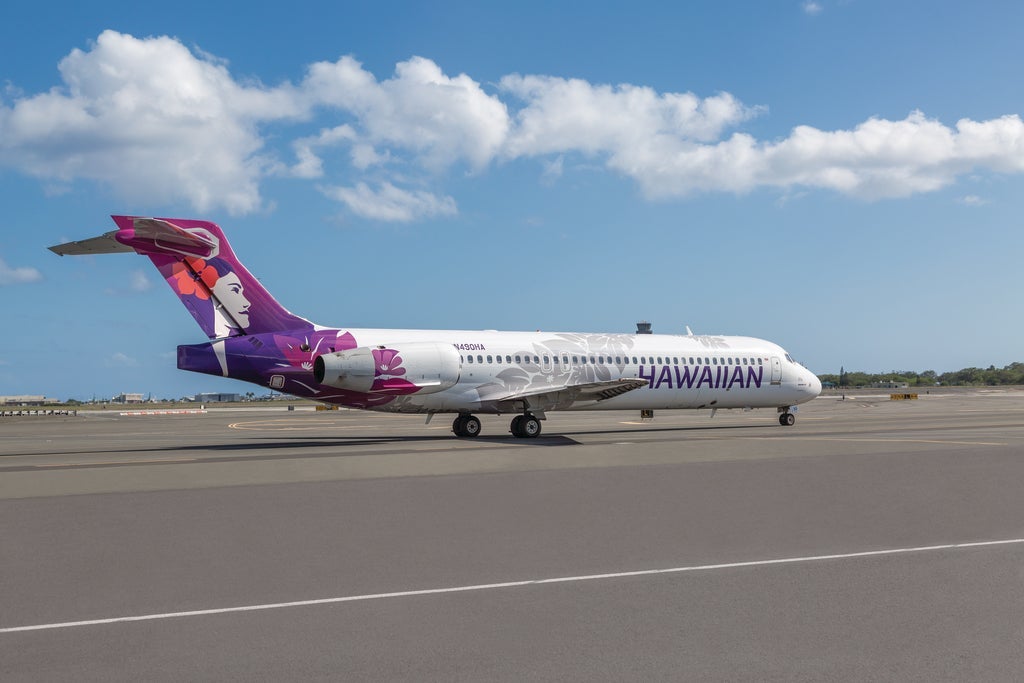
Hawaiian Airlines' Boeing 717s will keep flying through at least 2025.
Hawaiian operates 20 of the Boeings, which represent the backbone of the carrier's inter-island fleet, CEO Peter Ingram said Thursday during the airline's quarterly earnings call.
"There is no plane flying today that is better suited for the unique missions we fly in the Neighbor Island network than the 717 based on its size, economics and durability," he said.
But, he suggested, the airline may begin to phase out those aircraft in about five years.
Sign up for the free daily TPG newsletter for more airline news.
While Hawaiian owns 15 of its 717s outright, five are leased. The airline extended those leases into 2025 at at the end of 2019.
"By extending our 717 leases to the middle of the decade, we are indicating that we are not planning to replace this fleet in the next five years," Ingram said. It's the first time the airline has publicly hinted that the end of its 717 era may be in sight.
When Hawaiian does retire those Boeings, industry watchers said the airline will likely replace it with the Airbus A220, though the Embraer E-Jet E2 is also an option.
"Most of their new aircraft are Airbus," said Ahmed Abdelghany, associate dean for research at Embry-Riddle Aeronautical University's David B. O'Maley College of Business. Although Hawaiian has ordered a few Boeing 787s for long-haul routes, Abdelghany said it's likely they'll continue favoring Airbus aircraft overall.

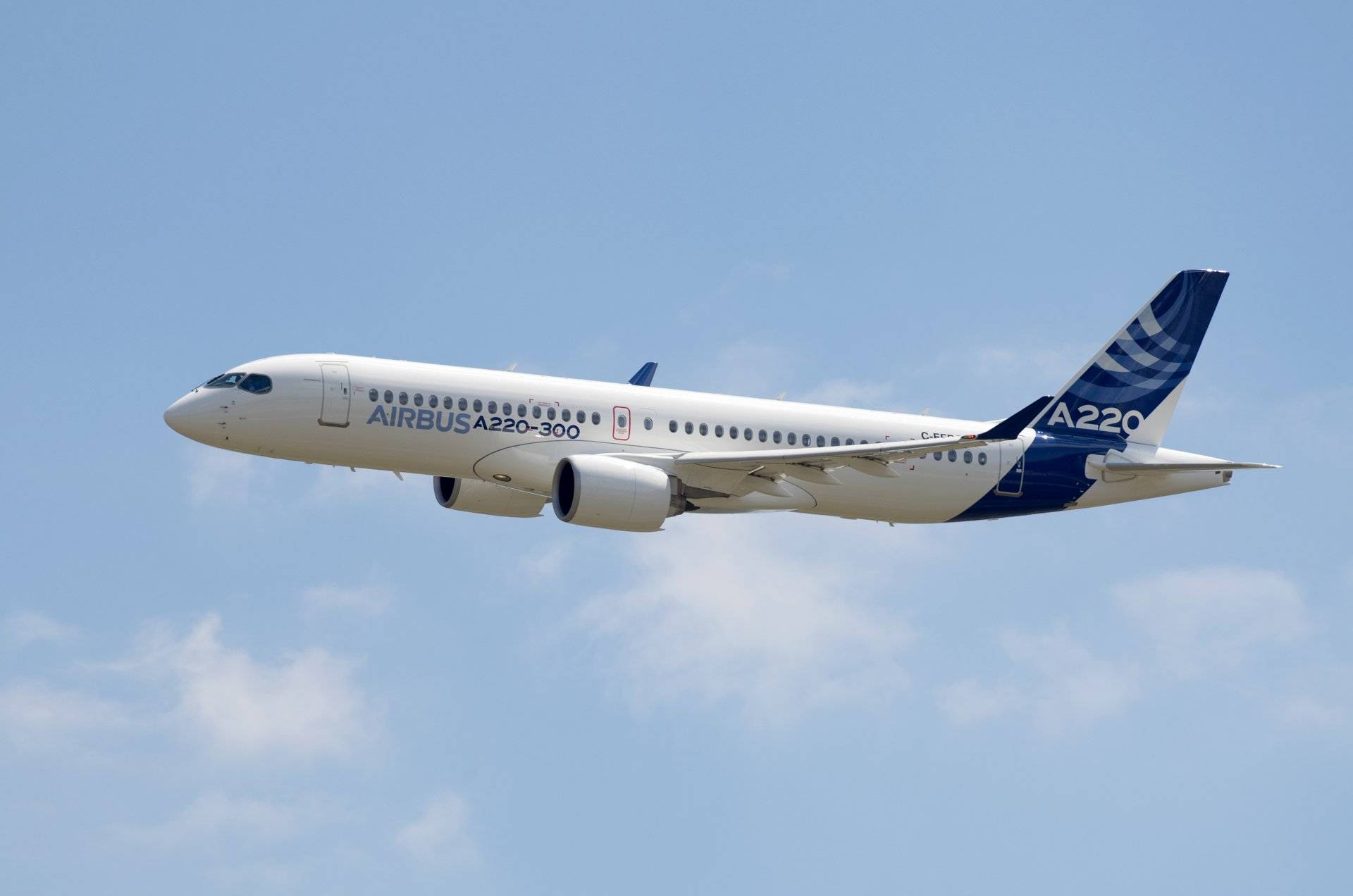
"I don't think they're going to go to the Embraer, and for me, it looks like they'll most likely go into the CSeries," he said, referring to the original name of the A220. "Customers love it as well."
Hawaiian's 717s seat up to 128 passengers with a range of up to 2,370 miles. Both the A220-300 and E195-E2 can seat a comparable number of passengers but have added range, the former being able to fly up to 3,885 miles and the latter up to 2,990 miles.
Airlines often try to avoid paying for added range or seating capacity that they do not need when buying aircraft. Hawaiian will have to weigh its inter-island needs — high-cycle and short stage-length flying — versus what both Airbus and Embraer, whose commercial aircraft business will soon to be majority-owned by Boeing, offer.
Abdelghany acknowledged that the A220 has a longer range than is strictly necessary for short-haul inter-island flights, but added that the jet is still one of the best next-generation jets for those missions.
"We never find aircraft that fit routes 100 percent," he said. "There are always some sacrifices."
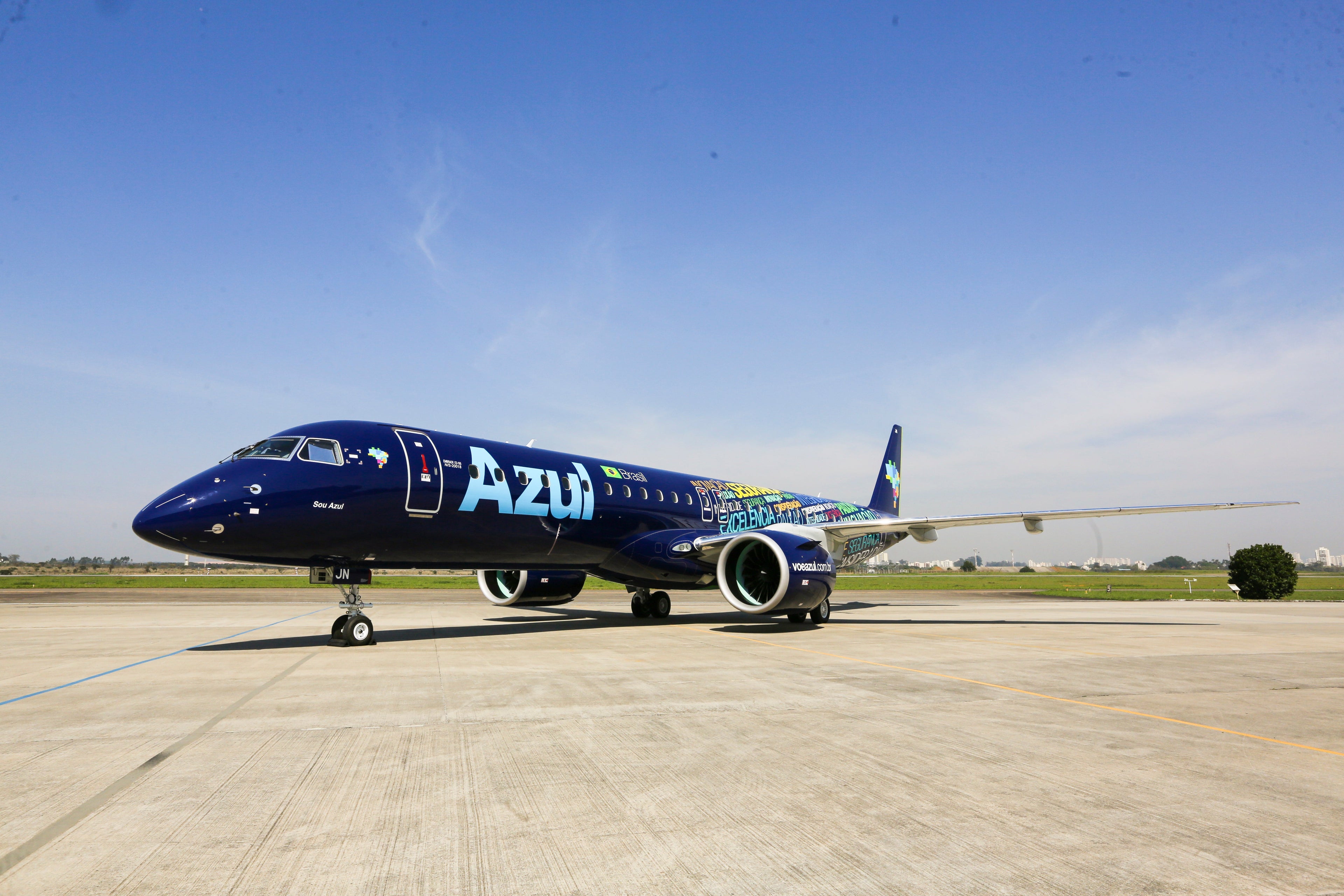
While the A220 has quickly become a favorite for short- and medium-haul routes among frequent flyers since entering service with Swiss International Air Lines in 2016, the E2 is quickly winning converts. Brazil's Azul recently announced plans to accelerate its shift to the E2 from older E195-E1s.
Azul has cited both improved economics -- the operating cost of the E2 is more than a quarter lower per seat than the E1 -- and an improved customer experience, including larger overhead bins and wider windows, for its embrace of the E195-E2.
Contributing: Edward Russell, TPG
TPG featured card
at American Express's secure site
Terms & restrictions apply. See rates & fees.
| 4X | Earn 4X Membership Rewards® points per dollar spent on purchases at restaurants worldwide, on up to $50,000 in purchases per calendar year, then 1X points for the rest of the year. |
| 4X | Earn 4X Membership Rewards® points per dollar spent at US supermarkets, on up to $25,000 in purchases per calendar year, then 1X points for the rest of the year. |
| 5X | Earn 5X Membership Rewards® points on prepaid hotel stays booked through AmexTravel.com or the Amex Travel App™. |
| 3X | Earn 3X Membership Rewards® points on flights booked through AmexTravel.com, the Amex Travel App™, or purchased directly from airlines. |
| 2X | Earn 2X Membership Rewards® points on prepaid car rentals booked through AmexTravel.com or the Amex Travel App™ and cruises booked and paid through AmexTravel.com. |
| 1X | Earn 1X Membership Rewards® point per dollar spent on all other eligible purchases. |
Pros
- Valuable dining and food-related credits
- Flexible rewards with airline and hotel transfer partners
- Multiple travel and purchase protections
- No foreign transaction fees
- Access to Amex Offers for additional savings (enrollment required)
Cons
- Not as useful for those living outside the U.S.
- Some may have trouble using Uber and other dining credits
- You may be eligible for as high as 100,000 Membership Rewards® Points after you spend $8,000 in eligible purchases on your new Card in your first 6 months of Card Membership. Welcome offers vary and you may not be eligible for an offer. Apply to know if you’re approved and find out your exact welcome offer amount – all with no credit score impact. If you’re approved and choose to accept the Card, your score may be impacted.
- Earn 4X Membership Rewards® points per dollar spent on purchases at restaurants worldwide, on up to $50,000 in purchases per calendar year, then 1X points for the rest of the year.
- Earn 4X Membership Rewards® points per dollar spent at US supermarkets, on up to $25,000 in purchases per calendar year, then 1X points for the rest of the year.
- Earn 5X Membership Rewards® points on prepaid hotel stays booked through AmexTravel.com or the Amex Travel App™.
- Earn 3X Membership Rewards® points on flights booked through AmexTravel.com, the Amex Travel App™, or purchased directly from airlines.
- Earn 2X Membership Rewards® points on prepaid car rentals booked through AmexTravel.com or the Amex Travel App™ and cruises booked and paid through AmexTravel.com.
- Earn 1X Membership Rewards® point per dollar spent on all other eligible purchases.
- Pay It® lets you tap in the American Express® App to quickly pay for small purchase amounts throughout the month and still earn rewards the way you usually do. Plan It® gives you the option to split up big purchases into equal monthly payments with a fixed fee. You’ll know upfront exactly how much you’ll pay.
- $120 Dining Credit: Earn up to a total of $10 in statement credits monthly when you pay with the Gold Card at Grubhub (including Seamless), Buffalo Wild Wings, Five Guys, The Cheesecake Factory, and Wonder. This can be an annual savings of up to $120. Enrollment required.
- $100 Resy Credit: Get up to $100 in statement credits each calendar year at over 10,000 qualifying U.S. Resy restaurants after you pay for eligible purchases with the American Express® Gold Card. That’s up to $50 in statement credits semi-annually. Enrollment required.
- $84 Dunkin' Credit: Earn up to $7 in monthly statement credits after you pay with the American Express® Gold Card at U.S. Dunkin’ locations. Enrollment required.
- $120 Uber Cash on Gold: Enjoy up to $120 in Uber Cash annually with your Gold Card. Just add your Card to your Uber account and you'll get $10 in Uber Cash each month to use on orders and rides in the U.S. when you select an Amex Card for your transaction.
- Enjoy complimentary Hertz Five Star® Status benefits like skipping the counter at select locations, adding an additional driver at no additional cost*, and vehicle upgrades**. Benefit enrollment and Hertz Gold+ registration are required. *Additional drivers must meet standard rental qualifications and must be a spouse or domestic partner to qualify as complimentary. Other additional drivers subject to fees. **Benefits are subject to availability and vary by location. Additional Hertz program Terms and Conditions including age restrictions apply.
- Book two nights or more with The Hotel Collection through AmexTravel.com or the Amex Travel App™ and receive a $100* credit towards eligible charges at over 1,400 upscale hotels worldwide. *Eligible charges vary by property.
- Book your travel through the Amex Travel App™ with added peace of mind – backed by American Express® service and support. Only for American Express® Card Members.
- Whenever you need us, we're here. Our Member Services team will ensure you are taken care of. From lost Card replacement to statement questions, we are available to help 24/7.
- No Foreign Transaction Fees.
- Annual Fee is $325.
- Terms Apply.