How I saved thousands of dollars by DIY-ing an island hopping trip in the Galapagos

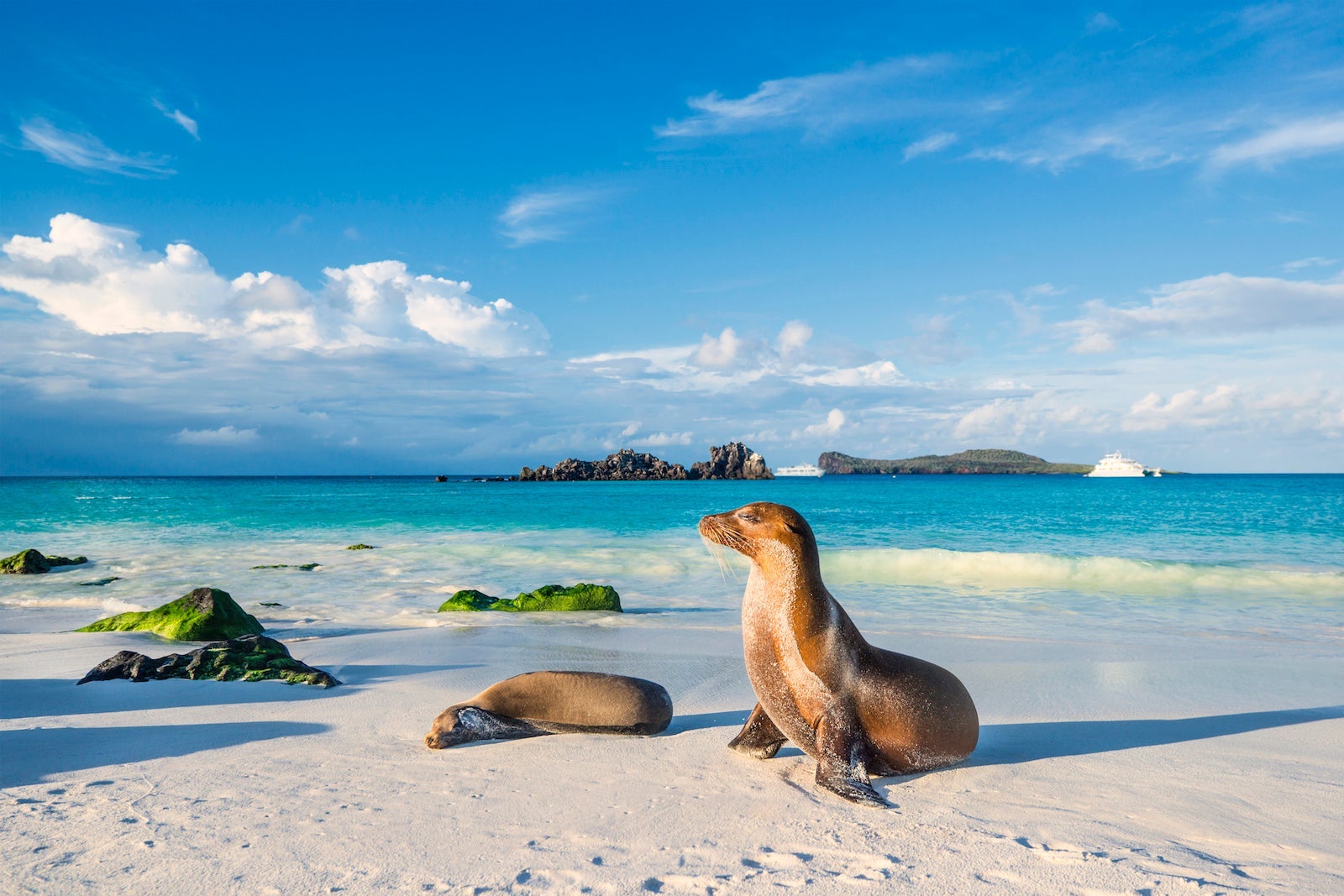
Locals in mainland Ecuador refer to the remote Galapagos Islands as a "lujo," or luxury, to visit thanks to pricey cruises and tour options. During my own do-it-yourself 10-day island-hopping tour of the area with my husband and our one-year-old, I learned firsthand how costly this destination can be to explore compared to other places in the country and continent.
As part of a longer half-year journey through South America, we saved up for two years, setting a strict budget overall and a goal to spend $150 per day for the three of us for our 10 days among the islands. In the end, we spent a total of $1,849.90 while on the ground, or about $185 per day.
While that is a considerable amount of money — and more than we hoped to spend — compared to the alternatives of going with an organized tour or on a cruise, we saved thousands of dollars with our DIY trip. If you decide to dip into your points and miles to cover airfare and hotel accommodations, you can save even more.
DIY savings breakdown
Tour comparison
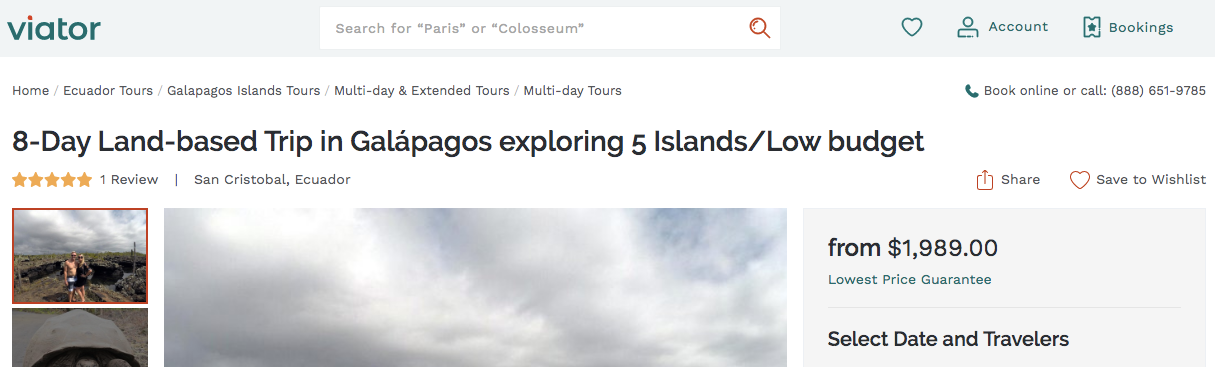
While we spent a little over $1,800 on our trip, organized tours can cost more than double. For example, one eight-day tour listed by Viator starts at $1,989 per person. (Over the course of our travels, we found that — as with airplane fares and hotel accommodations — some tour companies do not charge for small children, while others charge discounted fares or the cost of taxes so do your research.)
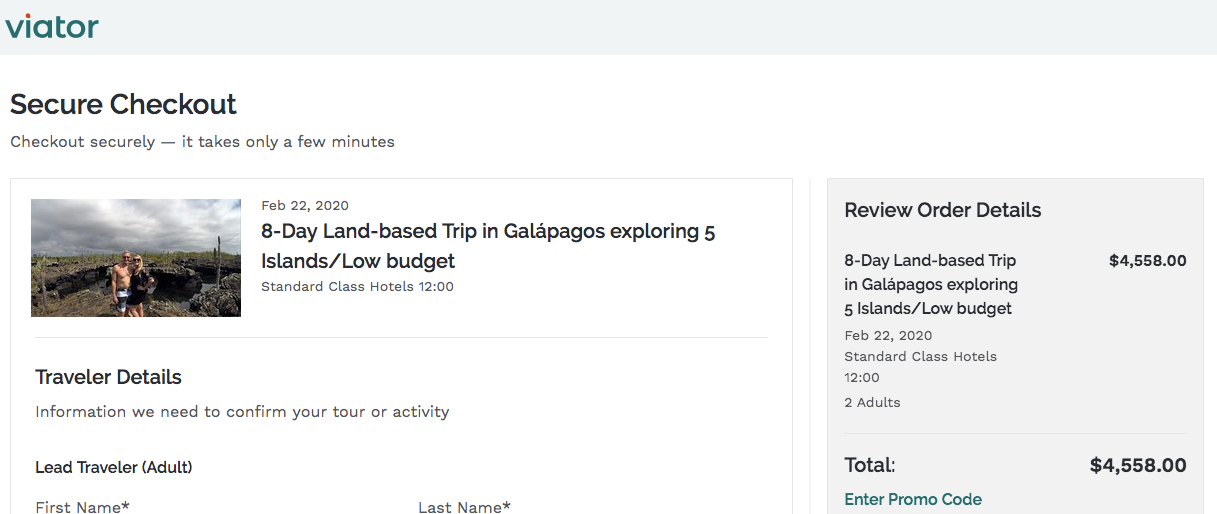
There are often hidden costs to organized tours: They do not, like this Viator option details below, usually include extras, such as entrance fees and transfers — all of which were included in our $1,849.90 spent.
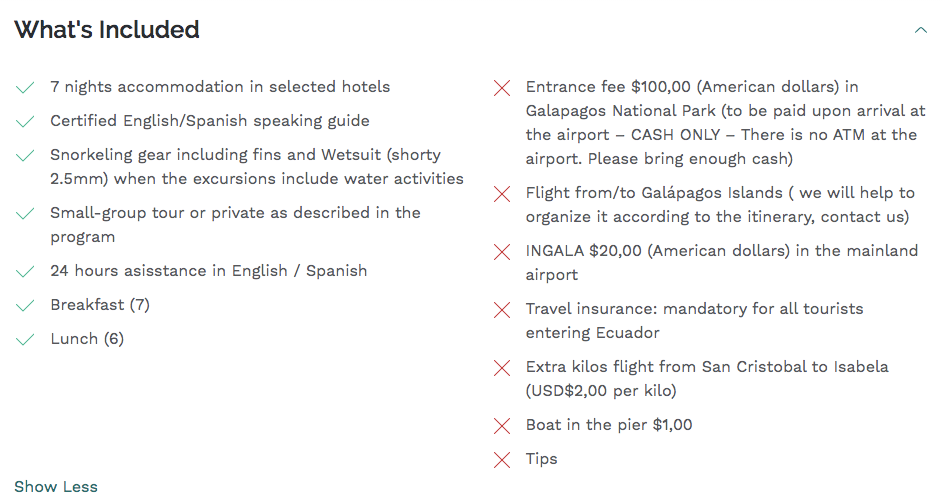
Neither our total nor this tour includes the cost of flights. We spent $1,182.45 on flights for the three of us to and from mainland Ecuador, flying in from Quito and out to Guayaquil. We also spent about $200 on travel insurance for our overall trip.
Cruise comparison
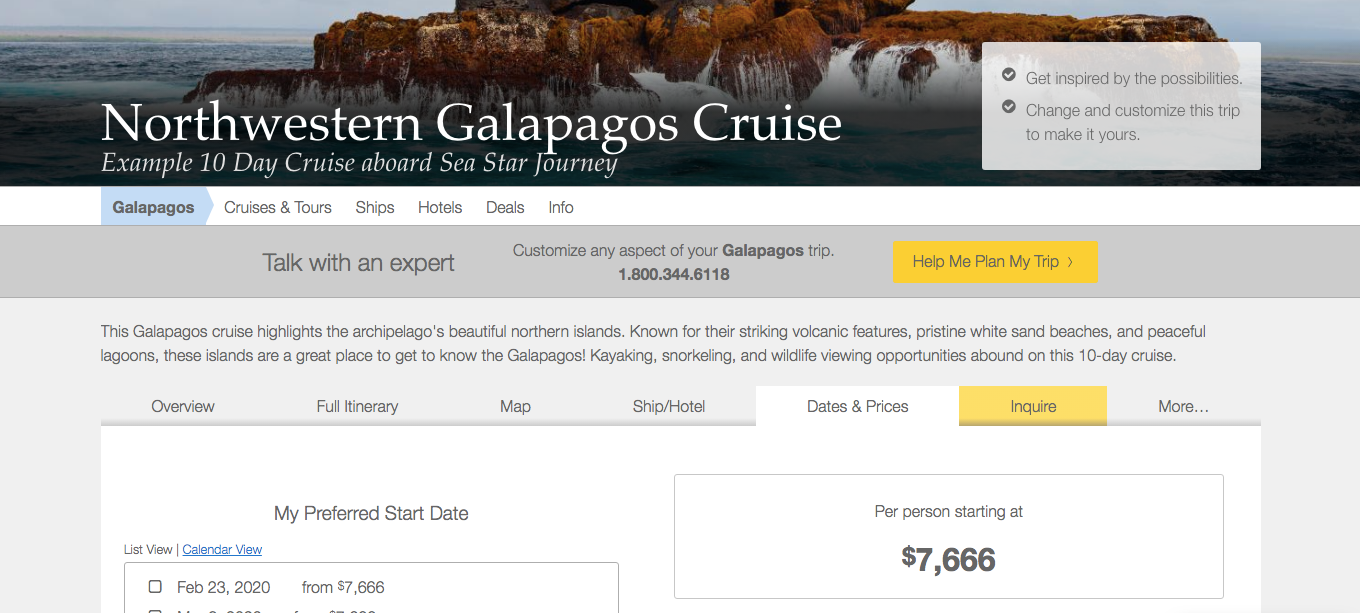
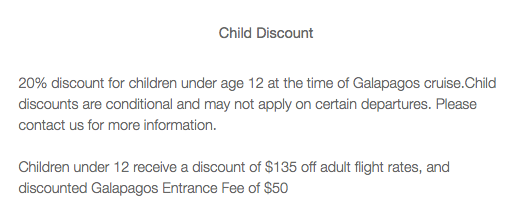
We simply could not have afforded to go on a cruise. Not only are cruises more costly than a DIY trip in general, we most likely would have had to pay the full fare for our one-year-old. Taking the example of this Adventure Life 10-day Galapagos Island cruise, with rates starting at $7,666 per person with a small 20% discount on the fare for children under 12, our trip could have cost up to $21,464.80 for the three of us.
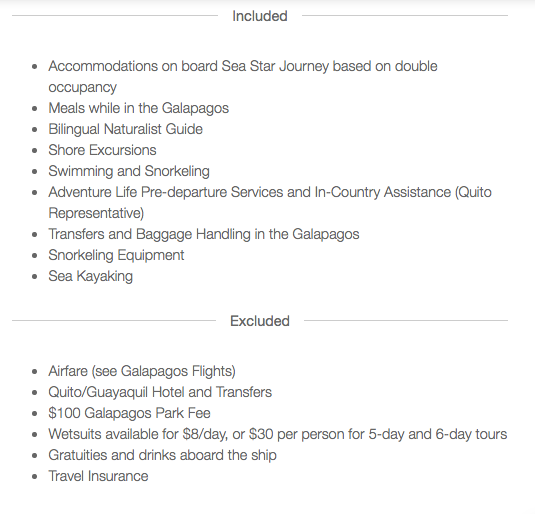
As with the organized tour option, extras like tips and entry fees are not included in the total for many cruise itineraries.
How to plan a DIY trip
We borrowed the latest travel guides for the Galapagos in eBook format for free from our local library, making notes of activities and attractions that were of interest, documenting how long they might take and an estimate of what they'd cost, and created a draft of our itinerary in a Google Doc.

We later referred to both our drafted itinerary and the travel guide eBooks in real-time on the ground as we executed our trip. (Pro tip: You don't need Wi-Fi to read eBooks or Google Docs if you make sure they're properly loaded on your device before you go somewhere without Wi-Fi. You can also download Google Maps to use to navigate when you're offline, which is something that helped us navigate in remote areas without a reliable signal.)
Related: 5 reasons why Google Maps is a traveler's best friend
To help us calculate our budget, we referred to the average costs reported on the Budget Your Trip website, which, as of this writing, says that the average visitor on a mid-range budget should expect to pay about $111 per day (not including airfare), with $27 going towards meals and $43 for local transportation.
When researching our accommodations, we compared prices across several platforms and settled on locations that were away from high price areas (such as right by the beach), while still being close enough to walk most of the time, saving us on both pricier lodging and paying for transportation. We also avoided paying extra for costly amenities (such as a pool, balcony, or "free breakfast"— which often inflates the rate above what you'd spend on the meal directly).
Cutting Costs on a DIY Galapagos Adventure
Despite going over our budget, our average was well below what a family of three on a mid-range budget might normally spend. For others looking to go the DIY route, here are some strategies for saving while on your vacation.
Negotiate in person
While we planned most of our 10-day itinerary ourselves, we did go on one organized boat and snorkeling tour to Los Tuneles (or "tunnels"), named for the area's natural rock arch formations, a place we otherwise wouldn't have been able to visit on our own. For this outing, we visited a dozen or so tour operators in person, and negotiated the price down from $140 per person to $95 each, cutting the cost by 32%.
Another time, when we went on an excursion that required transportation, we arranged a cab to take us there, wait for us, and take us back. When we asked around for prices, we got a range of quotes from $50-60 on the high end before settling with a driver at $40, 33% lower than the high end. (Public transportation is an even cheaper and available option, but we were limited on time due to our baby's nap schedule.)
Keep food costs low
According to BudgetYourTrip estimates, two adults on a mid-range budget spend an average of $54 per day on food in the Galapagos. Our daily spend for the three of us was about $48. We cut costs by buying fresh produce at the local produce market (negotiating on the prices here as well) for our breakfast, snacks, and picnic lunches to go. When we did dine out, normally for dinner, we compared prices at every menu in a given area and opted for one of the most budget-friendly options and, from among all the menu items, we usually ordered the special of the day — something most restaurants offer that is often a few dollars cheaper than items printed on the menu.
Avoid pricey merchant fees on credit cards
While I'm normally all about using my credit card to maximize my points-earning potential, in the Galapagos I avoided using mine because many places charge a 5 to 10% fee for using credit cards (one place quoted us as high as a 20% surcharge).
Use points & miles for flights and accommodations
To lower the cost of your trip even more dramatically, points and miles will be your best friend. Check out our guide to How to Use Points and Miles for a Galapagos Trip to save on flights and accommodations.
Photo by guenterguni / Getty Images
TPG featured card

at Capital One's secure site
Terms & restrictions apply. See rates & fees.
| 5X miles | Earn 5X miles on hotels, vacation rentals and rental cars booked through Capital One Travel |
| 2X miles | Earn unlimited 2X miles on every purchase, every day |
Pros
- Stellar welcome offer of 75,000 miles after spending $4,000 on purchases in the first three months from account opening. Plus, a $250 Capital One Travel credit to use in your first cardholder year upon account opening.
- You'll earn 2 miles per dollar on every purchase, which means you won't have to worry about memorizing bonus categories
- Rewards are versatile and can be redeemed for a statement credit or transferred to Capital One’s transfer partners
Cons
- Highest bonus-earning categories only on travel booked via Capital One Travel
- LIMITED-TIME OFFER: Enjoy $250 to use on Capital One Travel in your first cardholder year, plus earn 75,000 bonus miles once you spend $4,000 on purchases within the first 3 months from account opening - that’s equal to $1,000 in travel
- Earn unlimited 2X miles on every purchase, every day
- Earn 5X miles on hotels, vacation rentals and rental cars booked through Capital One Travel
- Miles won't expire for the life of the account and there's no limit to how many you can earn
- Receive up to a $120 credit for Global Entry or TSA PreCheck®
- Use your miles to get reimbursed for any travel purchase—or redeem by booking a trip through Capital One Travel
- Enjoy a $50 experience credit and other premium benefits with every hotel and vacation rental booked from the Lifestyle Collection
- Transfer your miles to your choice of 15+ travel loyalty programs
- Top rated mobile app