Your health while traveling: A conversation with Brian Kelly and Doctor Mike

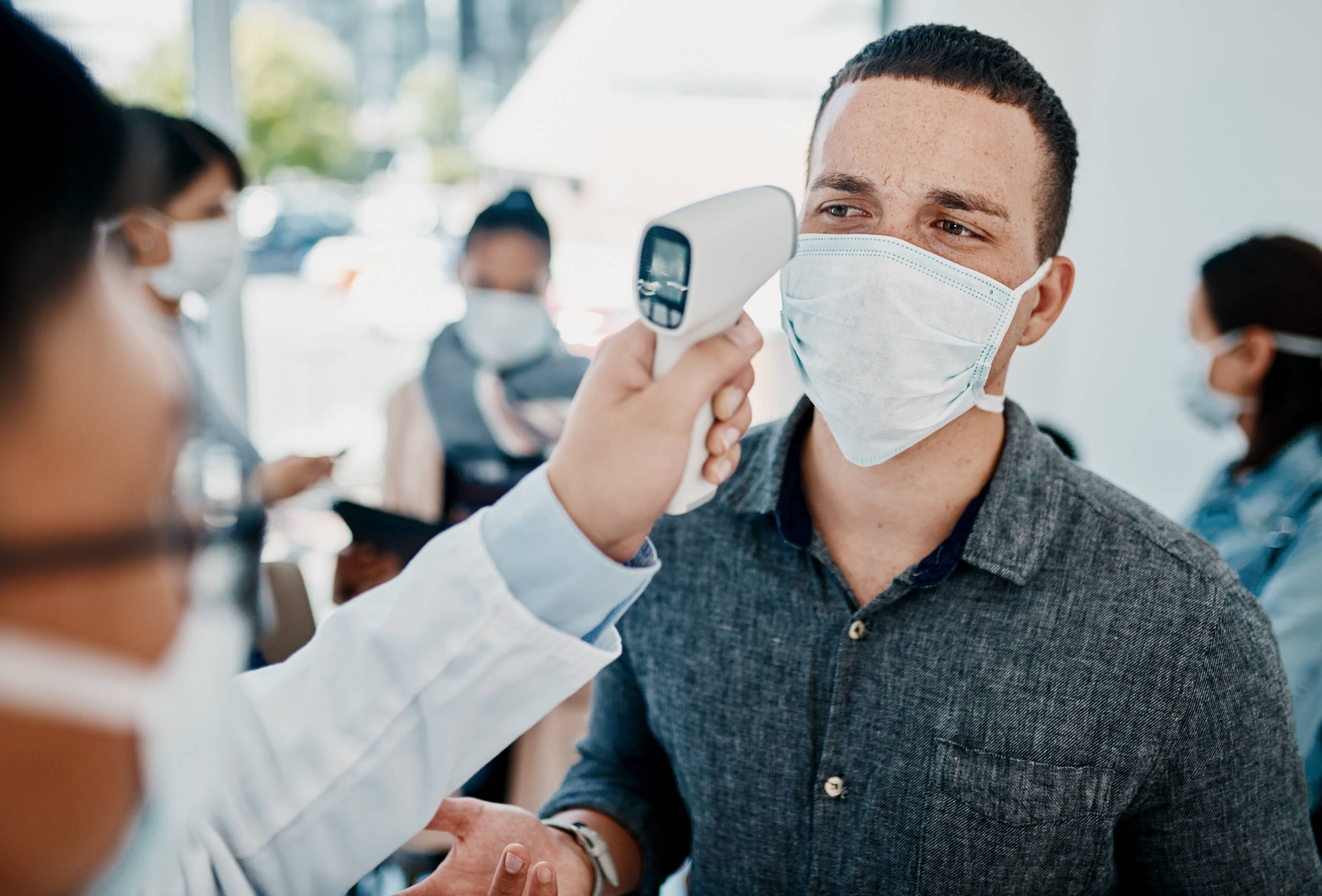
If you're like many of us, you're probably considering booking a trip in the near future. With many countries starting to open back up and airlines beginning to relaunch service, it can be tempting to jet off to a far-flung destination. But how does your health intersect with this wanderlust? What can you do to minimize your risk of contracting COVID-19? And is it even safe to travel this summer?
Stay up-to-date on the outbreak by visiting our hub page for coronavirus coverage and signing up for our daily newsletter.
On Tuesday June 23, we hosted a webinar that tackled these very questions. TPG's founder and CEO, Brian Kelly, was joined by board-certified physician Mike Varshavski — a.k.a. "Dr. Mike" — as they discussed the health implications of hitting the road again. You can review a recording of the entire session below, but here are some of the key points that came up during the conversation.
Risk tolerance
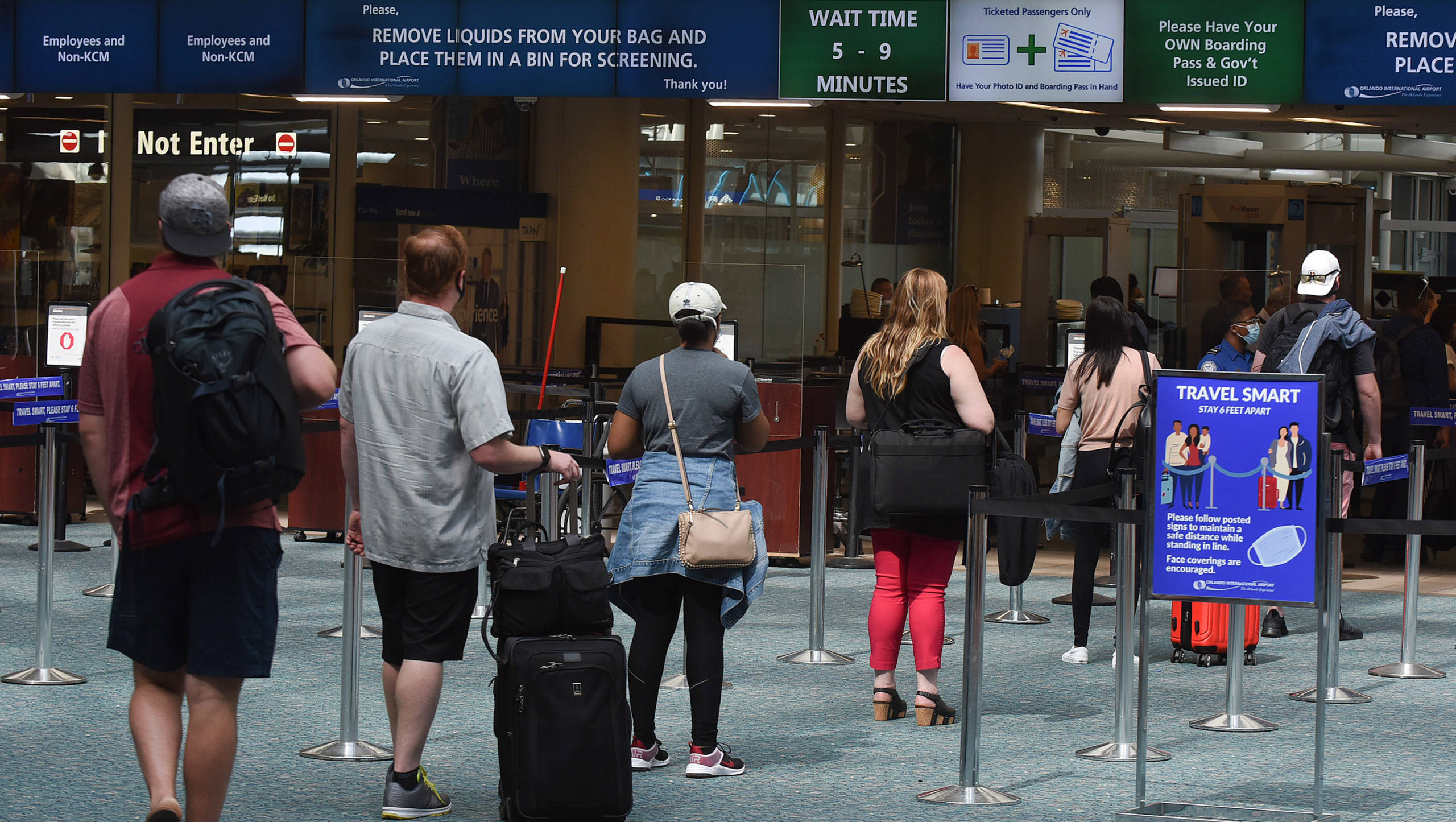
With so much uncertainty still surrounding the coronavirus pandemic, many viewers asked about their specific trips or wondered about their risks of contracting the virus from surfaces on the road — but Doctor Mike reiterated that it's impossible to create a travel experience that's 100% safe.
"I don't have all the answers," he said. "But I have some of the risks that you're going to be facing, and and you can decide what's right for yourself." He went on to say that what's considered safe may be different for someone in their 60s compared to someone in their 20s, and the audience seemed to have different levels of risk tolerance for various modes of travel, as indicated by the webinar's first poll results:
What types of trips do you feel comfortable taking in the next six months? (Select all that apply)
- In-state road trip: 82%
- Out-of-state road trip: 74%
- Domestic flight: 59%
- International flight: 28%
- Train: 21%
- Cruise: 6%
- None of the above: 5%
Doctor Mike even agreed with this ranking, noting that the audience's response aligned with his own view of least risky to most risky. "Travel where you can control your environment is the safest form of travel" right now, he added.
What to consider before traveling
So what should you take into account before hitting the road this summer or fall? According to Doctor Mike, one of the first things is to "do your research before you travel of where you're going ... look at hospitalization rates to make sure they're not peaking." If they are, he'd recommend canceling the trip immediately. He also recommends that you consider the level of health care in your destination; if local facilities get overwhelmed, it may be hard to get the care you need, and "if you don't speak the language, that could be quite difficult."
Doctor Mike also advises a lot of advance planning with supplies, recommending that his patients "have either hand sanitizer or some sort of disinfecting wipes to clean the commonly-touched surfaces" where they'll be spending a lot of time. And if a road trip is on your radar, he also recommends planning ahead and "limiting your stops as much as possible" and utilizing automated options like paying with credit cards instead of cash and digital check in.

Many travelers are also weighing their accommodation options for upcoming travel, so is there a major difference between hotels vs. vacation rentals from sites like Airbnb? While hotels "generally have very clear standards of how they're disinfecting each of the rooms," that may not be the case with rentals — so ask the host or owner what they're doing along these lines. Doctor Mike also recommends trying to "get a buffer of at least a day or two after someone has left" to provide additional time for the virus to die off.
What to do when traveling
If your summer plans do involve trips, there are a number of things you should do, according to Doctor Mike. Whether flying on a plane, staying in a hotel or checking in to a vacation rental, be sure to wipe down those commonly-touched surfaces, like door knobs and remotes. He also stressed the importance of wearing masks (more on that below), washing your hands frequently and continuing to remain six feet away from others whenever possible. "Those small steps really go a long way toward curtailing the spread of the virus."
RELATED: A firsthand look at what's changed in the era of COVID-19 travel — and what hasn't
He also focused on the steps that local businesses should be taking to minimize the risk of infection:
"When you go out to eat at a restaurant, just like restaurants should be comfortable talking to you about food allergies, they should be comfortable talking to you about how they're trying to keep their consumers safe. And if they're not comfortable discussing with you what their strategies are, go elsewhere. Do not eat a place where you're unsure, because it's really easy — in an area where they're not doing proper cleaning and proper seating — to spread this virus."
Ask questions of travel providers, tour operators and other companies you'll be using on the road. And if you don't like the answers, reconsider your plans.
What about masks?
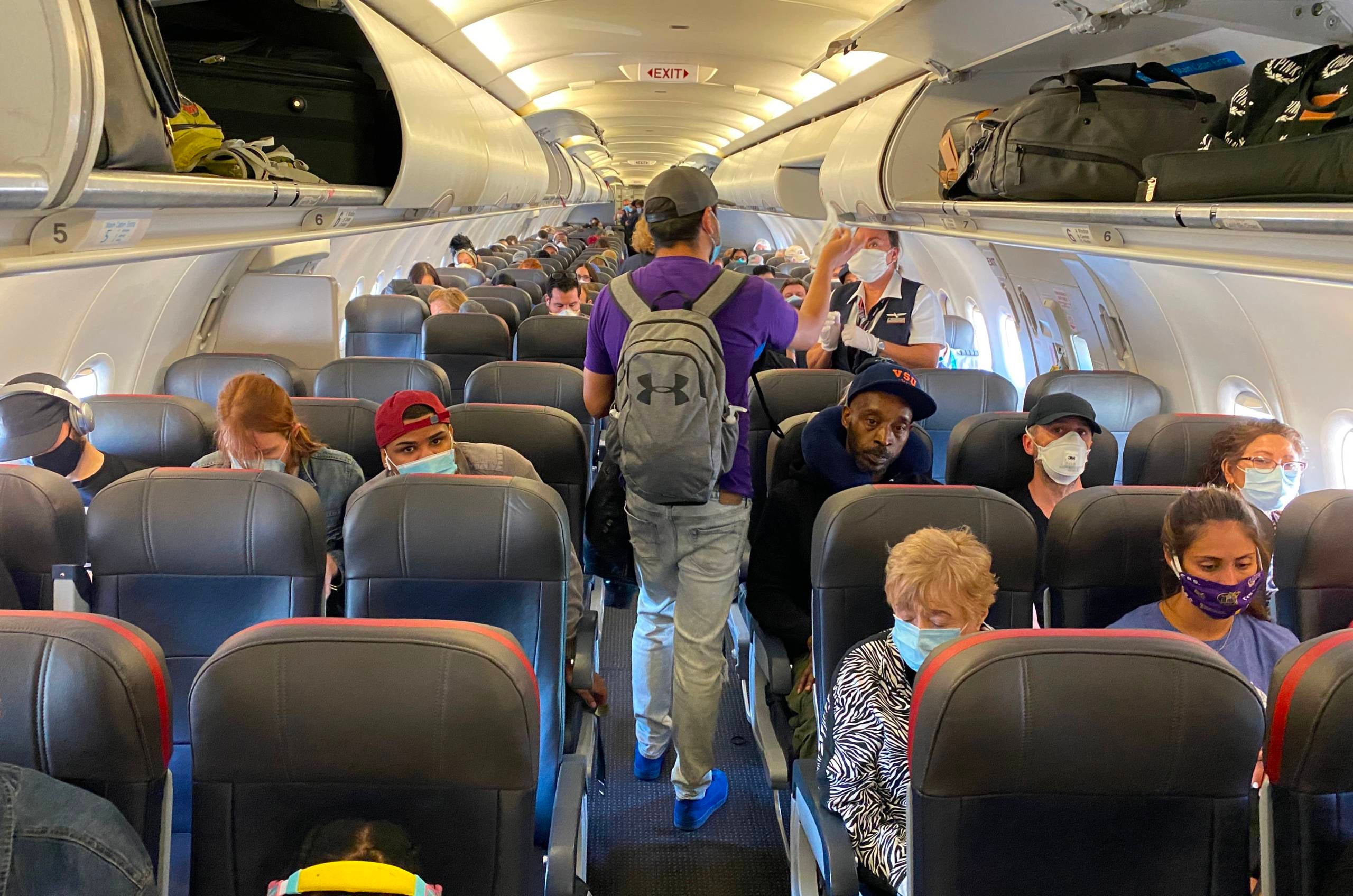
Doctor Mike acknowledged that there's been a lot of confusion surround mask-wearing, and it's still a hot topic — with American, United and Delta threatening bans for passengers who don't comply with mandatory mask requirements. However, he was clear that the purpose of face coverings, even cloth or fabric ones, "is really to limit the spread ... if you are sick," going on to say that they protect the community more than the wearer. He stressed that this was a critical way to slow the pandemic, especially in spaces where social distancing is difficult or impossible.
So why did authorities initially say masks weren't recommended? It's all about new information that's come to light, according to Doctor Mike. "As we researched this virus more, we've seen that there are people who are not showing symptoms that are spreading the virus — and that's what a mask is good for." This new advice isn't some type of conspiracy theory — "it's simply that we've updated our knowledge. We learned something new and we're not afraid to come out and say that we need to make a change."
Some interesting advice
Doctor Mike also offered some interesting pieces of advice that may seem off-the-wall but actually make sense.
- Sneezing: Many of us were taught to turn our face and sneeze into our elbow in school in an effort to keep your friends and family members healthy. With a mask, Doctor Mike says you should do that, but if you're talking to someone and wearing a mask, he recommends not turning. "The proper way to sneeze would be to move back and sneeze forward. Reason being that the virus actually escaped out the side of your mask."
- Hotel room selection: If you're like me, you love hotel rooms with a view, but in the era of coronavirus, you may want to opt for a ground floor room, according to Doctor Mike. This avoids going into the elevator, a heavily-trafficked area that would offer additional exposure to the virus.
- Credit cards: In addition to recommending cards over cash (a common refrain here at TPG), Doctor Mike suggests disinfecting your credit cards after use. You could also consider alternate forms of payment, both at home and on the road.
Final thoughts
In closing, Doctor Mike gave this final message:
"We have to stay rational. We have to understand that this isn't a Sci-Fi movie with the virus all around us. It spreads, person to person, through respiratory droplets. Even contamination infection is not as popular as we thought it would be. So, be safe by keeping six feet away from others, wear a mask, decrease your exposure to a lot of people and decrease the time that you're exposed to people."
You can view the full recording below along with show notes so you can jump to sections of particular interest:
Show notes
- 4:47 — Doctor Mike's thoughts on virtual health care
- 5:39 — Is it safe to travel today?
- 10:51 — Discussing antibodies
- 16:25 — What precautions to take
- 20:58 — More on antibodies, testing and temperature checks
- 28:44 — Vaccine
- 29:48 — Cleaning procedures
- 33:19 — When Doctor Mike will travel and what precautions he'll take
- 37:07 — Traveling in premium cabins
- 38:14 — Road trip advice
- 40:43 — Kids and coronavirus
- 42:57 — Doctor Mike's help during an in-flight, medical emergency
- 47:12 — Q&A
About Doctor Mike
With over 9 million social media subscribers, Dr. Mikhail Varshavski, commonly known as "Doctor Mike," is a multifaceted board-certified family medicine physician, media personality, educator, writer and philanthropist. Emigrating from Russia to New York at the age of 6, Doctor Mike grew up to pursue his medical degree at the New York Institute of Technology with a B.S. in Life Sciences and a Doctorate in Osteopathic Medicine with honors by the age of 24. During his residency, Doctor Mike decided to document his journey and share his medical learnings with the internet — which has resulted in one of the largest platforms in health education.
"The Future of Travel with Brian Kelly" is a series of live events looking ahead at what's in store for the travel industry as it begins to recover from the coronavirus pandemic. Join Brian as he interviews top experts and company executives on a range of topics, including traveler health, cleanliness measures, loyalty programs and what it all means for the traveling public.
You can view last week's session with Arnold Donald, President and CEO of Carnival Corporation, at this link.
READ MORE: TPG's complete coverage of the coronavirus pandemic
TPG featured card

at Capital One's secure site
Terms & restrictions apply. See rates & fees.
| 5X miles | Earn 5X miles on hotels, vacation rentals and rental cars booked through Capital One Travel |
| 2X miles | Earn unlimited 2X miles on every purchase, every day |
Pros
- Stellar welcome offer of 75,000 miles after spending $4,000 on purchases in the first three months from account opening. Plus, a $250 Capital One Travel credit to use in your first cardholder year upon account opening.
- You'll earn 2 miles per dollar on every purchase, which means you won't have to worry about memorizing bonus categories
- Rewards are versatile and can be redeemed for a statement credit or transferred to Capital One’s transfer partners
Cons
- Highest bonus-earning categories only on travel booked via Capital One Travel
- LIMITED-TIME OFFER: Enjoy $250 to use on Capital One Travel in your first cardholder year, plus earn 75,000 bonus miles once you spend $4,000 on purchases within the first 3 months from account opening - that’s equal to $1,000 in travel
- Earn unlimited 2X miles on every purchase, every day
- Earn 5X miles on hotels, vacation rentals and rental cars booked through Capital One Travel
- Miles won't expire for the life of the account and there's no limit to how many you can earn
- Receive up to a $120 credit for Global Entry or TSA PreCheck®
- Use your miles to get reimbursed for any travel purchase—or redeem by booking a trip through Capital One Travel
- Enjoy a $50 experience credit and other premium benefits with every hotel and vacation rental booked from the Lifestyle Collection
- Transfer your miles to your choice of 15+ travel loyalty programs
- Top rated mobile app