Is this the world’s most fuel efficient, commercially viable aircraft right now?

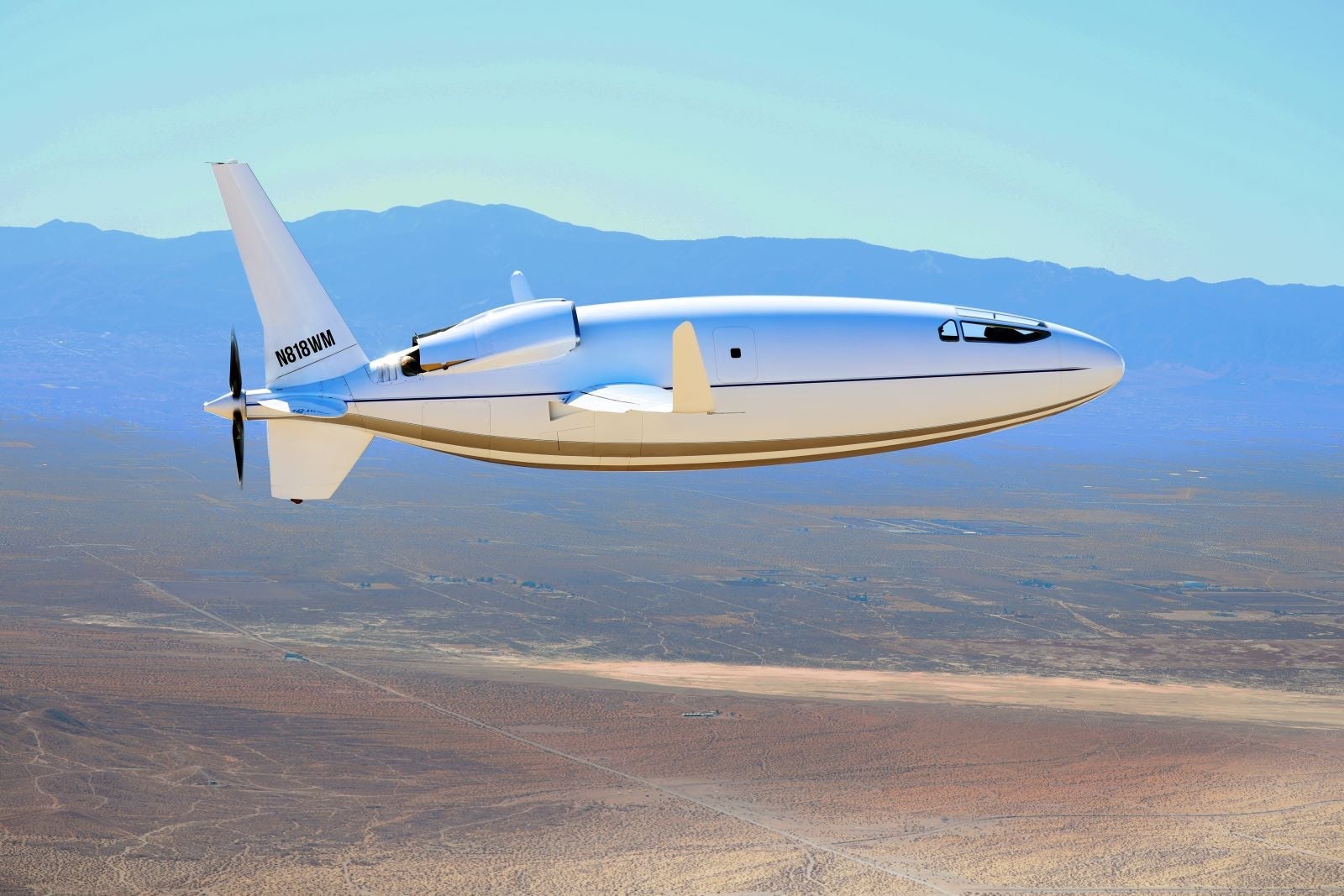
That's the bold claim put forward by Otto Aviation, the American startup behind the Celera 500L, a new and genuinely revolutionary clean-sheet aircraft concept.
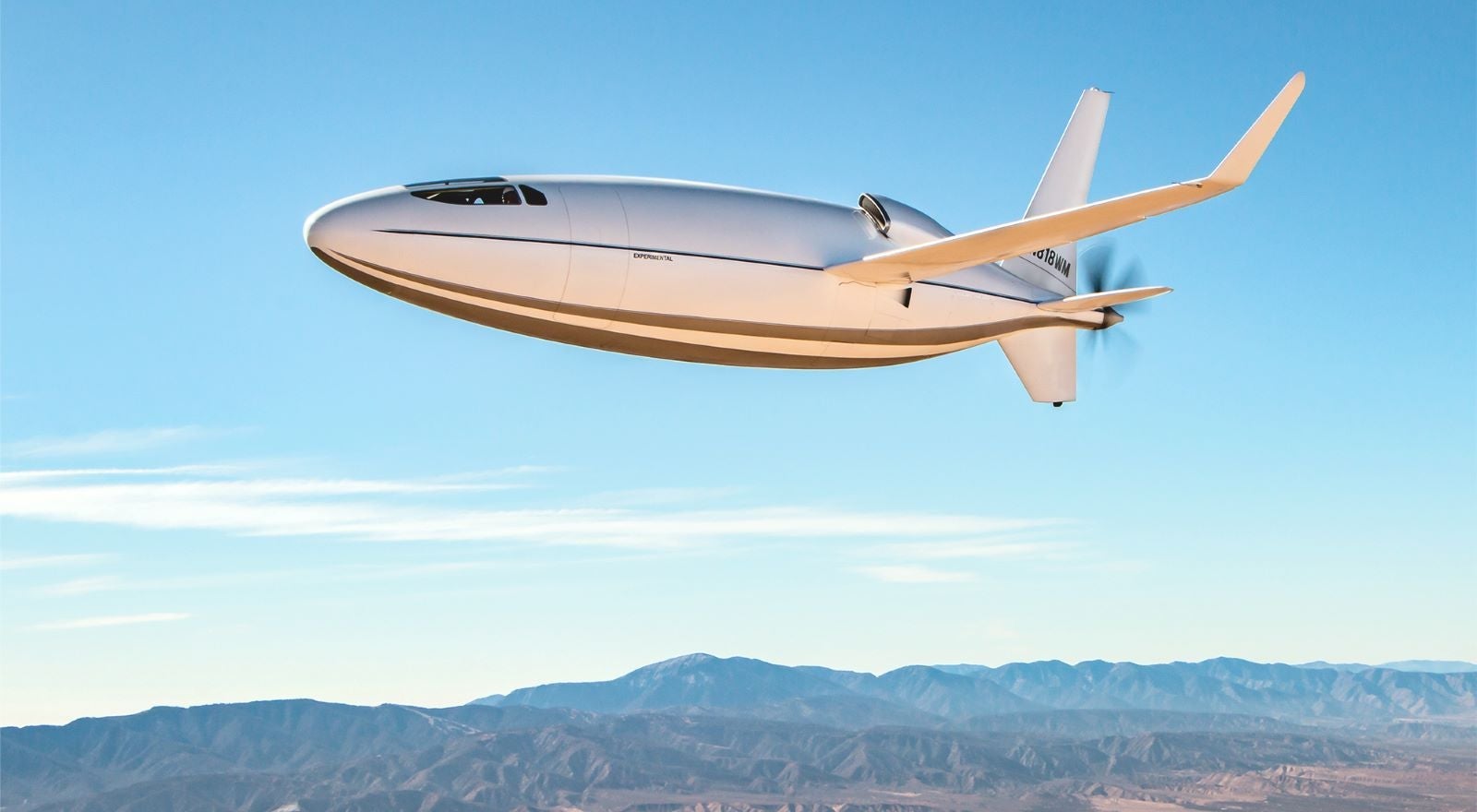
The world has no shortage of startups aimed at transforming the way we fly, but Otto Aviation is one that truly stands out, and not just because of the unusual airplane design it is working on. The teardrop-shaped fuselage of the Celera 500L is perhaps its most eye-catching element, but there's a lot more than just looks.
This aircraft is five to seven times cheaper to operate and that it consumes eight times less fuel than similarly-sized aircraft without compromising speed or range.
What's more, these jaw-dropping efficiency gains are not the result of some new, unproven propulsion technology. While it could potentially be fitted with an electric motor, the Celera is currently fitted with two conventional piston engines that are able to operate independently and power a single rear propeller.
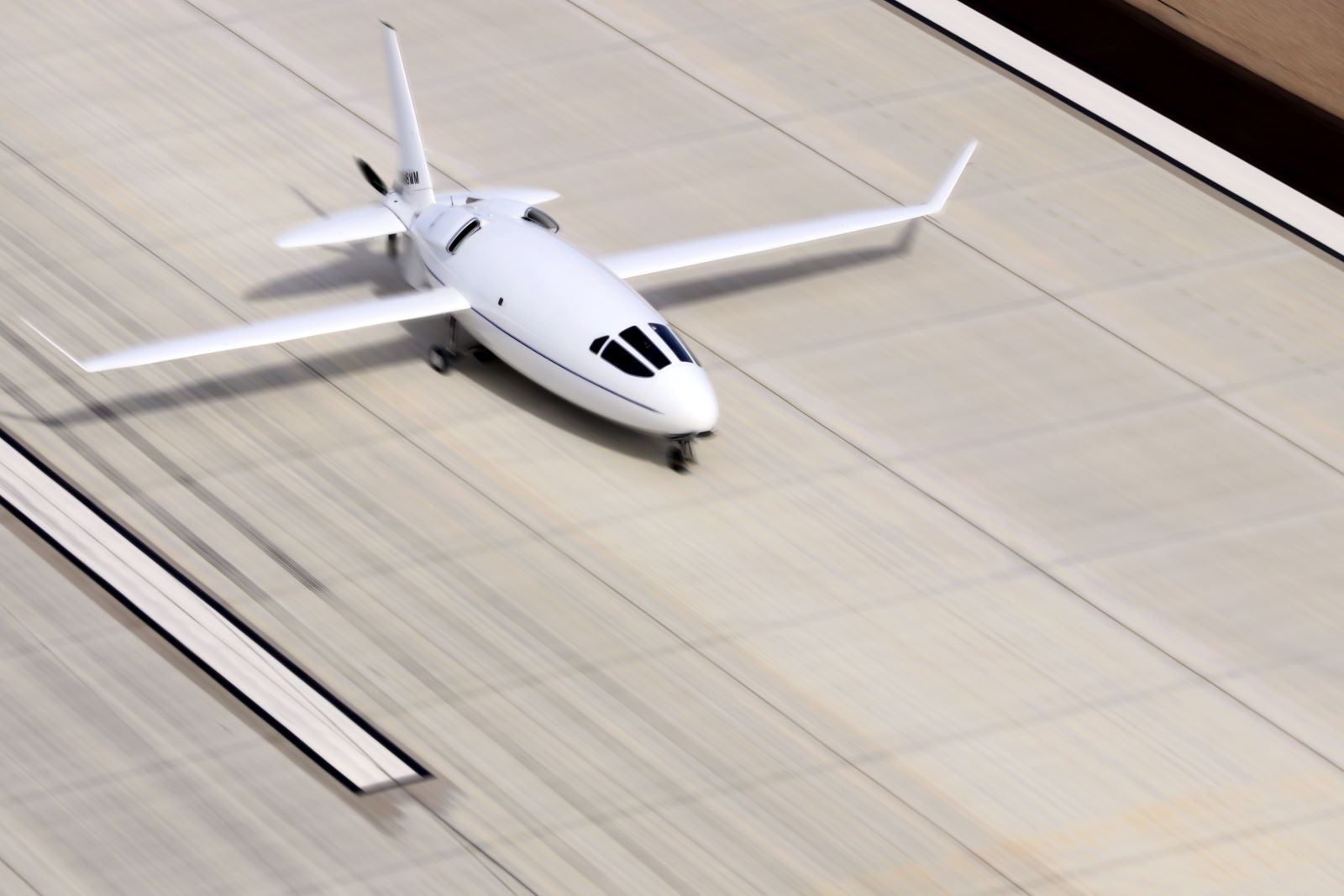
The aircraft's stellar aerodynamic performance can be attributed to the smart use of laminar flow, a physics principle by which different adjacent layers of air or fluid move smoothly without mixing with each other.
Related: 18 airline liveries that will catch any AvGeek's eye
Optimizing for laminar flow is what gives the Celera its peculiar shape, along with a 59% drag reduction compared to its peers.
It is not a coincidence that the founder of Otto Aviation and the mind behind this project, William Otto, Sr., learned the ropes developing missiles for the U.S. military. But the inspiration for the Celera didn't come from the sky, but rather from the sea, where some torpedo designs use laminar flow to move efficiently through the water.
Less drag means lower fuel burn, with the Celera 500L purportedly getting 18-25 miles a gallon, compared to the 2 to 3 miles a conventional jet gets. Its creators claim that Celera's emissions per person are up to 80% lower than for comparable aircraft.

How do these efficiency gains translate to dollars? Proponents of the project have calculated that the cost of operating the Celera could come down to $328 per hour. Mind you, this is the cost per aircraft, not per person! Factor in a full load of six people and it makes for a rather competitive proposition, even for distances that are in the domain of land transportation.
But far from targeting only the local and regional markets, the Celera's range of 4,500 nautical miles would enable it to link pretty much any city pair in the contiguous United States. And its planned top speed of 460 miles per hour, while still slower than a jet, compares favorably with most propeller aircraft, let alone land transportation options.
Related: These are the best places for plane spotting
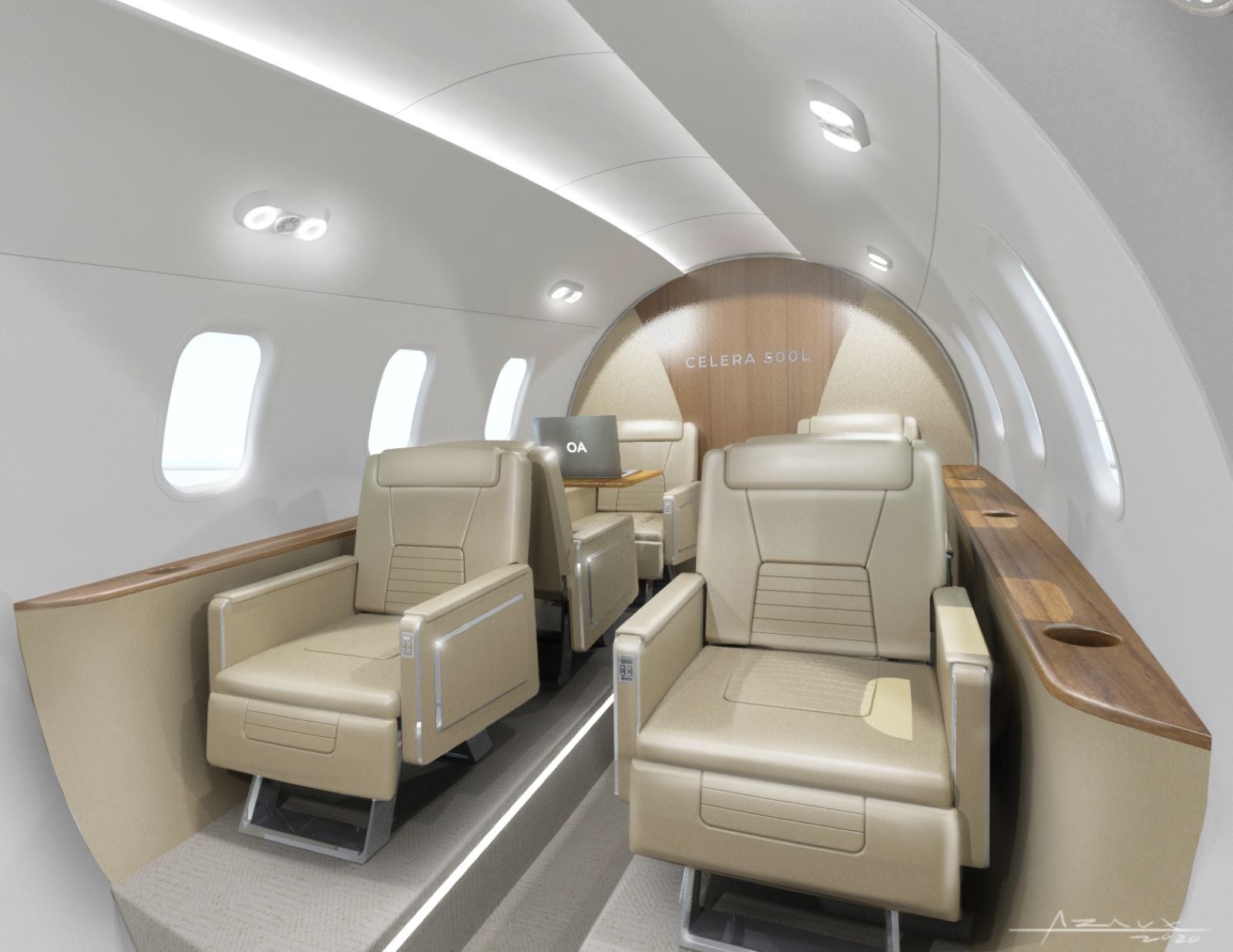
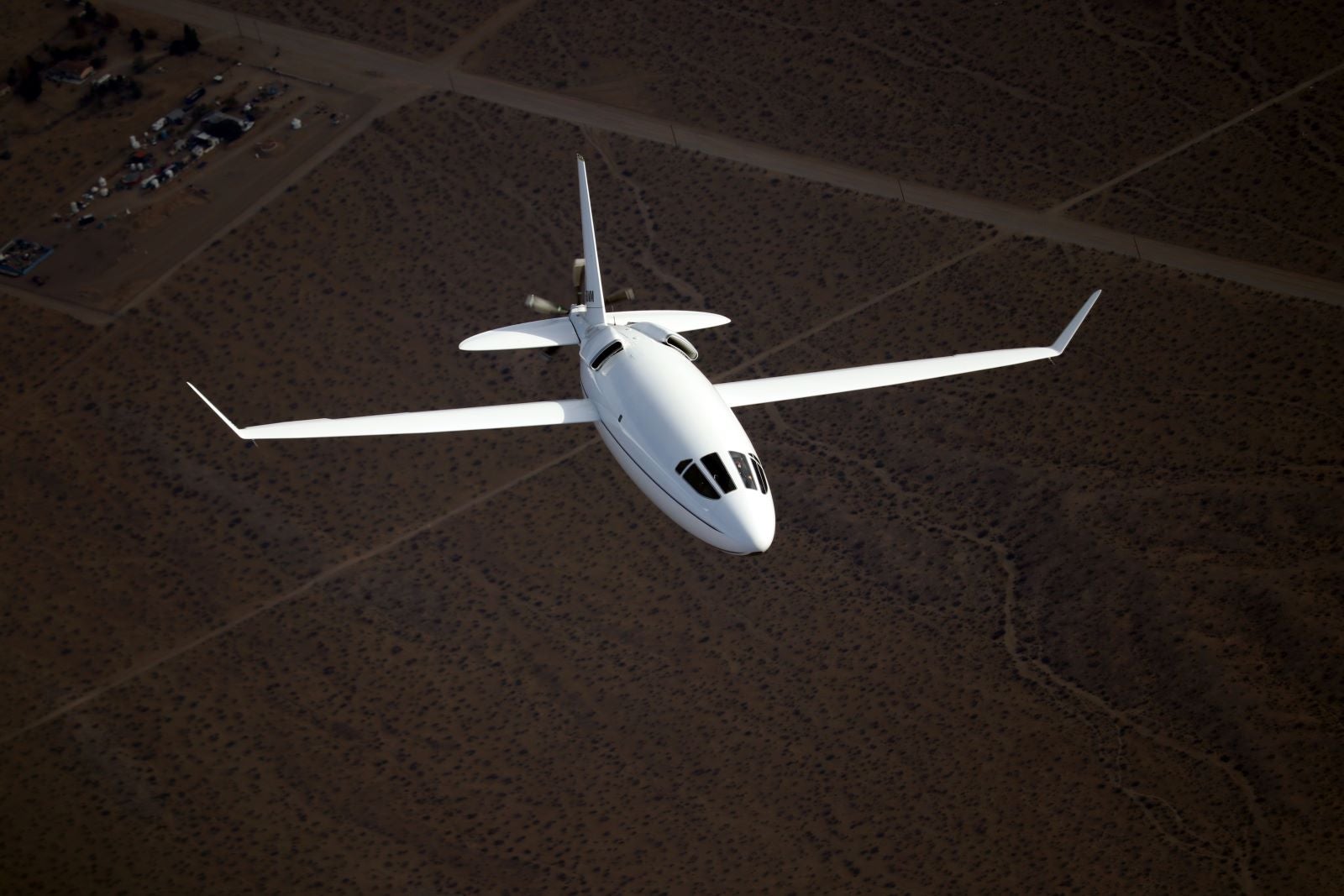
Another positive side-effect of its bubble-like structure is that the Celera has a rather roomy cabin: its 6' 2" of height makes it possible for most passengers to stand up straight, providing levels of comfort more typical of mid-sized and larger executive jets.
So far, so good, right? So what's preventing aircraft based on these disruptive technologies from taking the market by storm? Getting the most out of the laminar flow effect requires some compromises in terms of materials, surfaces and shapes, which do not scale so easily.
Related: The art of designing an aircraft livery
A Celera 500L prototype has been flying since 2018, having completed over 50 test flights to date, although it still hasn't reached its top potential performance (maximum speed so far has been around 250 miles per hour). The company plans to start its certification process with the FAA this year with the goal of being in the market by 2025.
Larger models for 19 and 40 passengers are also on the drawing board, but even if these take some time to materialize, Otto Aviation is confident the economics and environmental credentials of its six-seater plane can contribute to expanding the market significantly and draw new customers to private aviation.
TPG featured card

at American Express's secure site
Terms & restrictions apply. See rates & fees.
| 3X | Earn 3X Miles on Delta purchases. |
| 1X | Earn 1X Miles on all other eligible purchases. |
Pros
- Delta SkyClub access when flying Delta
- Annual companion ticket for travel on Delta (upon renewal)
- Ability to earn MQDs through spending
- Various statement credits for eligible purchases
Cons
- Steep annual fee of $650
- Other Delta cobranded cards offer superior earning categories
- Earn 100,000 Bonus Miles after you spend $6,000 or more in purchases with your new Card within the first 6 months of Card Membership and an additional 25,000 bonus miles after you make an additional $3,000 in purchases on the Card within your first 6 months, starting from the date that your account is opened. Offer Ends 04/01/2026.
- Delta SkyMiles® Reserve American Express Card Members receive 15 Visits per Medallion® Year to the Delta Sky Club® when flying Delta and can unlock an unlimited number of Visits after spending $75,000 in purchases on your Card in a calendar year. Plus, you’ll receive four One-Time Guest Passes each Medallion Year so you can share the experience with family and friends when traveling Delta together.
- Enjoy complimentary access to The Centurion® Lounge in the U.S. and select international locations (as set forth on the Centurion Lounge Website), Sidecar by The Centurion® Lounge in the U.S. (see the Centurion Lounge Website for more information on Sidecar by The Centurion® Lounge availability), and Escape Lounges when flying on a Delta flight booked with the Delta SkyMiles® Reserve American Express Card. § To access Sidecar by The Centurion® Lounge, Card Members must arrive within 90 minutes of their departing flight (including layovers). To access The Centurion® Lounge, Card Members must arrive within 3 hours of their departing flight. Effective July 8, 2026, during a layover, Card Members must arrive within 5 hours of the connecting flight.
- Receive $2,500 Medallion® Qualification Dollars with MQD Headstart each Medallion Qualification Year and earn $1 MQD for each $10 in purchases on your Delta SkyMiles® Reserve American Express Card with MQD Boost to get closer to Status next Medallion Year.
- Enjoy a Companion Certificate on a Delta First, Delta Comfort, or Delta Main round-trip flight to select destinations each year after renewal of your Card. The Companion Certificate requires payment of government-imposed taxes and fees of between $22 and $250 (for itineraries with up to four flight segments). Baggage charges and other restrictions apply. Delta Basic experiences are not eligible for this benefit.
- $240 Resy Credit: When you use your Delta SkyMiles® Reserve American Express Card for eligible purchases with U.S. Resy restaurants, you can earn up to $20 each month in statement credits. Enrollment required.
- $120 Rideshare Credit: Earn up to $10 back in statement credits each month after you use your Delta SkyMiles® Reserve American Express Card to pay for U.S. rideshare purchases with select providers. Enrollment required.
- Delta SkyMiles® Reserve American Express Card Members get 15% off when using miles to book Award Travel on Delta flights through delta.com and the Fly Delta app. Discount not applicable to partner-operated flights or to taxes and fees.
- With your Delta SkyMiles® Reserve American Express Card, receive upgrade priority over others with the same Medallion tier, product and fare experience purchased, and Million Miler milestone when you fly with Delta.
- Earn 3X Miles on Delta purchases and earn 1X Miles on all other eligible purchases.
- No Foreign Transaction Fees. Enjoy international travel without additional fees on purchases made abroad.
- $650 Annual Fee.
- Apply with confidence. Know if you're approved for a Card with no impact to your credit score. If you're approved and you choose to accept this Card, your credit score may be impacted.
- Terms Apply.
- See Rates & Fees