Inside the E2, Embraer's Next-Gen Regional Jet

If you've traveled on a major US airline's regional arm without the last few years, there's a good chance you've flown on an Embraer E170/175 or E190/E195. These short-haul aircraft fly under the liveries of American Airlines, Delta, United and a handful of other North American carriers, and they're more or less unavoidable if you're traveling from, to or through smaller markets throughout the US.

They have a bit of a bad rap, due to dated interiors, cramped cabins and those awful gate-check bag tags we all hate. While the situation has improved with updated versions of these jets, it's about to get a whole lot better with the launch of the Embraer E2, which I had a chance to tour at the Farnborough Air Show.
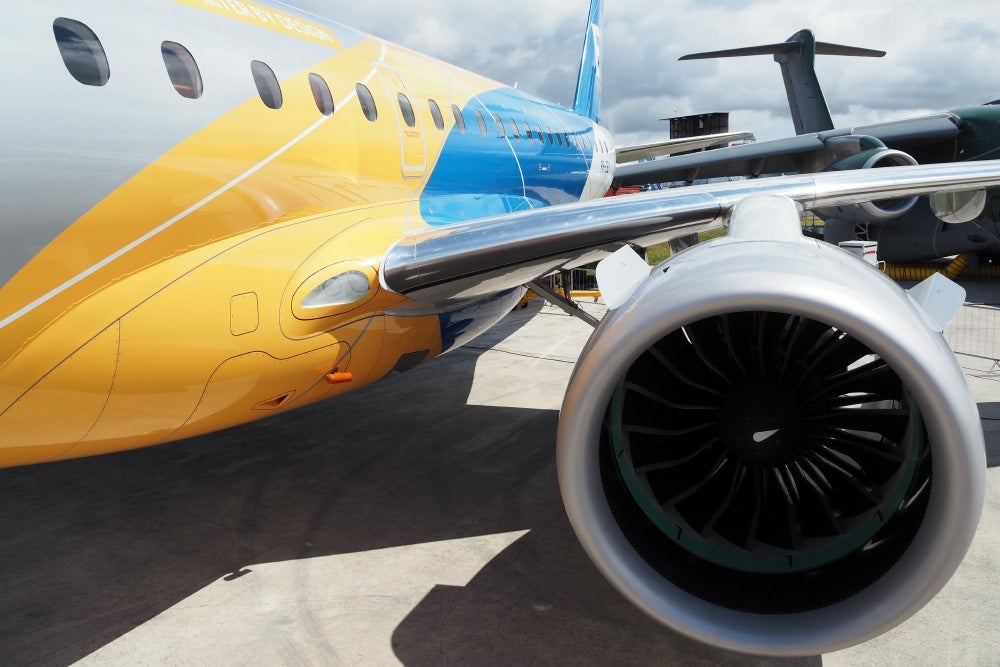
Onboard the E190-E2
The first E2 series aircraft took its first flight in May, so Farnborough is the plane's first major appearance. The cabin isn't quite trade show ready, but Embraer invited some attendees for a brief tour.
The cockpit is the only part of the aircraft that's near production-ready.
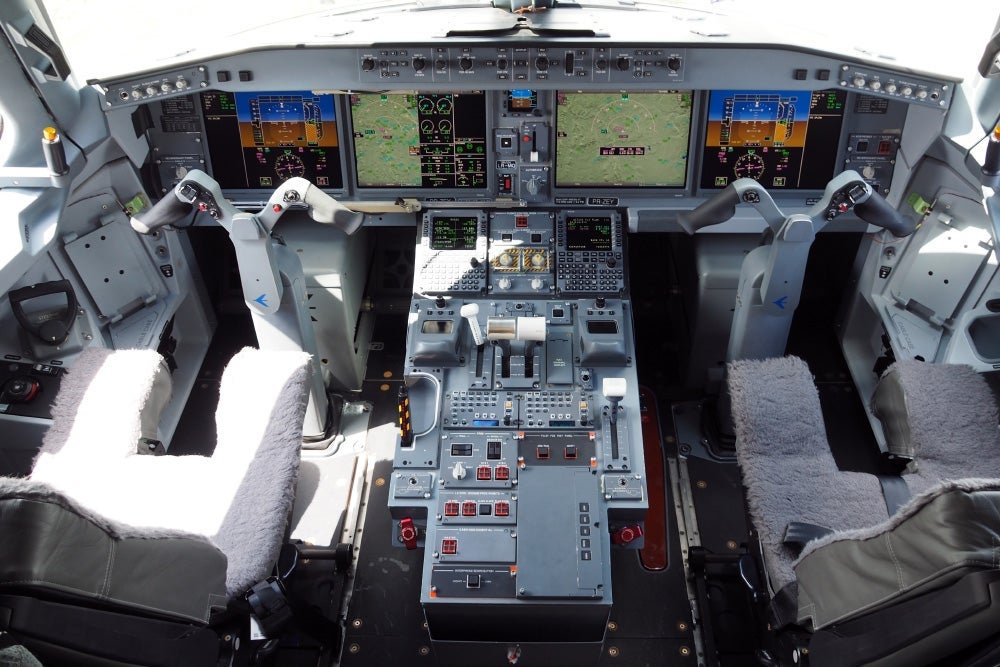
While the cockpit is clearly an update from older Embraer jets, it's designed so that pilots can move between previous-generation and E2 aircraft.
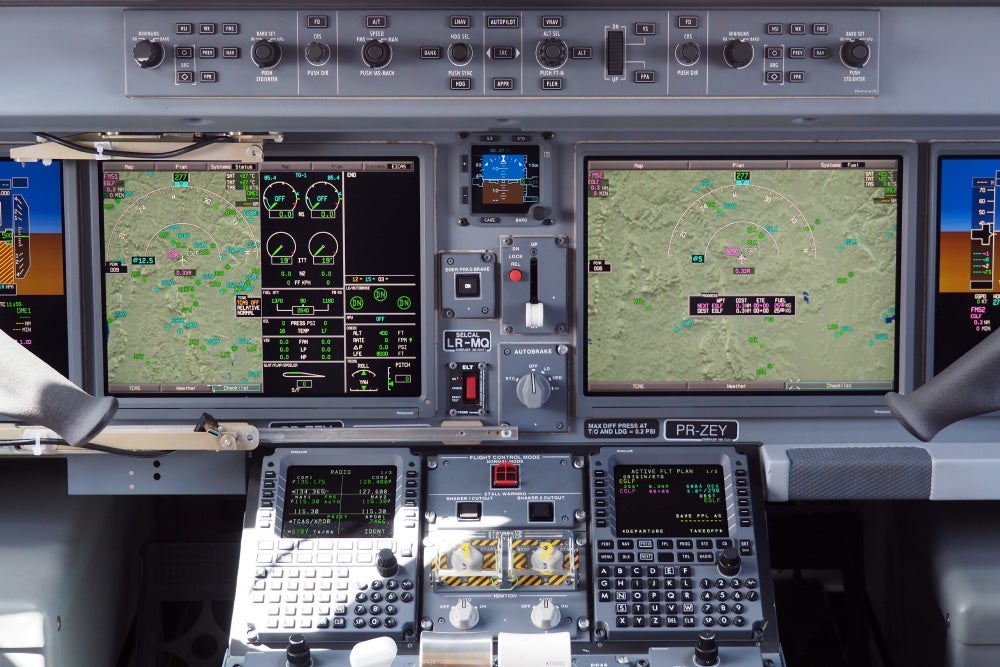
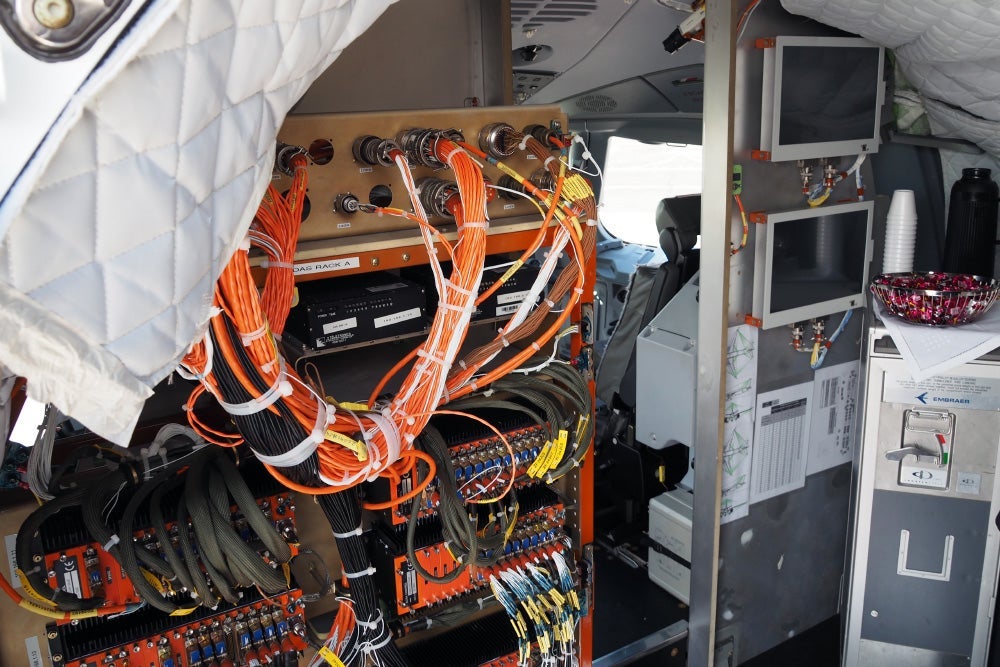
The cockpit is more or less ready to go, though experts will notice a few extra cables and switches, which are necessary to operate the test environment on board this plane.
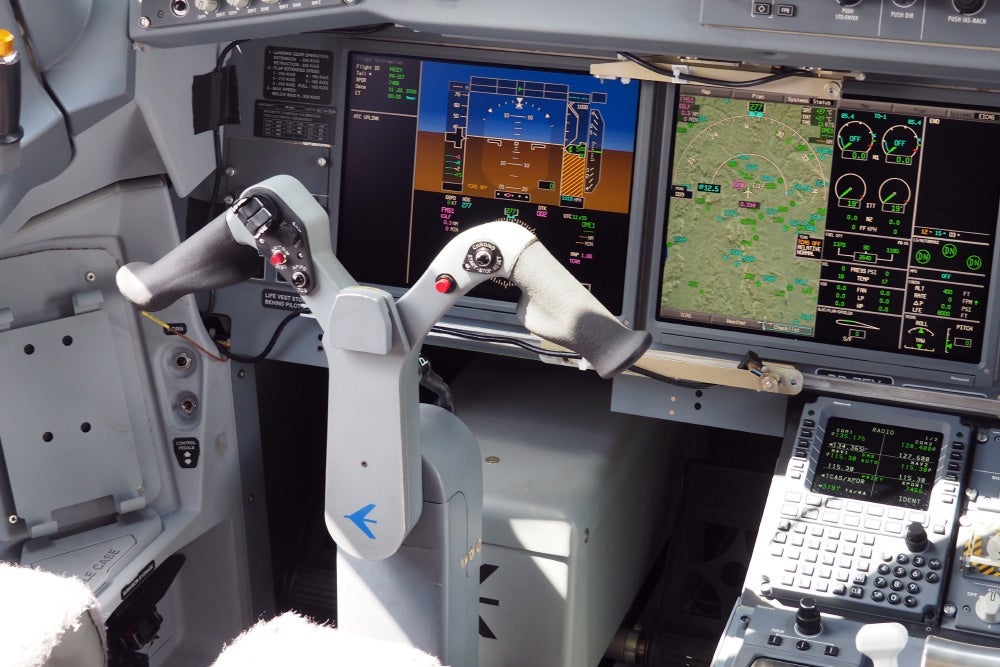
The cockpit feels surprisingly roomy for a regional jet. That's a very good thing, considering that many future airline pilots will get their start here.
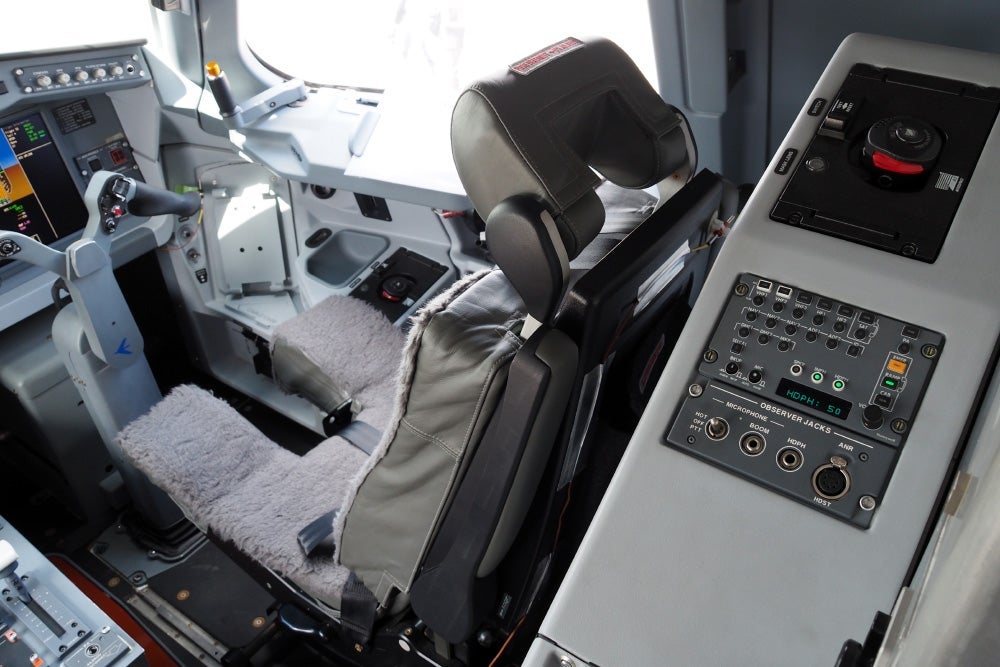
The E2 is currently loaded with ballast tanks rather than passenger seats. These tanks allow engineers to move the center of gravity throughout the flight so the plane can be tested with many different weight scenarios.


Cabin Mock-Up
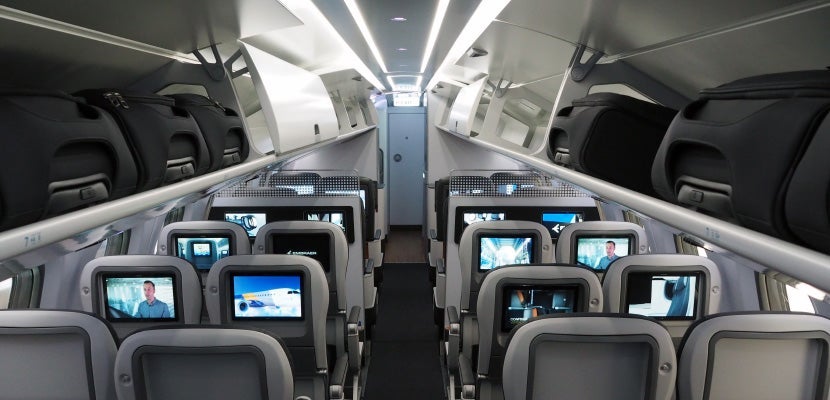
In a separate area of the trade show, Embraer has a cabin mock-up on display.
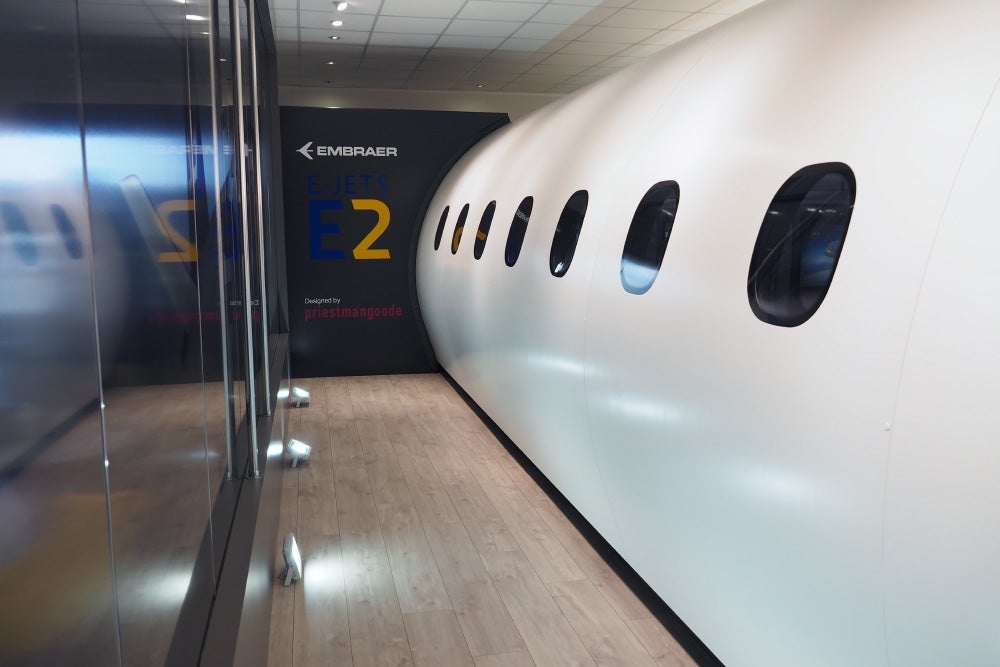
Mock-ups tend to be a bit more luxurious than what you'll actually find on a flight, as designers can work with off-the-shelf products that don't require FAA (and airline) approval.
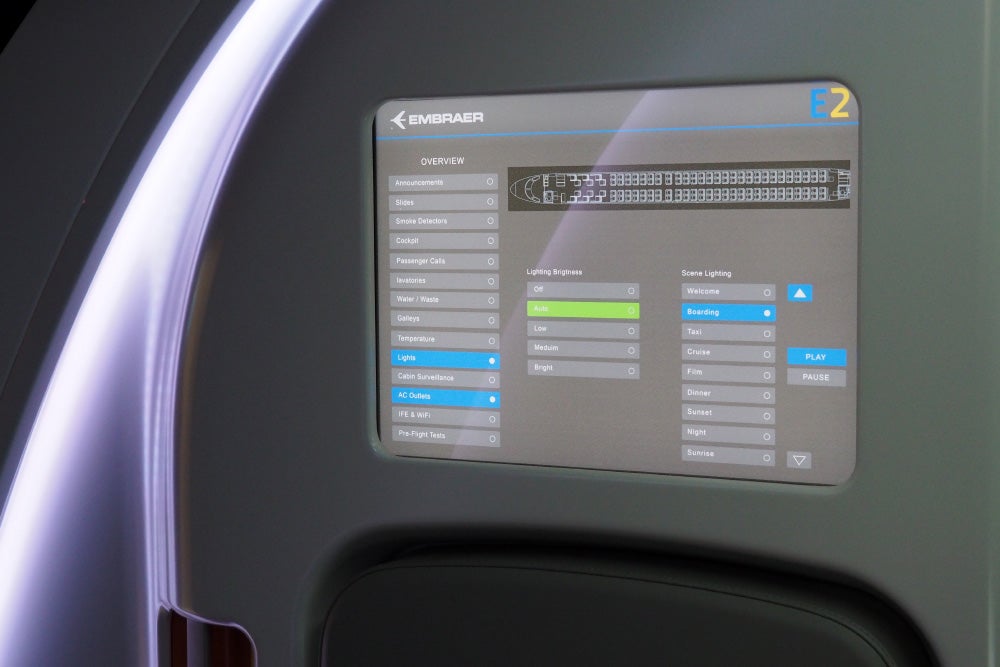
This particular mock-up demonstrates a two-class configuration with staggered seating in first class.
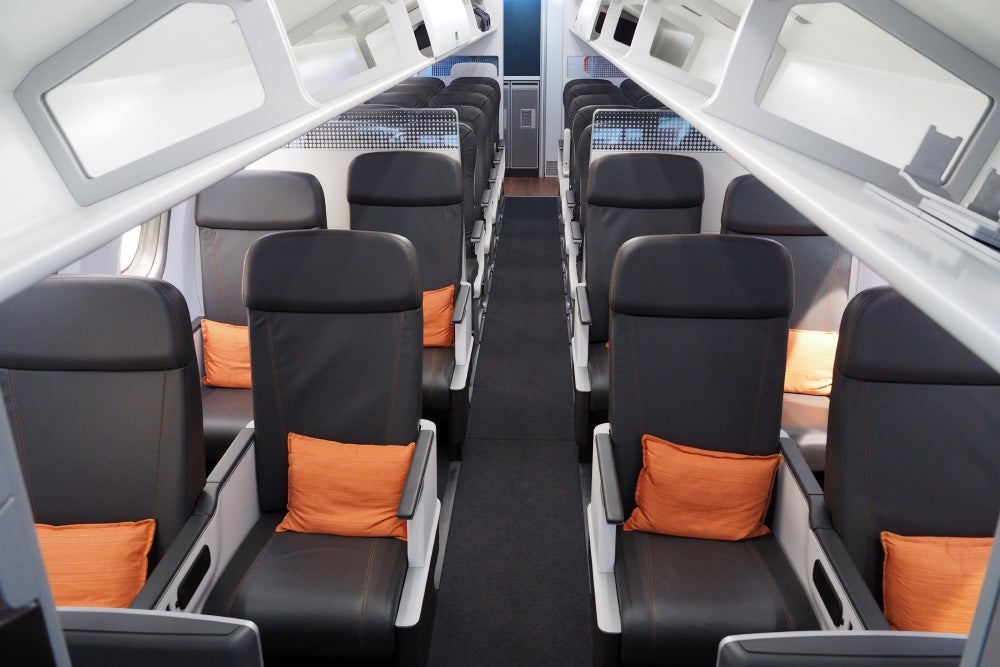
These seats provide more privacy than what you'll find in current Embraer jets, and they may not take up much more space, since airlines currently opt for a 2-1 configuration in the forward cabin.
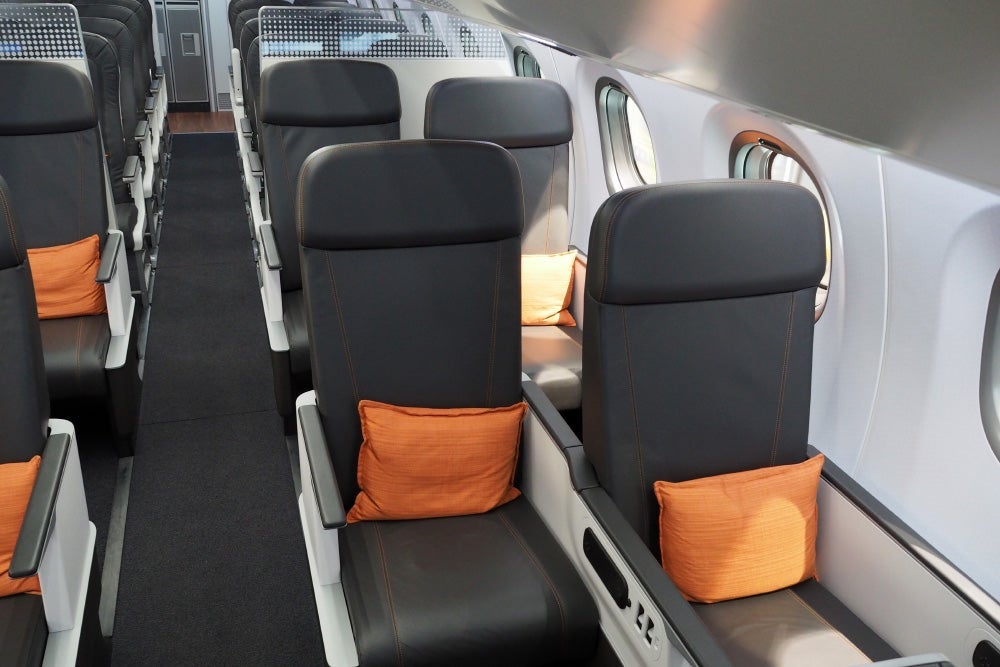
The windows feel quite large as well — hopefully Embraer will add some tech to prevent them from getting so scratched up.
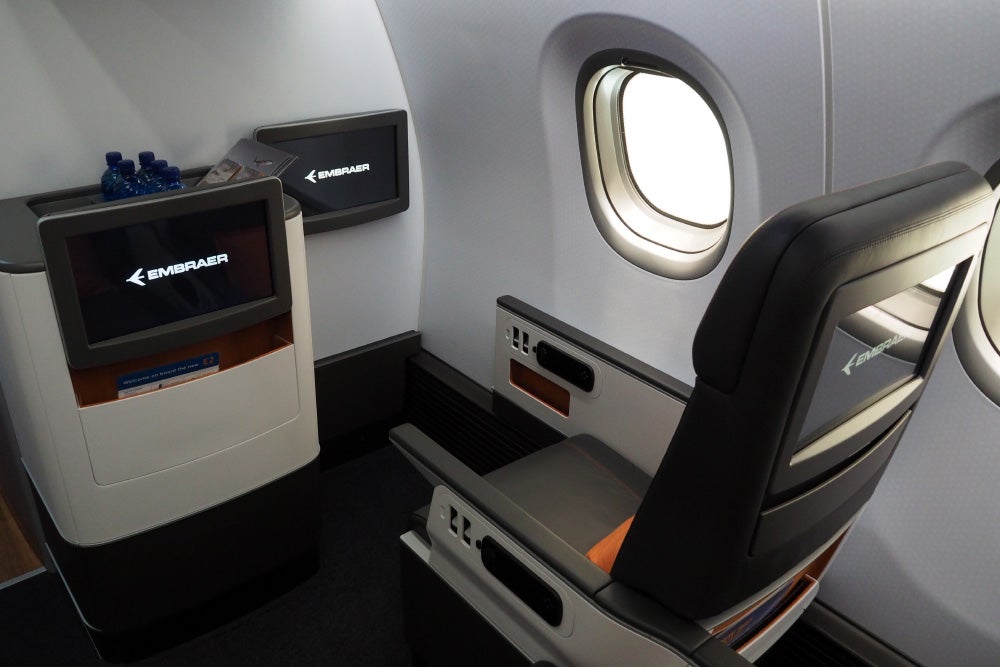
I definitely wouldn't mind flying on this regional jet!
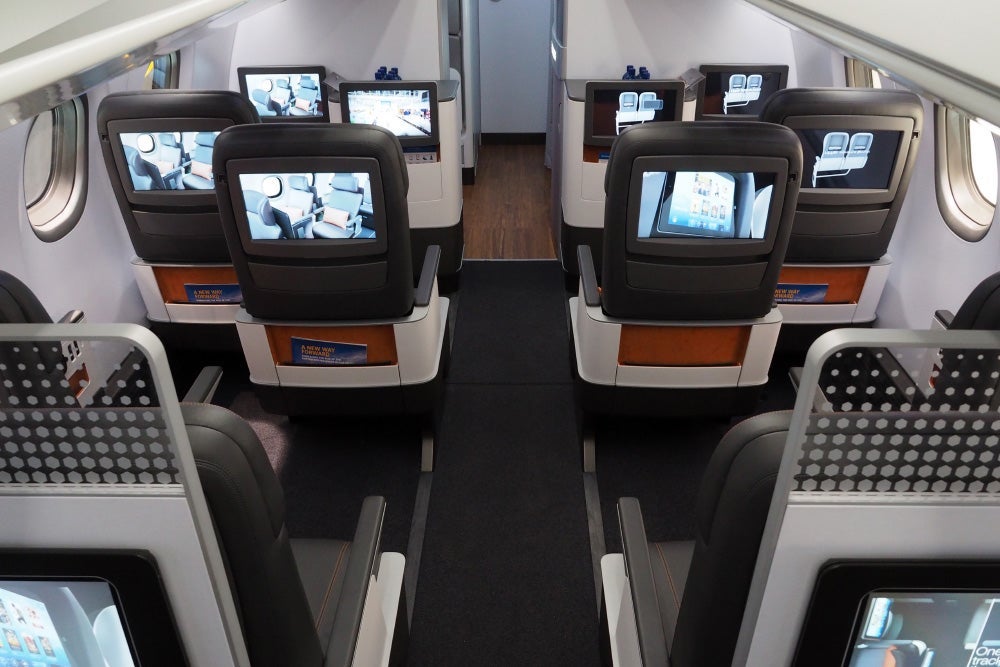
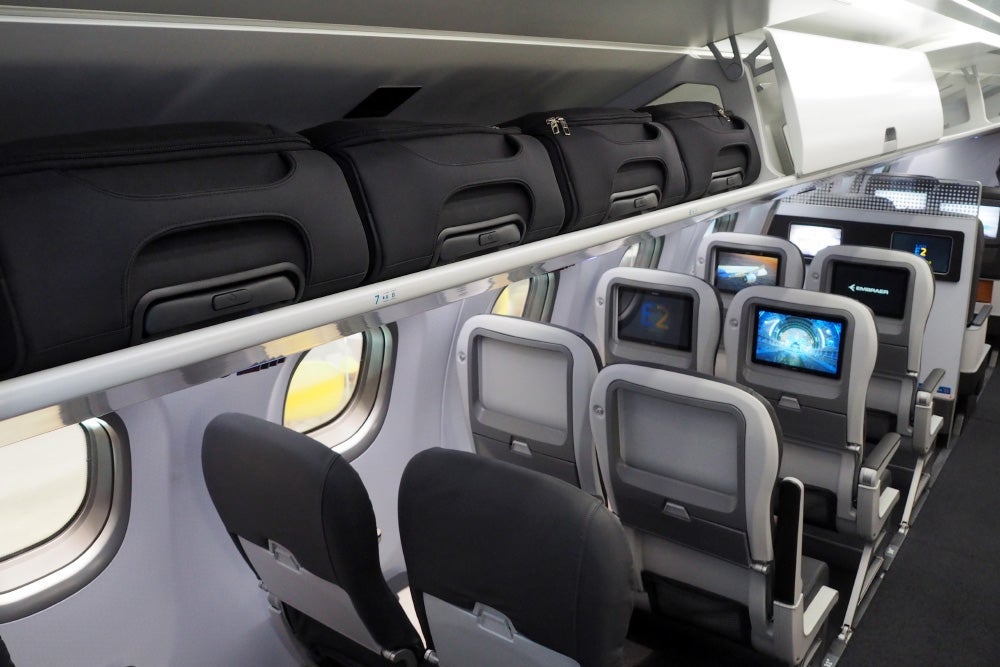
Meanwhile, the economy cabin is located just behind first class.
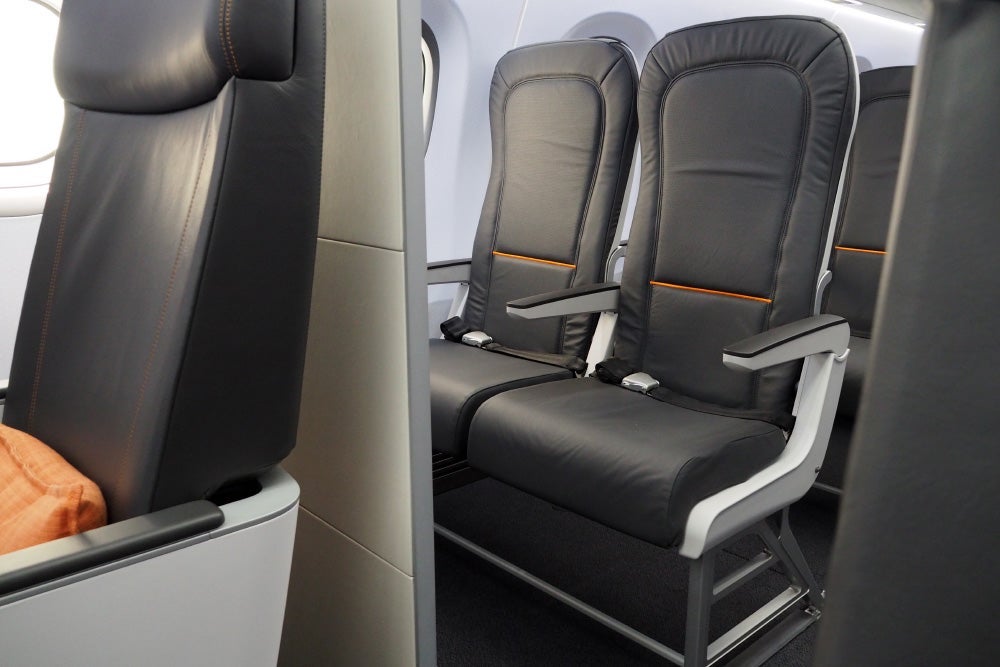
Seats here are in a 2-2 configuration, and they're similar to what you'll likely see in the air (though this cabin is noticeably shorter).
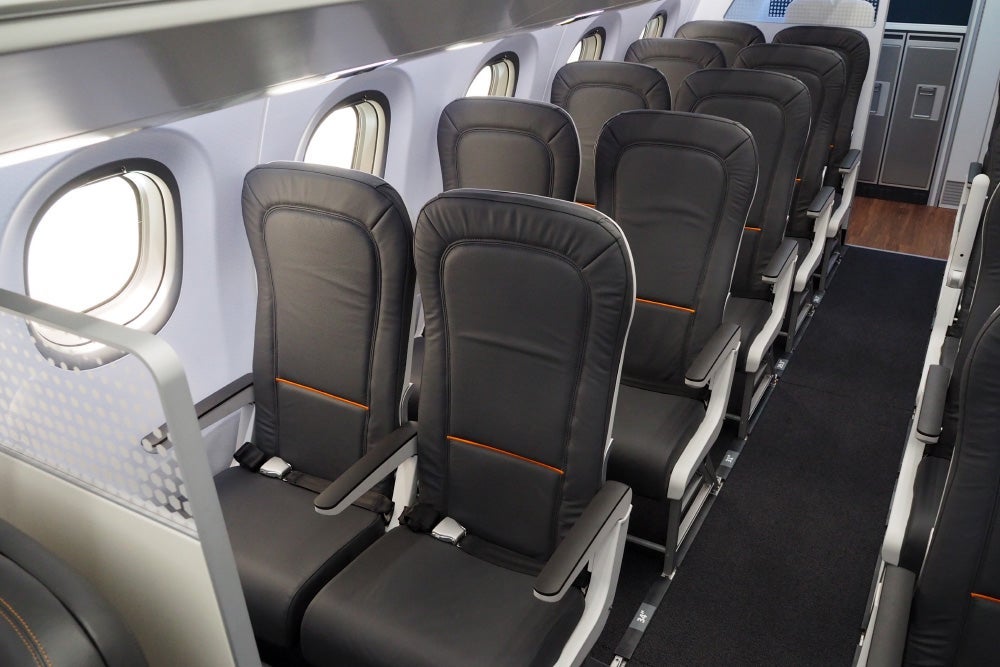
Since regional jets are typically used for very short flights, I wouldn't expect to find a lot of legroom in coach.
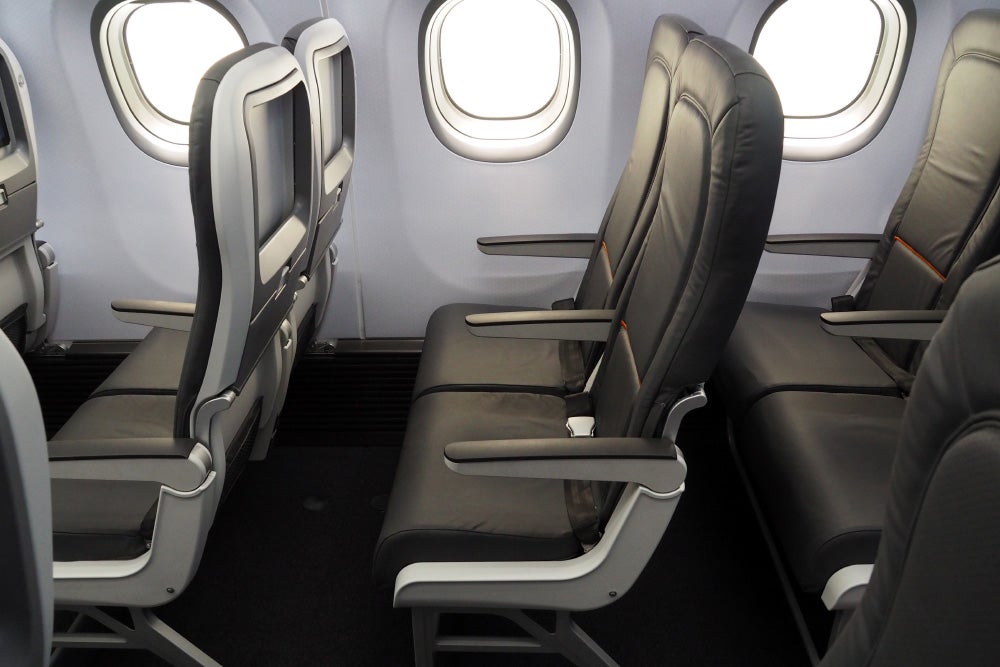
The E2 does offer plenty of luggage storage, though, so unless your carry-on is too large, you should be able to keep it with you on the plane.
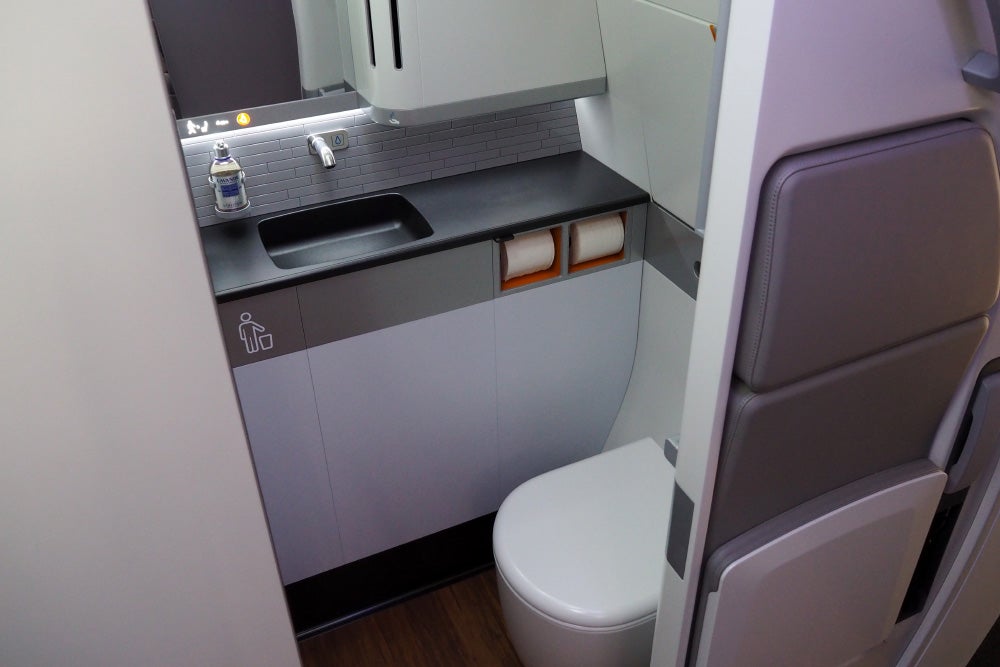
The mock-up lavatory, located at the far back of the cabin, was quite nice as well.
Bottom Line
Regional jets are a necessary evil in commercial aviation, and while they historically haven't offered the most comfortable ride, it's great to see aircraft manufacturers working hard to improve the situation.
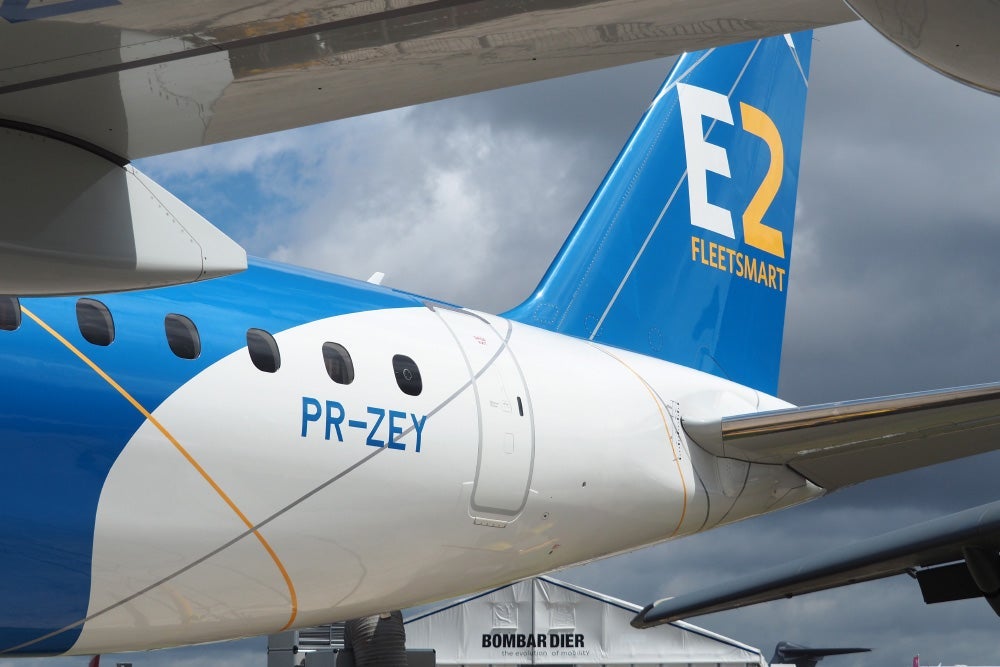
So far, US airlines have ordered more than 200 of these next-gen Embraer E2 jets, with the first expected to arrive in 2018. I'd expect the US versions to launch with an interior closely resembling what we have today — but you'll still get that new airplane smell.
See below for more from Farnborough 2016:
- Bumping into British PM David Cameron at the Farnborough Air Show
- Tour Boeing's Brand New 737 MAX, Launching with Southwest in 2017
- Inside the E2, Embraer's Next-Gen Regional Jet
- Touring the Bombardier CSeries Jet, Now Flying with Swiss
- Watch an F-35 Fighter Jet Hover at the 2016 Farnborough Air Show
- Check Out Qatar's All-Business-Class Airbus A319 Jet
- Inside the Gulfstream G650, One of the World's Fastest Business Jets
- Explore Qatar Airways' Incredible Gulfstream G650 Private Jet
- Take a Look Inside Honda's $4.5 Million Private Jet
- Comparing Economy Seat Pitch, from 29 to 34 Inches
TPG featured card
at American Express's secure site
Terms & restrictions apply. See rates & fees.
| 4X | Earn 4X Membership Rewards® points per dollar spent on purchases at restaurants worldwide, on up to $50,000 in purchases per calendar year, then 1X points for the rest of the year. |
| 4X | Earn 4X Membership Rewards® points per dollar spent at US supermarkets, on up to $25,000 in purchases per calendar year, then 1X points for the rest of the year. |
| 5X | Earn 5X Membership Rewards® points on prepaid hotel stays booked through AmexTravel.com or the Amex Travel App™. |
| 3X | Earn 3X Membership Rewards® points on flights booked through AmexTravel.com, the Amex Travel App™, or purchased directly from airlines. |
| 2X | Earn 2X Membership Rewards® points on prepaid car rentals booked through AmexTravel.com or the Amex Travel App™ and cruises booked and paid through AmexTravel.com. |
| 1X | Earn 1X Membership Rewards® point per dollar spent on all other eligible purchases. |
Pros
- Valuable dining and food-related credits
- Flexible rewards with airline and hotel transfer partners
- Multiple travel and purchase protections
- No foreign transaction fees
- Access to Amex Offers for additional savings (enrollment required)
Cons
- Not as useful for those living outside the U.S.
- Some may have trouble using Uber and other dining credits
- You may be eligible for as high as 100,000 Membership Rewards® Points after you spend $8,000 in eligible purchases on your new Card in your first 6 months of Card Membership. Welcome offers vary and you may not be eligible for an offer. Apply to know if you’re approved and find out your exact welcome offer amount – all with no credit score impact. If you’re approved and choose to accept the Card, your score may be impacted.
- Earn 4X Membership Rewards® points per dollar spent on purchases at restaurants worldwide, on up to $50,000 in purchases per calendar year, then 1X points for the rest of the year.
- Earn 4X Membership Rewards® points per dollar spent at US supermarkets, on up to $25,000 in purchases per calendar year, then 1X points for the rest of the year.
- Earn 5X Membership Rewards® points on prepaid hotel stays booked through AmexTravel.com or the Amex Travel App™.
- Earn 3X Membership Rewards® points on flights booked through AmexTravel.com, the Amex Travel App™, or purchased directly from airlines.
- Earn 2X Membership Rewards® points on prepaid car rentals booked through AmexTravel.com or the Amex Travel App™ and cruises booked and paid through AmexTravel.com.
- Earn 1X Membership Rewards® point per dollar spent on all other eligible purchases.
- Pay It® lets you tap in the American Express® App to quickly pay for small purchase amounts throughout the month and still earn rewards the way you usually do. Plan It® gives you the option to split up big purchases into equal monthly payments with a fixed fee. You’ll know upfront exactly how much you’ll pay.
- $120 Dining Credit: Earn up to a total of $10 in statement credits monthly when you pay with the Gold Card at Grubhub (including Seamless), Buffalo Wild Wings, Five Guys, The Cheesecake Factory, and Wonder. This can be an annual savings of up to $120. Enrollment required.
- $100 Resy Credit: Get up to $100 in statement credits each calendar year at over 10,000 qualifying U.S. Resy restaurants after you pay for eligible purchases with the American Express® Gold Card. That’s up to $50 in statement credits semi-annually. Enrollment required.
- $84 Dunkin' Credit: Earn up to $7 in monthly statement credits after you pay with the American Express® Gold Card at U.S. Dunkin’ locations. Enrollment required.
- $120 Uber Cash on Gold: Enjoy up to $120 in Uber Cash annually with your Gold Card. Just add your Card to your Uber account and you'll get $10 in Uber Cash each month to use on orders and rides in the U.S. when you select an Amex Card for your transaction.
- Enjoy complimentary Hertz Five Star® Status benefits like skipping the counter at select locations, adding an additional driver at no additional cost*, and vehicle upgrades**. Benefit enrollment and Hertz Gold+ registration are required. *Additional drivers must meet standard rental qualifications and must be a spouse or domestic partner to qualify as complimentary. Other additional drivers subject to fees. **Benefits are subject to availability and vary by location. Additional Hertz program Terms and Conditions including age restrictions apply.
- Book two nights or more with The Hotel Collection through AmexTravel.com or the Amex Travel App™ and receive a $100* credit towards eligible charges at over 1,400 upscale hotels worldwide. *Eligible charges vary by property.
- Book your travel through the Amex Travel App™ with added peace of mind – backed by American Express® service and support. Only for American Express® Card Members.
- Whenever you need us, we're here. Our Member Services team will ensure you are taken care of. From lost Card replacement to statement questions, we are available to help 24/7.
- No Foreign Transaction Fees.
- Annual Fee is $325.
- Terms Apply.