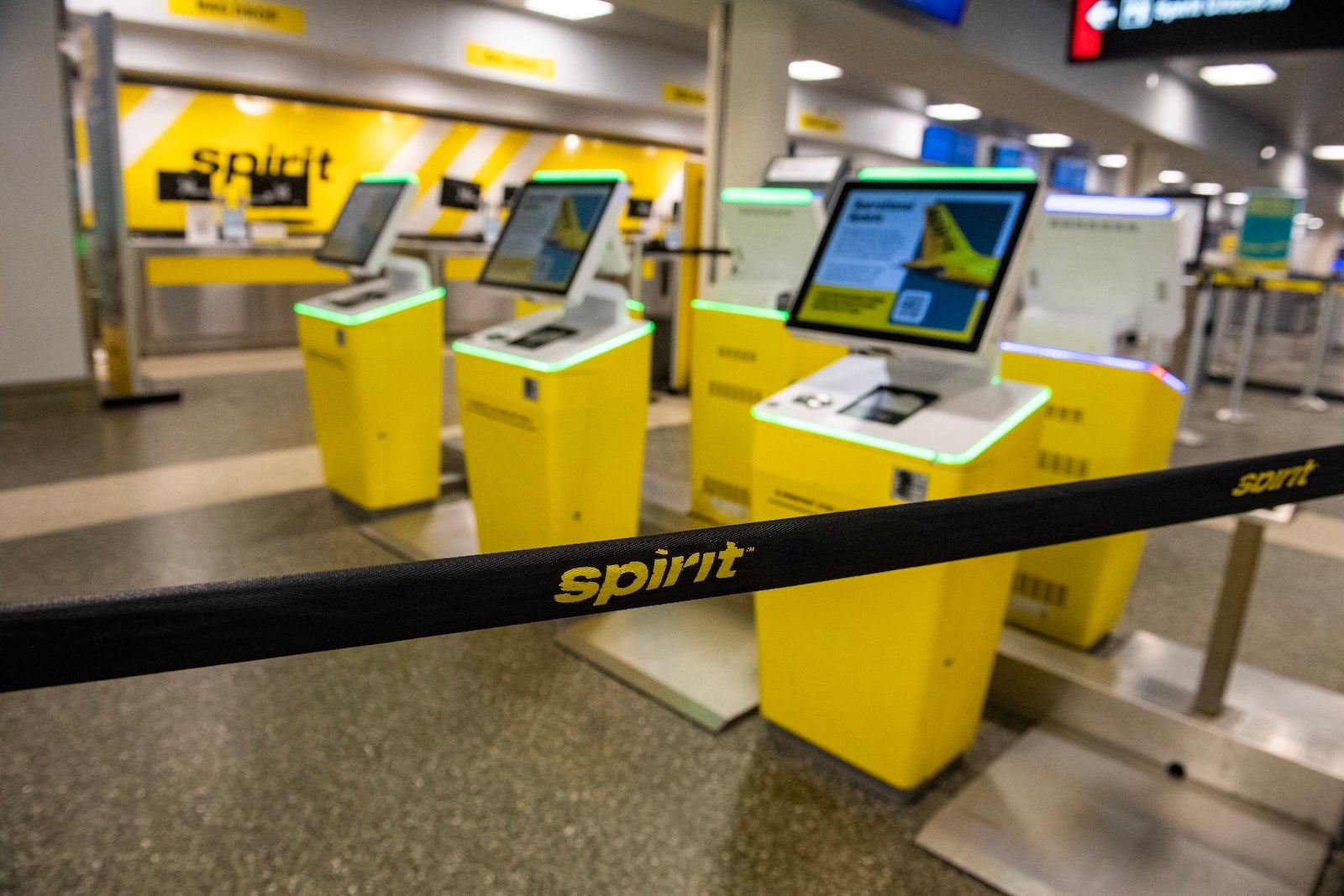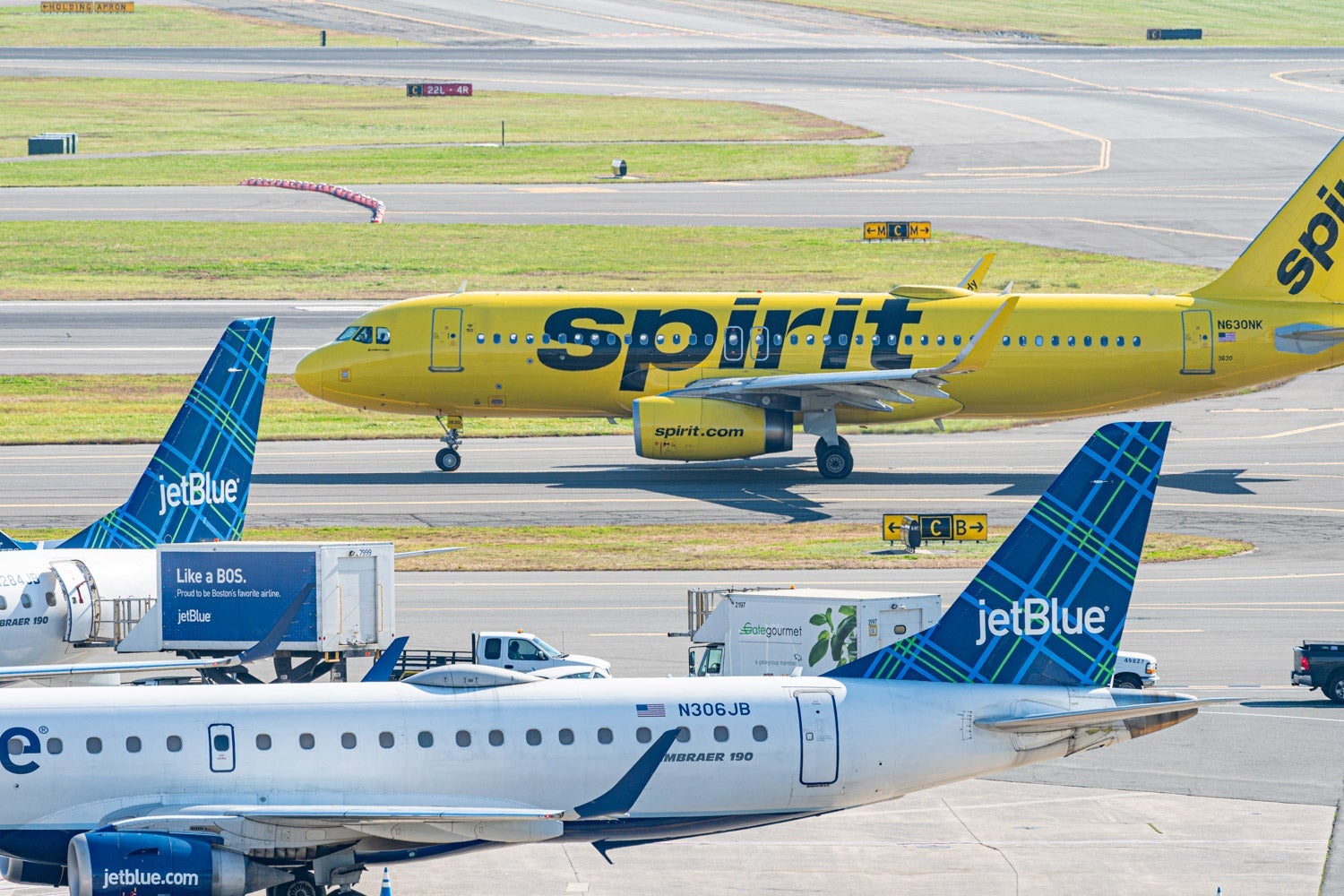

"What I can tell you is that at a policy level is we've gotta take a look at what's going on with competition across the transportation," Buttigieg said at the Roosevelt Library when asked about his thoughts on the JetBlue-Spirit merger, which is currently under trial in Boston.
Buttigieg clarified that he could not comment much on the JetBlue-Spirit merger due to the trial, but said the DOT supports the Department of Justice's view on the merger. The DOJ filed a lawsuit in March to block the JetBlue-Spirit merger, arguing that such a merger would lead to higher fares since a newly merged airline plans to reduce the overall number of seats flown by the two carriers and raise fares as ultra-low-cost carrier Spirit is integrated into JetBlue.
JetBlue has argued that it needs the merger in order to effectively compete with the four largest airlines: American Airlines, Delta Air Lines, Southwest Airlines and United Airlines.
The trial began Oct. 31 and is expected to last for 20 days. However, it could take months before a decision is issued.
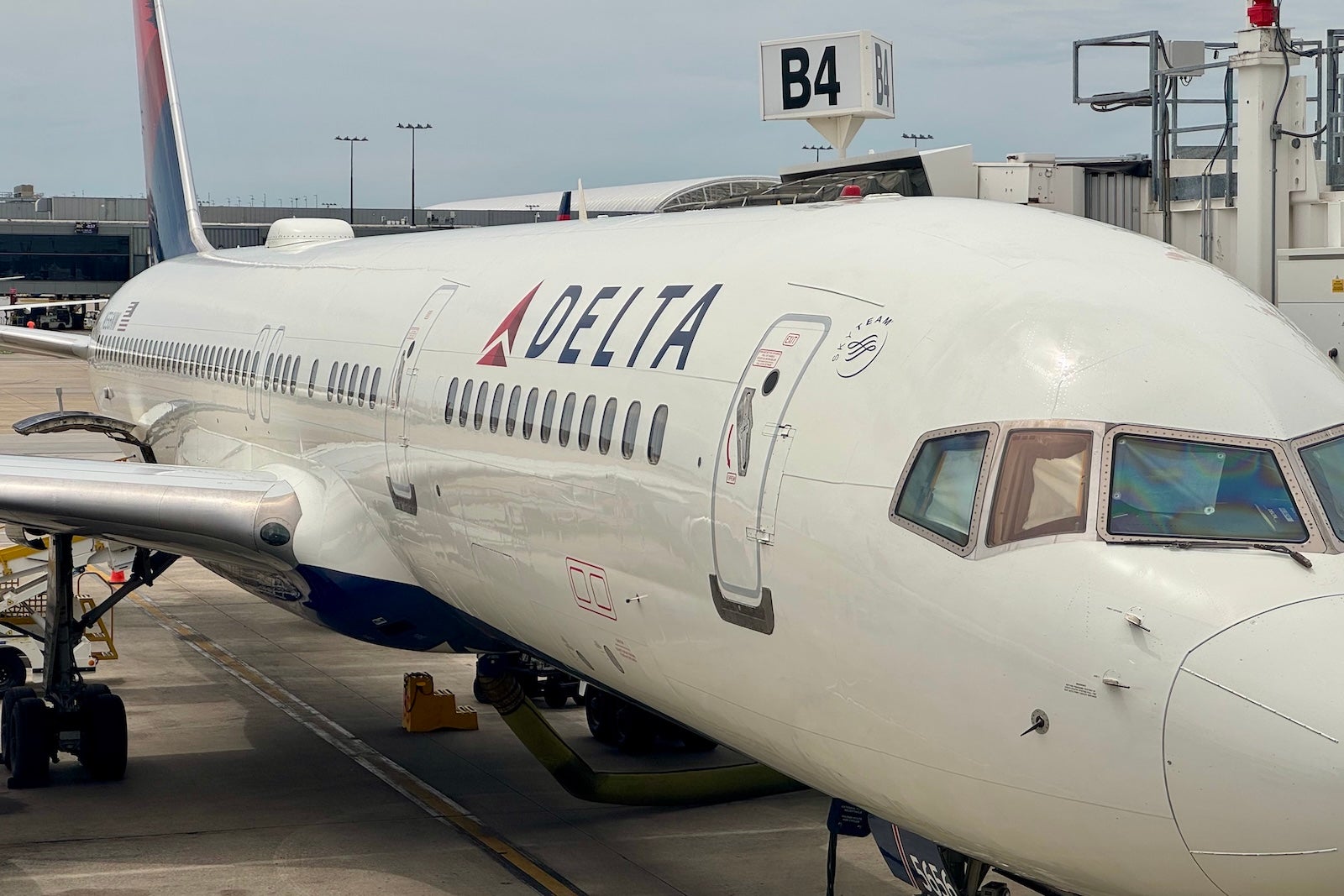
Buttigieg also pointed to the Airline Deregulation Act, a law passed in 1978 that intended to promote more competition within the airline industry as the federal government withdrew control over setting fares, routes and market entry for carriers. However, a series of mergers following the legislation has led to a heavily consolidated industry and the creation of the "Big Four" U.S. carriers, which are American, Delta, Southwest and United.
These four airlines currently dominate approximately 80% of the U.S. market.
"At the time of deregulation, it was pronounced that there would be 100 competitive airlines," Buttigieg said. "And instead, we've gone through so many mergers and you wonder one day is it just gonna be Coke and Pepsi?"
Historically, the DOT has adopted a more neutral stance on airline mergers, letting the DOJ take the lead on whether to approve or block a merger. Buttigieg's comments represent a significant departure from precedent, but at the same time, fall in line with the Biden Administration's harsher stance toward mergers, as the DOJ has sued more aggressively to block mergers across an array of industries.
Within the past two decades, the government has approved mergers like American-US Airways, United Continental, Delta-Northwest and Southwest Air-Tran. As these mergers created a heavily consolidated airline industry, smaller airlines have found it harder to expand their network.
It's unclear if the JetBlue-Spirit merger will move forward, but Buttigieg said the trial underscores the lack of competition in the airline industry.
"It doesn't mean we turn back the clock, and go back to the Civil Aeronautics Board in the fifties dictating airfares," Buttigieg said. "But let me tell you something, there's something not quite right about where we are now."
Related reading:
- When is the best time to book flights for the cheapest airfare?
- The best airline credit cards
- What exactly are airline miles, anyway?
- 6 real-life strategies you can use when your flight is canceled or delayed
- Maximize your airfare: The best credit cards for booking flights
- The best credit cards to reach elite status
- What are points and miles worth? TPG’s monthly valuations