Why is Delta disclosing Boeing 717, 767 retirement plans 5 years in advance?

Some of the most striking early images of the coronavirus pandemic's impact on aviation were the rows upon rows of jets parked at airfields around the world. So many were parked that the world's busiest airport in Atlanta even closed a runway to store Delta Air Lines planes.
Many of those aircraft are now back in the skies, but others were not as lucky as airlines reevaluated fleet plans. Some of the oldest models, including Boeing 757s and 767s at American Airlines and McDonnell Douglas MD-88s and MD-90s at Delta, were retired as air travel remained at historic low levels with anyone's guess as to when a true recovery might take hold.
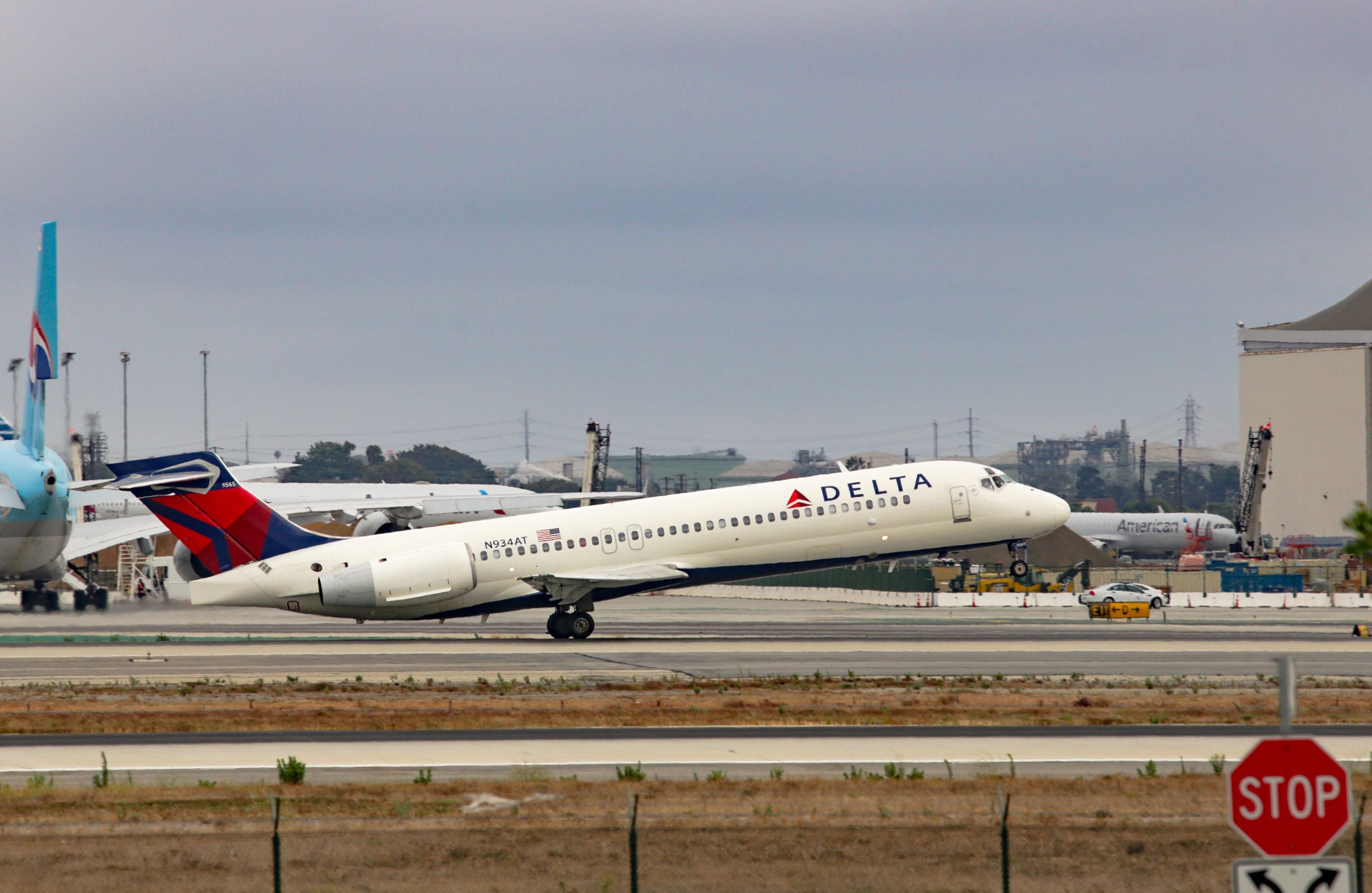
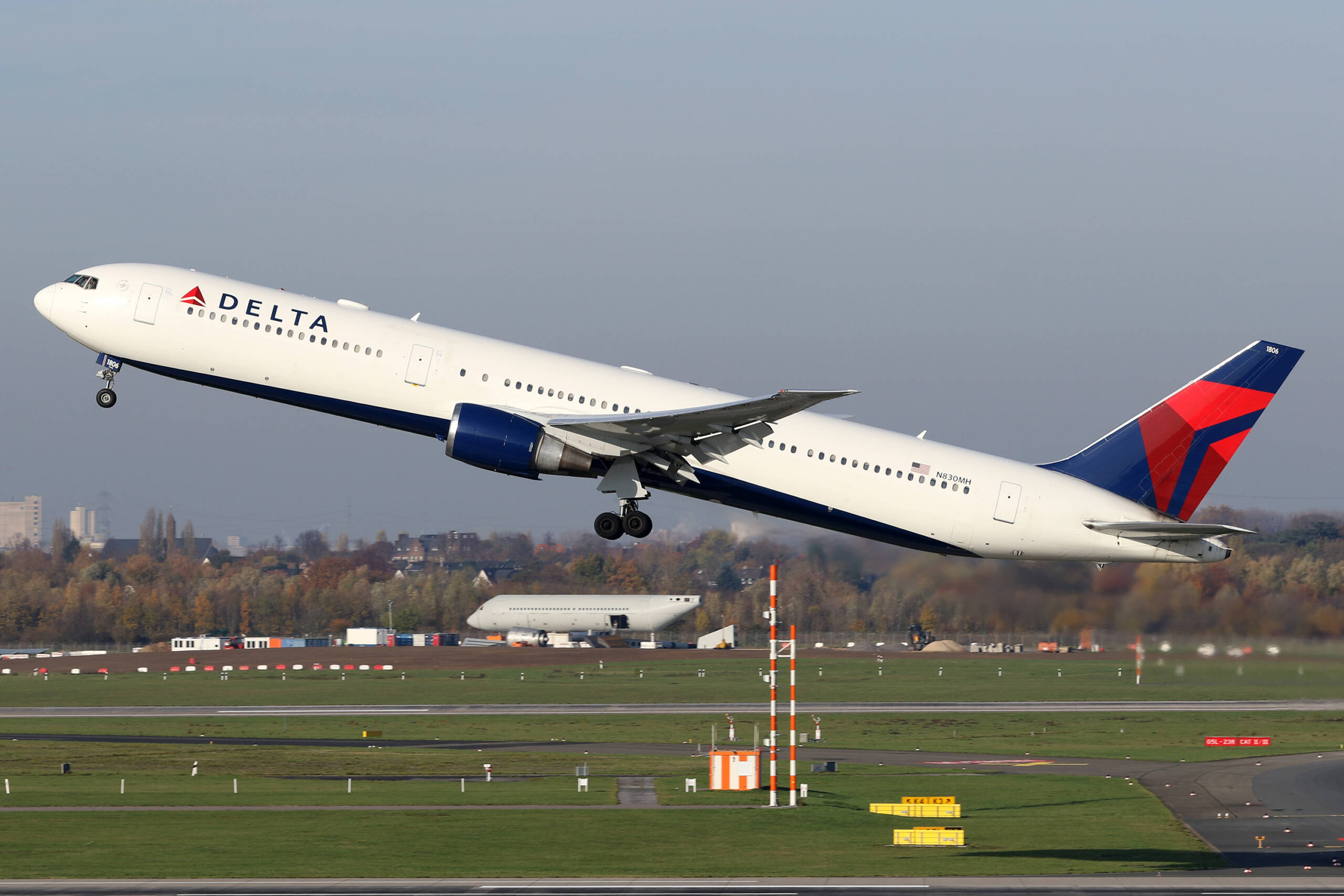
With those decisions coming just weeks after air travel essentially returned to 1950s levels, it may have come as a surprise why Delta unveiled a new round of aircraft retirements — but not for at least another three years. The airline will remove the 125 Bombardier CRJ200s at Delta Connection affiliates by the end of 2023; and its 91 Boeing 717s and 49 remaining 767-300ERs by end-2025.
Sign up for the free daily TPG newsletter for more airline news!
"Whilst demand is weak at present it is not so weak that the aircraft could all be removed from service immediately," Cirium global head of consultancy Rob Morris told TPG.
By Morris' calculations, 2025 is roughly the time when Delta will have enough new aircraft — namely Airbus A220s and A330-900s — in its fleet to replace both the 717s and 767s on a one-for-one basis. His analysis considered the roughly 47 717s and 17 767-300ERs that Cirium's Fleets Analyzer shows are flying now and not stored, he added.
Waiting for a replacement jet makes some sense. While Delta may not need all of its 717s or 767s today — the airline will fly about 40% of what it did a year ago in the third quarter — it is likely to need them in the next few years. In addition, it costs an airline more to operate a small fleet of a plane type, thus making it necessary to keep a critical mass flying until the latest date possible.
Related: Delta moves up Boeing 717, many 767 retirements amid coronavirus fleet reset
Delta's decision to retire its 777s offers an example of this. The carrier only decided to retire the small fleet of 18 jets after determining that it would enough new Airbus A350s with range-extending modifications to continue flying all the routes it flew with the 777. The only exception was Johannesburg, South Africa (JNB). But Delta made that work by adding a stop in Cape Town (CPT) on the return leg to the U.S. — adding a new dot to its route map in the process.

Airline fleet plans are of interest to more than just the carriers themselves. Investors and the orbit of companies around airlines also demand them for their own projections on carriers' outlook.
"They're businesses just like any other and they have to provide financial planning for investors and regulators just like anyone else," Teal Group analyst Richard Aboulafia told TPG. Asked if five years was unusual, he said no and pointed out that many analyst forecasts go out 10 years.
Related: Delta sets tentative date for first flight of larger Airbus A220-300
Indeed, Delta has released long-term fleet changes before. After 9/11, the airline accelerated the retirement of its Boeing 727 fleet by two years to 2003 from 2005 as a result of the attacks, according to its 2001 annual report.
However, these multi-year retirement dates can prove more a guideline than a hard and fast timetable. Delta also said it would retire its McDonnell Douglas MD-11 and MD-90 fleets by 2010 in the same annual report. While the MD-11s left earlier than forecast in 2004, the MD-90s only departed in June — a full decade later than planned.
Could that happen again? Who knows if, with only an average age of 18.8 years, a sudden return in air travel could prompt Delta to keep the 717s around through at least the end of the decade.
"We'll be reporting back in 2025 to see if the airline followed through," Brett Snyder, who runs the Cranky Flier aviation site and Cranky Concierge service, wrote about the Delta news in his Cranky Daily newsletter on Sept. 28.
Related: Delta will add Cape Town service to keep Johannesburg flights going with the Airbus A350
Delta's 717 and 767 disclosure shows that airline fleets are still very much in flux. United Airlines has yet to finalize any retirements — though it has put some of its 757s and all of its 767-400ERs in storage indefinitely — even as analysts expect it to permanently remove up to 200 jets.
Cowen analyst Helane Becker expects United to retire its 54 767s as a result of the crisis. However, such a move could occur over several years as the airline replaces the jets with new Boeing 787s.
Similarly, analysts expect COVID-19 to accelerate the retirement of Airbus A320s at Alaska Airlines, Embraer E190s at JetBlue Airways, and 737-700s at Southwest Airlines. None of these changes are expected to happen immediately, but could occur over the next several years.
Flyers best add more fleet adjustments to the likely furloughs and certain route map changes to the list of things yet to come during the pandemic.
Related: These are the 1,000 jets that US airlines could end up retiring
TPG featured card

at Capital One's secure site
Terms & restrictions apply. See rates & fees.
| 5X miles | Earn 5X miles on hotels, vacation rentals and rental cars booked through Capital One Travel |
| 2X miles | Earn unlimited 2X miles on every purchase, every day |
Pros
- Stellar welcome offer of 75,000 miles after spending $4,000 on purchases in the first three months from account opening. Plus, a $250 Capital One Travel credit to use in your first cardholder year upon account opening.
- You'll earn 2 miles per dollar on every purchase, which means you won't have to worry about memorizing bonus categories
- Rewards are versatile and can be redeemed for a statement credit or transferred to Capital One’s transfer partners
Cons
- Highest bonus-earning categories only on travel booked via Capital One Travel
- LIMITED-TIME OFFER: Enjoy $250 to use on Capital One Travel in your first cardholder year, plus earn 75,000 bonus miles once you spend $4,000 on purchases within the first 3 months from account opening - that’s equal to $1,000 in travel
- Earn unlimited 2X miles on every purchase, every day
- Earn 5X miles on hotels, vacation rentals and rental cars booked through Capital One Travel
- Miles won't expire for the life of the account and there's no limit to how many you can earn
- Receive up to a $120 credit for Global Entry or TSA PreCheck®
- Use your miles to get reimbursed for any travel purchase—or redeem by booking a trip through Capital One Travel
- Enjoy a $50 experience credit and other premium benefits with every hotel and vacation rental booked from the Lifestyle Collection
- Transfer your miles to your choice of 15+ travel loyalty programs
- Top rated mobile app