This is likely the real reason some cruise lines are returning to in-person muster drills — and it has nothing to do with safety


Is the way many cruise lines handle safety drills at the start of sailings unsafe?
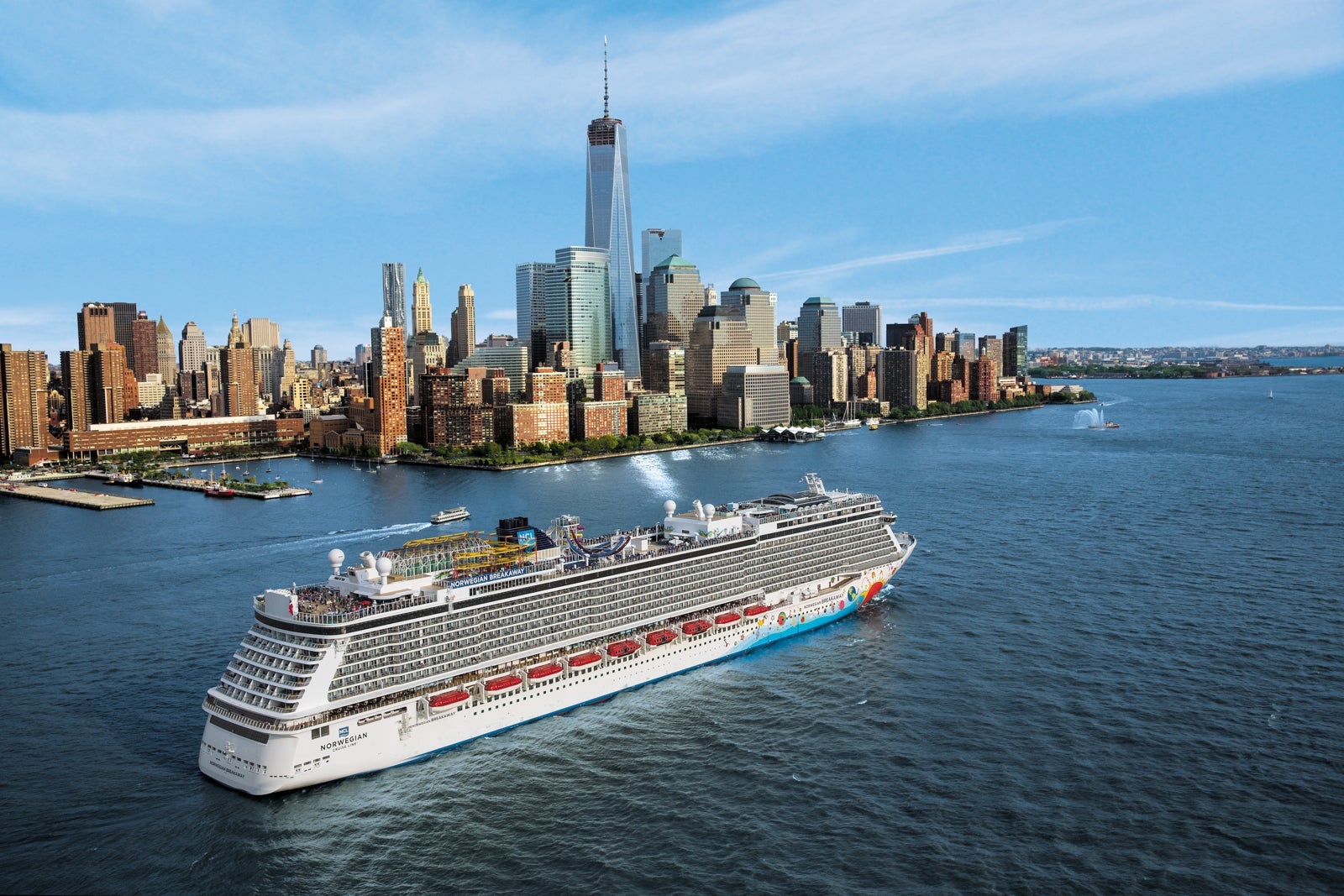
One of the world's biggest cruise operators, Norwegian Cruise Line, suggested as much last week when it changed the way it handled safety briefings on ships.
In a short and somewhat vaguely worded statement, the line cited "the safety of our guests and crew" as the impetus for an abrupt return to mandatory in-person safety drills, known as muster drills, for passengers at the start of sailings.
The in-person drills will take the place of "e-muster" drills that involve passengers reviewing safety information electronically on their smartphones or on cabin televisions on embarkation day.
Still, if there is a safety issue with e-mustering, it's not something that most other lines are seeing, nor is the U.S. Coast Guard, which reviews safety plans for cruise ships.
Over the past four years, many cruise lines have switched from in-person muster drills to e-mustering, calling it a major improvement for passenger comfort while also a better way to do safety briefings from a safety point of view.
The world's two biggest cruise brands, Royal Caribbean and Carnival Cruise Line, have both said in recent days that they would continue offering e-muster safety briefings on ships, suggesting that it was an innovation of recent years that enhanced passenger safety.
In a statement sent to TPG, Carnival hinted at what could be the real reason that Norwegian is doing away with e-mustering on ships: It requires more staffing to do.
Cruise lines that use e-mustering must position crew members at muster stations for several hours on the first day of a cruise so that passengers can visit the stations for a brief orientation — a requirement of e-mustering. The result is that a significant number of crew members are tied up on embarkation day with the e-mustering process.

Related: The ultimate guide to Norwegian Cruise Line
"E-muster requires more staffing resources," Carnival noted in its statement to TPG. "But our experience with the e-muster process has been extremely positive, and we are able to provide our guests with critical safety information in a more individualized manner, including them understanding very specifically where their muster station is and how to get to it."
In other words, Carnival sees the e-muster process as, if anything, safer than the old style of in-person mustering.
"Our implementation [of e-mustering] has also received very positive feedback from the U.S. Coast Guard and other safety experts, as well as generated positive comments for effectiveness from our guests during our post-cruise survey results," Carnival added in its statement to TPG. "We will continue to utilize our e-mustering process while always looking for ways to improve its effectiveness."
In a statement to TPG, Royal Caribbean Group also suggested e-mustering was a better way of doing safety briefings on ships than in-person muster drills.
"Royal Caribbean Group created and implemented the Muster 2.0 experience to improve safety onboard, and enhance the overall guest experience," the company said in the statement. "Royal Caribbean Group and its brands have no plans to change its Muster 2.0 experience, which has received overwhelmingly positive feedback from guests worldwide."
Royal Caribbean Group is the parent company of Royal Caribbean, Celebrity Cruises and Silversea Cruises. It also owns a partial interest in Germany's TUI Cruises and Hapag-Lloyd Cruises.
Related: The 8 types of Norwegian Cruise Line ships, explained
Norwegian did not mention staffing issues or cost-cutting in its statement. However, the line's move away from e-mustering comes as it is cutting costs in several other onboard areas by reducing passenger service and amenities.
In recent weeks, Norwegian announced that room stewards on its ships would no longer tidy up cabins twice a day, cutting the servicing of rooms fleetwide to just once per day. It brings to an end an elevated level of service that has been a hallmark of the line for decades.
The line has also recently cut entertainment offerings on ships, closing big-name production shows on vessels, such as "Kinky Boots," that were hallmarks of the brand.
The cutbacks have come even as Norwegian has sharply hiked fees for onboard service as well as other onboard fees. The line pushed through an unprecedented 25% hike in service fees for passengers in most cabins on Jan. 1.
The brand also recently increased the cost of its Unlimited Open Bar Beverage Package by about 10%, to $109. The cost of a higher-end drinks package shot up to $138 — the highest level for a drinks package in the cruise business.
The cutbacks to service and hikes to fees are occurring as Norwegian's parent company, Norwegian Cruise Line Holdings, is trying to restore its balance sheet after three years of massive losses. The company also recently laid off about 9% of its shoreside staff.
Other than its short statement on the topic, Norwegian would not comment to TPG about its elimination of e-mustering on ships.
Related: Why we love Norwegian Cruise Line's new Norwegian Prima
"The safety of our guests and crew members is our number one priority," was the specific wording of Norwegian's statement. "We continuously evaluate our procedures for providing detailed instructions on safety and security measures to our guests, and as such have made the decision to reinstate synchronized, in-person muster drills on embarkation day across all vessels within the fleet."
A spokesperson for Norwegian told TPG the line had nothing to add on the topic at this time.
In addition to Norwegian Cruise Line, two sister brands owned by Norwegian Cruise Line Holdings — Oceania Cruises and Regent Seven Seas Cruises — also have returned to in-person muster drills.
One other major line, Disney Cruise Line, also switched back to in-person muster drills in November, citing safety.
"We regularly review our processes and made the decision to return to in-person assembly drills in November to ensure all crew members and guests are fully aware of our safety procedures in the event of an emergency," the line said in a statement sent to TPG.
Royal Caribbean Group was the first cruise company to implement an e-mustering system on ships, after developing the technology over the past decade. The new system has won widespread praise from cruise passengers and industry watchers, including an innovation award from TPG.
Planning a cruise? Start with these stories:
- The 5 most desirable cabin locations on any cruise ship
- The 8 worst cabin locations on any cruise ship
- A quick guide to the most popular cruise lines
- 21 tips and tricks that will make your cruise go smoothly
- 15 ways cruisers waste money
- The 15 best cruise ships for people who never want to grow up
- What to pack for your first cruise
TPG featured card

at American Express's secure site
Terms & restrictions apply. See rates & fees.
| 3X | Earn 3X Miles on Delta purchases. |
| 1X | Earn 1X Miles on all other eligible purchases. |
Pros
- Delta SkyClub access when flying Delta
- Annual companion ticket for travel on Delta (upon renewal)
- Ability to earn MQDs through spending
- Various statement credits for eligible purchases
Cons
- Steep annual fee of $650
- Other Delta cobranded cards offer superior earning categories
- Earn 100,000 Bonus Miles after you spend $6,000 or more in purchases with your new Card within the first 6 months of Card Membership and an additional 25,000 bonus miles after you make an additional $3,000 in purchases on the Card within your first 6 months, starting from the date that your account is opened. Offer Ends 04/01/2026.
- Delta SkyMiles® Reserve American Express Card Members receive 15 Visits per Medallion® Year to the Delta Sky Club® when flying Delta and can unlock an unlimited number of Visits after spending $75,000 in purchases on your Card in a calendar year. Plus, you’ll receive four One-Time Guest Passes each Medallion Year so you can share the experience with family and friends when traveling Delta together.
- Enjoy complimentary access to The Centurion® Lounge in the U.S. and select international locations (as set forth on the Centurion Lounge Website), Sidecar by The Centurion® Lounge in the U.S. (see the Centurion Lounge Website for more information on Sidecar by The Centurion® Lounge availability), and Escape Lounges when flying on a Delta flight booked with the Delta SkyMiles® Reserve American Express Card. § To access Sidecar by The Centurion® Lounge, Card Members must arrive within 90 minutes of their departing flight (including layovers). To access The Centurion® Lounge, Card Members must arrive within 3 hours of their departing flight. Effective July 8, 2026, during a layover, Card Members must arrive within 5 hours of the connecting flight.
- Receive $2,500 Medallion® Qualification Dollars with MQD Headstart each Medallion Qualification Year and earn $1 MQD for each $10 in purchases on your Delta SkyMiles® Reserve American Express Card with MQD Boost to get closer to Status next Medallion Year.
- Enjoy a Companion Certificate on a Delta First, Delta Comfort, or Delta Main round-trip flight to select destinations each year after renewal of your Card. The Companion Certificate requires payment of government-imposed taxes and fees of between $22 and $250 (for itineraries with up to four flight segments). Baggage charges and other restrictions apply. Delta Basic experiences are not eligible for this benefit.
- $240 Resy Credit: When you use your Delta SkyMiles® Reserve American Express Card for eligible purchases with U.S. Resy restaurants, you can earn up to $20 each month in statement credits. Enrollment required.
- $120 Rideshare Credit: Earn up to $10 back in statement credits each month after you use your Delta SkyMiles® Reserve American Express Card to pay for U.S. rideshare purchases with select providers. Enrollment required.
- Delta SkyMiles® Reserve American Express Card Members get 15% off when using miles to book Award Travel on Delta flights through delta.com and the Fly Delta app. Discount not applicable to partner-operated flights or to taxes and fees.
- With your Delta SkyMiles® Reserve American Express Card, receive upgrade priority over others with the same Medallion tier, product and fare experience purchased, and Million Miler milestone when you fly with Delta.
- Earn 3X Miles on Delta purchases and earn 1X Miles on all other eligible purchases.
- No Foreign Transaction Fees. Enjoy international travel without additional fees on purchases made abroad.
- $650 Annual Fee.
- Apply with confidence. Know if you're approved for a Card with no impact to your credit score. If you're approved and you choose to accept this Card, your credit score may be impacted.
- Terms Apply.
- See Rates & Fees