So long, solitude: The world's biggest cruise ships are getting more crowded by the week

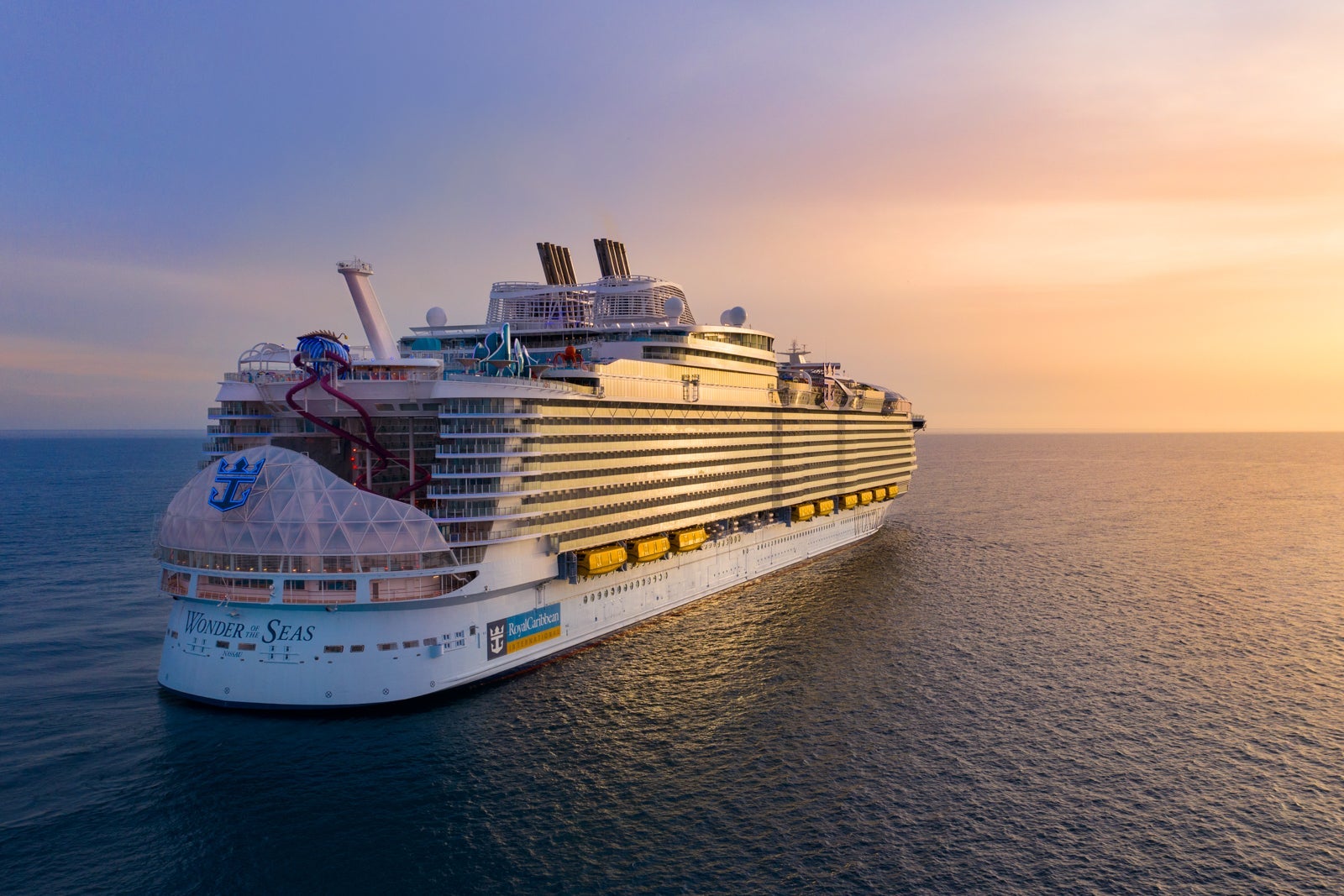
The world's biggest cruise ships are back to sailing mostly full.
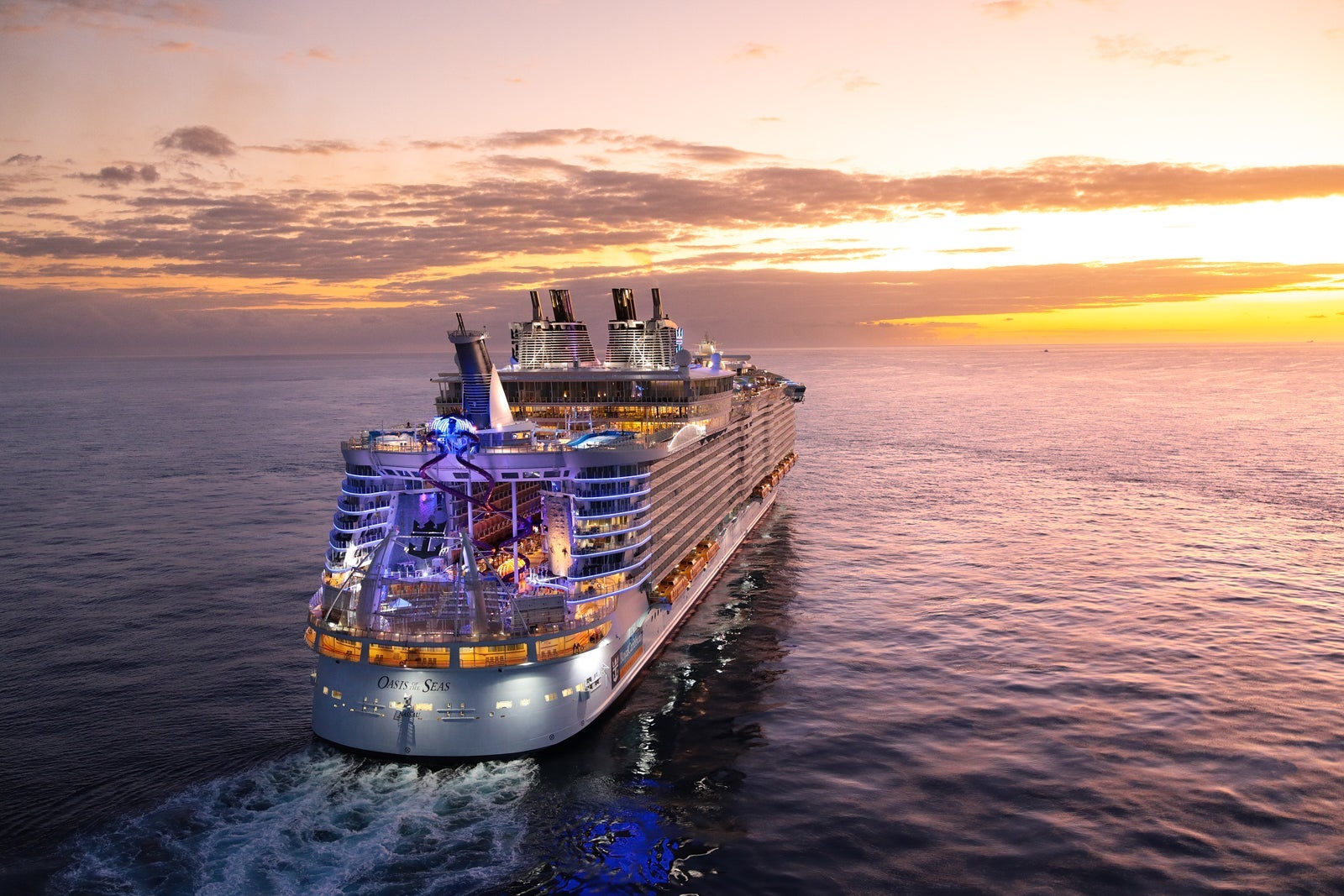
Royal Caribbean CEO Michael Bayley on Thursday said occupancy levels on the line's five giant Oasis Class ships — the five biggest cruise vessels ever built — had been running above 80% in recent weeks. Other vessels in the megaship brand's fleet also have been seeing high occupancies as of late, he said.
"We've had ships sailing at 100% into the Caribbean market on our short [cruise] product," Bayley said during a conference call with Wall Street analysts. "And as we head toward Memorial Day weekend, we are going to see a significant percentage of our ships sailing at 100% and greater."
Bayley's comments came after Royal Caribbean's parent company, Royal Caribbean Group, reported that occupancy levels on its ships had been growing month-by-month since the start of the year. Occupancy averaged about 57% during the first quarter of the year but rose to 68% by the end of March, the company said.
The company said it expected occupancy levels to average 75% to 80% in the current quarter across all of its brands.
Royal Caribbean Group is the parent company of its namesake Royal Caribbean brand as well as Celebrity Cruises and Silversea Cruises. It also owns a partial stake in Europe-based TUI Cruises and Hapag-Lloyd Cruises.
Royal Caribbean Group's report on occupancy levels, which came as the company reported first quarter earnings, was the latest sign that the days of sailing on unusually uncrowded ships are coming to an end.
Related: Loving the uncrowded ships? Get ready for a change
Historically, most cruise ships operated by major cruise companies such as Royal Caribbean Group have sailed at occupancies close to 100%. The industry has traditionally followed a business model built around managing bookings to ensure ships are always full.

But occupancy rates on cruise ships have been far below normal over the past year as the industry slowly bounced back from a months-long, COVID-19-related shutdown.
Some ships initially sailed with just 20% or 30% of normal passenger loads, as TPG reporters saw first hand while covering the restart of cruising over the past year.
Royal Caribbean Group and other major cruise companies such as Carnival Corporation and Norwegian Cruise Line Holdings initially capped occupancy on ships as part of a strategy to reduce COVID-19 transmission between passengers. Cruise ship occupancy subsequently remained lower than normal in part due to the hesitancy of some consumers to book cruises during the various waves of the COVID-19 pandemic.
Related: The ultimate guide to picking a cruise line
As consumers have become more confident in booking cruises, occupancy has risen.
Royal Caribbean executives on Thursday suggested that occupancy levels had been bouncing back most strongly for sailings to the Caribbean but less strongly for sailings in Europe.
Cruises departing from ports that North Americans can reach by car (sometimes called "drive-to cruises" in the industry) are in particularly high demand — a sign that cruisers are still looking to stay somewhat local as they begin traveling again.
"What we've seen in terms of demand in the American market for the drive-to products ... has been really strong," Bayley said.
Demand for cruises in Europe in recent months, by contrast, have been hurt by customer worries about getting trapped overseas if they test positive for COVID-19. The U.S. government requires that anyone flying into the country, even American citizens, test negative for COVID-19 before being allowed to enter.
"It is our expectation in Europe for our load factors [for the summer] to be lower," Royal Caribbean Group CEO Jason Liberty said during the conference call. "Some of it is very much related to [trying to hold the line on prices], but some of it also relates to the testing requirement to come back into the U.S. for Americans ... those things weigh on the consumer in terms of their travel expectations."
Liberty and other executives also said the war in Ukraine had had an effect on demand for European travel.
Liberty said he expected occupancy across the line's ships to remain below 100% during the third quarter of the year — traditionally the most profitable time of year for the cruise industry.
Still, Liberty said occupancy overall was likely to continue to build month-by-month throughout the year, and he said he expected ships to run more than 100% full by the end of the year — something possible when more than two people stay in some cabins.
Cruise companies consider a ship to be 100% occupied when two people are staying in every cabin. Most cabins on cruise ships have two main "berths," as cruise companies call bed spaces. Some cabins also have pull-down bunks or sofa beds that allow for more occupants.
"We're going to be building up through the back half of this year to that triple digit [occupancy percentage] mark," Liberty said.
Liberty noted that the company was seeing more close-in bookings than normal, and he suggested the long-term outlook for travel is strong. People want to get back to traveling.
"We continue to see strong demand for leisure travel and cruising," Liberty said. "The robust, secular trend of experiences over things that propelled our business in the past years is now recovering toward pre-COVID levels."
Planning a cruise? Start with these stories:
- The 5 most desirable cabin locations on any cruise ship
- The 8 worst cabin locations on any cruise ship
- A quick guide to the most popular cruise lines
- 21 tips and tricks that will make your cruise go smoothly
- 15 ways cruisers waste money
- 12 best cruises for people who never want to grow up
- What to pack for your first cruise
TPG featured card

at American Express's secure site
Terms & restrictions apply. See rates & fees.
| 3X | Earn 3X Miles on Delta purchases. |
| 1X | Earn 1X Miles on all other eligible purchases. |
Pros
- Delta SkyClub access when flying Delta
- Annual companion ticket for travel on Delta (upon renewal)
- Ability to earn MQDs through spending
- Various statement credits for eligible purchases
Cons
- Steep annual fee of $650
- Other Delta cobranded cards offer superior earning categories
- Earn 100,000 Bonus Miles after you spend $6,000 or more in purchases with your new Card within the first 6 months of Card Membership and an additional 25,000 bonus miles after you make an additional $3,000 in purchases on the Card within your first 6 months, starting from the date that your account is opened. Offer Ends 04/01/2026.
- Delta SkyMiles® Reserve American Express Card Members receive 15 Visits per Medallion® Year to the Delta Sky Club® when flying Delta and can unlock an unlimited number of Visits after spending $75,000 in purchases on your Card in a calendar year. Plus, you’ll receive four One-Time Guest Passes each Medallion Year so you can share the experience with family and friends when traveling Delta together.
- Enjoy complimentary access to The Centurion® Lounge in the U.S. and select international locations (as set forth on the Centurion Lounge Website), Sidecar by The Centurion® Lounge in the U.S. (see the Centurion Lounge Website for more information on Sidecar by The Centurion® Lounge availability), and Escape Lounges when flying on a Delta flight booked with the Delta SkyMiles® Reserve American Express Card. § To access Sidecar by The Centurion® Lounge, Card Members must arrive within 90 minutes of their departing flight (including layovers). To access The Centurion® Lounge, Card Members must arrive within 3 hours of their departing flight. Effective July 8, 2026, during a layover, Card Members must arrive within 5 hours of the connecting flight.
- Receive $2,500 Medallion® Qualification Dollars with MQD Headstart each Medallion Qualification Year and earn $1 MQD for each $10 in purchases on your Delta SkyMiles® Reserve American Express Card with MQD Boost to get closer to Status next Medallion Year.
- Enjoy a Companion Certificate on a Delta First, Delta Comfort, or Delta Main round-trip flight to select destinations each year after renewal of your Card. The Companion Certificate requires payment of government-imposed taxes and fees of between $22 and $250 (for itineraries with up to four flight segments). Baggage charges and other restrictions apply. Delta Basic experiences are not eligible for this benefit.
- $240 Resy Credit: When you use your Delta SkyMiles® Reserve American Express Card for eligible purchases with U.S. Resy restaurants, you can earn up to $20 each month in statement credits. Enrollment required.
- $120 Rideshare Credit: Earn up to $10 back in statement credits each month after you use your Delta SkyMiles® Reserve American Express Card to pay for U.S. rideshare purchases with select providers. Enrollment required.
- Delta SkyMiles® Reserve American Express Card Members get 15% off when using miles to book Award Travel on Delta flights through delta.com and the Fly Delta app. Discount not applicable to partner-operated flights or to taxes and fees.
- With your Delta SkyMiles® Reserve American Express Card, receive upgrade priority over others with the same Medallion tier, product and fare experience purchased, and Million Miler milestone when you fly with Delta.
- Earn 3X Miles on Delta purchases and earn 1X Miles on all other eligible purchases.
- No Foreign Transaction Fees. Enjoy international travel without additional fees on purchases made abroad.
- $650 Annual Fee.
- Apply with confidence. Know if you're approved for a Card with no impact to your credit score. If you're approved and you choose to accept this Card, your credit score may be impacted.
- Terms Apply.
- See Rates & Fees