Are cheap fares worth your tax dollars? Budget airlines want help paying for fuel

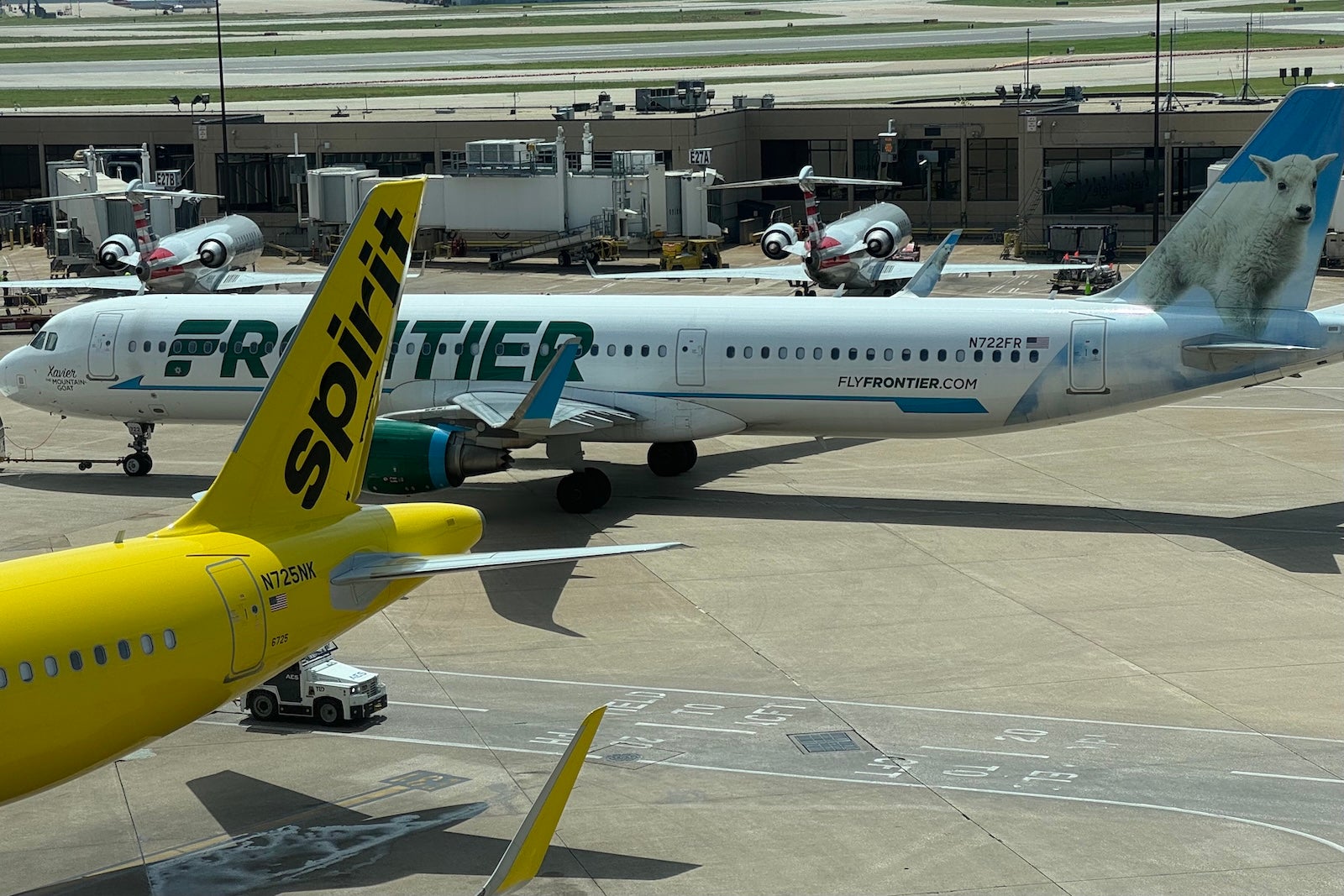
Even if you seldom (or never) fly with budget airlines like Spirit Airlines or Frontier Airlines, they're important to you.
For years, ultra-low-cost carriers have been key players in keeping airfare lower across the industry. Without the competition they provide, it's likely the big network airlines would charge more for tickets.
But does that make them worthy of billions of dollars in taxpayer-funded support?
That's the question now facing Washington, D.C. — one that goes beyond the fate of beleaguered Spirit Airlines.
The nation's budget carriers last week asked the Trump administration to float them $2.5 billion to help pay for skyrocketing jet fuel costs.
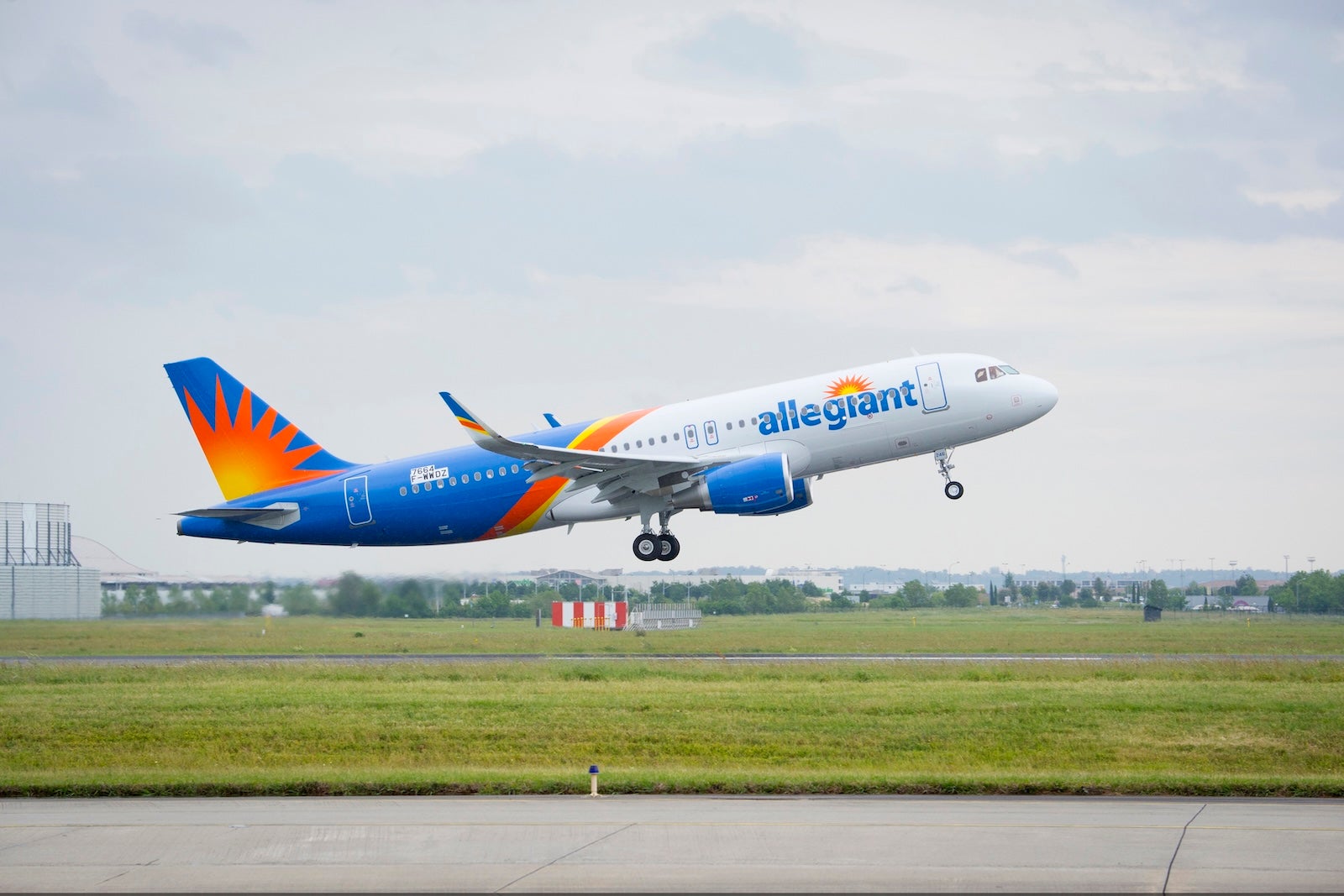
Calling it a "necessary and targeted measure," the Association of Value Airlines argued the pool of cash would help them "stabilize operations and keep airfares low." The group represents Spirit, Frontier, Allegiant Air, Avelo and Sun Country Airlines.
Keeping the big airlines honest
Part of the reason these airlines say they deserve the cash infusion is because of their upstart role in the airline industry.
Roughly three in every four flights that took off in the U.S. last year were operated by American Airlines, Delta Air Lines, United Airlines and Southwest Airlines, according to data from aviation analytics firm Cirium.
And historically speaking, the presence of carriers like Spirit and Frontier has brought down average fares in markets they serve.

Yes, that's even despite the add-on fees they've long tacked onto their bare-bone fares — a double-edged sword that has frustrated flyers for years (along with Spirit and Frontier's long-standing ... struggles with operational reliability).
Budget airlines' financial woes
Low-cost carriers have struggled financially this decade, as travelers have flocked en masse to the larger airlines and their premium seats, lounges, long-haul flights and powerful loyalty programs.
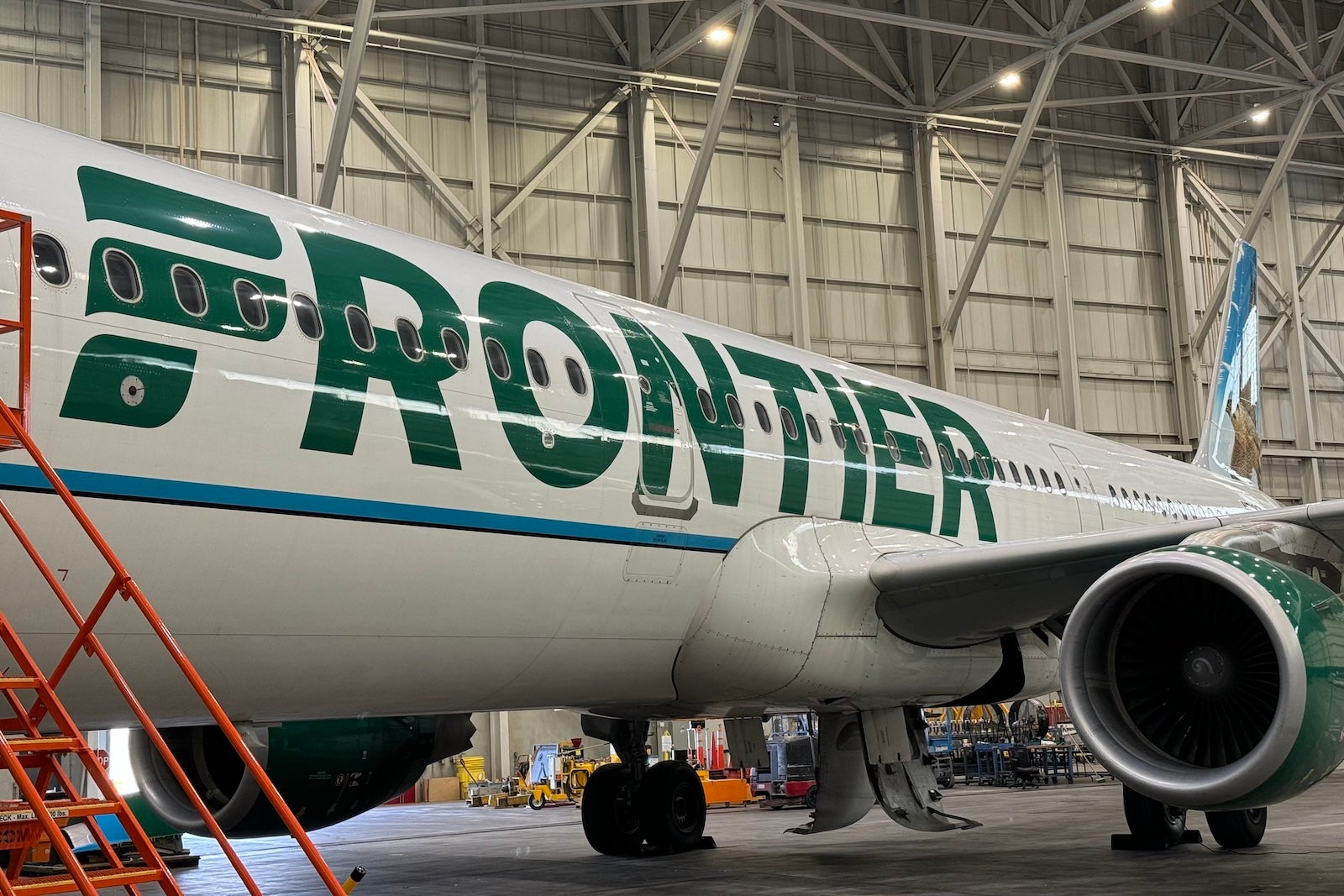
Frontier lost $137 million last year.
Spirit's challenges, meanwhile, are well-documented.
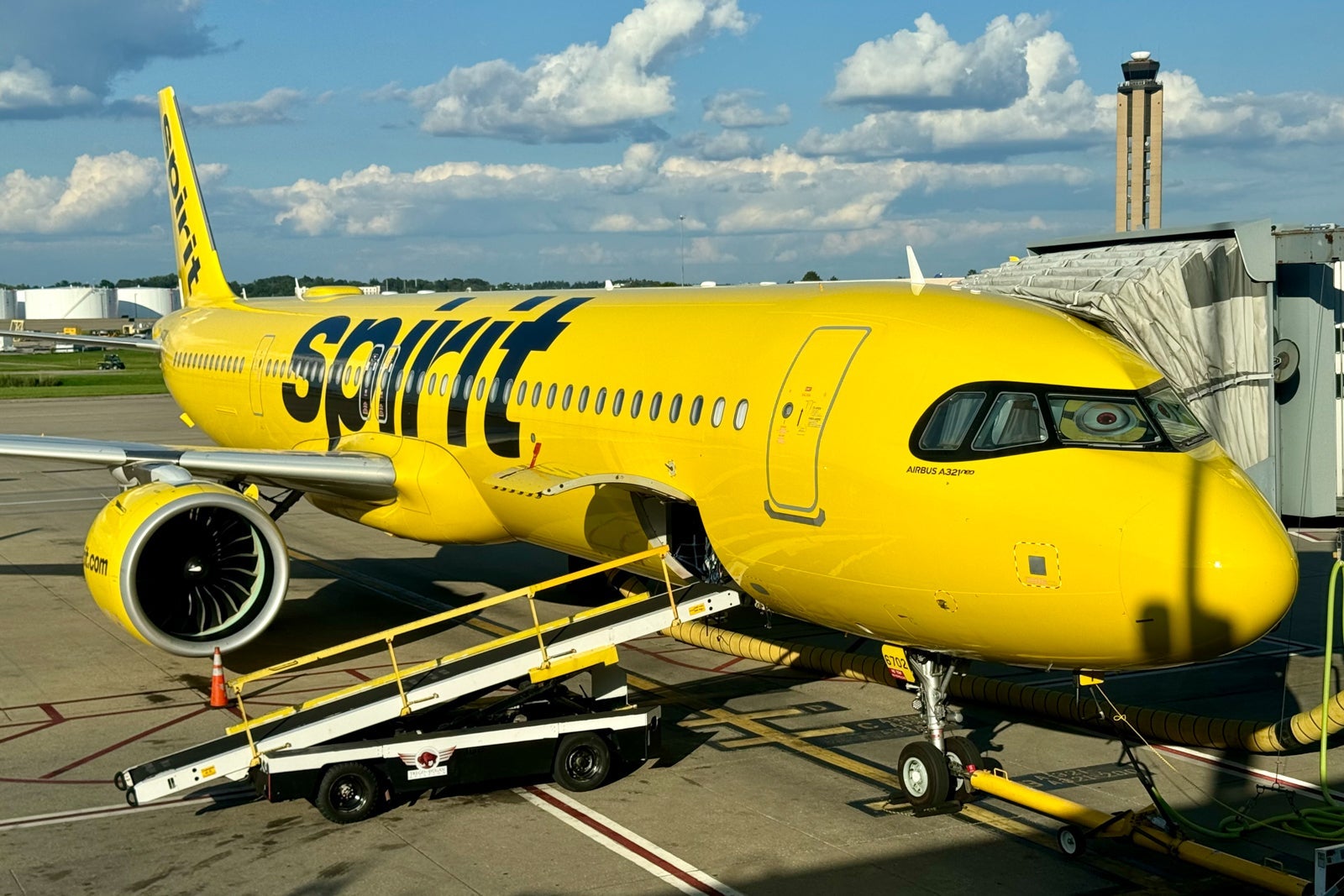
The Florida-based carrier is in bankruptcy for the second time and is reportedly in danger of halting all operations and liquidating.
President Donald Trump was already weighing potential taxpayer-funded assistance for Spirit, to help the carrier stave off a worst-case scenario for travelers and employees alike.
But now, it appears all the discounters want in on some federal help.
Is helping low-cost airlines a good use of tax dollars?
It's not clear they'll get it.
U.S. Transportation Secretary Sean Duffy on Monday said only Congress could authorize such significant financial assistance, Reuters reported.
Meanwhile, bipartisan lawmakers had already raised eyebrows at using government money to lift Spirit, which has been unable to find its financial footing for years.
In a social media post last week, Sen. Ted Cruz, R-Texas, called a potential Spirit bailout an "absolutely terrible idea."
And there would surely be questions regarding the type of future precedent massive government assistance would set. In requesting this cash advance, the budget airlines reminded the feds about the lifeline Congress extended to the industry in 2020 at the height of the COVID-19 pandemic.
Concerns over future airfare
At the same time, consumers could face real pricing concerns if the current global oil crisis causes Spirit to permanently ground planes and significantly weakens other low-cost airlines.
A top United Airlines executive already predicted that carriers may collectively use the recent run-up in fuel prices (and airfare) to keep flight prices high in the long term — even after fuel costs normalize.
You can count United among those against major government assistance for the low-cost airline sector.
"I don't think this crisis is anywhere near big enough to cause the need for an airline bailout," CEO Scott Kirby said on last week's earnings call. "Well-run airlines are still solidly profitable, even in this environment."
If you adjust for inflation and seasonal fluctuations, average airfare in March was 27% cheaper than a decade prior, according to Federal Reserve data.
To be clear, the budget airlines certainly can't take all the credit for that.
However, they have helped keep fares at the "bigs" in check. This means you have probably felt the impact of that sector even if you've never stepped on a big yellow Spirit jet or a wildlife-adorned Airbus from Frontier.
Does that mean they deserve public money? That's now up to Washington, D.C..
Related reading:
- When is the best time to book flights for the cheapest airfare?
- The best airline credit cards
- Which US airline is best? TPG's latest rankings
- Flight delayed or canceled? Here's what to do
- The best credit cards to reach elite status
- What are points and miles worth? TPG's monthly valuations
- Summer sticker shock: Airfare up 15% as high jet fuel costs take hold