From car rentals to digital IDs: Apple Pay chief breaks down decade of mobile wallet changes

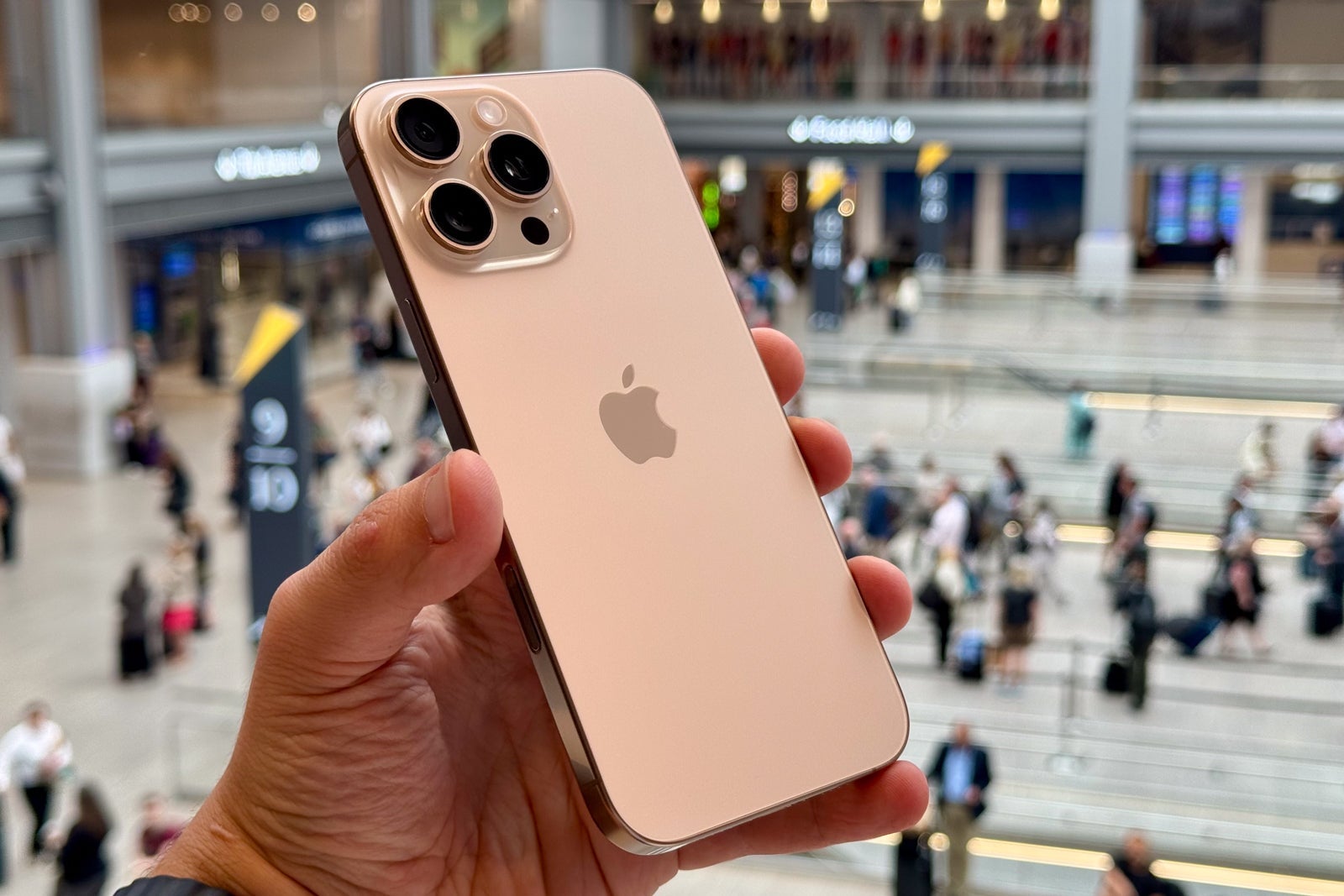
What do the New York City subway and the tapas snack box on a United flight have in common? The primary way to pay for both is with a mobile wallet. (Unless, of course, you're a top-tier elite member entitled to free onboard snacks when flying on United).
These days, mobile wallets are integral to the travel experience. From the airport to the plane to the hotel, more people are tapping their phones to pay than ever before.
It wasn't that long ago when paying for the subway required lining up to purchase a transit card with cash. But things have changed dramatically as the reach of mobile wallets has expanded dramatically in recent years.
Now, one of the most ubiquitous mobile wallet brands is set for a major milestone. It's been 10 years since Apple launched its Apple Pay mobile wallet service, which Apple says is now used by hundreds of millions of consumers across 78 countries and territories.
A decade later, Apple Pay — along with competing services that have come to market since the 2010s — have transformed the travel experience for many travelers, and the pace of innovation in the digital wallet space seems to only be getting faster.
With an industry-wide race to replace the physical wallet, tech companies continue to invest in their mobile wallet teams. For its part, Apple offered TPG an exclusive interview with Jennifer Bailey, vice president of Apple Pay and Apple Wallet, who helped travelers get a sense of the changes that are transforming the space.
Getting started was the hardest part
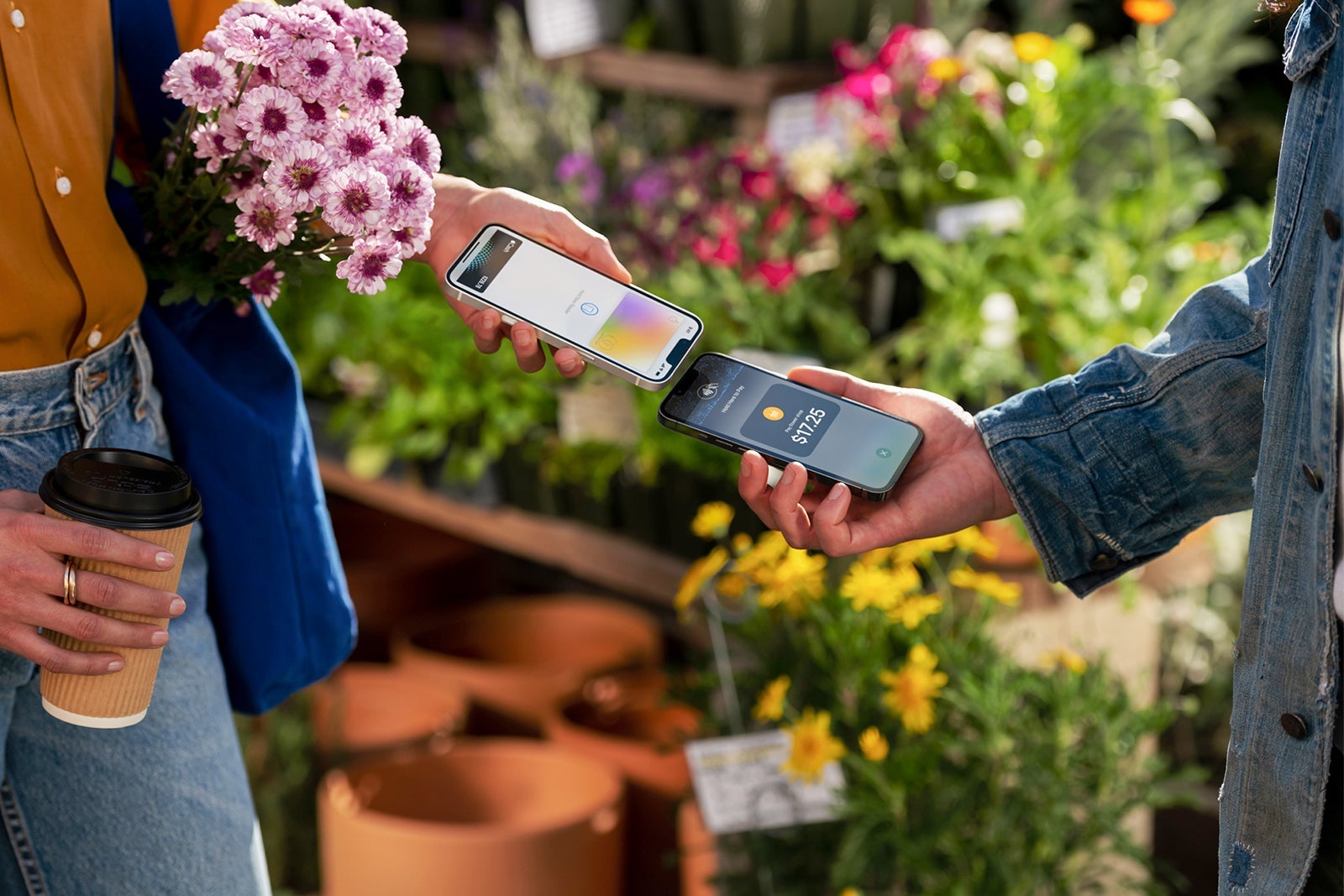
When Apple Pay first launched in October 2014, it faced an uphill battle convincing users and credit card issuers of the benefits of a digital wallet — likely mirroring challenges faced by its competitors during those first years of the services.
"The first challenge always when you introduce a new consumer service is helping consumers understand the benefits ... and so we spent a lot of time in partnership actually with the banks and the [card] networks providing that education," Bailey told TPG.
In addition to the education component, Bailey said Apple also needed to convince merchants to start accepting contactless payments. In fact, when Apple Pay launched, only 3% of merchants in the U.S. supported wireless payment technology, she said.

Between the necessary consumer education and the need for merchants to adopt new contactless technology, Apple Pay wasn't necessarily an instant hit. That only began to change, Bailey said, as Apple "worked really hard on getting a great customer experience" — helping lay a foundation for the service to succeed as users become more comfortable with it.
Digital payments are at 'scale'
Ten years later, Apple Pay now has "more than 90% coverage, maybe 95% coverage on the acceptance side [in the U.S.]," Bailey said.
With so many merchants accepting contactless payments and with over 11,000 banks and credit card network partners supporting Apple Pay, Bailey is confident that "we've reached scale" in terms of payments.
In fact, travelers have seen firsthand the adoption of contactless payments across the journey. Airlines across the board have introduced support for Apple Pay, while many hotel chains, airport concessionaires and event venues all support these mobile payments.
Transit keeps growing
With payments now "perfected," Apple has turned its attention to other aspects of the mobile wallet experience. After all, Bailey's mission is a "future where you'll be able to leave your physical wallet at home."
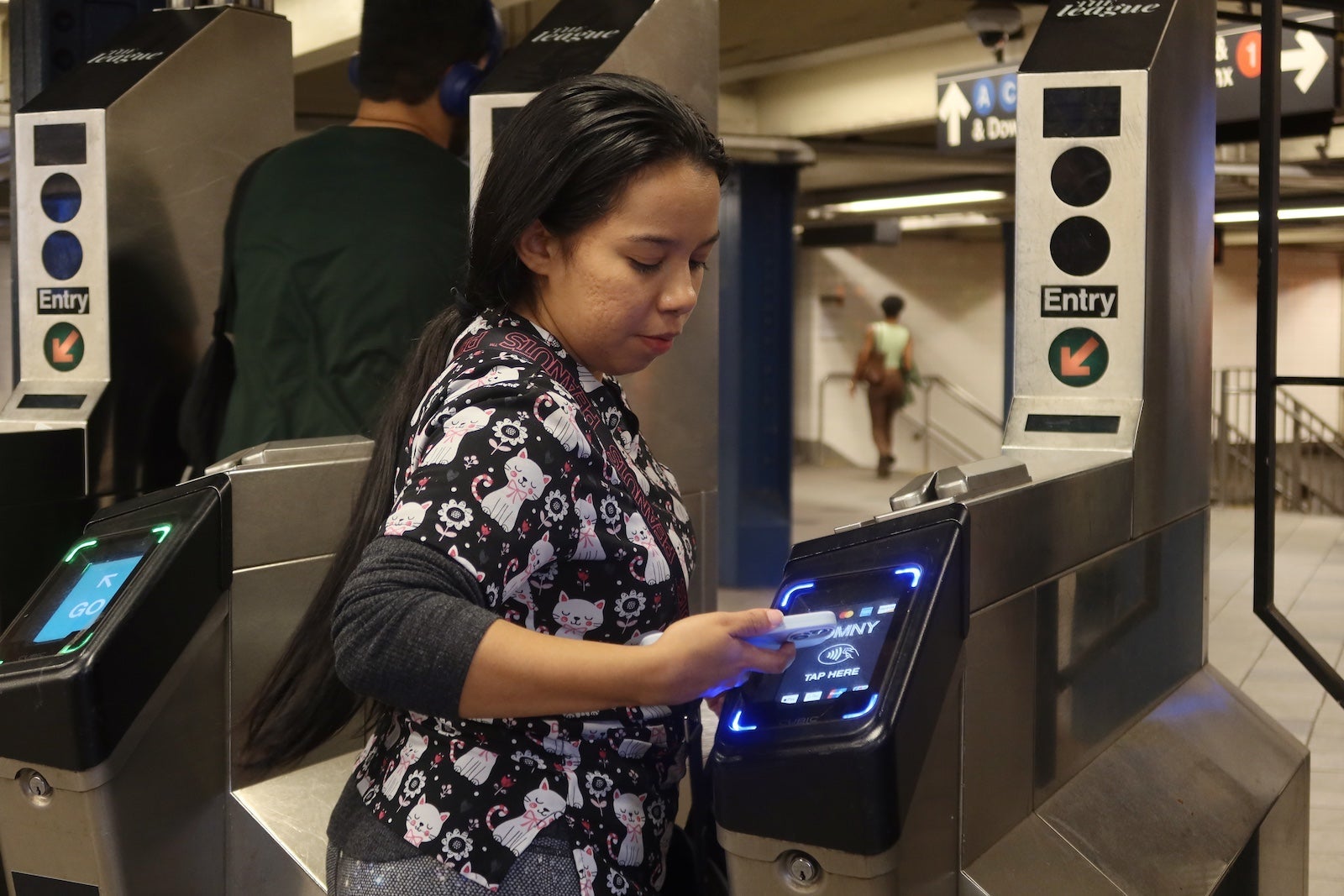
For travelers, that starts with the transit experience. Apple launched its digital transit experience in 2016 in Japan, and it's since expanded to nearly 300 cities, over 40 of which offer proprietary transit cards directly in Apple Wallet.
For anyone who has used the Express Transit feature to take a bus or subway, the experience is quite seamless. You tap your phone to the turnstile and move forward with no extra authentication needed (though some users will need to use their face to "unlock" the payment).
Regarding Apple's transit support, Bailey said that "the usage that we see there is just fantastic, and people absolutely love it."
I'd go even one step further. The more people who tap to pay for transit, the better the boarding experience is for everyone. I remember the days when the MetroCard readers in New York often required multiple swipes to read a card, causing backups to enter the subway during peak hours. But with Express Transit payments, I can't remember the last time I waited in line to pay for transit in New York.
State IDs are the next frontier
As Apple continues digitizing the wallet experience, the tech giant is now focused on other cards that aren't your credit card, including state IDs.
The company just officially added California as the seventh state to support digital IDs in Apple Wallet, and "we have many more states in the pipeline." Digital IDs first launched in 2022, and they're now supported by Arizona, California, Colorado, Georgia, Hawaii, Maryland and Ohio. The TSA already accepts mobile IDs at many airports nationwide, and the number of digital-enabled ID readers keeps growing across U.S. airports.
"Having an authenticated digital ID in your wallet on your phone and on your Apple Watch is really profound. And it's profound because if you think about one of the biggest challenges that we have in digital, it's an authenticated ID, whether you're talking about payments with fraud or scams, especially when you're starting to see what's happening with AI and deepfakes," Bailey explained.
Much like it took some time to get credit card issuers on board with Apple Pay, Bailey expects a multiyear journey in rolling out digital state IDs. "It'll be a long-term journey like we had with Apple Pay. It's helping states understand how our approach is privacy-protected and highly secure, how we don't have the data, and how we don't keep any association with where you're presenting your ID," Bailey said.
With digitized state IDs, Apple isn't keeping the technology proprietary. In fact, Bailey said that it's using standard formats that are supported by competitor apps, such as Google Wallet.
"Not all solutions are created exactly equally, but in terms of being able to leverage [digital IDs] across entire state populations is important, and we support that," Bailey acknowledged.
Digital car keys may come to rentals
In addition to digital credit cards, IDs and hotel keys, Apple is also working with over 30 car manufacturers (and counting) to create digital car keys in Apple Wallet.
For travelers, that last point is actually a harbinger of good things to come, according to Bailey, who shared that digital keys may one day be the key enabler of contactless car rentals.
"Being able to book a car rental, confirm your authentication and identity ... you can imagine that a car rental company is going to issue you a digital key, and that key could be used to unlock and use a car."
Bailey didn't share more about this future use case for car rentals, but it certainly sounds like it's a priority for the Apple Wallet team.
Bottom line
Apple Pay has now been around for 10 years, and it's only the start of the "aspiration" and "long-term vision to replace the wallet."
To date, Apple says that it has perfected its digital payment technology. "The core technology we have is perfect," according to Bailey.
As for what's next, it seems that Apple is now focused on other parts of your wallet, including state IDs and car keys. In fact, Bailey did hint at a future of one day having a digitized rental car experience.
It's anyone's guess what Apple will launch next, but "what you'll see us focus on is continuing to create acceptance and new user features." And by the end of 2034, the odds are that we'll all be using our mobile wallets in ways we could've never imagined today.
Related reading:
- Key travel tips you need to know — whether you're a beginner or expert traveler
- The best travel credit cards
- Where to go in 2024: The 16 best places to travel
- 6 real-life strategies you can use when your flight is canceled or delayed
- 8 of the best credit cards for general travel purchases
- 13 must-have items the TPG team can't travel without
TPG featured card

at American Express's secure site
Terms & restrictions apply. See rates & fees.
| 4X | Earn 4X Membership Rewards® points per dollar spent on purchases at restaurants worldwide, on up to $50,000 in purchases per calendar year, then 1X points for the rest of the year. |
| 4X | Earn 4X Membership Rewards® points per dollar spent at US supermarkets, on up to $25,000 in purchases per calendar year, then 1X points for the rest of the year. |
| 5X | Earn 5X Membership Rewards® points on prepaid hotel stays booked through AmexTravel.com or the Amex Travel App™. |
| 3X | Earn 3X Membership Rewards® points on flights booked through AmexTravel.com, the Amex Travel App™, or purchased directly from airlines. |
| 2X | Earn 2X Membership Rewards® points on prepaid car rentals booked through AmexTravel.com or the Amex Travel App™ and cruises booked and paid through AmexTravel.com. |
| 1X | Earn 1X Membership Rewards® point per dollar spent on all other eligible purchases. |
Pros
- Valuable dining and food-related credits
- Flexible rewards with airline and hotel transfer partners
- Multiple travel and purchase protections
- No foreign transaction fees
- Access to Amex Offers for additional savings (enrollment required)
Cons
- Not as useful for those living outside the U.S.
- Some may have trouble using Uber and other dining credits
- You may be eligible for as high as 100,000 Membership Rewards® Points after you spend $8,000 in eligible purchases on your new Card in your first 6 months of Card Membership. Welcome offers vary and you may not be eligible for an offer. Apply to know if you’re approved and find out your exact welcome offer amount – all with no credit score impact. If you’re approved and choose to accept the Card, your score may be impacted.
- Earn 4X Membership Rewards® points per dollar spent on purchases at restaurants worldwide, on up to $50,000 in purchases per calendar year, then 1X points for the rest of the year.
- Earn 4X Membership Rewards® points per dollar spent at US supermarkets, on up to $25,000 in purchases per calendar year, then 1X points for the rest of the year.
- Earn 5X Membership Rewards® points on prepaid hotel stays booked through AmexTravel.com or the Amex Travel App™.
- Earn 3X Membership Rewards® points on flights booked through AmexTravel.com, the Amex Travel App™, or purchased directly from airlines.
- Earn 2X Membership Rewards® points on prepaid car rentals booked through AmexTravel.com or the Amex Travel App™ and cruises booked and paid through AmexTravel.com.
- Earn 1X Membership Rewards® point per dollar spent on all other eligible purchases.
- Pay It® lets you tap in the American Express® App to quickly pay for small purchase amounts throughout the month and still earn rewards the way you usually do. Plan It® gives you the option to split up big purchases into equal monthly payments with a fixed fee. You’ll know upfront exactly how much you’ll pay.
- $120 Dining Credit: Earn up to a total of $10 in statement credits monthly when you pay with the Gold Card at Grubhub (including Seamless), Buffalo Wild Wings, Five Guys, The Cheesecake Factory, and Wonder. This can be an annual savings of up to $120. Enrollment required.
- $100 Resy Credit: Get up to $100 in statement credits each calendar year at over 10,000 qualifying U.S. Resy restaurants after you pay for eligible purchases with the American Express® Gold Card. That’s up to $50 in statement credits semi-annually. Enrollment required.
- $84 Dunkin' Credit: Earn up to $7 in monthly statement credits after you pay with the American Express® Gold Card at U.S. Dunkin’ locations. Enrollment required.
- $120 Uber Cash on Gold: Enjoy up to $120 in Uber Cash annually with your Gold Card. Just add your Card to your Uber account and you'll get $10 in Uber Cash each month to use on orders and rides in the U.S. when you select an Amex Card for your transaction.
- Enjoy complimentary Hertz Five Star® Status benefits like skipping the counter at select locations, adding an additional driver at no additional cost*, and vehicle upgrades**. Benefit enrollment and Hertz Gold+ registration are required. *Additional drivers must meet standard rental qualifications and must be a spouse or domestic partner to qualify as complimentary. Other additional drivers subject to fees. **Benefits are subject to availability and vary by location. Additional Hertz program Terms and Conditions including age restrictions apply.
- Book two nights or more with The Hotel Collection through AmexTravel.com or the Amex Travel App™ and receive a $100* credit towards eligible charges at over 1,400 upscale hotels worldwide. *Eligible charges vary by property.
- Book your travel through the Amex Travel App™ with added peace of mind – backed by American Express® service and support. Only for American Express® Card Members.
- Whenever you need us, we're here. Our Member Services team will ensure you are taken care of. From lost Card replacement to statement questions, we are available to help 24/7.
- No Foreign Transaction Fees.
- Annual Fee is $325.
- Terms Apply.