American and Delta reactivate 300 planes as summer travel plans get a boost


Rows upon rows of parked planes are one of the most striking images of the coronavirus pandemic's impact on airlines. Now, American Airlines and Delta Air Lines are among carriers returning some of those jets to the sky as they slowly build back their schedules.
American has reactivated 64 stored jets for its June schedule and plans to bring another 141 aircraft back from storage in July, spokesperson Brian Metham told TPG. The planes are being brought back to help support the airline's plans to boost flying this summer. In July, American will add more flights to account for an uptick in travel, though the carrier's overall schedule will be just 55% of what it flew in July 2019.
Delta has returned 16 aircraft to service in June on top of 30 that were previously reactivated, according to airline spokesperson Morgan Durrant and a June 3 memo to pilots. The airline plans to bring another 74 planes back in July.
Sign up for the free daily TPG newsletter for more airline news!
More aircraft in the skies is a welcome sign for the travel industry. While the number of passengers on flights remains a fraction of where it stood a year ago, airlines see clear signs that people are willing to fly again even as concerns of COVID-19 remain. Travelers are heading to places with open spaces, like the Rocky Mountains, and to beaches in Florida and other coastal states.
In addition, the reopening of casinos on the Las Vegas Strip and theme parks like Universal Orlando are attracting people tired of being cooped up at home for months.
The Transportation Security Administration (TSA) screening numbers hit a new post-COVID peak of 441,255 people on Sunday, June 7. However, the number remains around 17% of those screened on the same day a year ago.
Related: American to reopen lounges, add flights to Florida, Rockies as flyers return
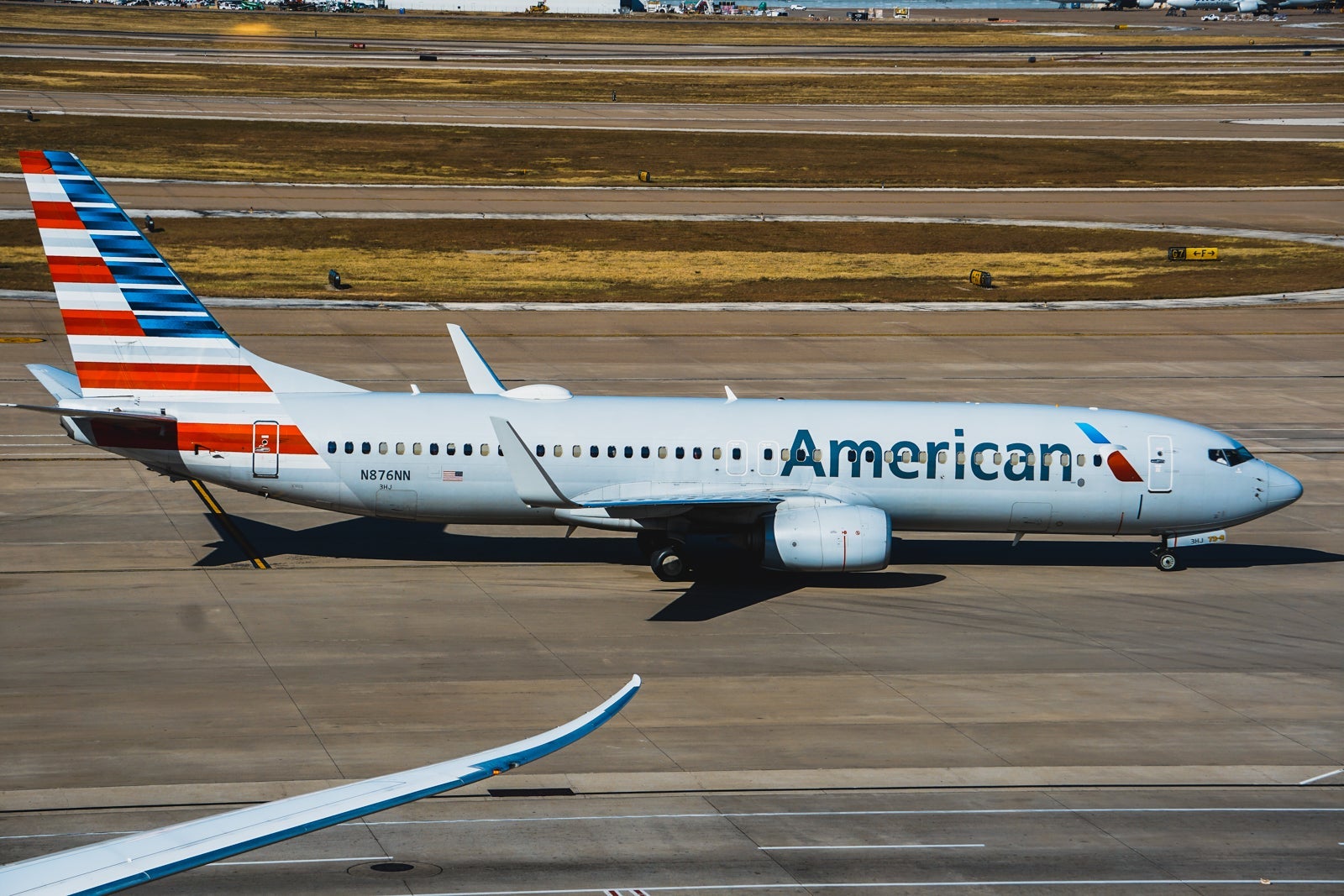
For June, American brought 12 Airbus A320s, 34 Boeing 737-800s, 10 Boeing 777s and 8 Boeing 787s out of storage. The jets are being used for both passenger and cargo flights, said Metham.

American's U.S. domestic flights are operating on average 62% full this month, said CEO Doug Parker at the carrier's annual shareholders meeting on Wednesday.
Delta brought back a mix of Airbus A321s and 737-900ERs in June on top of the 30 jets already reactivated, it told pilots. In addition, four new Airbus A350-900s were brought out of storage for planned maintenance, though they are not slated to return to passenger flying in the immediate future.
Related: A state-by-state guide to coronavirus reopening
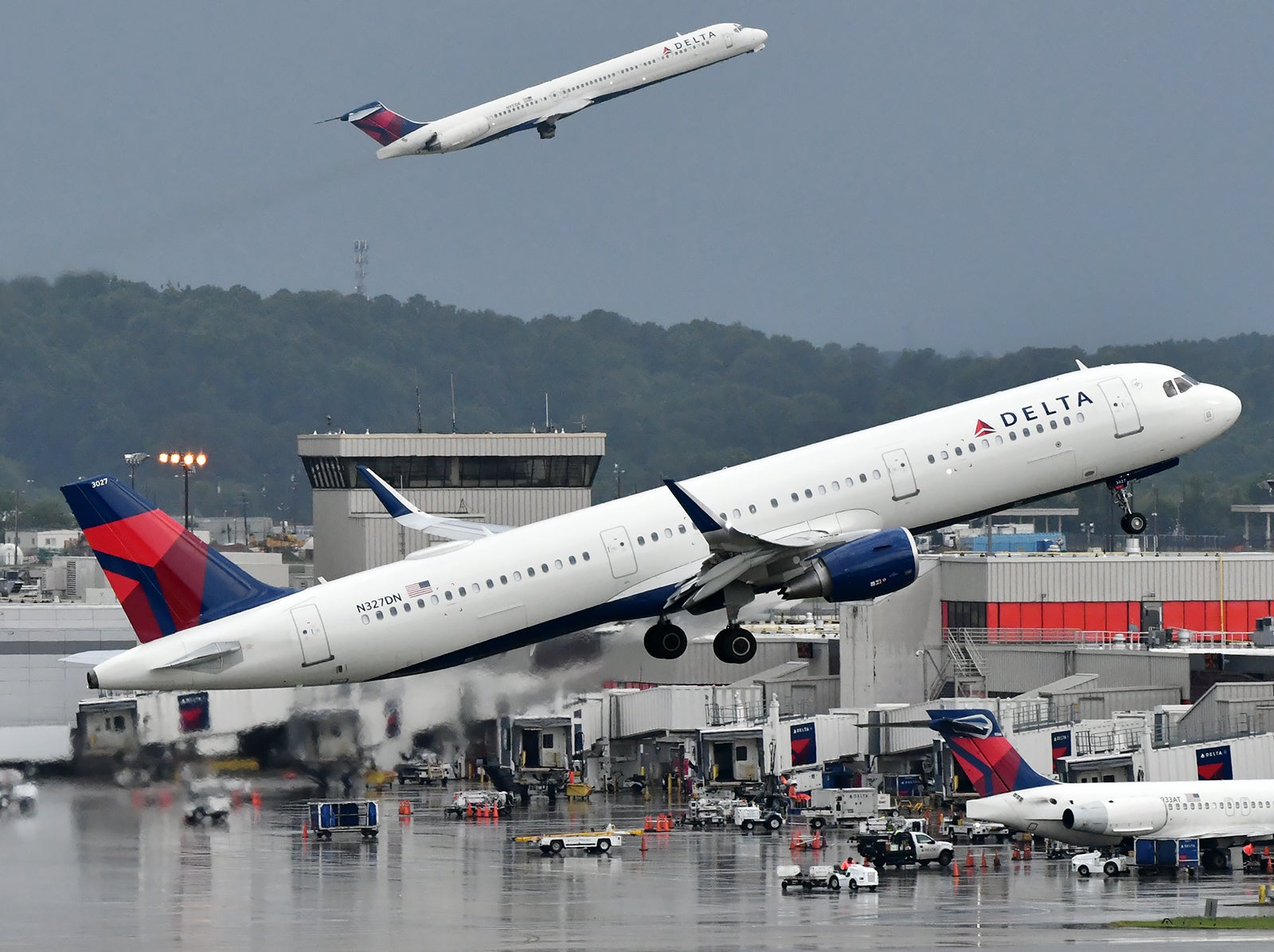
American will still have 153 mainline jets stored come July. Delta will have around 618 mainline and regional aircraft stored by that time, though notably it continues to fly all of the Airbus A220s in its fleet.
At their peak, U.S. carriers had more than 3,000 jets in storage, according to trade group Airlines for America (A4A). That number stood at 2,882 as of June 7.
Both American and Delta were also among the first U.S. carriers to use the crisis to accelerate aircraft retirements. American has permanently removed five types — Airbus A330-300s, Boeing 757s and 767s, Bombardier CRJ200s and Embraer E190s — from its fleet. Delta has retired three types, including the McDonnell Douglas MD-88s and MD-90s that flew revenue flights for the last time on June 2.
Related: Alaska Airlines is leaning towards an all-Boeing 737 fleet after the coronavirus
Alaska Airlines plans to return 20 of its stored jets to service this summer, president Ben Minicucci told The Seattle Times this week. The carrier has retired 12 jets, all 10 of its Airbus A319s plus two A320s, due to the pandemic.
Southwest Airlines continues to monitor travel demand and will adjust the number of aircraft it has in storage accordingly, spokesperson Brian Parrish told TPG. The airline has 400 aircraft in some form of storage, though only 140 737 jets are in what it considers "long-term" storage.
United Airlines spokesperson Rachael Rivas told TPG that they continue to evaluate their "fleet mix" for the airline's planned summer schedule.
Related: Delta operates final MD-88 flight amid tough times for airlines
TPG featured card
at American Express's secure site
Terms & restrictions apply. See rates & fees.
| 4X | Earn 4X Membership Rewards® points per dollar spent on purchases at restaurants worldwide, on up to $50,000 in purchases per calendar year, then 1X points for the rest of the year. |
| 4X | Earn 4X Membership Rewards® points per dollar spent at US supermarkets, on up to $25,000 in purchases per calendar year, then 1X points for the rest of the year. |
| 5X | Earn 5X Membership Rewards® points on prepaid hotel stays booked through AmexTravel.com or the Amex Travel App™. |
| 3X | Earn 3X Membership Rewards® points on flights booked through AmexTravel.com, the Amex Travel App™, or purchased directly from airlines. |
| 2X | Earn 2X Membership Rewards® points on prepaid car rentals booked through AmexTravel.com or the Amex Travel App™ and cruises booked and paid through AmexTravel.com. |
| 1X | Earn 1X Membership Rewards® point per dollar spent on all other eligible purchases. |
Pros
- Valuable dining and food-related credits
- Flexible rewards with airline and hotel transfer partners
- Multiple travel and purchase protections
- No foreign transaction fees
- Access to Amex Offers for additional savings (enrollment required)
Cons
- Not as useful for those living outside the U.S.
- Some may have trouble using Uber and other dining credits
- You may be eligible for as high as 100,000 Membership Rewards® Points after you spend $8,000 in eligible purchases on your new Card in your first 6 months of Card Membership. Welcome offers vary and you may not be eligible for an offer. Apply to know if you’re approved and find out your exact welcome offer amount – all with no credit score impact. If you’re approved and choose to accept the Card, your score may be impacted.
- Earn 4X Membership Rewards® points per dollar spent on purchases at restaurants worldwide, on up to $50,000 in purchases per calendar year, then 1X points for the rest of the year.
- Earn 4X Membership Rewards® points per dollar spent at US supermarkets, on up to $25,000 in purchases per calendar year, then 1X points for the rest of the year.
- Earn 5X Membership Rewards® points on prepaid hotel stays booked through AmexTravel.com or the Amex Travel App™.
- Earn 3X Membership Rewards® points on flights booked through AmexTravel.com, the Amex Travel App™, or purchased directly from airlines.
- Earn 2X Membership Rewards® points on prepaid car rentals booked through AmexTravel.com or the Amex Travel App™ and cruises booked and paid through AmexTravel.com.
- Earn 1X Membership Rewards® point per dollar spent on all other eligible purchases.
- Pay It® lets you tap in the American Express® App to quickly pay for small purchase amounts throughout the month and still earn rewards the way you usually do. Plan It® gives you the option to split up big purchases into equal monthly payments with a fixed fee. You’ll know upfront exactly how much you’ll pay.
- $120 Dining Credit: Earn up to a total of $10 in statement credits monthly when you pay with the Gold Card at Grubhub (including Seamless), Buffalo Wild Wings, Five Guys, The Cheesecake Factory, and Wonder. This can be an annual savings of up to $120. Enrollment required.
- $100 Resy Credit: Get up to $100 in statement credits each calendar year at over 10,000 qualifying U.S. Resy restaurants after you pay for eligible purchases with the American Express® Gold Card. That’s up to $50 in statement credits semi-annually. Enrollment required.
- $84 Dunkin' Credit: Earn up to $7 in monthly statement credits after you pay with the American Express® Gold Card at U.S. Dunkin’ locations. Enrollment required.
- $120 Uber Cash on Gold: Enjoy up to $120 in Uber Cash annually with your Gold Card. Just add your Card to your Uber account and you'll get $10 in Uber Cash each month to use on orders and rides in the U.S. when you select an Amex Card for your transaction.
- Enjoy complimentary Hertz Five Star® Status benefits like skipping the counter at select locations, adding an additional driver at no additional cost*, and vehicle upgrades**. Benefit enrollment and Hertz Gold+ registration are required. *Additional drivers must meet standard rental qualifications and must be a spouse or domestic partner to qualify as complimentary. Other additional drivers subject to fees. **Benefits are subject to availability and vary by location. Additional Hertz program Terms and Conditions including age restrictions apply.
- Book two nights or more with The Hotel Collection through AmexTravel.com or the Amex Travel App™ and receive a $100* credit towards eligible charges at over 1,400 upscale hotels worldwide. *Eligible charges vary by property.
- Book your travel through the Amex Travel App™ with added peace of mind – backed by American Express® service and support. Only for American Express® Card Members.
- Whenever you need us, we're here. Our Member Services team will ensure you are taken care of. From lost Card replacement to statement questions, we are available to help 24/7.
- No Foreign Transaction Fees.
- Annual Fee is $325.
- Terms Apply.