The inside story behind American Airlines' FIFA World Cup airplane

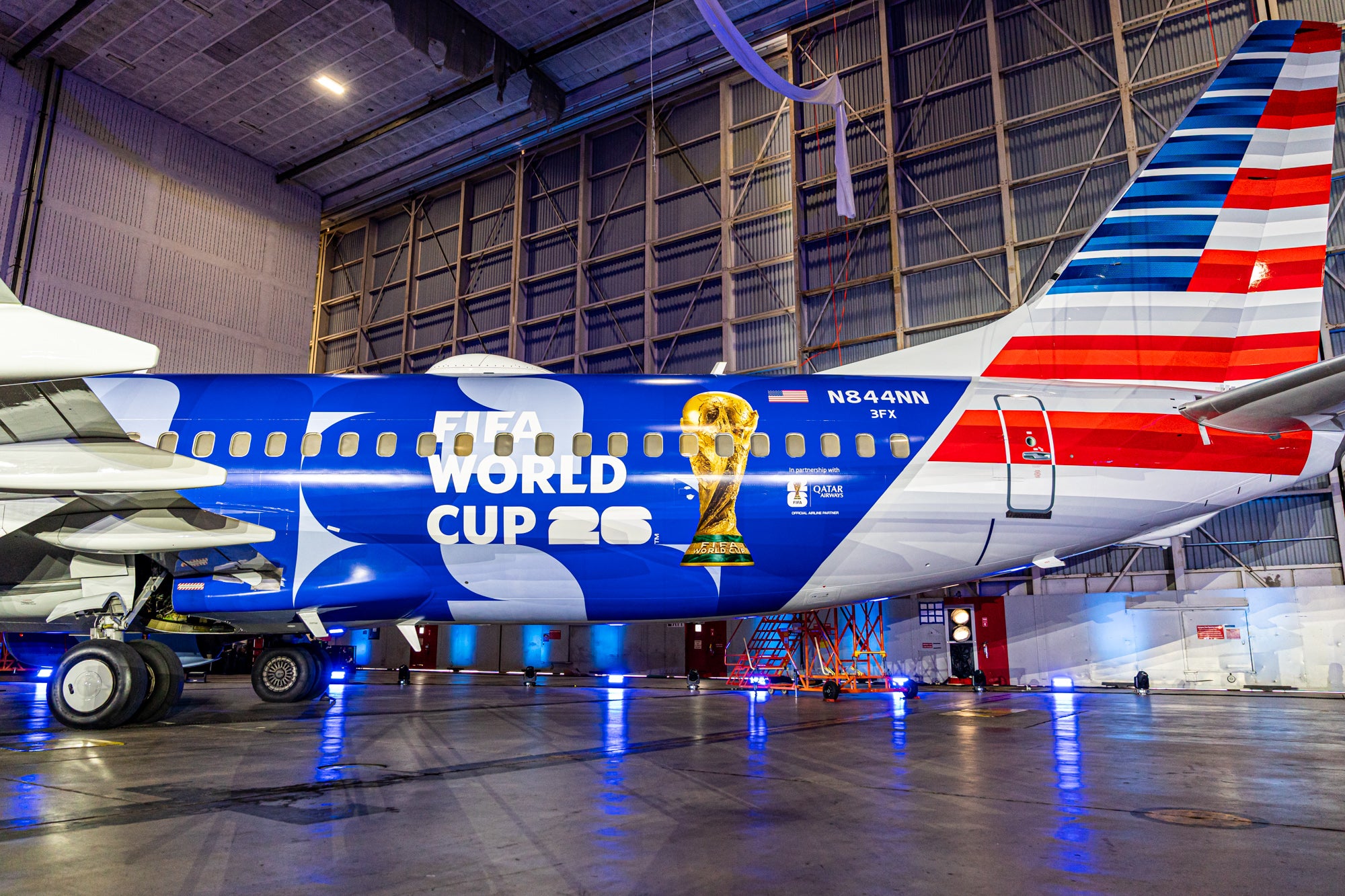
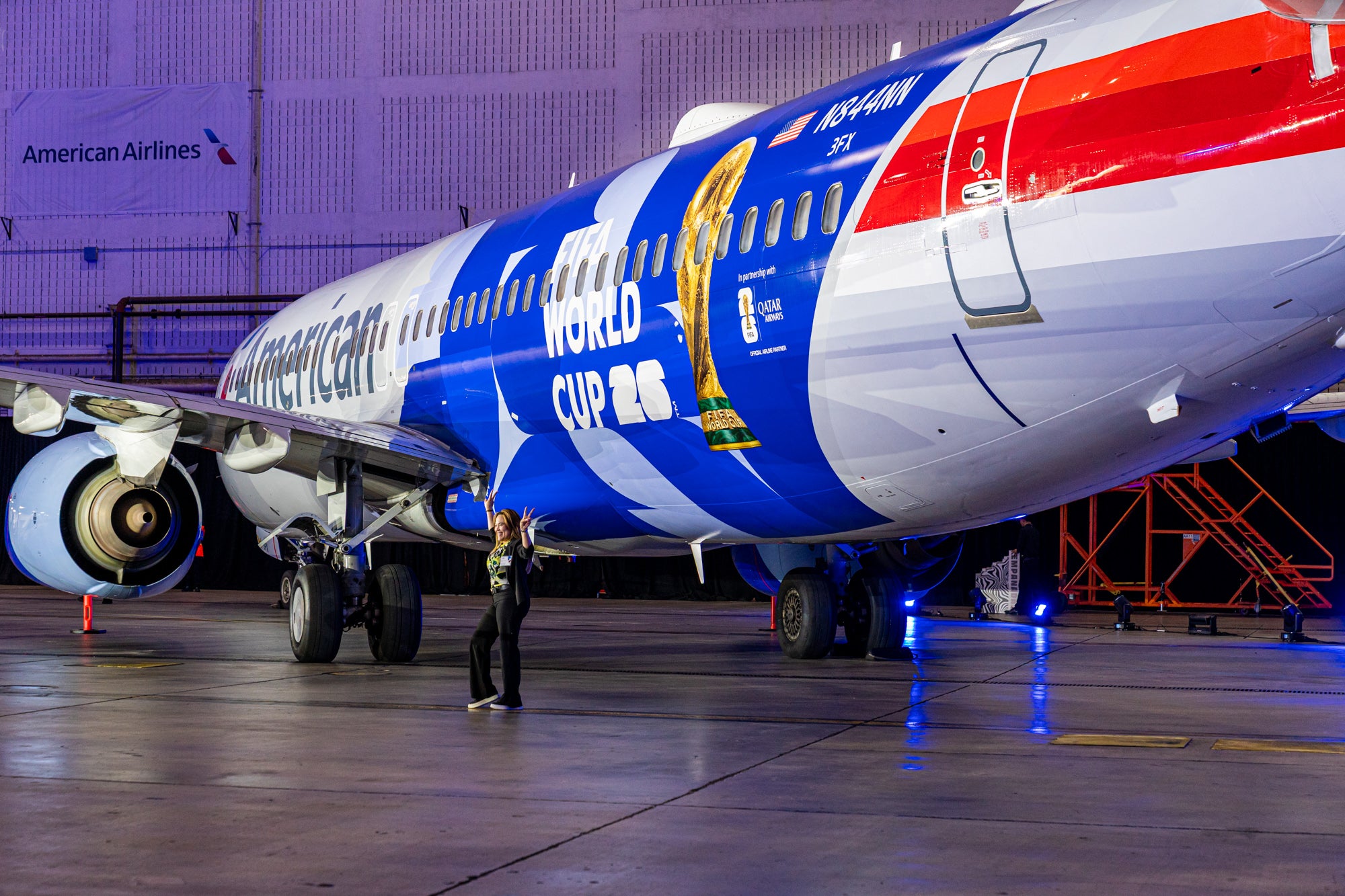
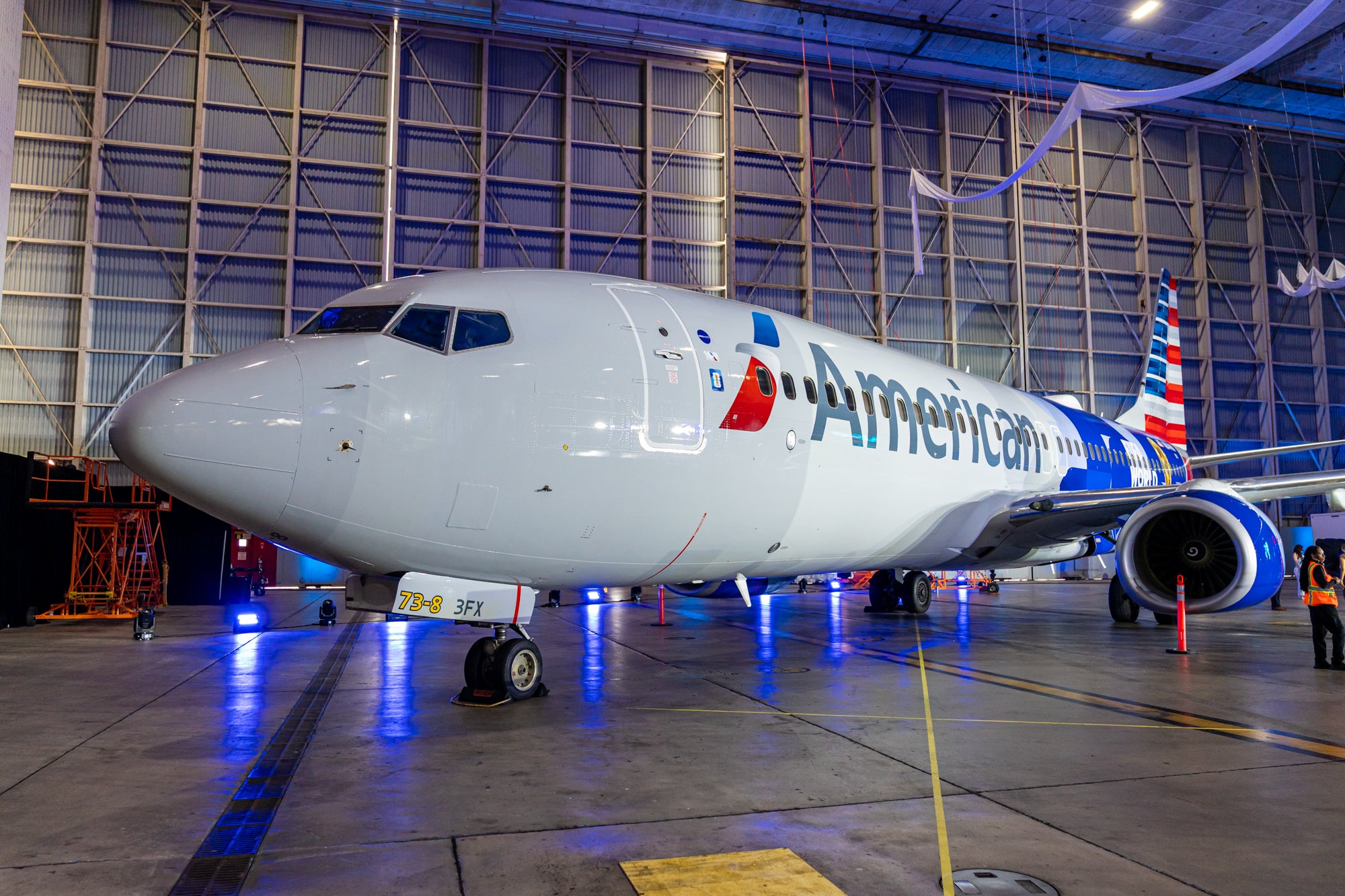
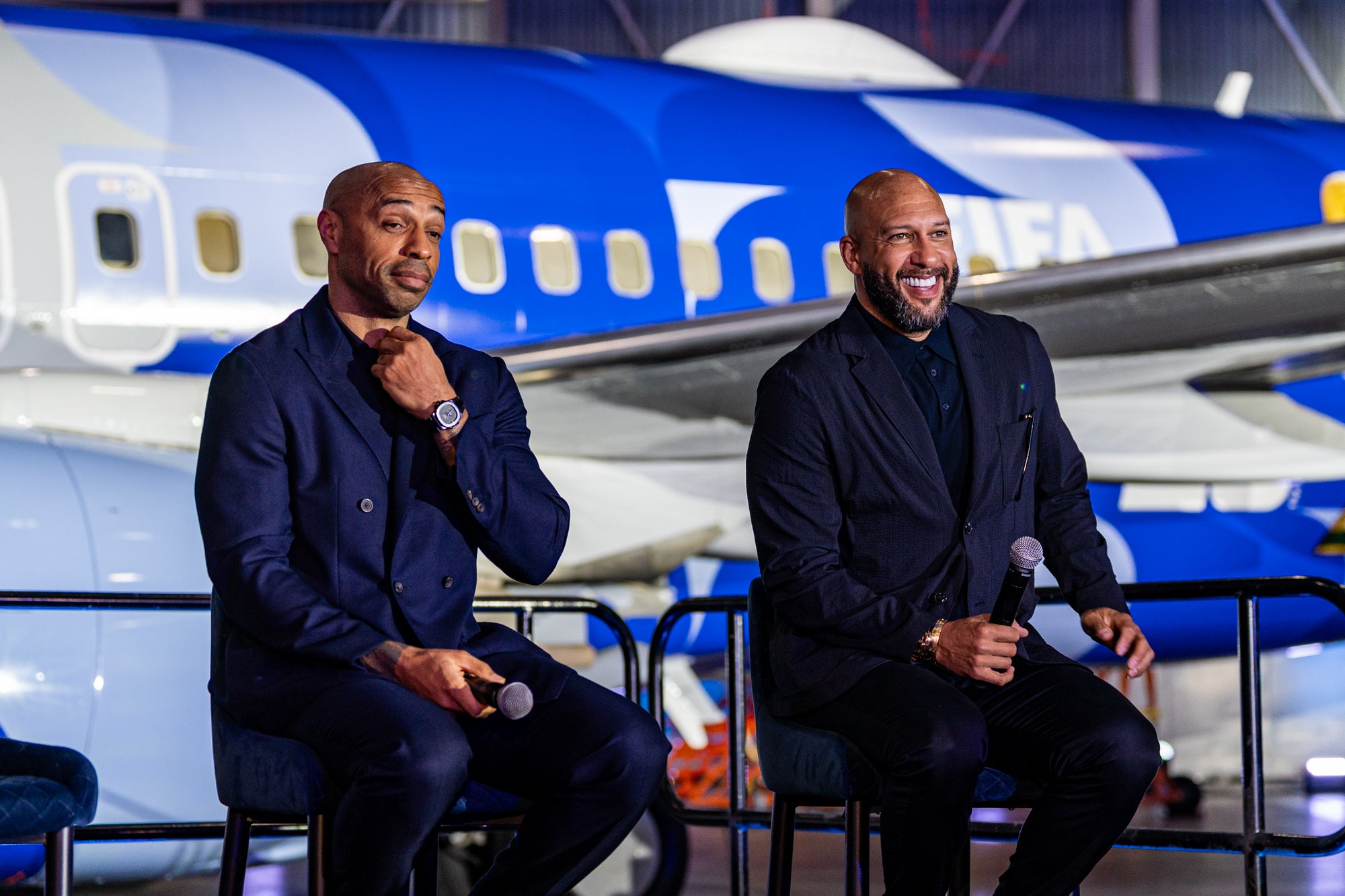
American Airlines unveiled a gorgeous new livery celebrating the 2026 FIFA World Cup last week, marking the tournament's return to North America for the first time since the U.S. hosted it in 1994.
This year, the tournament is being jointly hosted by the U.S., Canada and Mexico, with matches taking place throughout June and July.
For American Airlines, the tournament presented a unique branding opportunity. Qatar Airways has been the official global airline of FIFA since 2017, a partnership slated to last through at least 2030. With this year's World Cup taking place locally, American saw an opportunity to jump on board through its broader network partnership with fellow Oneworld alliance member Qatar Airways.
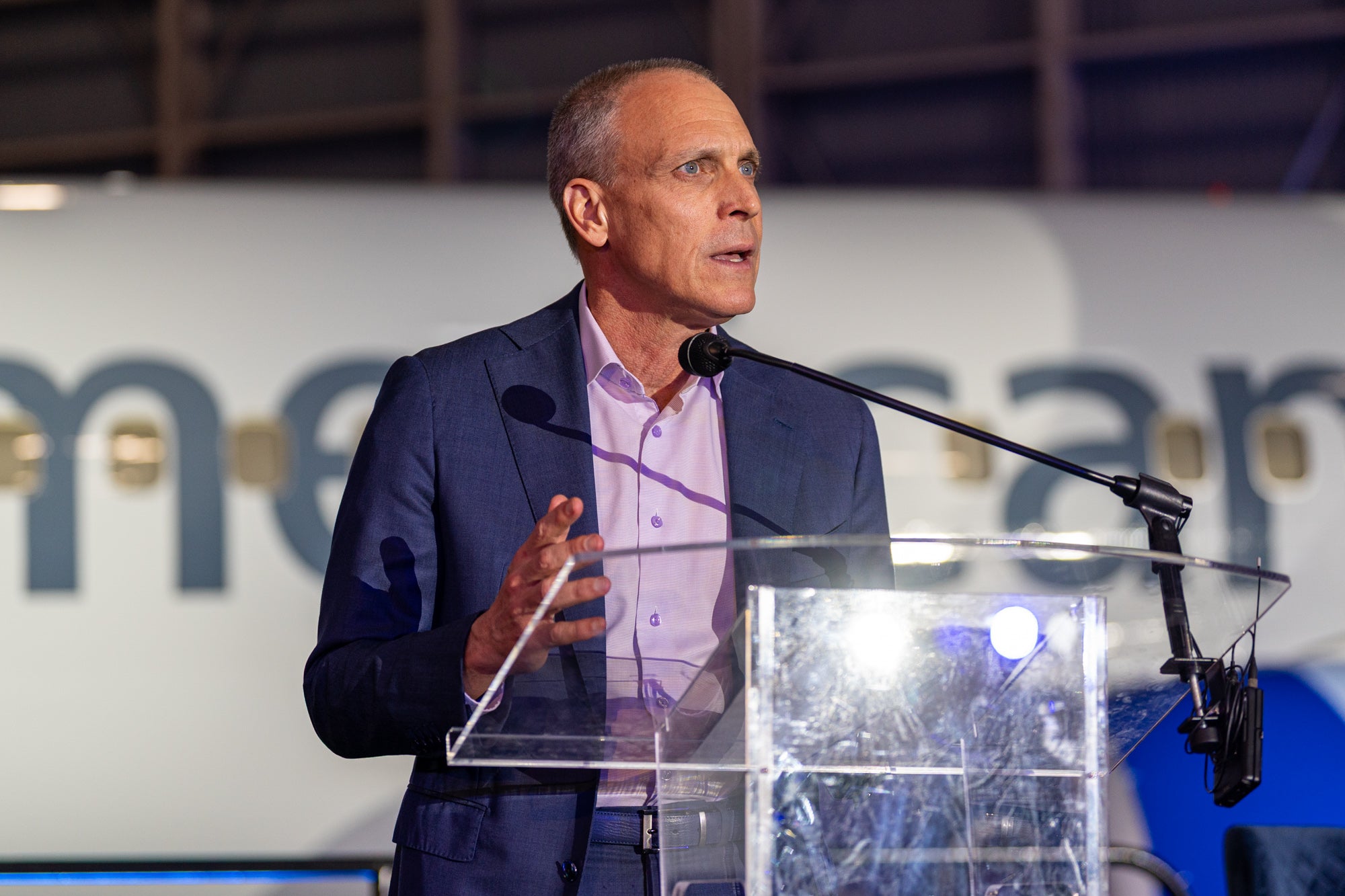
"Obviously we do things together, we know each other, and so it was a logical transition," said Nat Pieper, American Airlines' chief commercial officer. "The three of us kind of talked about it to say, okay, the games are in North America, we're Oneworld partner[s], we have the best network in North America — it was just a logical transition."
American did not disclose any costs related to the sponsorship. It typically costs in the tens of thousands of dollars to repaint a narrow-body jet, while larger aircraft and alterations can cost hundreds of thousands of dollars.
Of the three biggest U.S. airlines, American has fallen behind its competitors in terms of its reputation for offering premium onboard experiences. While the airline is clearly eager to catch up — see its new Boeing 787-9 Flagship business class and Airbus A321XLR cabins as examples — its current strength lies in its domestic network, which it sees an opportunity to aggressively promote with the event.
Like the other major carriers, American flies to all 16 cities hosting matches during the tournament, while its partnership with Alaska Airlines, Oneworld's newest member, gives it an added boost along the West Coast. But with millions of people expected to travel to and throughout the U.S. during the games — despite U.S. tourism facing broad headwinds overall and the airline industry raising prices and cutting services due to cost increases — American is focused on leveraging its broader global network.
Among American's 15 Oneworld partners are several flag carriers whose national teams are playing in the games, including Royal Air Maroc, Japan Airlines, Qantas and British Airways.
"The U.S. plays its first match against Australia in Seattle," Pieper noted. "Alaska Airlines is our Oneworld partner based in Seattle; in Australia we have Qantas. And American is involved in all of this. ... There's probably a good chance we could have a meeting with our alliance partners around that match."

Similarly, Japan's first match is in Dallas, possibly setting the stage for Japan Airlines officials to pass through American's headquarters city.
But even with a well-positioned and well-marketed network, it can be tricky for American — or any airline, for that matter — to measure the success of something like a sponsorship or special livery.
It's difficult, if not impossible, for analysts to attribute a direct return on investment for something like this. In the modern data-driven world, where "key performance indicators" and metrics define just about everything, the value of the partnership — from licensing fees to the cost of painting a plane — is a more subjective proposition.
"It's a balancing of KPIs, but it's the classic human conundrum of short-term versus long-term," Pieper said, suggesting that the FIFA sponsorship's primary value is in the ways it lets American highlight its network and Oneworld presence.
"Alliance partnerships are all about not only what you're doing right now, but working together in a closer fashion than you could with just an unaligned airline," he added.
Pieper's views may seem heavily skewed toward the alliance aspect of the sponsorship, but that makes sense. Before joining American in late 2025, Pieper was the CEO of Oneworld.
That perspective leads him to see the high value proposition of American's network. He admitted that there is something "old-fashioned, old school" about linking the FIFA partnership to something nebulous like strengthening alliances. But he noted that the benefits are nevertheless substantial and observable, using Alaska Airlines' recent joining of Oneworld as an example. Alaska gets access to American's domestic and Oneworld's international networks, while American gets more access to areas of the West Coast where it had a weaker presence.
"Think almost as if the World Cup is another joint initiative that we can do together to make those ties closer, to make sure that our teams work together better," Pieper said.
The FIFA partnership has also had a more measurable benefit in driving engagement with the American Airlines AAdvantage program. While tickets for matches have been difficult to come by and more expensive than at any previous World Cup, American Airlines' AAdvantage members still have a chance to snag tickets using their miles.
"The challenge with these programs is you've got to keep them relevant, you've got to keep them innovative so people are attracted and interested," Pieper said. "The World Cup promotion has been amazing — the ability for members to redeem miles for tickets, having unique access and being able to put that out there has been enormous for us."
And even as headwinds continue to stack up against travel to the U.S. — higher fuel prices, newly arduous visa processes and an ongoing partial government shutdown, among others — Pieper said that everything the airline has seen so far has it optimistic for travel this summer.
"As we look forward beyond April and May, with the first match in June, summer looks really good," he said.
And as the tournament continues beyond the initial group stages, as teams advance and later stages are set, American is ready to get fans where they need to go to watch their teams.
"We're well suited for that," Pieper said. "So I think it's going to be exciting."
Related reading: