Here’s why airlines probably aren’t using this moment to spruce up their planes


Imagine that you were about to begin work on a major home renovation to build your dream kitchen. Now let's say the economy has gone south and you're digging into your savings just to keep the lights on and pay the mortgage. Would you go forward with that kitchen?
That is the dilemma faced by airlines as they confront what to do with the various capital projects — many benefiting travelers — that they had planned or underway when the novel coronavirus pandemic hit.
Delta Air Lines chief financial officer Paul Jacobson reiterated to investors on Wednesday that the carrier had suspended all capital investments, like buying new planes or installing news seats on a jet. And Delta is not alone, American Airlines, JetBlue Airways, United Airlines and others have all stopped most non-essential spending amid what is seen as the worst crisis the industry has ever seen.
Get Coronavirus travel updates. Stay on top of industry impacts, flight cancellations, and more.
Airlines hit the collective pause button on new investments in March, when they began hemorrhaging millions of dollars a day as travelers suddenly stopped flying amid the spread of COVID-19. At one point, more tickets were being cancelled than either flown or booked.
Delta, the only U.S. carrier to release their full first quarter numbers so far, was losing around $100 million a day in March — in other words pulling, it was $100 million out of its "savings account" daily. But through the suspension of new investments and other cost cuts it expects the bleeding to slow to just $50 million a day by June, said Jacobson.
"Delta's update on cash burn was better than expected," wrote Savanthi Syth, an analyst at Raymond James, in a report Thursday. Better, that is, considering how bad things have gotten.
This is survival for the airlines, and most improvement projects can wait.
Related: Delta sees a more 'premium' future in coronavirus recovery

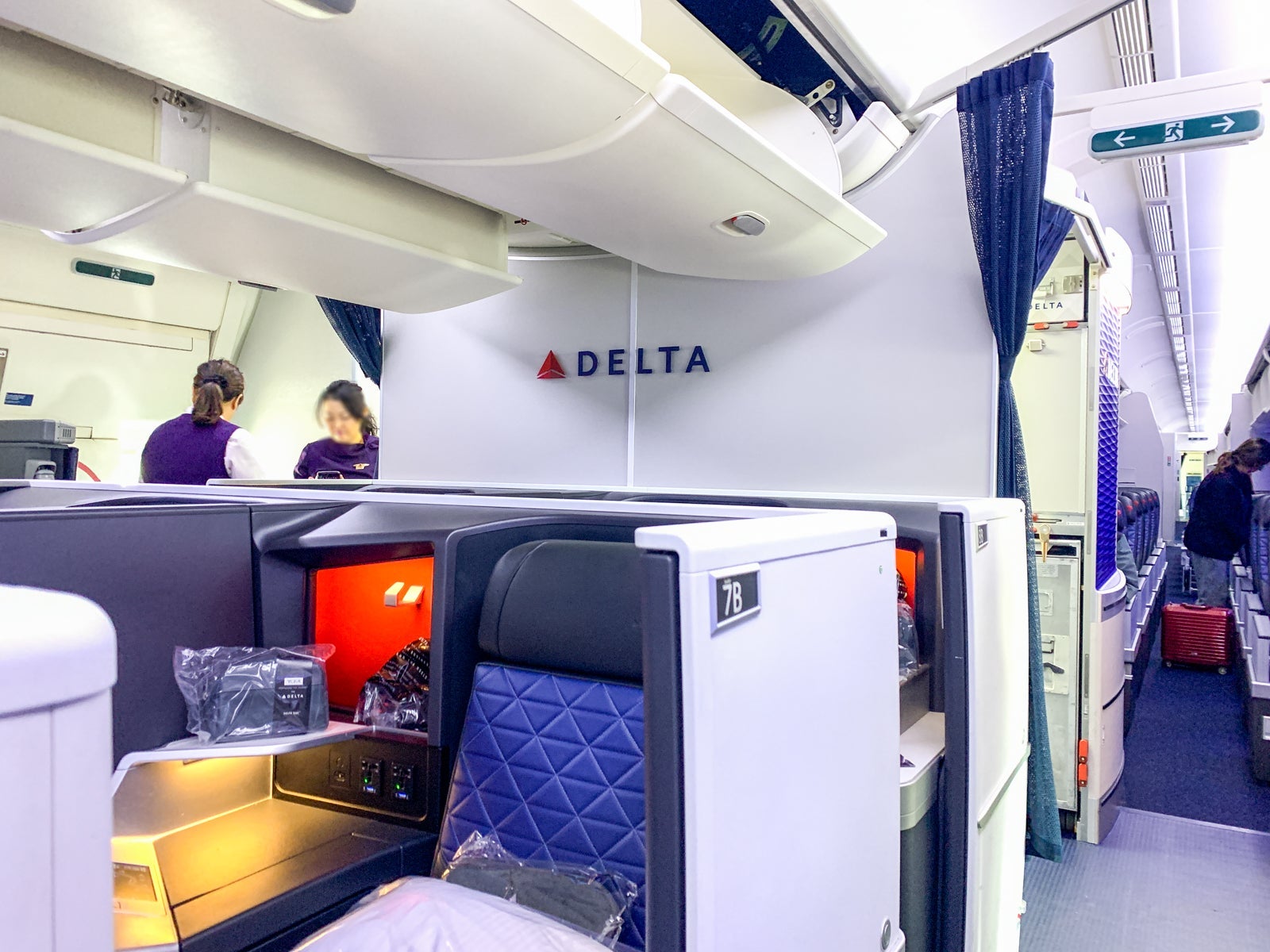
There is an argument to be made that this is a good time to speed up investments. With traffic numbers near zero, why not work on updating the many planes that are parked? One could argue why not take advantage of that aircraft downtime to complete projects, especially when the ability to remove an aircraft from service for work is one of the main reasons such projects can take years.
The issue now is these investments cost money. Amid the current crisis, the airlines do not have a single spare cent today.
Based on aircraft lessor numbers, the cost of reconfiguring the cabin of a wide-body jet can range from $5 million to more than $10 million — depending on what needs to be done. Put another way, that's up to a fifth of Delta's entire daily cash burn target in June.
Another issue is airlines do not know what planes they will fly when the recovery is underway. For example, at the end of March, reports said American planned to retire 76 of its oldest Boeing 737-800s — a model that it has 304 of in its fleet. The carrier was in the middle of reconfiguring the jets with 12 more seats as part of a project dubbed "Project Oasis."
American spokeswoman Andrea Koos told TPG that reconfiguration work on the 737s continues, though she did not say of the same is true for the Airbus A321s.
Related: American adds more than 100 jets to those retiring due to the coronavirus
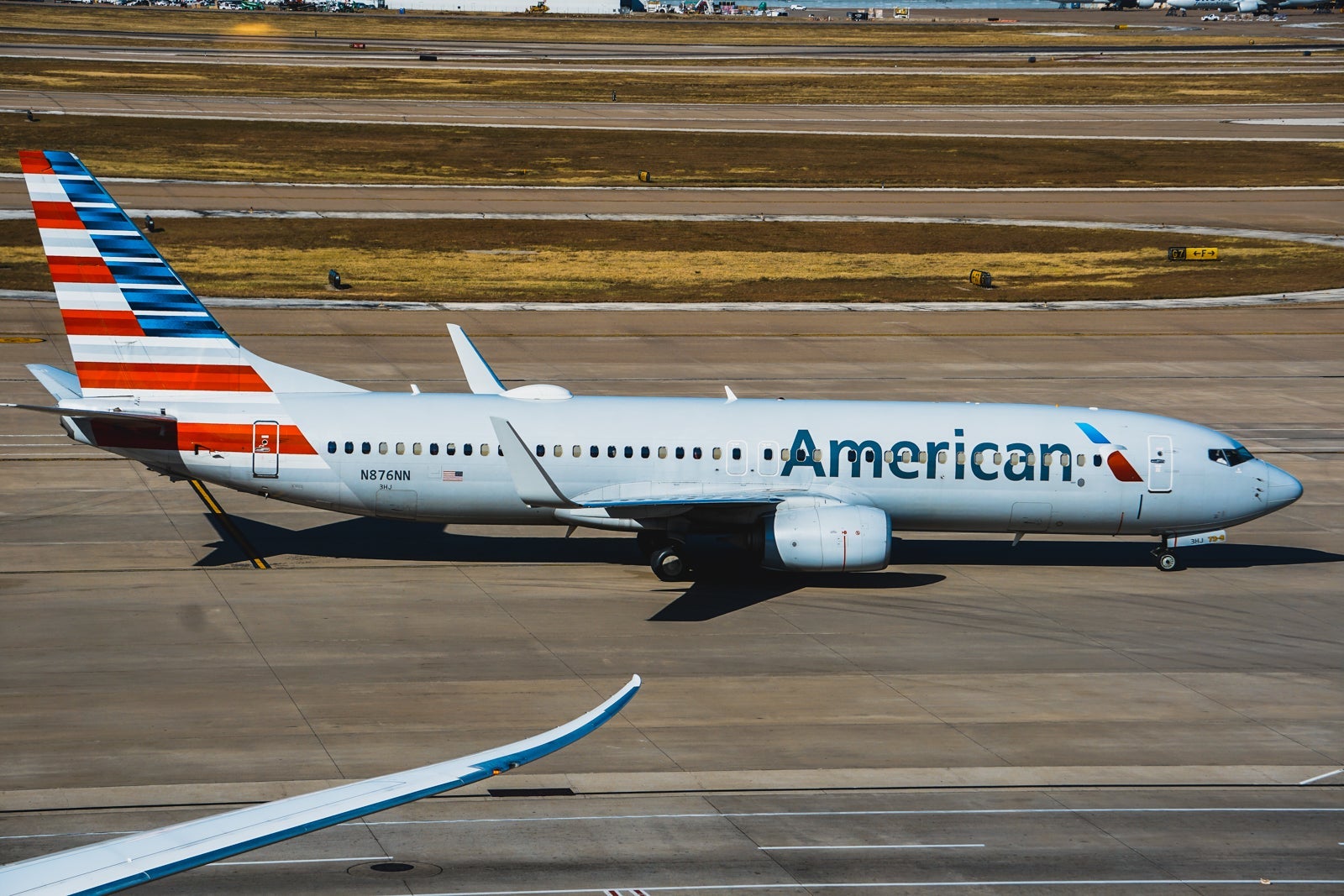
A week later, American's vice president of network planning Brian Znotins told TPG that while it may make sense to retire some of the airline's oldest 737s before they go in for heavy maintenance work, no decision had yet been made.
"One thing I've learned through this crisis, trying to forecast the pace and severity of the way things will be, no one can do that," he said. "We need to be very flexible coming out of this."
Until American — or any carrier — commits to further cabin or similar passenger-facing upgrades, it needs to know that it will need those improvements post-coronavirus.
Related: US airlines could retire older aircraft, focus on newer models due to coronavirus downturn
View this post on Instagram
Airports are a somewhat different story. As public or quasi-public entities and are not wedded to the same profit-and-loss expectations that airlines operate under. Downturns are traditionally good times to invest in infrastructure, and airports are no different with far fewer people expected to pass through their corridors for the next several years.
"We see a much smaller industry capacity footprint on the other side of this," wrote Evercore analyst Duane Pfennigwerth on April 15. He expects capacity at mainline carriers American, Delta and United to be down roughly 30% next year compared to 2019.
From Denver (DEN) to Washington Reagan National (DCA) airports, the slowdown in traffic is allowing them to do heavy work on capital projects for more hours of the day. Previously, work was constrained to off-peak hours when the disruption to passengers was minimal. Neither has said whether the extended work hours is enough for projects to open early.
Delta does plan to use what it thinks will be a three-year recovery to "advance the timelines" of some of its airport projects, said CEO Ed Bastian on Wednesday. Accelerating some project could reduce costs, especially at congested airports like Los Angeles (LAX) and New York LaGuardia (LGA) where the airline is managing major construction projects.
And some investments are moving forward, coronavirus or not. Southwest Airlines continues to work on the technology needed to sell its flights on large ticket distribution systems, the airline's president Thomas Nealon told the Global Business Travel Association (GBTA) earlier in April. The project will make Southwest flights available to more travelers than before — something that will benefit the airline after COVID-19 just as it would have before.
Related: Delta opens new concourse, bringing modern, airy feel to LaGuardia
Updated with comment from American Airlines on Project Oasis 737 retrofits.
TPG featured card
at American Express's secure site
Terms & restrictions apply. See rates & fees.
| 4X | Earn 4X Membership Rewards® points per dollar spent on purchases at restaurants worldwide, on up to $50,000 in purchases per calendar year, then 1X points for the rest of the year. |
| 4X | Earn 4X Membership Rewards® points per dollar spent at US supermarkets, on up to $25,000 in purchases per calendar year, then 1X points for the rest of the year. |
| 5X | Earn 5X Membership Rewards® points on prepaid hotel stays booked through AmexTravel.com or the Amex Travel App™. |
| 3X | Earn 3X Membership Rewards® points on flights booked through AmexTravel.com, the Amex Travel App™, or purchased directly from airlines. |
| 2X | Earn 2X Membership Rewards® points on prepaid car rentals booked through AmexTravel.com or the Amex Travel App™ and cruises booked and paid through AmexTravel.com. |
| 1X | Earn 1X Membership Rewards® point per dollar spent on all other eligible purchases. |
Pros
- Valuable dining and food-related credits
- Flexible rewards with airline and hotel transfer partners
- Multiple travel and purchase protections
- No foreign transaction fees
- Access to Amex Offers for additional savings (enrollment required)
Cons
- Not as useful for those living outside the U.S.
- Some may have trouble using Uber and other dining credits
- You may be eligible for as high as 100,000 Membership Rewards® Points after you spend $8,000 in eligible purchases on your new Card in your first 6 months of Card Membership. Welcome offers vary and you may not be eligible for an offer. Apply to know if you’re approved and find out your exact welcome offer amount – all with no credit score impact. If you’re approved and choose to accept the Card, your score may be impacted.
- Earn 4X Membership Rewards® points per dollar spent on purchases at restaurants worldwide, on up to $50,000 in purchases per calendar year, then 1X points for the rest of the year.
- Earn 4X Membership Rewards® points per dollar spent at US supermarkets, on up to $25,000 in purchases per calendar year, then 1X points for the rest of the year.
- Earn 5X Membership Rewards® points on prepaid hotel stays booked through AmexTravel.com or the Amex Travel App™.
- Earn 3X Membership Rewards® points on flights booked through AmexTravel.com, the Amex Travel App™, or purchased directly from airlines.
- Earn 2X Membership Rewards® points on prepaid car rentals booked through AmexTravel.com or the Amex Travel App™ and cruises booked and paid through AmexTravel.com.
- Earn 1X Membership Rewards® point per dollar spent on all other eligible purchases.
- Pay It® lets you tap in the American Express® App to quickly pay for small purchase amounts throughout the month and still earn rewards the way you usually do. Plan It® gives you the option to split up big purchases into equal monthly payments with a fixed fee. You’ll know upfront exactly how much you’ll pay.
- $120 Dining Credit: Earn up to a total of $10 in statement credits monthly when you pay with the Gold Card at Grubhub (including Seamless), Buffalo Wild Wings, Five Guys, The Cheesecake Factory, and Wonder. This can be an annual savings of up to $120. Enrollment required.
- $100 Resy Credit: Get up to $100 in statement credits each calendar year at over 10,000 qualifying U.S. Resy restaurants after you pay for eligible purchases with the American Express® Gold Card. That’s up to $50 in statement credits semi-annually. Enrollment required.
- $84 Dunkin' Credit: Earn up to $7 in monthly statement credits after you pay with the American Express® Gold Card at U.S. Dunkin’ locations. Enrollment required.
- $120 Uber Cash on Gold: Enjoy up to $120 in Uber Cash annually with your Gold Card. Just add your Card to your Uber account and you'll get $10 in Uber Cash each month to use on orders and rides in the U.S. when you select an Amex Card for your transaction.
- Enjoy complimentary Hertz Five Star® Status benefits like skipping the counter at select locations, adding an additional driver at no additional cost*, and vehicle upgrades**. Benefit enrollment and Hertz Gold+ registration are required. *Additional drivers must meet standard rental qualifications and must be a spouse or domestic partner to qualify as complimentary. Other additional drivers subject to fees. **Benefits are subject to availability and vary by location. Additional Hertz program Terms and Conditions including age restrictions apply.
- Book two nights or more with The Hotel Collection through AmexTravel.com or the Amex Travel App™ and receive a $100* credit towards eligible charges at over 1,400 upscale hotels worldwide. *Eligible charges vary by property.
- Book your travel through the Amex Travel App™ with added peace of mind – backed by American Express® service and support. Only for American Express® Card Members.
- Whenever you need us, we're here. Our Member Services team will ensure you are taken care of. From lost Card replacement to statement questions, we are available to help 24/7.
- No Foreign Transaction Fees.
- Annual Fee is $325.
- Terms Apply.