The Points Guy believes that credit cards can transform lives, helping you leverage everyday spending for cash back or travel experiences that might otherwise be out of reach. That's why we publish a variety of editorial content and card comparisons: to help you find a great card to turn your goals into reality.
Our site may earn compensation when a customer clicks on a link, when an application is approved, or when an account is opened with our partners, and this may impact how or where these products appear. While we don't cover all available credit cards, our editorial team creates and maintains all of the analysis of these cards, and our content is not influenced nor subject to review by any credit card company, bank or partner prior to (or after) publication. Please view our advertising policy and product review methodology for more information.
Advertiser disclosure
The Points Guy believes that credit cards can transform lives, helping you leverage everyday spending for cash back or travel experiences that might otherwise be out of reach. That's why we publish a variety of editorial content and card comparisons: to help you find a great card to turn your goals into reality.
Our site may earn compensation when a customer clicks on a link, when an application is approved, or when an account is opened with our partners, and this may impact how or where these products appear. While we don't cover all available credit cards, our editorial team creates and maintains all of the analysis of these cards, and our content is not influenced nor subject to review by any credit card company, bank or partner prior to (or after) publication. Please view our advertising policy and product review methodology for more information.
News
Cash cow: Why loyalty programs are a lifeline for airlines and hotels during COVID
Andrew Kunesh is TPG's Points & Miles editor. He has been active in the points and miles space since 2014, using them to travel far and wide around the world. He is originally from Chicago but moved to New York City after graduating from DePaul University. His work is featured on Credit Karma, UpgradedPoints, ValuePenguin and various other travel and finance publications. He currently holds Delta Diamond Medallion and Marriott Titanium status, and 20+ credit cards that each have a special place in Andrew's wallet.
September 4, 2020 • 14 min read
The cards we feature here are from partners who compensate us when you are approved through our site, and this may impact how or where these products appear. We don't cover all available credit cards, but our analysis, reviews, and opinions are entirely from our editorial team. Terms apply to the offers listed on this page. Please view our advertising policy and product review methodology for more information.Editorial disclaimer: Opinions expressed here are the author's alone, not those of any bank, credit card issuer, airline or hotel chain, and have not been reviewed, approved or otherwise endorsed by any of these entities.
Comments
By commenting, you agree to our Community Guidelines to help create a positive space for conversation. The responses below are not provided or commissioned by the bank advertiser, our partners, or The Points Guy (“TPG”). They have not been reviewed, approved, or otherwise endorsed by any of these parties. All responses are submitted by individual contributors, and neither the bank advertiser, our partners, nor TPG are responsible for ensuring that all posts and/or questions are answered.
Related stories
Quick summary
Airline and hotel loyalty programs have become a crucial financial resource during the travel downturn caused by the coronavirus pandemic.
Major airlines have used the high valuations of their loyalty programs as collateral for large loans, highlighting their profitability and importance.
A significant portion of airline miles are sold to third parties, such as banks and partners, rather than earned through travel, providing steady revenue even when travel is down.
Consumers have seen increased promotions, mileage sales and cross-brand partnerships, allowing them to earn and buy points in new ways.
What to consider
Some offers and promotions mentioned may no longer be available, as noted in the article update.
There is a risk of future devaluation of miles and points as airlines seek to manage liabilities from increased mileage sales.
Bankruptcy has not historically resulted in the loss of loyalty program balances, but some risk remains when an airline is in financial distress.
What you'll miss from the article
A detailed look at how loyalty programs generate revenue for airlines and hotels, plus expert insights on the future risks and strategies for maximizing value during uncertain times.
Generated by AI with support from our editorial team.
Update: Some offers mentioned below are no longer available. View the current offers here.
There’s no doubt that airlines and hotels have been hit hard by the coronavirus-fueled travel downturn. As passenger numbers dropped, airline stocks fell, international airlines filed for bankruptcy and others cut routes and massively reduced onboard service. This has led to one of the worst travel years in recent history, forcing airlines and hotel groups to seek other revenue sources.
One of these revenue sources? Loyalty programs. We’ve seen a ton of promotions over the past few months, with higher credit card welcome bonuses and — even more so — great mileage sales.
It turns out that loyalty programs make a ton of money for airlines, primarily by selling miles to consumers who may not be traveling now. We’ll take a closer look at the economics behind loyalty programs and — frankly — how they’re saving travel companies during coronavirus.
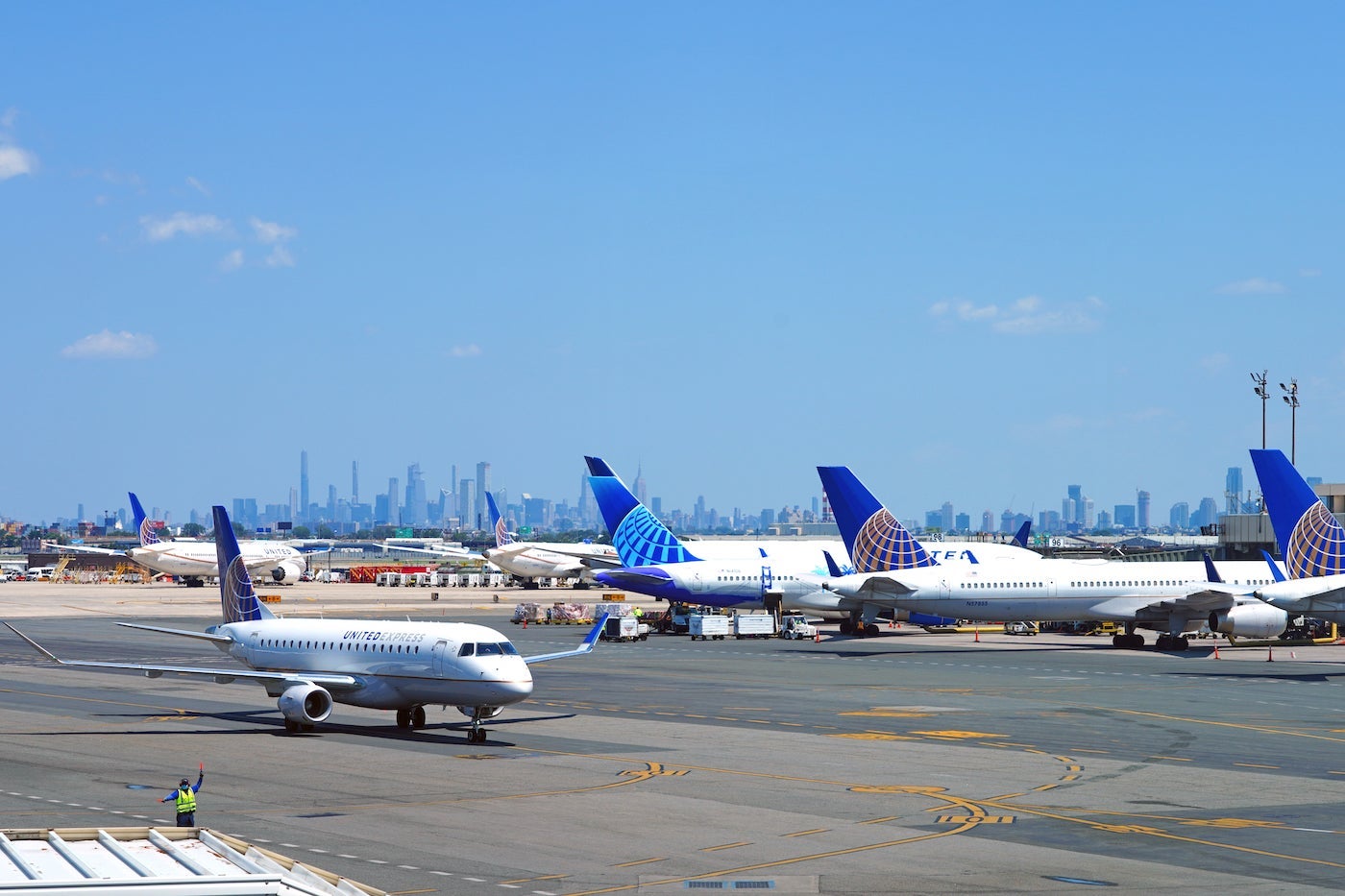
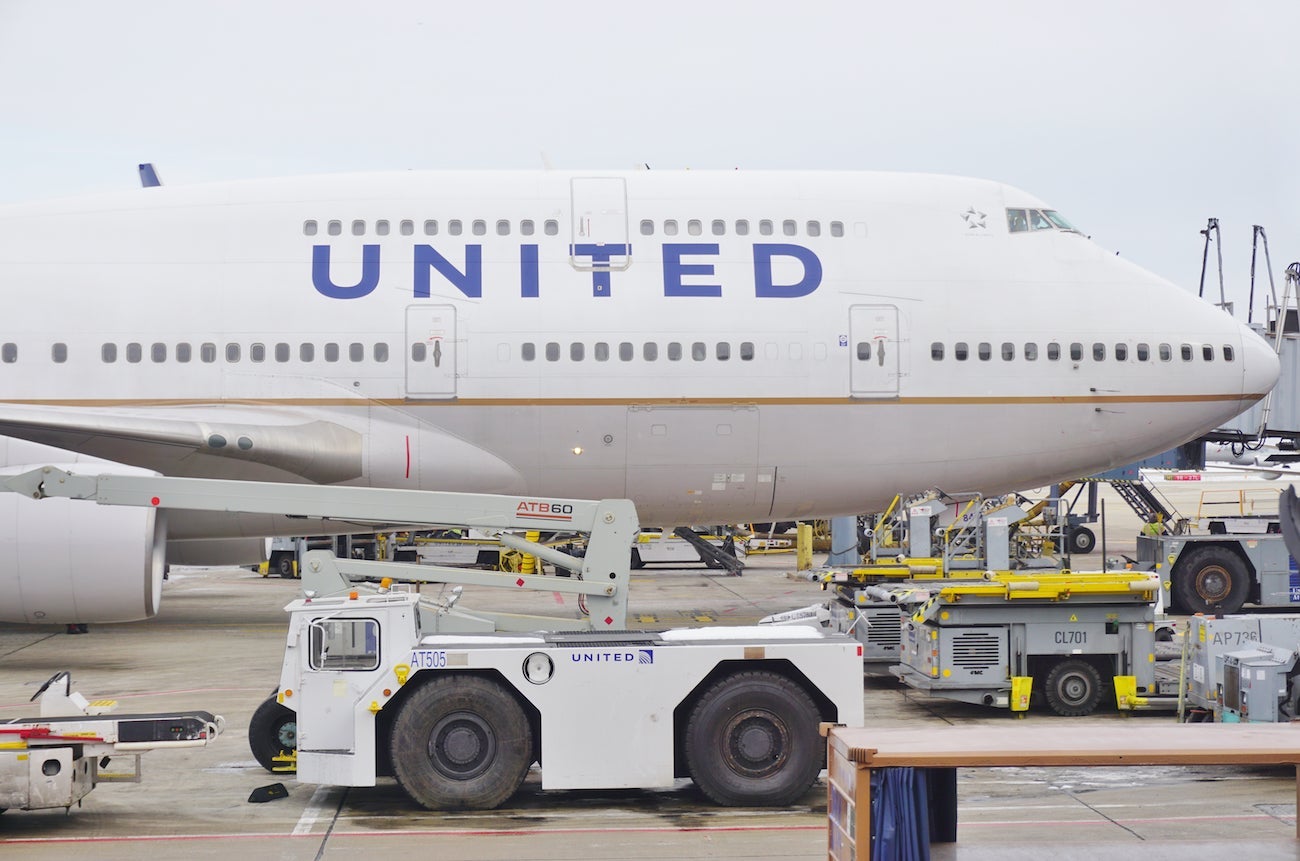
Before discussing mileage sales and the economics behind them, it’s important to understand how much airline and hotel loyalty programs are actually worth. Take, for example, United Airlines. In June, the airline had its loyalty program appraised at a massive $21.9 billion.
Why the appraisal? The Chicago-based airline plans to use this valuation as collateral for a $5 billion loan, in addition to money raised from the CARES act. As noted by View From The Wing, United will use slots, routes and gates as collateral for the government-issued loan.
This appraisal gave us a fascinating look at just how profitable MileagePlus is. In 2019, it had over 100 million members, with $5.3 billion in cash flow, making up a cool 12% of United’s total revenue.
This means that loyalty programs are no longer a small piece of the financial puzzle for airlines. Instead, they’re a major moneymaker that airlines can use to hedge against major revenue loss during slow travel years like 2020.
Like United, American is using its AAdvantage program as collateral for a loan. Specifically, American is seeking a government-issued CARES loan. Unfortunately, we didn’t get as many juicy details on the AAdvantage program as we did with United.
Cobrand credit cards and points transfers are a huge earner for airlines. (Photo by John Gribben for The Points Guy)
In terms of United Airlines, it actually “sells” the majority of its miles. Only 29% of miles are earned via flying and a whopping 71% are “purchased” by third parties.
How does this work? In short: United receives a payment whenever someone earns United miles through one of these avenues. There’s an internal rate that the financial partner pays for each mile awarded. The airline states that this is roughly two cents apiece, but it depends on the partnership.
This revenue isn’t going away anytime soon either. United recently extended its Chase partnership through 2029, so it can expect huge profits on mileage “sales” to the bank for years to come. The airline claims that it has 3-5 year contracts with the rest of its partners too.
Speaking of United and Chase’s partnership, it’s most certainly a cash-cow. The airline had expected to bring in an additional $400 million in 2020 with the expanded partnership’s new terms. However, due to the pandemic, this may have changed. In United’s words:
“The Company currently estimates that the new commercial terms, anticipated portfolio growth and participation in Chase Ultimate Rewards will increase the annual cash contribution to the Company by approximately $400 million in 2020 from the combined impact of the Agreement and the amendment to the agreement with Visa.”
Loyalty programs are the perfect hedge against revenue loss
With all this in mind, it’s safe to say that loyalty programs are the perfect hedge against travel downturns. Consumers don’t stop spending money because they can’t travel. If those consumers have airline cobranded credit cards, they’re still supporting their favorite airline through everyday spending.
On top of this, we’ve seen banks pre-purchase airline miles and hotel points from their respective partners. A recent SEC filing shows that American Express pre-purchased $1 billion in Hilton points to help the hotel group through the pandemic’s travel downturn. Likewise, United and Delta have been in talks with their respective banks for a similar pre-purchase.
Why would a bank do this? Simple: it’s in the bank’s best interest to help cobrand partners stay afloat — after all, what good is an insolvent cobrand partner? The Wall Street Journal notes that these pre-purchase deals often come with a steep discount, so it’s a win-win for everyone.
Having these bank partners is a huge asset for airlines and other travel companies. They provide consistent cash flow during normal travel times and a bailout when travel is slow. It could be the single thing holding some of the largest U.S. airlines together.
By the way, airlines using loyalty programs to hedge against losses isn’t a new trend. United saw a 19% drop in revenue during the 2008-09 financial crisis. At the same time, its loyalty program’s revenue dropped by a mere 2%. It will be interesting to see if the coronavirus travel downturn leads to similar results.
Bankruptcy doesn’t (usually) affect miles and points
We’ve seen many airlines go bankrupt through the coronavirus pandemic, with LATAM and Virgin Australia being two of the most notable. One would think that impending bankruptcy would deter travelers from wanting to purchase flights, but that’s actually not the case.
After all, airlines and bankruptcies are like bread and butter. Over the past 20 years, we’ve seen all of the big carriers file for bankruptcy at least once. Thankfully, each of these airlines has managed to keep their loyalty programs around through the process — and you shouldn’t expect that to change.
We recently spoke with Christopher Barnard — Co-Founder and President of Points — about how loyalty programs are helping travel companies through the coronavirus pandemic. When discussing airline bankruptcy, he had a positive outlook.
“Most of our airline partners have gone bankrupt at least once,” states Barnard, “what has been very consistent is the experience of the loyalty program hasn’t changed that much through that whole process.”
Likewise, Barnard said that bankruptcy hasn’t historically reduced demand for points and miles. ”If an airline goes bankrupt [you’d think] no one wants their miles,” continues Barnard, “It’s actually been the opposite case.”
That said, it’s worth keeping in mind that there is still some risk involved with earning points and miles from a bankrupt airline. Check out our full article on if airline miles survive bankruptcy for more info.
How consumers are earning points and miles during the pandemic
(Photo by EQRoy/Shutterstock)
So now you know how loyalty programs are helping airlines — but how are consumers earning points and miles during the pandemic? Well, as discussed earlier, the majority of airline miles aren’t earned by flying.
It’s safe to assume that the majority of miles are earned through credit cards. Every major U.S. airline has a cobranded credit card, and many of these are awarding bonus miles and elite status during the pandemic.
These perks incentivize travelers to spend more on their cobranded cards while grounded during the pandemic. Meanwhile, airlines generate revenue when they need it the most. Airlines need to keep offering these incentives to incentivize spending on credit cards.
Travel companies are selling tons of miles and points during the pandemic
(Photo by TOSP/Shutterstock)
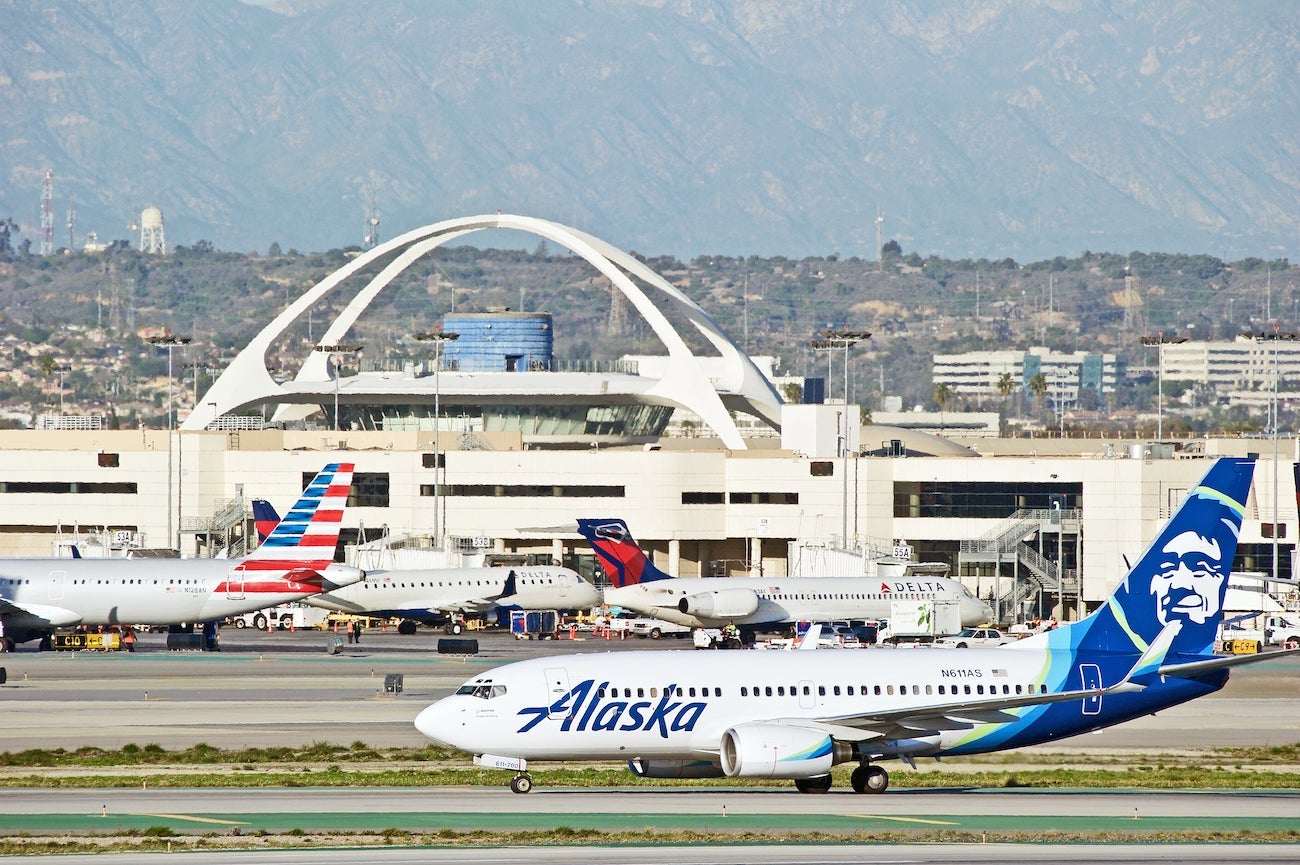
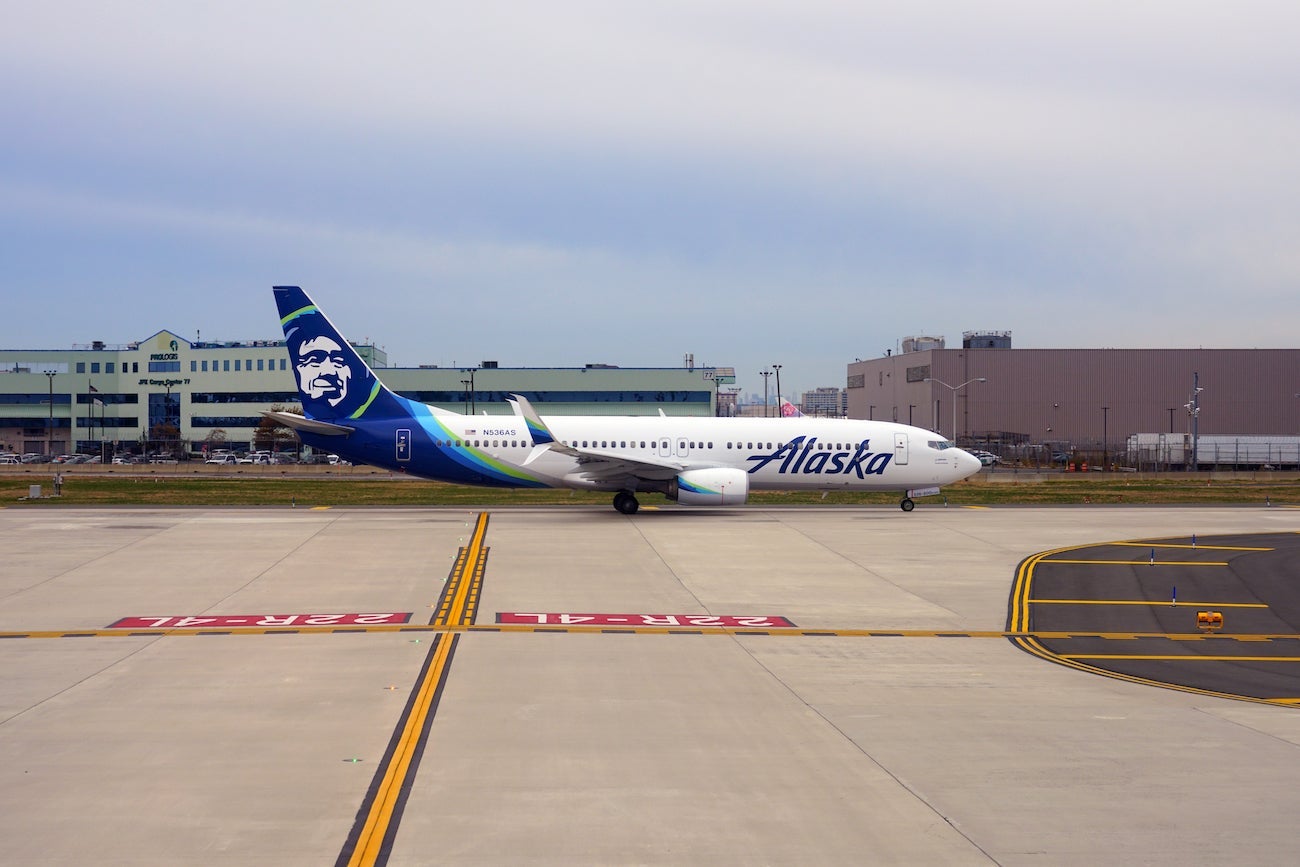
You’ve likely received countless emails from your favorite airlines and hotels since the start of the pandemic, advertising huge points and miles sales. In fact, almost all of the major airlines and hotel programs in North America have offered incredible sales on miles and points in an effort to raise cash. Some of the most notable sales include discounted miles from Alaska Airlines, British Airways and Marriott.
These provide a quick and easy way for airlines to raise additional capital. It allows loyalty members to effectively pre-purchase travel at a discount, similar to how banks are pre-purchasing miles they will later award to cobranded credit cardmembers.
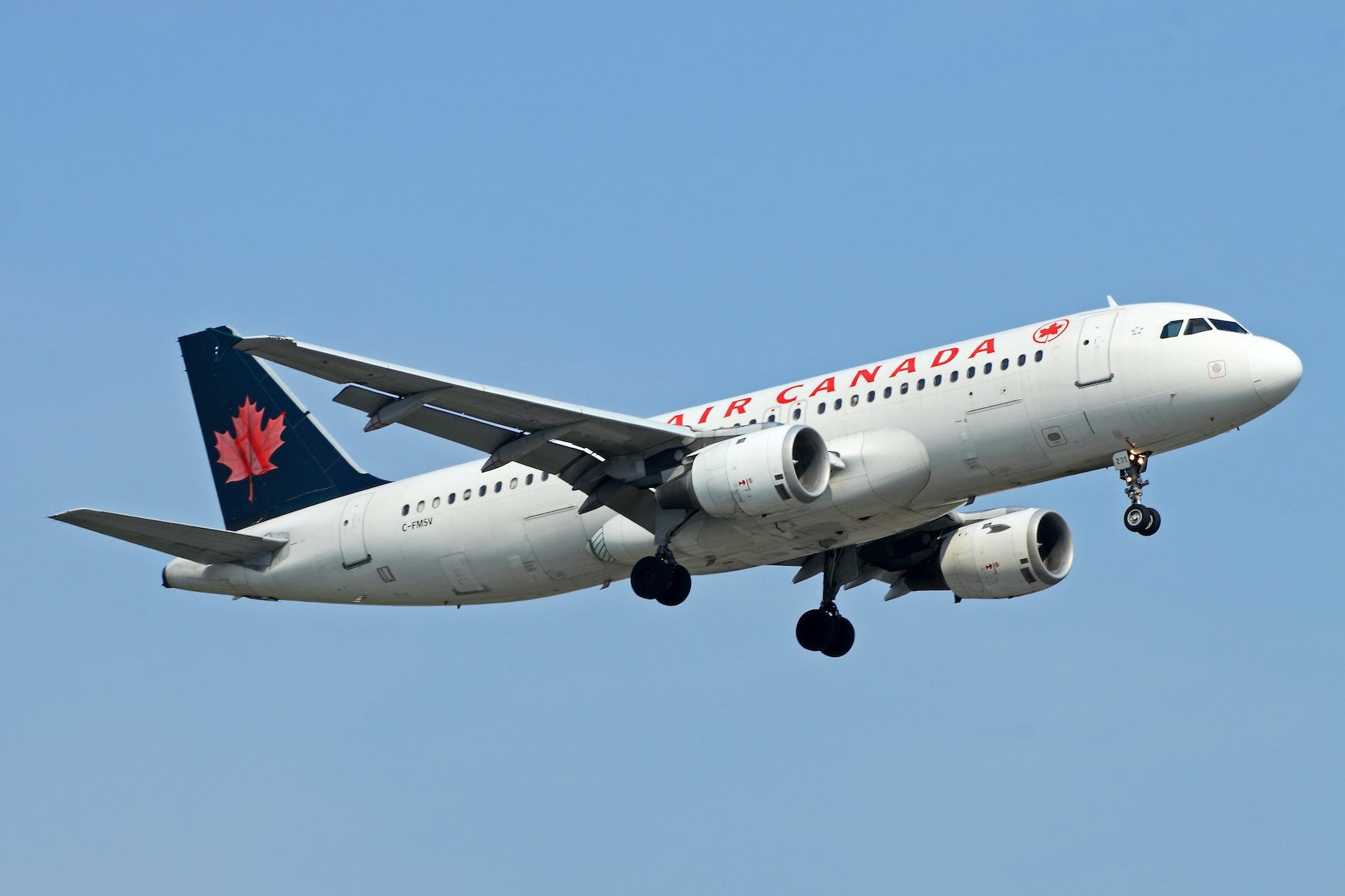
One of the best deals we saw was Air Canada selling Aeroplan miles for as little as one cent apiece. With this sale, you could effectively purchase a one-way ticket from North America to Europe for $550 (assuming a 55,000-mile redemption).
Points — the company which ran the sale for Air Canada — told TPG that, “We launched at 10 am and by 10:02 am, we had over 2000 Aeroplan Members trying to log onto the storefront in that same minute.” The offer sold out within minutes.
Why are customers buying miles now? Barnard used the example of a sale at a grocery store. If a $2 can of tuna is on sale for half the cost, a shopper is incentivized to buy more than they immediately need, since it’s shelf-stable and will last for years. The same is the case for airline miles: members may not travel next week, but they know they will by next year.
Airlines reign king in mileage sales, but hotels are quickly catching up
(Photo by Tobias Arhelger/Shutterstock)
It’s hard to tell exactly who is selling the most points and miles. Barnard told us that while airline miles are still selling the most, hotel points are quickly catching up to the airlines.
This makes sense too. If people don’t want to hop on an airplane right now, they may look to nearby destinations that they can access by car. Naturally, these consumers will pick up cheap hotel points to redeem on staycations and road trips.
Expect more cross-brand partnerships in the future
Before we conclude, Barnard left me with something interesting to think about. Airlines and retail companies need a way to drum up revenue this year. This may create some interesting crossover promotions, like being able to earn miles on other everyday expenses.
He used the example of the new Home Chef and Wyndham partnership that Points helped engineer. Under this program, you can earn Wyndham Rewards points when you purchase a meal kit from Home Chef. The first order earns 2,500 points while each subsequent order earns 500 points.
“Home Chef needs to grow their business,” Barnard states, “We believe they shouldn’t focus on creating a Home Chef point — there’s just not enough volume.” Instead, the two companies partnered to offer points that people already earn and redeem, making for a more attractive loyalty program that people will actually want to use.
Another example of a cross-brand partnership is Aeroplan’s new Uber Eats partnership. Using this promotion, you can earn 2x Aeroplan miles per dollar spent on food delivery through the Uber Eats app. This is beneficial for both parties and is something we likely see a lot more of in the coming years.
Looking ahead: should we expect mass devaluations?
(Photo by EQRoy/Shutterstock)
Here’s the thing: if loyalty programs are becoming more valuable and airlines are minting more miles, we may be ripe for a devaluation in the near future. Airlines incur liability when they sell these miles and will need to find a way to reduce said liability before travelers start to redeem miles again.
In practice, it looks like this: airlines make money selling miles but need to pay for award redemptions later down the line. Devaluing miles effectively lets them reduce this liability by increasing the number of miles needed for a given award.
On the other hand, a devaluation like this wouldn’t look great for airlines. Kicking travelers while they’re already down is a bad move in the public eye, so this may deter airlines from an immediate devaluation.
While there is no way to say for sure, I would think twice before buying miles or spending on a cobrand credit card. The best way for you to hedge against a major airline devaluation is to spend on transferable points credit cards and only buy miles and points when you have an immediate redemption in mind.
Airline and hotel loyalty programs are a vital lifeline to travel companies during the coronavirus pandemic. They’re providing more revenue to these companies and can act as an important instrument for securing loans to stay afloat during these tough times.
As business travel stays low, expect airlines and hotel groups to continue investing in their loyalty programs to drum up demand and revenue. I firmly believe that this is the only way for airlines to avoid massive downsizing as we wait for “normal” travel to resume.
So, what does this mean for us travelers? I think it means that we’ll see more lucrative miles and points sales, flight promotions and increased credit card bonus offers. These have already started appearing in the market, but I think the best is still to come.
Feature photo by EQRoy/Shutterstock
Comments
By commenting, you agree to our Community Guidelines to help create a positive space for conversation. The responses below are not provided or commissioned by the bank advertiser, our partners, or The Points Guy (“TPG”). They have not been reviewed, approved, or otherwise endorsed by any of these parties. All responses are submitted by individual contributors, and neither the bank advertiser, our partners, nor TPG are responsible for ensuring that all posts and/or questions are answered.