Why are most aircraft painted predominantly white?

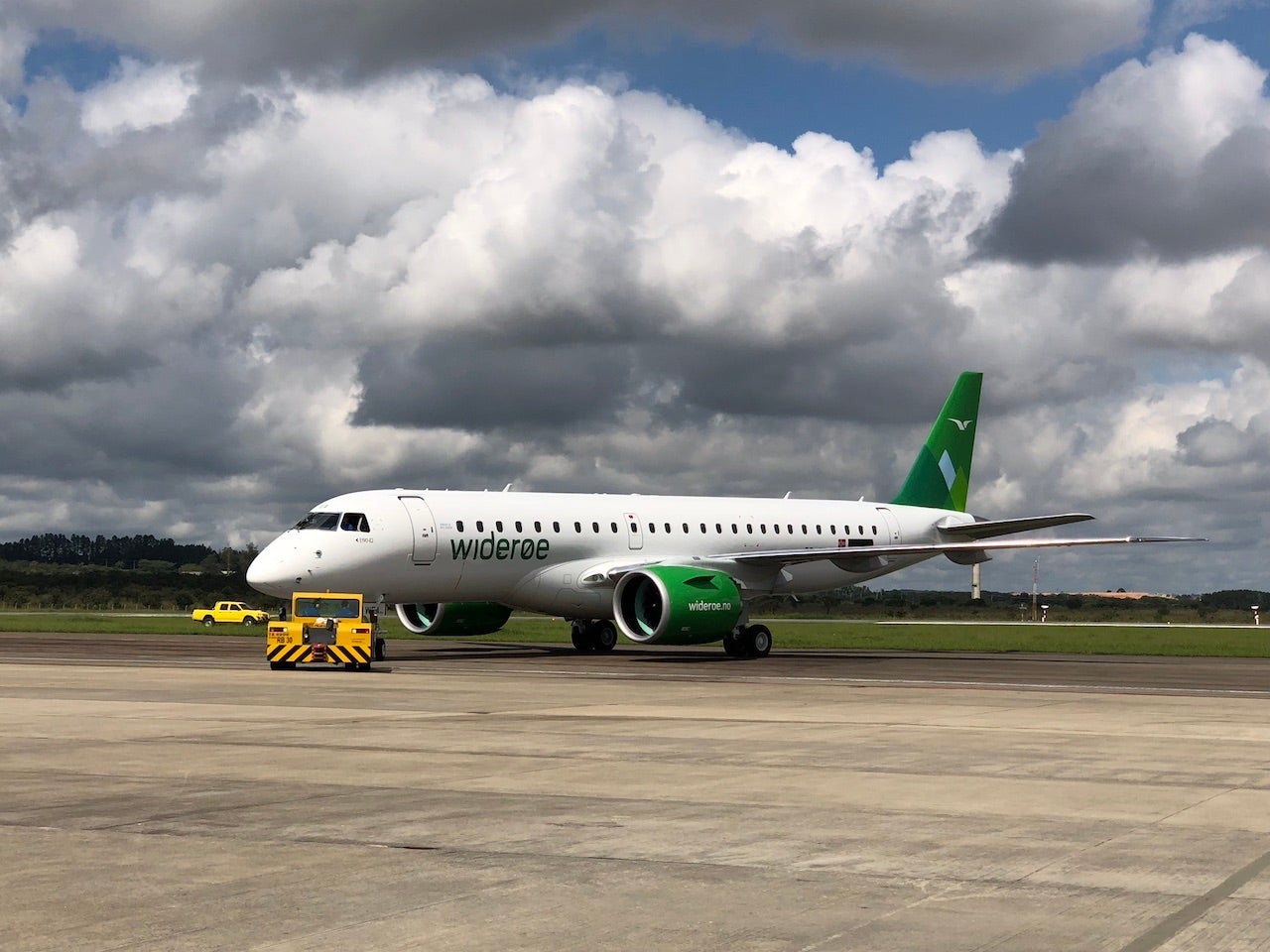
Aircraft liveries, or the designs painted on the exterior of aircraft from the nose to the tail, are a way to identify to which airline the plane belongs. You may be able to easily recognize an aircraft flying miles overhead due to the color scheme of the tail, and the airline name across the fuselage.
Airlines spend huge amounts of money on this branding exercise, and when liveries are updated, they are the subject of much debate as passengers decide if the new design is an improvement on the old one. Though there are some unique and eye-catching creations, one factor of the liveries across most airlines is the same — they are predominantly white.
Is this just a coincidence?
Well, no — here's why.
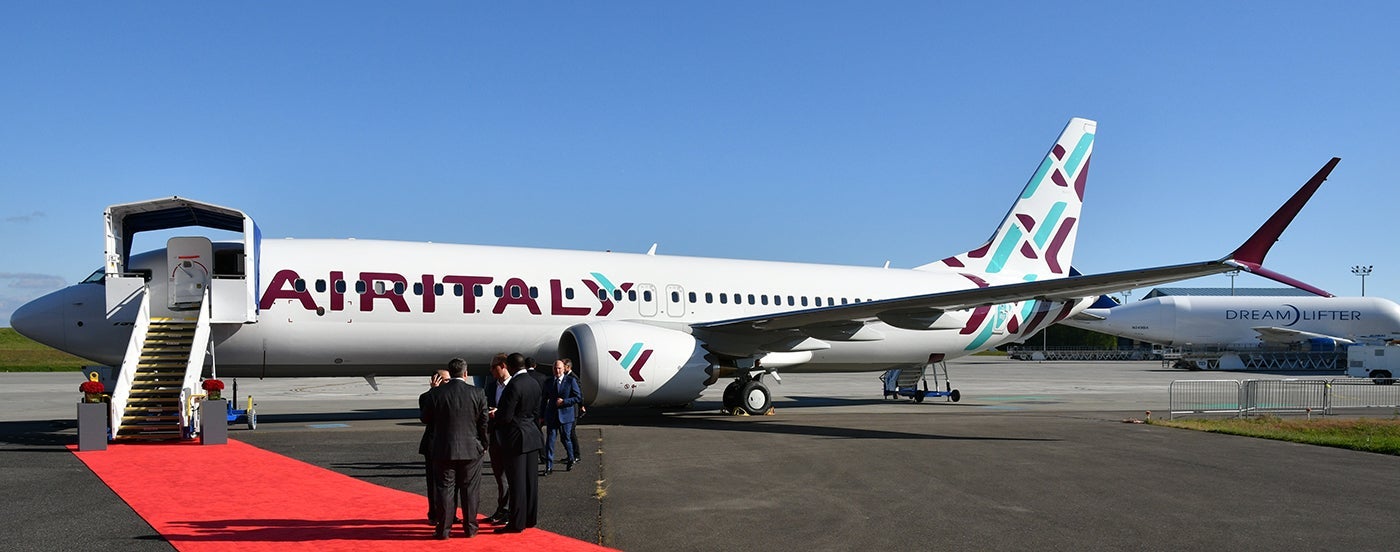
One reason is that white paint reflects sunlight, helping to keep aircraft cool and minimize any potential damage from solar radiation.
To keep aircraft as light as possible in order to reduce fuel costs, planes are made from composite materials, which need protection from the heat of the sun, as MIT Aeronautics and Astronautics professor R. John Hansman told Business Insider. The cooler the plane is from the paint protecting its exterior, the less cooling (and subsequent expense) will be required inside.

Although a tin of paint by itself might not weigh much, airlines need a lot of paint to cover an entire aircraft — especially a Boeing 747 or Airbus A380. This can add half a tonne to the weight of the plane. This is another reason airlines favor minimal, plain designs — adding lots of different colors and layers for a snazzy yet complex livery costs more to paint, and therefor weighs more to fly each and every time the aircraft takes to the skies.
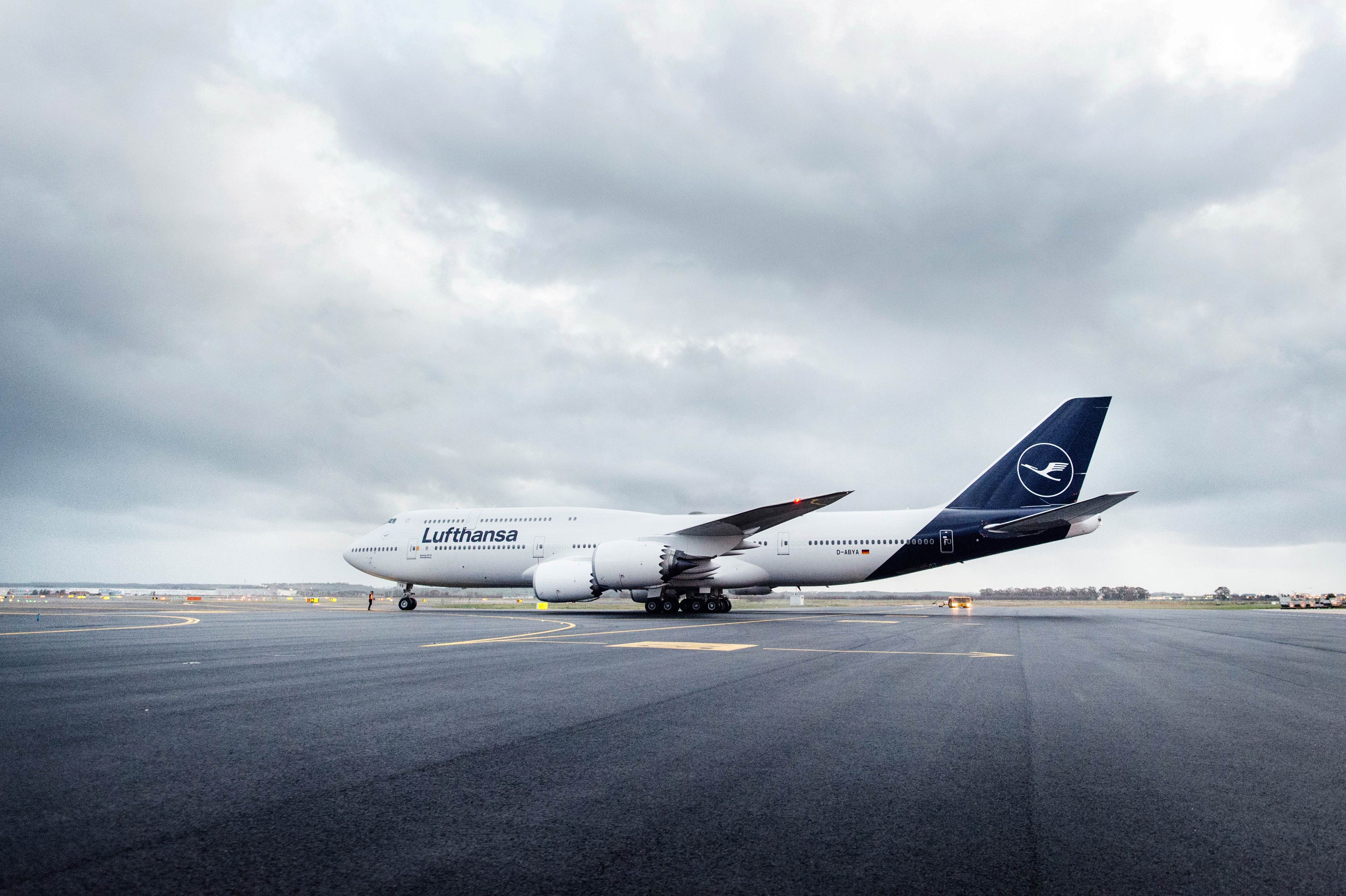
Like a car or luxury leather sofa in your living room, white does show the dirt. You may have noticed some older white aircraft looking particularly dirty, especially around the doors where the aerobridges connect with the plane. You might think white color schemes have a big downside of making planes look dirtier than they might be in a darker color, but the white paint does help with aircraft maintenance for this exact reason. Cracks and dents in the aircraft fuselage can be more easily spotted on white paint.
Airlines do sometimes paint entire planes with nonwhite designs, such as the famous Air New Zealand All Blacks Boeing 777 aircraft. While these are expensive to paint and do not offer some of the protection that white paint does as mentioned above, they are used for promotional purposes, which helps to offset the increased cost.

Sign up for the free daily TPG newsletter for more travel tips!
TPG featured card
at American Express's secure site
Terms & restrictions apply. See rates & fees.
| 4X | Earn 4X Membership Rewards® points per dollar spent on purchases at restaurants worldwide, on up to $50,000 in purchases per calendar year, then 1X points for the rest of the year. |
| 4X | Earn 4X Membership Rewards® points per dollar spent at US supermarkets, on up to $25,000 in purchases per calendar year, then 1X points for the rest of the year. |
| 5X | Earn 5X Membership Rewards® points on prepaid hotel stays booked through AmexTravel.com or the Amex Travel App™. |
| 3X | Earn 3X Membership Rewards® points on flights booked through AmexTravel.com, the Amex Travel App™, or purchased directly from airlines. |
| 2X | Earn 2X Membership Rewards® points on prepaid car rentals booked through AmexTravel.com or the Amex Travel App™ and cruises booked and paid through AmexTravel.com. |
| 1X | Earn 1X Membership Rewards® point per dollar spent on all other eligible purchases. |
Pros
- Valuable dining and food-related credits
- Flexible rewards with airline and hotel transfer partners
- Multiple travel and purchase protections
- No foreign transaction fees
- Access to Amex Offers for additional savings (enrollment required)
Cons
- Not as useful for those living outside the U.S.
- Some may have trouble using Uber and other dining credits
- You may be eligible for as high as 100,000 Membership Rewards® Points after you spend $8,000 in eligible purchases on your new Card in your first 6 months of Card Membership. Welcome offers vary and you may not be eligible for an offer. Apply to know if you’re approved and find out your exact welcome offer amount – all with no credit score impact. If you’re approved and choose to accept the Card, your score may be impacted.
- Earn 4X Membership Rewards® points per dollar spent on purchases at restaurants worldwide, on up to $50,000 in purchases per calendar year, then 1X points for the rest of the year.
- Earn 4X Membership Rewards® points per dollar spent at US supermarkets, on up to $25,000 in purchases per calendar year, then 1X points for the rest of the year.
- Earn 5X Membership Rewards® points on prepaid hotel stays booked through AmexTravel.com or the Amex Travel App™.
- Earn 3X Membership Rewards® points on flights booked through AmexTravel.com, the Amex Travel App™, or purchased directly from airlines.
- Earn 2X Membership Rewards® points on prepaid car rentals booked through AmexTravel.com or the Amex Travel App™ and cruises booked and paid through AmexTravel.com.
- Earn 1X Membership Rewards® point per dollar spent on all other eligible purchases.
- Pay It® lets you tap in the American Express® App to quickly pay for small purchase amounts throughout the month and still earn rewards the way you usually do. Plan It® gives you the option to split up big purchases into equal monthly payments with a fixed fee. You’ll know upfront exactly how much you’ll pay.
- $120 Dining Credit: Earn up to a total of $10 in statement credits monthly when you pay with the Gold Card at Grubhub (including Seamless), Buffalo Wild Wings, Five Guys, The Cheesecake Factory, and Wonder. This can be an annual savings of up to $120. Enrollment required.
- $100 Resy Credit: Get up to $100 in statement credits each calendar year at over 10,000 qualifying U.S. Resy restaurants after you pay for eligible purchases with the American Express® Gold Card. That’s up to $50 in statement credits semi-annually. Enrollment required.
- $84 Dunkin' Credit: Earn up to $7 in monthly statement credits after you pay with the American Express® Gold Card at U.S. Dunkin’ locations. Enrollment required.
- $120 Uber Cash on Gold: Enjoy up to $120 in Uber Cash annually with your Gold Card. Just add your Card to your Uber account and you'll get $10 in Uber Cash each month to use on orders and rides in the U.S. when you select an Amex Card for your transaction.
- Enjoy complimentary Hertz Five Star® Status benefits like skipping the counter at select locations, adding an additional driver at no additional cost*, and vehicle upgrades**. Benefit enrollment and Hertz Gold+ registration are required. *Additional drivers must meet standard rental qualifications and must be a spouse or domestic partner to qualify as complimentary. Other additional drivers subject to fees. **Benefits are subject to availability and vary by location. Additional Hertz program Terms and Conditions including age restrictions apply.
- Book two nights or more with The Hotel Collection through AmexTravel.com or the Amex Travel App™ and receive a $100* credit towards eligible charges at over 1,400 upscale hotels worldwide. *Eligible charges vary by property.
- Book your travel through the Amex Travel App™ with added peace of mind – backed by American Express® service and support. Only for American Express® Card Members.
- Whenever you need us, we're here. Our Member Services team will ensure you are taken care of. From lost Card replacement to statement questions, we are available to help 24/7.
- No Foreign Transaction Fees.
- Annual Fee is $325.
- Terms Apply.