How soon can you travel after testing positive for COVID-19?


A positive COVID-19 test during a trip can throw all your travel plans into limbo. But even a positive test in the weeks before you travel can be cause for concern.
If you're wondering when you'll be cleared to travel again after testing positive for COVID-19, it's an important question: Here's everything you need to know.
What are the rules on flying back to the US?
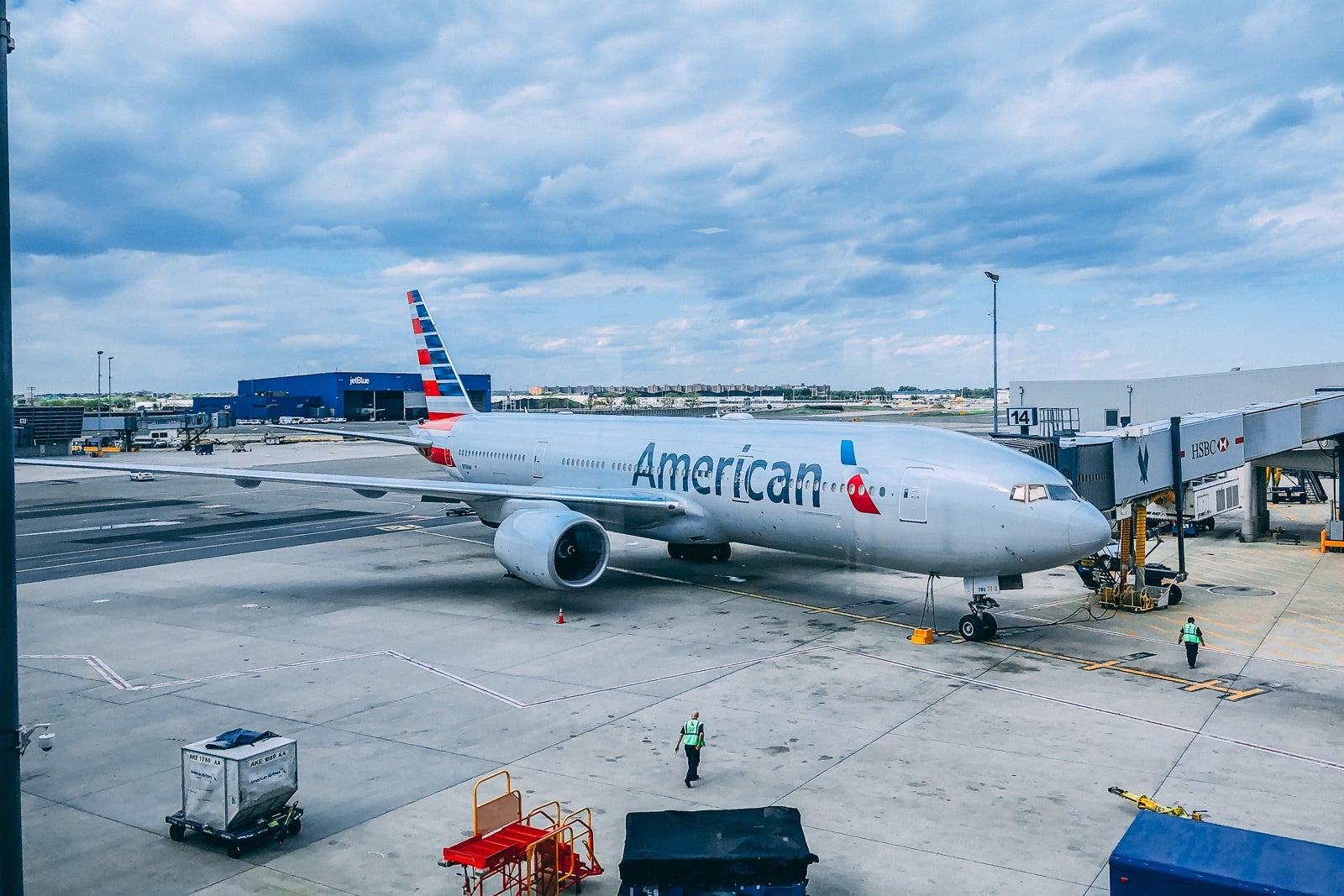
If you've traveled internationally in the past year, you're likely familiar with the rules to fly back to the United States, but they've changed several times.
All travelers coming to the U.S., vaccinated or not, must produce a negative COVID-19 test taken within one calendar day of their departure. (The previous policy allowed vaccinated international travelers to show a negative test taken within three days before departure.) Additionally, international foreign travelers can enter the U.S. with proof of vaccination and a negative COVID-19 test.
If you have a positive test, does that mean you're banned from flying back to the U.S.? Not quite — but the rules can be a little confusing even if you're a seasoned traveler. If you recently had COVID-19 but recovered from the virus, you can still travel back to the U.S., but you'll need the proper paperwork. Let's break it down.
What paperwork do I need to travel after testing positive?

People who recovered from COVID-19 may continue to test positive for the virus up to three months after infection, even after they've recovered.
According to the U.S. Centers for Disease Control and Prevention, travelers who recently recovered from COVID-19 can fly back to the U.S. with proof that they've recovered from COVID-19 instead of a negative test. This proof can include your positive COVID-19 viral test result, but it has to be taken no more than 90 days before your flight's departure from a foreign country.
Additionally, you will also need a signed letter from a licensed healthcare professional stating that you're cleared to travel back to the U.S. According to the CDC, the letter from a healthcare provider must include:
- Information that identifies you personally (such as your name and date of birth) and matches your passport.
- The letter must be signed and dated by the healthcare provider.
- The letter must be on official letterhead that contains the name, address and phone number of the healthcare provider or public health official who signed the letter.

The CDC says the positive test result and letter together are referred to as "documentation of recovery." If you tested positive, that's the only way to be able to fly back to the U.S. if you've recovered from the virus but don't have a negative test result.
Proof of recovery is also acceptable for certain destinations, so you may be able to use this documentation to travel abroad after you're cleared by a doctor to travel.
What if I can't show proof of recovery?
The CDC is pretty strict on this rule: You either need a negative COVID-19 test or proof of recovery. The agency says, "If you have recovered from COVID-19 but are not able to obtain documentation of recovery that fulfills the requirements, you will need to show a negative COVID-19 viral test result from a sample taken no more than one day before your flight to the US departs."
How soon can I leave my destination after a positive COVID-19 test?
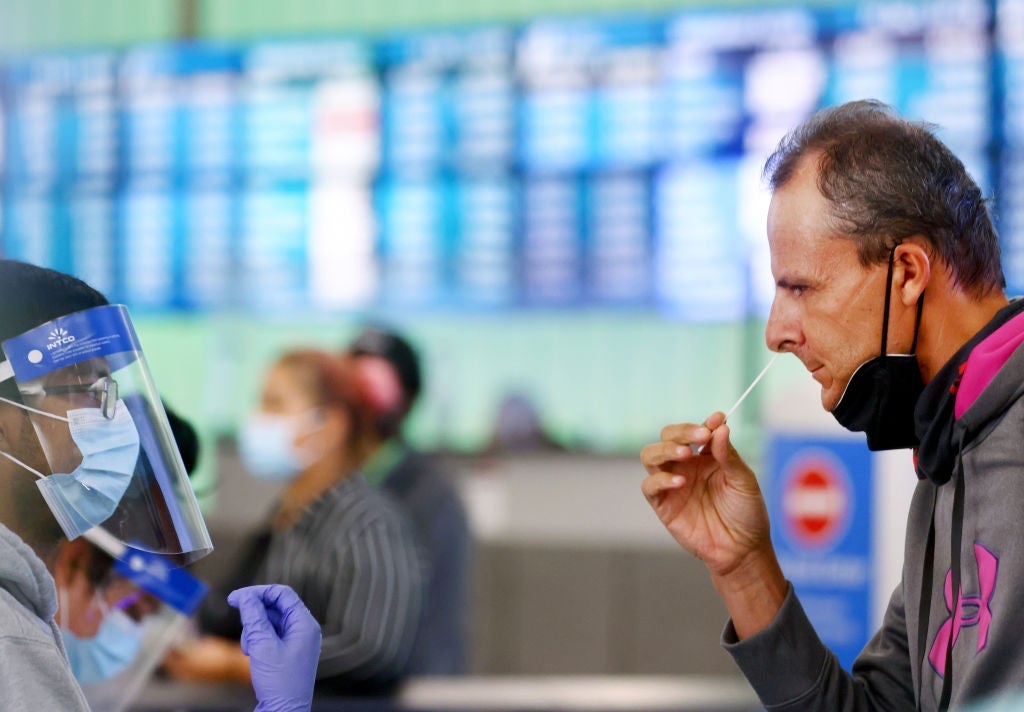
Travelers have to consider the possibility of testing positive for COVID-19 while abroad. What happens after the positive test depends entirely on the destination and, in some cases, your vaccination and booster status.
For instance, if you test positive while in France, you'll have to quarantine for seven days if you're fully vaccinated with a booster dose. However, you can leave quarantine after five days with a negative antigen or RT-PCR test result and if you've had no symptoms in 48 hours. If you are not fully vaccinated (France will soon require travelers to have a booster to be considered fully vaccinated) or not vaccinated and test positive, you must isolate for 10 days, though the quarantine can be shortened.
So if you have international travel planned, you'll need to read up on the rules around how long you'll have to stay in quarantine and the documentation you'll need for your flight back to the U.S.
TPG featured card

at Capital One's secure site
Terms & restrictions apply. See rates & fees.
| 5X miles | Earn 5X miles on hotels, vacation rentals and rental cars booked through Capital One Travel |
| 2X miles | Earn unlimited 2X miles on every purchase, every day |
Pros
- Stellar welcome offer of 75,000 miles after spending $4,000 on purchases in the first three months from account opening. Plus, a $250 Capital One Travel credit to use in your first cardholder year upon account opening.
- You'll earn 2 miles per dollar on every purchase, which means you won't have to worry about memorizing bonus categories
- Rewards are versatile and can be redeemed for a statement credit or transferred to Capital One’s transfer partners
Cons
- Highest bonus-earning categories only on travel booked via Capital One Travel
- LIMITED-TIME OFFER: Enjoy $250 to use on Capital One Travel in your first cardholder year, plus earn 75,000 bonus miles once you spend $4,000 on purchases within the first 3 months from account opening - that’s equal to $1,000 in travel
- Earn unlimited 2X miles on every purchase, every day
- Earn 5X miles on hotels, vacation rentals and rental cars booked through Capital One Travel
- Miles won't expire for the life of the account and there's no limit to how many you can earn
- Receive up to a $120 credit for Global Entry or TSA PreCheck®
- Use your miles to get reimbursed for any travel purchase—or redeem by booking a trip through Capital One Travel
- Enjoy a $50 experience credit and other premium benefits with every hotel and vacation rental booked from the Lifestyle Collection
- Transfer your miles to your choice of 15+ travel loyalty programs
- Top rated mobile app