Should I travel? Advice for the coronavirus outbreak

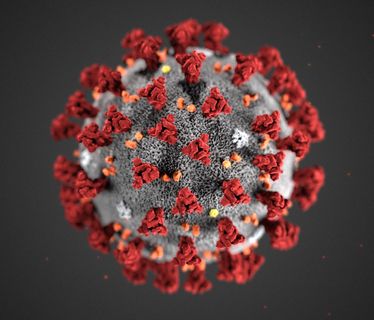
On Friday March 13, President Trump declared a national emergency over coronavirus. It will allow the federal government to distribute emergency funds to states and to organizations like FEMA. The move releases some $50 billion in aid.
All Americans are understandably concerned about the growing threat from the novel coronavirus (or COVID-19) that started in China back in December and has quickly spread to more than 125 countries.
Related: What to know about planning future travel
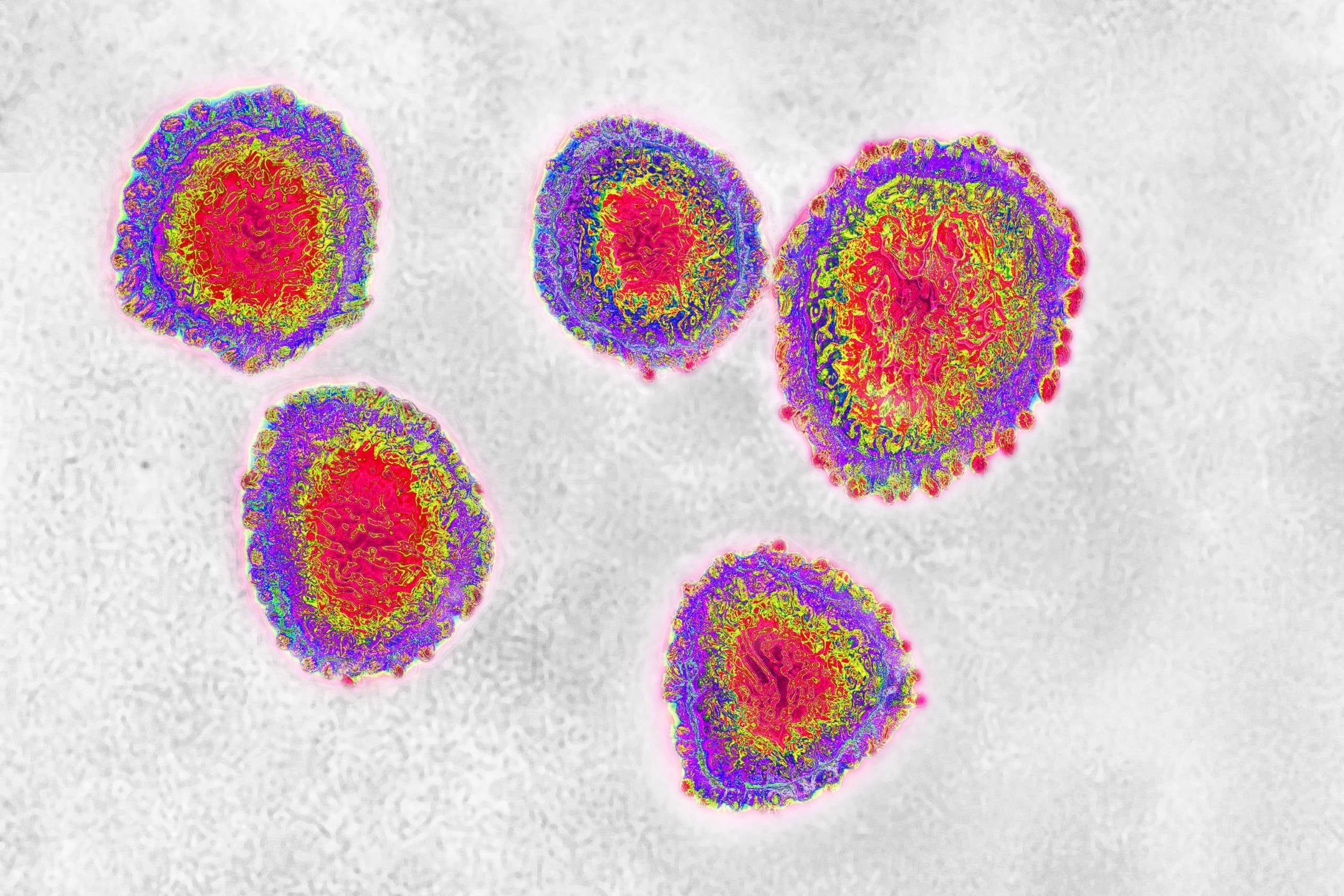
They want to know if they should proceed with their travel plans, or take advantage of wide-open award availability. Others are more interested in whether or not their trips are eligible for travel insurance protection. Companies within the travel industry, from cruise lines to hotel brands to airlines, have issued change and cancellation fee waivers, trip credits and more to reassure and incentivize worried travelers.
Understandably, travelers are trying to keep up with all the changes and find answers to their questions, including the most fundamental: Should I travel during the coronavirus outbreak?
Related: Which airlines and hotels are offering elite status extensions?
[table-of-contents /]
Related: These airlines and hotels are offering full refunds in response to coronavirus-impacted travel
Should I travel?
The team at The Points Guy loves to travel, but now is not the time for unnecessary trips. Health officials note that the fastest way to return to normalcy is to stop coming in contact with others. That includes ceasing travel.

We support the travel industry and want to be there for it and encourage more trips, but only when the time is right. Instead of traveling right now, we suggest this is the time to plan your next vacation. You don't have to book yet, but figure out where you want to go and map out the right strategy for building up the right points and miles for those trips.TPG can guide travelers through this process. We'll share the news when it's time to start booking, but at least for the short term let's all do as much as we can to help prevent the spread of COVID-19 and that includes hitting pause on travel.
Advice from the CDC
The U.S. Centers for Disease Control (CDC) has been inundated with requests for information, and it has put together a Q&A section we found particularly useful.
The CDC has several alert levels for coronavirus. The travel notices are based on the potential health risks for each area. A list of destinations ranked Level 1 to Level 3 can be found at the CDC website. Level 3 is considered a warning not to travel. The CDC says people should avoid nonessential travel to China, South Korea, Iran and all of Europe at this time.
Alert Level 2 means people with compromised immune systems or the elderly are advised against traveling to those countries. The CDC currently has a Level 2 advisory against travel to the entire planet.
Alert Level 1 means the CDC thinks the risk of contracting COVID-19 is low, but travelers should take precautions. No nations are currently ranked Level 1.
The CDC also encourages everyday prevention practices:
- Avoid close contact with people who are sick.
- Avoid touching your eyes, nose and mouth with unwashed hands.
- Stay home when you're sick.
- Cover your cough or sneeze with a tissue, then throw the tissue in the trash.
- Clean and disinfect frequently touched objects and surfaces.
- Wash your hands often with soap and water for at least 20 seconds, especially after going to the bathroom, before eating and after blowing your nose, coughing or sneezing.
- If soap and water are not readily available, use an alcohol-based hand sanitizer that contains 60% to 95% alcohol.
Should I cancel my travel plans?
Only you can make the very personal decision about whether or not to keep, postpone or cancel your trips. The Points Guy is not recommending any international travel at this time, but we encourage you to get a list going of all the places you want to see when we come out of the immediate crisis.
If you want to cancel your trip, be sure to get in touch with your airline, hotel, cruise line or other travel provider to see if they have any waivers in place. The Points Guy has a comprehensive guide to all things coronavirus here.
How to find airline cancellations
Your best resource for cancellations and waivers is to call the individual carrier, but The Points Guy is also a great resource. We've got a complete guide to coronavirus-related cancellations and news here, and a dedicated page for all the latest news on the outbreak.
We have several stories on what each airline is doing, including a guide about what to do if your flights aren't covered by a waiver and you still want to cancel.
Related: The latest updates on airline coronavirus-related waivers, cancellations and route suspensions
How to find travel advisories
Another great resource is the U.S. State Department. Go to travel.state.gov for the latest warnings and advisories. There is a big red banner on COVID-19. You can find the latest advisories and warnings here, and there are links to U.S. embassies in various countries for more destination-specific information.
Should I travel with a mask?
Wearing a face mask is more protection from you than for you, and the CDC does not recommend travelers wear face masks to protect themselves from the coronavirus. We are, however, seeing more travelers wearing masks on domestic flights and in U.S. airports. Many folks who are in the already-dirty environment of an airplane are now donning masks. Most of the scientific evidence suggests that wearing a face mask may help prevent the spread of germs (if you're sick), but won't offer you complete protection from getting sick.
Related: Myth-busting: Will a face mask keep you safe from viruses on a plane?
Wai Haung Yu, Ph.D., an expert in the field and a frequent flyer, told TPG, "[A mask is] not guaranteed to protect you against any virus, especially if you don't ensure it fits properly." The coronavirus particles are smaller than those filtered by most of these masks. Coronavirus particles measure 0.1 micron, as opposed to the 0.3 micron blocked by most masks.
Are airplanes clean?
Fortunately the CDC says it's not as easy as you might imagine to catch a bug on an airplane. That's thanks in part to the fact most airlines use powerful HEPA filters to clean the air you are breathing.
If you're worried about the spread of viruses and bacteria, it won't hurt to sanitize your airplane seat the next time you fly.
Charles P. Gerba is a University of Arizona microbiologist and professor of epidemiology and biostatistics who is known for his methodologies for pathogen detection. "The right type of disinfecting wipes should work against [cold germs, norovirus, coronavirus, etc.]," Gerba told TPG. "Many have the organisms they can kill [listed] on the label. Or, you can go to their web page of the manufacturer and find out."
Clorox To Go travel disinfecting wipes, for example, kill 99.9% of viruses and bacteria, including staph, E. coli, MRSA, salmonella and strep.
We also talked to Kelly A. Reynolds, a professor and environmental microbiologist at the University of Arizona. "Coronavirus is actually easy to kill," Reynolds said. "Studies have shown that disinfecting wipes and hand sanitizers can kill bacteria and viruses that are much more difficult to kill than coronavirus."
When you clean your airplane seat, don't forget to use those wipes on the tray first, giving it a good cleaning before moving on to other surfaces such as the armrest and seatback displays.
Afterward, use hand sanitizer. "You need to worry about hand-to-orifice transmission in addition to surface contamination," said Reynolds. "Just sitting on a surface with illness-inducing organisms won't make you sick. But if you touch the surface with your hand and then touch your face, that's when you increase your chances of getting sick."
Consider that your hourly reminder to try and stop touching your face.
Some airlines are escalating cleaning procedures including fogging with disinfectants on some flights. Several airlines say they are doing more vigorous cleaning between flights. Alaska Airlines has even changed its service procedures. Flight attendants are now wearing gloves and not refilling any used cups.
And, what about that recirculated air?
You're more likely to catch a bug from the seatback pocket, the armrest or the tray table on a plane than from the recirculated air.
The CDC says, "Because of how air circulates and is filtered on airplanes, most viruses and other germs do not spread easily on airplanes. Although the risk of infection on an airplane is low, travelers should try to avoid contact with sick passengers and wash their hands often with soap and water for at least 20 seconds or use hand sanitizer that contains 60% to 95% alcohol."
Are hotel rooms clean?
There are plenty of steps you can take to clean your hotel room. Be sure to thoroughly wash your hands when you arrive and again after you've wiped surfaces down with antibiotic wipes. Then, ditch the pillowcases and comforters, as they can be germ carriers. Although it's not really convenient to pack your own bedding, that would be an extra step toward cutting down on the risk of infection. As an alternative, you could ask the hotel for new linens that haven't been opened yet.
But first, clean that hotel room. Get out those wipes, and focus on disinfecting the surfaces that are most likely to be contaminated, such as the remote control, light switches, bedside lamp switches, the alarm clock, the phone and the bathroom sink — you get the idea. Basically, any surface that is frequently touched.
Reynolds said, "Our studies [at the University of Arizona] show that housekeeping may not be using proper disinfectant products or disposable cleaning tools. Reusable sponges and mops can spread contaminants to multiple rooms."
There's no harm in giving your hotel room an extra round of cleaning. To keep yourself safe during this outbreak, remember to be diligent about washing your hands and cleaning potentially contaminated surfaces. These are the CDC's recommendations.
Will I be subject to additional screening?
If you're required to do a secondary screening, you should be polite and cooperate fully. Officials are trying to keep people safe and prevent the spread of this novel coronavirus.
People on flights to the U.S. from China or who have visited China are being directed to 11 ports of entry where all passengers are being screened. If passengers show no signs of the virus, they are told to self-screen for two weeks. We have not yet confirmed it, but there are some reports passengers returning from Europe may soon be subject to similar requirements.
Some people on cruise ships where there have been reports of illness are also being quarantined, and all major cruise lines have added extra medical screening at boarding for passengers that includes temperature readings. Anyone who shows a fever or low blood oxygen levels during such screening is being denied boarding. Many major cruise lines including Viking and Princess Cruises have cancelled all cruising temporarily.
Should I book travel deals?
It may be tempting to jump on deals as demand for air travel, cruises and hotels falls, but TPG suggests people wait to see how things shake out before making a lot of travel plans. It might be best to dust off that plan for a staycation.
With additional reporting by Jordi Lippe-McGraw, Elizabeth Hund, Melanie Lieberman, Katherine Fan, Gene Sloan and Zach Wichter.
TPG featured card

at Capital One's secure site
Terms & restrictions apply. See rates & fees.
| 5X miles | Earn 5X miles on hotels, vacation rentals and rental cars booked through Capital One Travel |
| 2X miles | Earn unlimited 2X miles on every purchase, every day |
Pros
- Stellar welcome offer of 75,000 miles after spending $4,000 on purchases in the first three months from account opening. Plus, a $250 Capital One Travel credit to use in your first cardholder year upon account opening.
- You'll earn 2 miles per dollar on every purchase, which means you won't have to worry about memorizing bonus categories
- Rewards are versatile and can be redeemed for a statement credit or transferred to Capital One’s transfer partners
Cons
- Highest bonus-earning categories only on travel booked via Capital One Travel
- LIMITED-TIME OFFER: Enjoy $250 to use on Capital One Travel in your first cardholder year, plus earn 75,000 bonus miles once you spend $4,000 on purchases within the first 3 months from account opening - that’s equal to $1,000 in travel
- Earn unlimited 2X miles on every purchase, every day
- Earn 5X miles on hotels, vacation rentals and rental cars booked through Capital One Travel
- Miles won't expire for the life of the account and there's no limit to how many you can earn
- Receive up to a $120 credit for Global Entry or TSA PreCheck®
- Use your miles to get reimbursed for any travel purchase—or redeem by booking a trip through Capital One Travel
- Enjoy a $50 experience credit and other premium benefits with every hotel and vacation rental booked from the Lifestyle Collection
- Transfer your miles to your choice of 15+ travel loyalty programs
- Top rated mobile app