The Points Guy believes that credit cards can transform lives, helping you leverage everyday spending for cash back or travel experiences that might otherwise be out of reach. That's why we publish a variety of editorial content and card comparisons: to help you find a great card to turn your goals into reality.
Our site may earn compensation when a customer clicks on a link, when an application is approved, or when an account is opened with our partners, and this may impact how or where these products appear. While we don't cover all available credit cards, our editorial team creates and maintains all of the analysis of these cards, and our content is not influenced nor subject to review by any credit card company, bank or partner prior to (or after) publication. Please view our advertising policy and product review methodology for more information.
Advertiser disclosure
The Points Guy believes that credit cards can transform lives, helping you leverage everyday spending for cash back or travel experiences that might otherwise be out of reach. That's why we publish a variety of editorial content and card comparisons: to help you find a great card to turn your goals into reality.
Our site may earn compensation when a customer clicks on a link, when an application is approved, or when an account is opened with our partners, and this may impact how or where these products appear. While we don't cover all available credit cards, our editorial team creates and maintains all of the analysis of these cards, and our content is not influenced nor subject to review by any credit card company, bank or partner prior to (or after) publication. Please view our advertising policy and product review methodology for more information.
Guides
The power of the Chase Trifecta: Maximize your earnings with 3 cards
Chris Nelson is a credit cards writer for TPG. He specializes in budget travel, hotels, earning elite status through minimal spending and redeeming points for maximum value.
Since launching TPG in 2010, founder Brian Kelly has expanded the team to include a distinguished editorial staff and an extensive network of freelancer contacts from around the globe. Today, TPG reaches 11 million unique monthly visitors and more than 3 million followers across social media platforms and has offices in New York City, Charlotte and the United Kingdom.
also contributed to this story
July 12, 2026 • 12 min read
The cards we feature here are from partners who compensate us when you are approved through our site, and this may impact how or where these products appear. We don't cover all available credit cards, but our analysis, reviews, and opinions are entirely from our editorial team. Terms apply to the offers listed on this page. Please view our advertising policy and product review methodology for more information.
Editorial note: This is a recurring post, regularly updated with new information and offers.
Editorial disclaimer: Opinions expressed here are the author's alone, not those of any bank, credit card issuer, airline or hotel chain, and have not been reviewed, approved or otherwise endorsed by any of these entities.
Comments
By commenting, you agree to our Community Guidelines to help create a positive space for conversation. The responses below are not provided or commissioned by the bank advertiser, our partners, or The Points Guy (“TPG”). They have not been reviewed, approved, or otherwise endorsed by any of these parties. All responses are submitted by individual contributors, and neither the bank advertiser, our partners, nor TPG are responsible for ensuring that all posts and/or questions are answered.
Related stories
Quick summary
Combining three complementary rewards cards can help maximize points earned across various spending categories.
This approach, often called a 'trifecta,' allows you to pool rewards into a single balance for higher-value travel redemptions.
The optimal card combination depends on your travel habits, willingness to pay annual fees and eligibility for business products.
Recent elevated offers and flexible redemption options make this strategy especially appealing for frequent travelers.
What to consider
Eligibility for business cards can influence which trifecta setup is best for you.
Some cards in the trifecta offer premium perks like lounge access and travel credits, while others focus on bonus categories or lower fees.
Points are valued at 2.05 cents each as of July 2026 per TPG's valuations.
What you'll miss from the article
A detailed comparison of different trifecta setups, including which combinations best fit various spending patterns and travel needs.
Generated by AI with support from our editorial team.
One of the easiest ways to earn more Chase Ultimate Rewards points is by pairing three complementary Chase cards — a strategy commonly known as the Chase Trifecta.
By using different cards for different spending categories and combining your rewards into a single Ultimate Rewards balance, you can earn more points on everyday purchases and redeem them for high-value travel.
The strategy is even more compelling right now thanks to an elevated offer on the (see rates and fees).
While there are several ways to build a Chase Trifecta, the right combination depends on your travel and spending habits and whether you're eligible for a business credit card.
Here's how the strategy works — and how to choose the best three-card setup for you.
What is the Chase Trifecta?
The Chase Trifecta is a combination of three of Chase's rewards-earning credit cards that help you maximize your earnings through spending.
Despite some of these cards earning cash back, you can convert cash back to points because all of these trifecta options include an Ultimate Rewards points-earning card.
To maximize the value of your rewards, we recommend converting all your rewards to Ultimate Rewards points, as TPG's July 2026 valuations peg them at 2.05 cents apiece.
What cards are in the Chase Trifecta?
The Chase Trifecta generally consists of three cards:
Note that you can also pair a Sapphire card with two Freedom cards if you don't qualify for or want a business card.
Sapphire Reserve
Annual fee: $795
Welcome offer: Earn 100,000 bonus points after spending $6,000 on purchases in the first three months from account opening.
This welcome offer is worth $2,050 based on TPG's valuations.
THE POINTS GUY
This card earns 4 points per dollar spent on flights and hotels booked directly, plus 3 points per dollar spent on dining (including takeout and delivery).
Its hefty $795 annual fee is offset by its $300 annual travel credit and up to $500 in annual The Edit hotel credits (up to $250 per transaction; when booking a two-night minimum stay). Other credits and perks, like a Priority Pass Select membership and access to Chase's growing network of Sapphire lounges, more than make up for the steep annual fee.
You can transfer your points to one of Chase's 14 partners to maximize their value. The Sapphire Reserve's flexibility and earning power make it an excellent travel companion and everyday earner.
You'll receive most of the travel protections and insurances offered by the Sapphire Reserve, like primary rental car insurance and trip cancellation insurance (an often underrated but useful benefit), but at lower coverage levels.
Welcome offer: Earn $200 bonus cash back after spending $500 on purchases within the first three months from account opening.
THE POINTS GUY
For the second part of the trifecta, you could choose the Freedom Unlimited. This card is an excellent choice for anyone who wants a catchall card for purchases that don’t fall into bonus-earning categories with other cards, as it earns at least 1.5% back on all purchases.
Welcomeoffer: Earn a $200 bonus after spending $500 on purchases in the first three months from account opening.
THE POINTS GUY
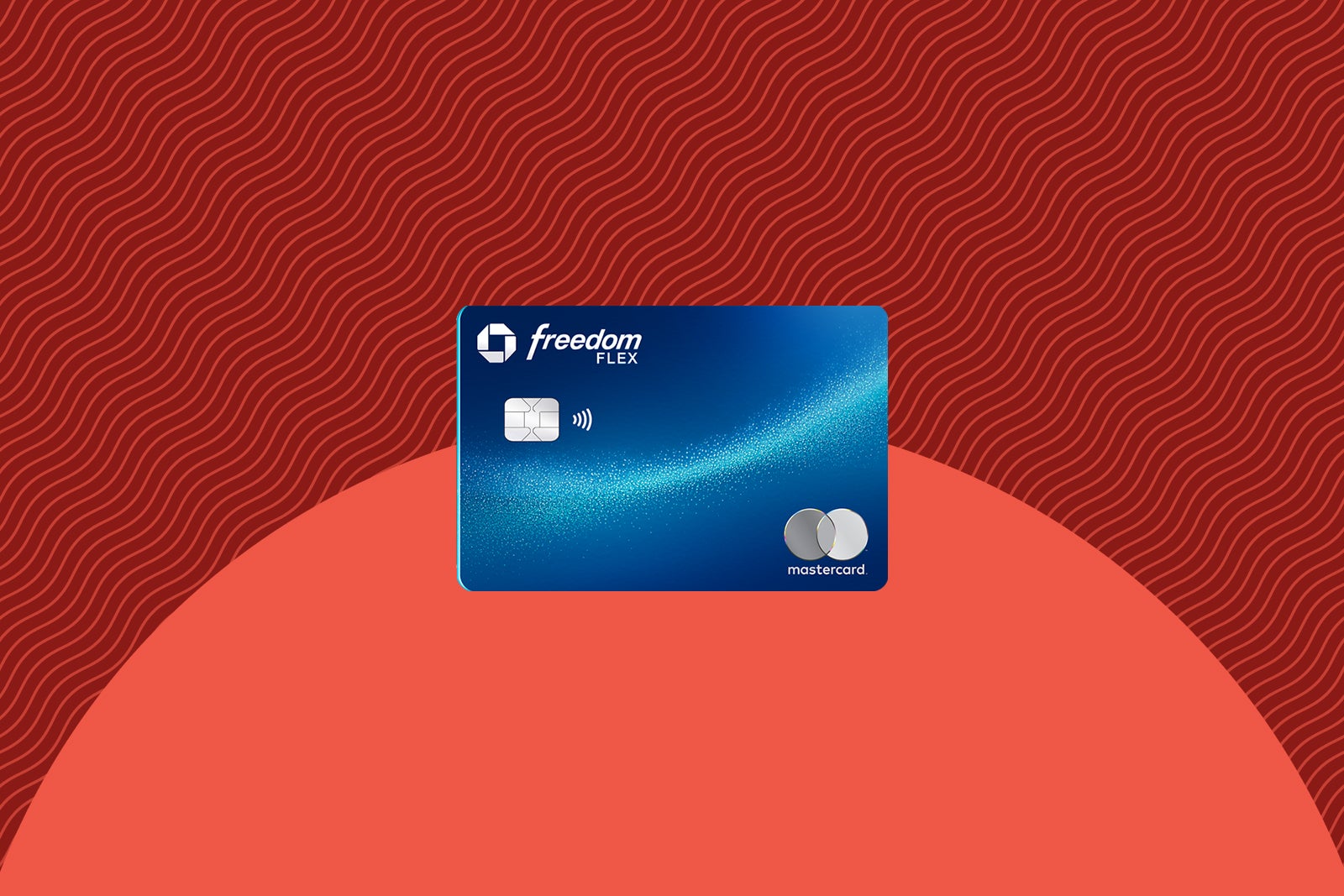
With the Freedom Flex, you'll earn 5% back on rotating quarterly categories (on up to $1,500 in combined spending per quarter, then 1%; activation required).
These quarterly categories are typically very easy to use and have previously included Amazon, PayPal and live entertainment.
With the Ink Business Preferred, you'll earn 3 points per dollar spent on travel, shipping, internet, cable and phone services, and advertising purchases made with social media sites and search engines (on up to $150,000 in combined spending each account anniversary year, then 1 point per dollar spent).
Along with primary rental car insurance for business rentals, the Ink Business Preferred also offers cellphone protection. This benefit provides coverage for your phone if it's stolen or damaged (up to three times per year) with a $100 deductible, as long as you pay your monthly cellphone bill with your card.
You can even protect your employees’ cellphones if their service lines are included on the same bill. Just note that the limit is $1,000 per claim and $3,000 (or three claims) per 12-month period.
When choosing a Chase Trifecta, consider what you're willing to pay in annual fees, your general travel and spending habits and whether you are eligible for a business card.
Based on these factors, it might make sense to replace one of the business cards listed above with another Chase product. Each of these cards covers a distinct spending area and offers unique perks as part of a well-rounded credit card strategy.
Sapphire Preferred vs. Sapphire Reserve vs. Sapphire Reserve for Business
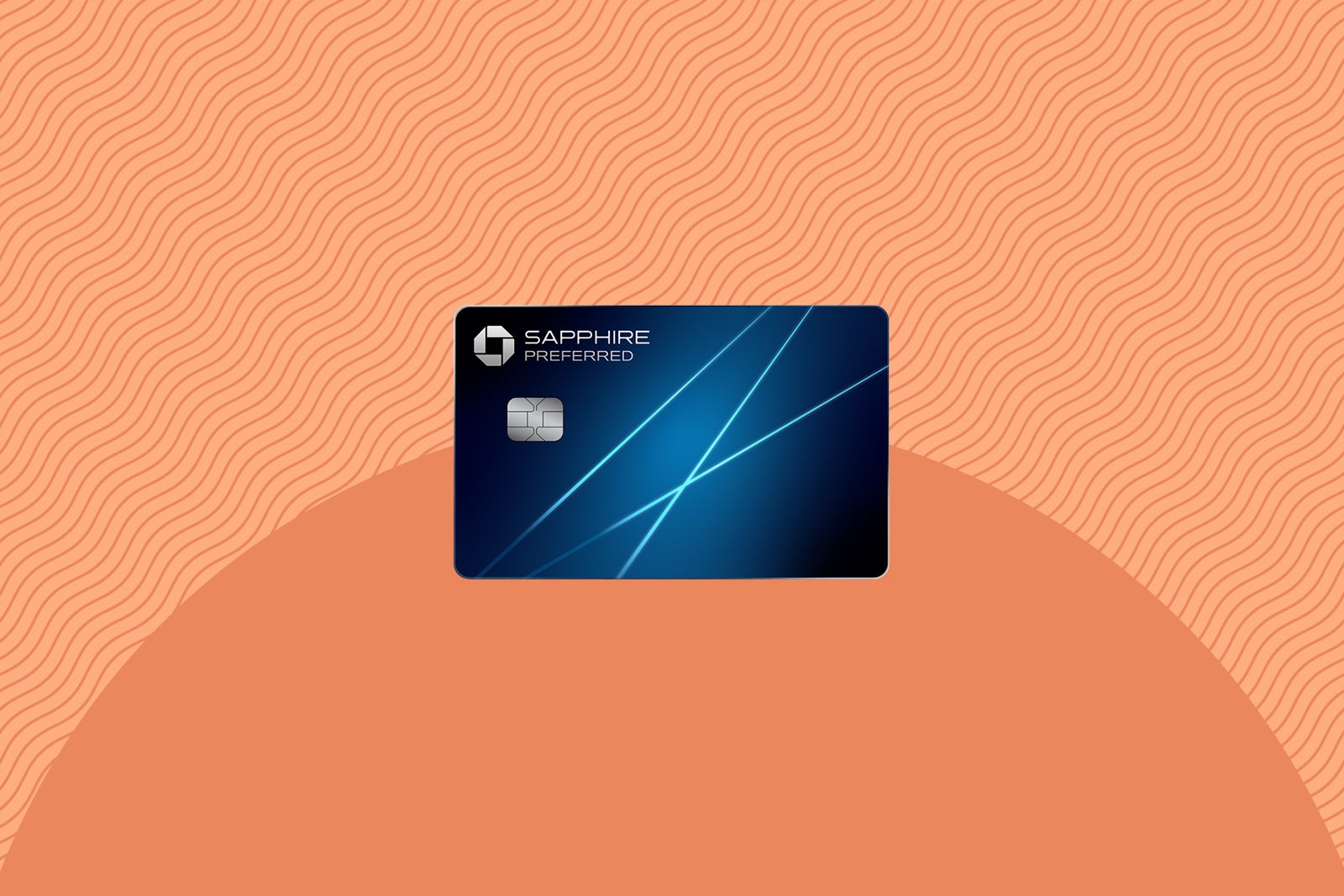
Beginners who are wary of the $795 annual fee on the can replace it with the .
RGSTUDIO/GETTY IMAGES
The Sapphire Preferred offers a lower redemption rate with Points Boost and doesn’t includelounge access. However, you’ll enjoy a $100 annual statement credit for hotels booked through Chase Travel℠.
You could also skip the personal Sapphire cards and go with the .
Regardless of which Sapphire card you select, you'll have access to Chase's transfer partners.
If you already have the Capital One Venture Rewards Credit Card or the (see rates and fees) — both of which earn at a higher rate on nonbonus spending — it might make more sense for you to have the instead of the for the rotating quarterly categories.
On the other hand, if you don't have a card that earns more than 1 point per dollar spent or 1% back on your nonbonus spending, the Freedom Unlimited may be a better choice than the Freedom Flex.
Additionally, if you have high advertising spending, you may want to opt for the Sapphire Reserve for Business, as it earns 3 points per dollar spent on social media and search engine advertising (up to $1 million per dollar spent each anniversary year, starting Nov. 15, 2026), whereas the 's advertising bonus category is capped at $150,000 in combined annual spending.
However, if you don't need lounge access or premium perks, don't have high advertising spending or want a lower annual fee, you should opt for an Ink Business card.
Not eligible for an Ink card? No problem
You can also create a Chase Trifecta without an Ink Business card. Since Chase doesn't restrict you to only having one Freedom card, you can carry both the and the .
With this setup, you would use your Sapphire card for travel and dining purchases, the Freedom Flex for 5% cash back on rotating quarterly categories (on up to $1,500 in spending each quarter, then 1% back; activation required) and the Freedom Unlimited for anything else that doesn't fall into those bonus categories.
This is also one of the most cost-effective trifectas if you opt for the , as the combined annual fees would be just $95.
Meanwhile, you could hold both the and the Sapphire Preferred, plus the Freedom Unlimited.
While this is an expensive setup, with combined annual fees of $890, you would cover all bonus spending categories (especially with travel) and earn at least 1.5 points per dollar spent on all purchases.
Other Ink Business options
The is the most common pick for the Chase Trifecta, but it isn't the only option.
You could also opt for a no-annual-fee Ink Business card, like the or the .
The Ink Business Cash earns 5% cash back at office supply stores and on internet, cable and phone services (on the first $25,000 you make in combined purchases each account anniversary year, then 1% back). This card is a good option for those with high spending in business-related bonus categories.
LIUBOMYR VORONA/GETTY IMAGES
The Ink Business Unlimited earns 1.5% unlimited cash back on all purchases, making it a great catchall card for those who don't spend much on bonus categories.
However, the Ink Business Preferred is the only card that offers cellphone protection, so if you drop your phone often, this may be worth considering.
The goal of building a Chase Trifecta is to maximize every dollar you spend by putting your purchases on the right credit cards. When building your own version of the trifecta, consider Chase’s 5/24 rule and how much time you're allotting between Chase applications.
By commenting, you agree to our Community Guidelines to help create a positive space for conversation. The responses below are not provided or commissioned by the bank advertiser, our partners, or The Points Guy (“TPG”). They have not been reviewed, approved, or otherwise endorsed by any of these parties. All responses are submitted by individual contributors, and neither the bank advertiser, our partners, nor TPG are responsible for ensuring that all posts and/or questions are answered.