What are cruises to nowhere, and can you take one?

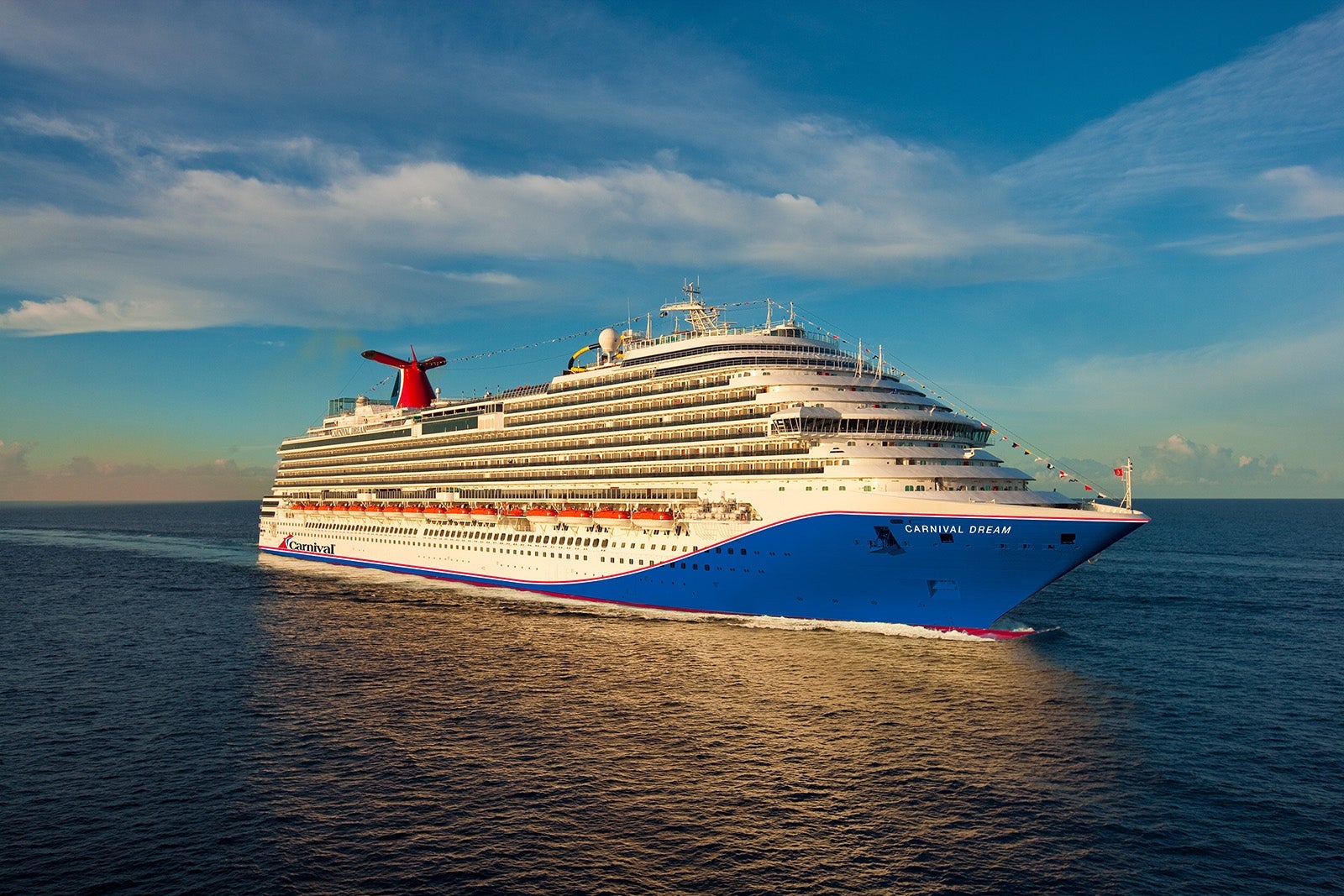
Would you take a cruise that didn't actually go anywhere?
It might sound odd, but cruises to nowhere — voyages with no ports of call — used to be popular for North American travelers.
Cruises to nowhere from the U.S. were fairly common until U.S. Customs and Border Protection said it would begin cracking down on the enforcement of a longstanding law called the Passenger Vessel Services Act, which has certain limitations that affect cruises to nowhere.
So, what are cruises to nowhere, how does the PVSA affect them and are they still offered? Here's everything you need to know.
What are cruises to nowhere?
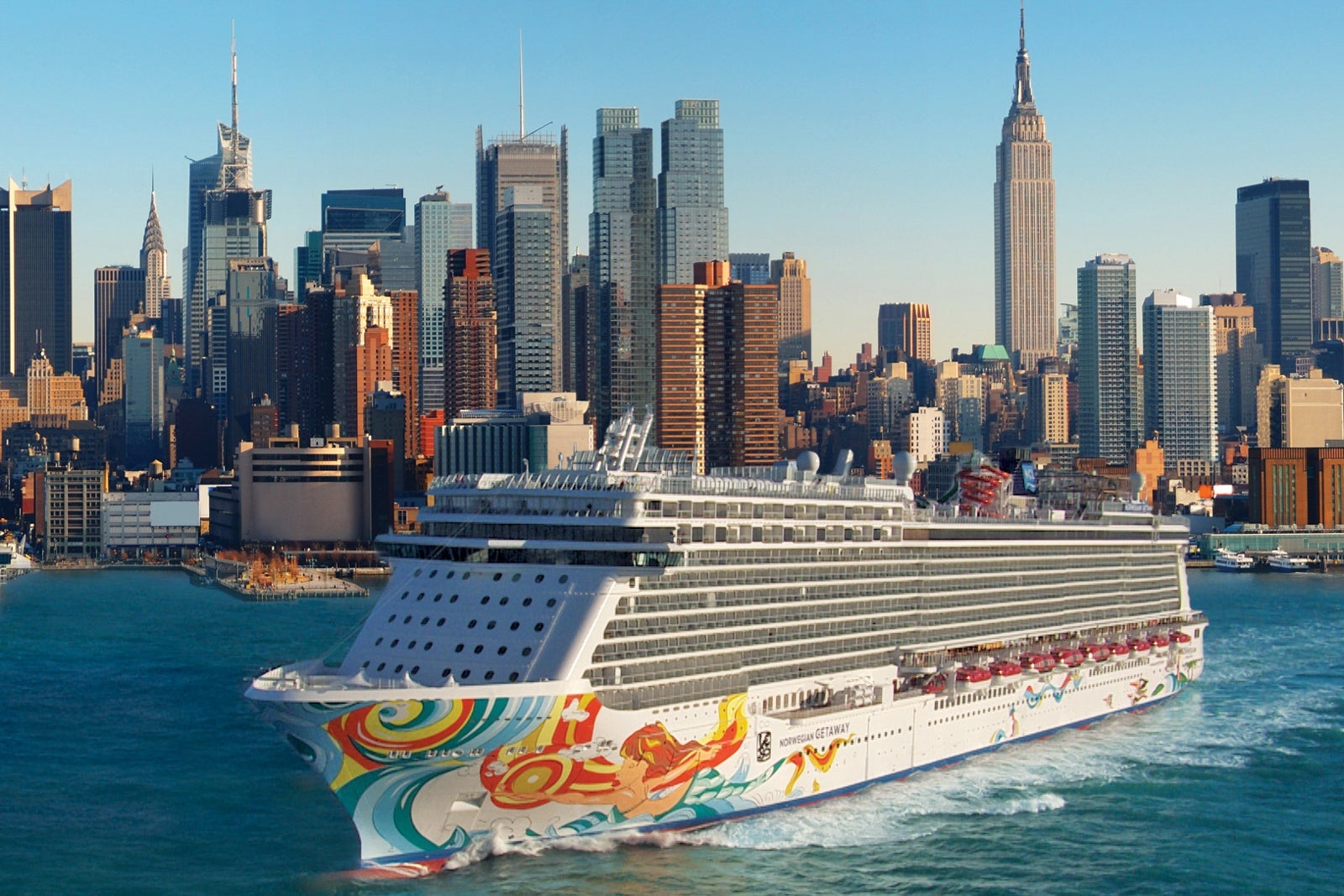
Cruises to nowhere are voyages that sail out to sea for a day or two without stopping anywhere before returning to the same port from which they departed.
You might wonder why anyone would want to travel on a cruise without port stops, but some people simply enjoy being on a ship where they can relax, sleep in, have a spa treatment, take in a show, lounge by the pool and have someone cook for them for a couple of days.
Cruises to nowhere also offer a way for first-timers to see whether or not a cruise might be for them. They're great options for people who don't have a ton of time or money to spend on a getaway.
What happened to cruises to nowhere?
Until 2016, cruise lines offered cruises to nowhere on a fairly regular basis. That changed in 2015 when CBP announced it would begin more strictly enforcing the particulars of the Passenger Vessel Services Act the following year.
Under the act, cruises to nowhere themselves are legal, but because the type of visa many crew members use when working on ships doesn't meet the requirements of the PVSA for cruises to nowhere, cruise lines largely stopped offering them.

What is the PVSA?
At its core, the PVSA — an offshoot of the more well-known Jones Act, which deals with ships that carry cargo instead of passengers — states that foreign-flagged cruise ships sailing from U.S. ports must call on at least one foreign port before returning to the U.S. at the conclusion of a voyage.
However, a lesser-known portion of the act addresses crew visas and what they permit in terms of how long visa holders can remain in the U.S. Many crew members work on ships using D-1 visas, which allow them only to stay in the U.S. for brief periods of time with the intention that they leave again almost immediately.
On cruises to nowhere, because there are no foreign port stops between a ship's departure from a U.S. port and its return to a U.S. port, crew members on those types of voyages essentially remain in the U.S. and don't leave. In those instances, crew members with D-1 visas would be out of compliance — something that cruise lines no longer want to risk due to steep penalties.
Are there exceptions?
Yes. In the event of an emergency, such as a hurricane or other weather-related issue that prevents a ship from calling on the necessary foreign port before returning to the U.S., the U.S. government can issue exemptions. However, that type of situation is rare, and those types of cruises to nowhere are not originally planned to be cruises to nowhere.
Bottom line
Although cruises to nowhere offered inexpensive, short options for cruisers, they are a thing of the past when departing from the U.S. Their extinction is due to conflicts between the requirements outlined in the PVSA and the type of visa crew members often use to work on board cruise ships.
Have more cruise questions? TPG has answers:
- Packing for a cruise? These items aren't allowed on board
- Man overboard: Cruise ship overboards and how they happen
- What is baked Alaska, and why is it paraded around cruise ships?
- What are the largest cruise ships in the world?
- What is the Jones Act and how does it impact cruise ships?
- What is a lido deck on a cruise ship?
- What's a cruise cabin guarantee and will it save you money?
- What's the difference between a cruise ship concierge and a butler?
TPG featured card

at Capital One's secure site
Terms & restrictions apply. See rates & fees.
| 5X miles | Earn 5X miles on hotels, vacation rentals and rental cars booked through Capital One Travel |
| 2X miles | Earn unlimited 2X miles on every purchase, every day |
Pros
- Stellar welcome offer of 75,000 miles after spending $4,000 on purchases in the first three months from account opening. Plus, a $250 Capital One Travel credit to use in your first cardholder year upon account opening.
- You'll earn 2 miles per dollar on every purchase, which means you won't have to worry about memorizing bonus categories
- Rewards are versatile and can be redeemed for a statement credit or transferred to Capital One’s transfer partners
Cons
- Highest bonus-earning categories only on travel booked via Capital One Travel
- LIMITED-TIME OFFER: Enjoy $250 to use on Capital One Travel in your first cardholder year, plus earn 75,000 bonus miles once you spend $4,000 on purchases within the first 3 months from account opening - that’s equal to $1,000 in travel
- Earn unlimited 2X miles on every purchase, every day
- Earn 5X miles on hotels, vacation rentals and rental cars booked through Capital One Travel
- Miles won't expire for the life of the account and there's no limit to how many you can earn
- Receive up to a $120 credit for Global Entry or TSA PreCheck®
- Use your miles to get reimbursed for any travel purchase—or redeem by booking a trip through Capital One Travel
- Enjoy a $50 experience credit and other premium benefits with every hotel and vacation rental booked from the Lifestyle Collection
- Transfer your miles to your choice of 15+ travel loyalty programs
- Top rated mobile app